News
878 articles
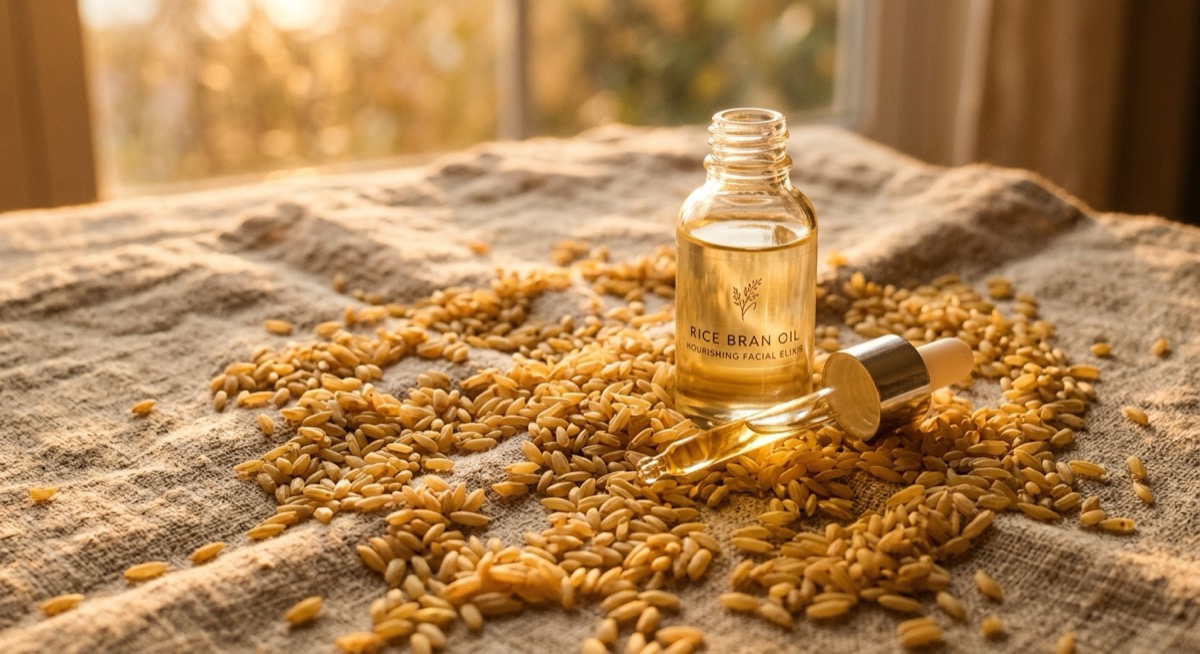
Rice Bran as an SPF Booster: Vizor's NS SolaRYZE Adds 10 Units at 1%
Vizor introduced NS SolaRYZE at in-cosmetics 2026 — an organic rice bran extract that adds 10 SPF units when paired with zinc oxide or titanium dioxide. If the data holds, it loosens one of the tightest constraints in sunscreen formulation.
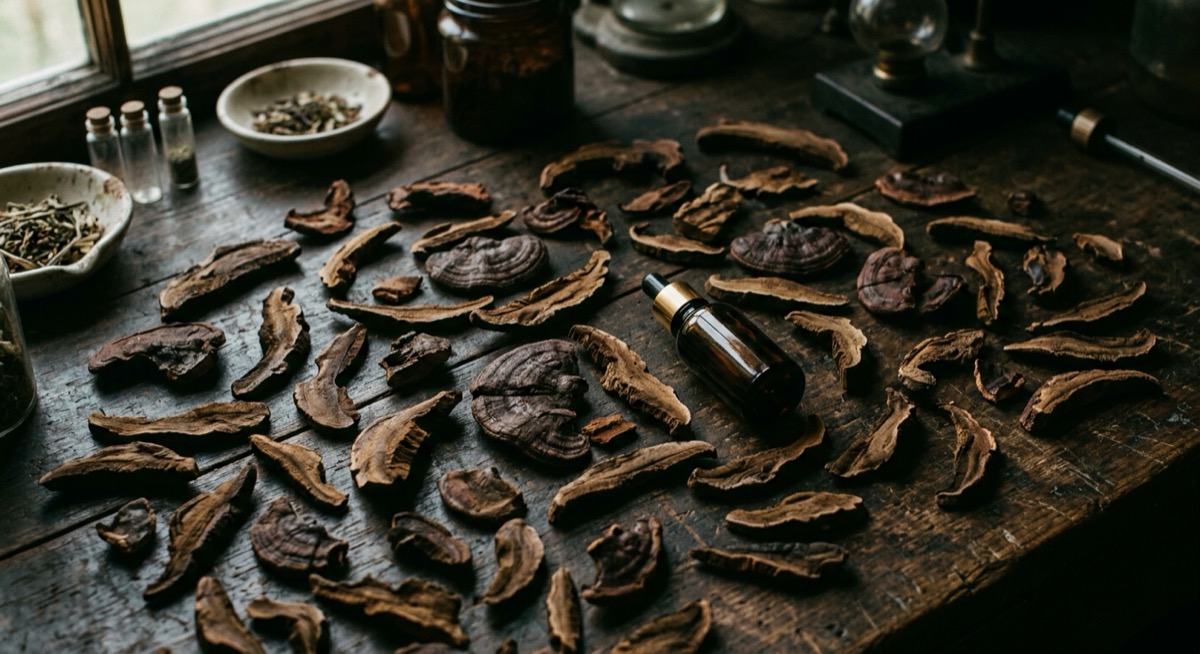
Taiwan's ImDerma Brings Reishi Exosomes to the Scalp with ExoReishi
Taiwanese biotech ImDerma Laboratories unveiled ExoReishi at in-cosmetics 2026 — a reishi-mushroom-derived exosome active. The pitch: enhance cellular communication across scalp cells to drive follicle recovery and hair growth in one ingredient.

Fish Collagen + L-Cystine RCT in 198 Asian Women: Hydration, Dermal Thickness, and Wrinkles Improve in 55-65 Cohort
Cosmetics journal, February 2026. A combined supplement of Naticol fish collagen and CySkin L-cystine improved hydration, skin thickness, and wrinkle depth in women aged 55-65, while strengthening texture, redness, and UV protection in the 18-30 cohort. A rare 198-women trial designed to separate two age strata.

GLP-1 Skin Adverse Events: 8.16% of Semaglutide Reports in FDA Database of 129,330 Cases
Journal of Drugs in Dermatology 2026. A cross-sectional analysis of 129,330 FAERS reports (2018-2024) finds 5.75% of GLP-1 adverse events are cutaneous, with semaglutide (8.16%) and liraglutide (7.66%) leading. Rash, pruritus, and alopecia top the list. Data clinicians should brief women on before starting weight-loss drugs.

Spain's Provital Targets the Hypodermis with Intensilk, a New Layer for Topical Skincare
Spanish ingredient maker Provital introduced Intensilk at in-cosmetics 2026 — an active that claims to target the hypodermis, the deepest skin layer. The pitch reframes GLP-1 sag and cellulite as one problem at the same depth.

Creatine for Perimenopause: 14-Week Trial Shows Strength and Sleep Gains in Women
ScienceAlert summary, May 2026. A 14-week randomized trial finds creatine supplementation significantly increases lower-body strength and improves sleep quality in perimenopausal women. The second supplement now backed by data for the muscle-mood-sleep complex that breaks down during the menopause transition.

Korea's SC Labs Targets GLP-1 Skin Sag with an Elastin-Fiber Booster
Korean cosmetic lab SC Labs unveiled a dedicated blend at in-cosmetics 2026 designed to restore elasticity lost to GLP-1 dieting. Unlike conventional anti-aging products that drive collagen, this blend goes after the harder target: new elastin fiber synthesis.

Reishi Mushroom for Ozempic Face: Akott's Akosky Dance Bets on Adaptogens
Italian ingredient maker Akott Evolution unveiled Akosky Dance, a reishi-derived adaptogen, at in-cosmetics Global 2026. The launch reframes a 2,000-year-old Eastern medicine staple as a multi-pathway answer to the elasticity loss, wrinkles, and fatigue that GLP-1 users see in the mirror.

Sugar Doesn't Just Stiffen Collagen, It Reaches Inside Your Skin Cells
New research from The Estée Lauder Companies shows that glycation happens inside skin cells themselves, triggering inflammation, senescence, and a slower repair response.

Qualia NAD+ 28-Day Trial: Blood NAD+ Up 67%, 88% Report Skin, Energy, and Mood Gains
Pre-print on medRxiv (May 2025), now cited in a 2026 PRISMA systematic review. 63 adults aged 35-76 (62% women) took Qualia NAD+ for 28 days; blood NAD+ rose 67% on average (placebo +4%) and more than 88% of participants reported improvements in skin recovery, energy, and mood. The first consumer-scale RCT signal that supports the perimenopause NAD+-deficiency hypothesis.

4,300 Women, Nine Countries, Three Skin Changes At Once: Galderma's Menopause Survey
Galderma's global survey across 4,300 peri- and post-menopausal women shows 60% feel less attractive after menopause-related skin changes, and most discovered the impact only by experiencing it.

Synbiotic + Astaxanthin RCT: 22% Cheek Elasticity Gain in 8 Weeks
Published in Journal of Cosmetic Dermatology (April 2026), an 8-week RCT of 36 women (avg age 48) found that astaxanthin combined with konjac glucomannan and three Bacillus probiotics significantly improved cheek elasticity (+22%), viscoelasticity (+30%), and firmness (+12%). Placebo group showed no change.

A New Cell-Penetrating Peptide Matches Minoxidil On Hair Follicle Elongation
A 2026 BMC Biotechnology study reports that DualPep-ALO, a synthetic cell-penetrating peptide, drives hair follicle elongation in human scalp tissue at a level comparable to minoxidil while activating three pathways at once.
2-MNG 0.5% Matches 4% Hydroquinone for Melasma With Better Tolerability
Medscape Dermatology, May 2026. A 12-week RCT shows 2-Mercaptonicotinoyl glycine (2-MNG) 0.5% non-inferior to 4% hydroquinone for melasma, with significantly less irritation. Combined with niacinamide, 2-MNG matched the Kligman triple combination. The first credible candidate to displace decades of hydroquinone dependence.

NAD+ Boosters Have A Celebrity Tier. The Human Data Is Still Smaller Than The Hype.
NPR's May 11, 2026 analysis of the NAD+ longevity industry surfaces the gap between rodent studies, sparse human evidence, and a $30 to $1,000+ price ladder that puts marketing ahead of trial data.

Three Months Into Ozempic, Women Are Watching Hair Fall In The Shower
Hair loss is increasing among women on GLP-1 weight-loss drugs. New York dermatologist Dr. Julie Russak walks NewBeauty through the mechanism, the timeline, and what can be prevented.
High-Dose Biotin Distorts PSA, TSH and Troponin Tests — JCO 2026 Warning
Ohio State Wexner oncodermatology team warns in JCO Oncology Practice 2026 that high-dose biotin in hair supplements skews PSA, TSH, estrogen, testosterone and cardiac troponin via immunoassay interference, risking missed cancer recurrence and heart attack signals. Stop biotin at least 72 hours before any blood test. FDA-approved minoxidil is a safer hair-loss alternative.
Tocotrienol Inhibits Ferroptosis 15x More Strongly than Tocopherol, Tohoku University Reports
Tohoku University (Japan) reported in January 2026 that tocotrienol is 15x more potent than tocopherol at inhibiting ferroptosis (iron-dependent cell death). Although grouped together as vitamin E, the two molecules behave differently in age-related, neurodegenerative, cardiovascular, and oncological pathways where ferroptosis matters. A potential turning point for the palm-oil and rice-bran tocotrienol market.

FDA Launches 'Know Your Nutrition' for Women's Health Week. Label Literacy Becomes Public Policy
The FDA Office of Women's Health debuts 'Know Your Nutrition' for National Women's Health Week 2026 (May 10–16). Life-stage nutrition guides, a May 13 label-reading webinar, and the refreshed 'healthy' claim are packaged into a single hub. The frame: dietary autonomy belongs to women who can read a label, not to marketing copy.

Gut-Style Immune Sentinel Cells Found in Hair Follicles — UC Riverside, April 2026
A UC Riverside School of Medicine team reports in Frontiers in Cell and Developmental Biology (April 2026) the first identification of M (microfold) cell-like sentinel cells in hair follicles. The discovery reframes the follicle as a 'hub of skin immune surveillance' and could unlock new approaches in alopecia, scalp inflammation, acne and atopic dermatitis.

Nicotinamide Riboside Raises Blood NAD+ 2.3x More than NMN at Equal Dose, Plus Crosses to Brain by Week 4
In a 2026 head-to-head trial, healthy middle-aged adults given 1,200 mg/day of NR or NMN for 8 days saw 2.3x greater blood NAD+ elevation with NR. After 4 weeks, NR also raised brain NAD+ in healthy individuals — but not in Parkinson's patients. First direct clinical comparison data positioning NR over NMN among NAD+ precursors.

Triple Therapy of Low-Dose Isotretinoin + Spironolactone + Diammonium Glycyrrhizinate Clears 90.6% of Hormonal Acne in 112 Women
A 112-woman randomized trial in moderate-to-severe acne with hyperandrogenism compared low-dose isotretinoin alone vs. + spironolactone vs. + diammonium glycyrrhizinate vs. all three. Triple therapy cleared 90.6% of lesions on average, 1.55x better than monotherapy (58.4%). A potential new standard for hormonal acne (Dermatology Times Journal Digest, April 2026).

First Gut-Hair Axis RCT — 3 Bacillus Strains + Saw Palmetto, +30% Hair Density at 24 Weeks
A 60-subject placebo-controlled trial of three spore-forming Bacillus strains (B. coagulans, B. subtilis, B. clausii) combined with 200 mg standardized saw palmetto extract delivers +30% hair density (P=0.005) and +25% follicular unit count (P=0.009) over 24 weeks. Scalp microbiome shifts toward balanced commensals — the first clinical validation of the gut-hair axis.

Menopausal Hormone Therapy Plus Tirzepatide Yields 35% More Weight Loss. Mayo Clinic Puts A Number On It
A Mayo Clinic cohort reports that menopausal women on hormone therapy plus tirzepatide (Zepbound) lost roughly 35% more weight than peers on the drug alone, published in The Lancet Obstetrics, Gynaecology and Women's Health 2026. It's the first clinical-scale quantification of the estrogen-GLP-1 synergy hypothesis. The authors flag the observational design as a clear limit.

A 27,885-Person GWAS Predicts GLP-1 Response And Side Effects From Two Genes. Nature 2026
23andMe Research Institute publishes a GWAS of 27,885 GLP-1 users in Nature, April 2026. Variants in two genes predict both weight-loss response and the nausea-vomiting profile. Lead author Adam Auton frames it as 'proof of concept that genetics plays a role in GLP-1 efficacy and side effects.' Total Health will surface the variants to consumers. Clinical translation, however, is not yet here.
Bifidobacterium Receptive Score Built on 51,244 Gut Microbiomes Predicts Colonization in 69.23% of Probiotic-Strain Pairs
A 'Receptive Score' derived from 51,244 gut microbiomes and 149 cohort meta-analyses predicted post-intervention Bifidobacterium colonization in 69.23% of trial-probiotic pairs across an external validation set of 1,633 microbiomes covering 8 strain interventions (Nature Communications, 2026). The first quantitative tool for matching individuals to probiotic strains likely to actually colonize their gut.

Bromelain + Alpha-Lipoic Acid Cuts Edema and Seroma After Breast Conservative Surgery — Sci Rep RCT
A double-blind, placebo-controlled randomized trial from the BCU PoliBa group at the University of Bari (Scientific Reports 2025) followed 114 breast conservative surgery patients on a 30-day postoperative supplement protocol. Edema fell significantly at day 1 (P=0.018) and 1 month (P=0.002); seroma fell at 15 days (P=0.009) and 1 month (P<0.001) versus placebo. The first robust RCT validating supplement-based post-surgical recovery.
Cyclized Hexapeptide-9 0.002% Outperforms Same-Dose Retinol 2.1x in Crow's Feet Over 56 Days
Cyclized hexapeptide-9 (CHP-9) 0.002% serum applied twice daily for 56 days outperformed identically dosed retinol across every metric in a 96-person Asian skin RCT: crow's feet -2.20 vs -1.04 lines, forehead wrinkles -2.88 vs -1.05, hydration +9.44 vs +4.22, TEWL -3.93 vs -1.59 g/h/m², zero adverse events (Journal of Cosmetic Dermatology, 2026). Retinol plateaued early while CHP-9 effects accumulated over time.
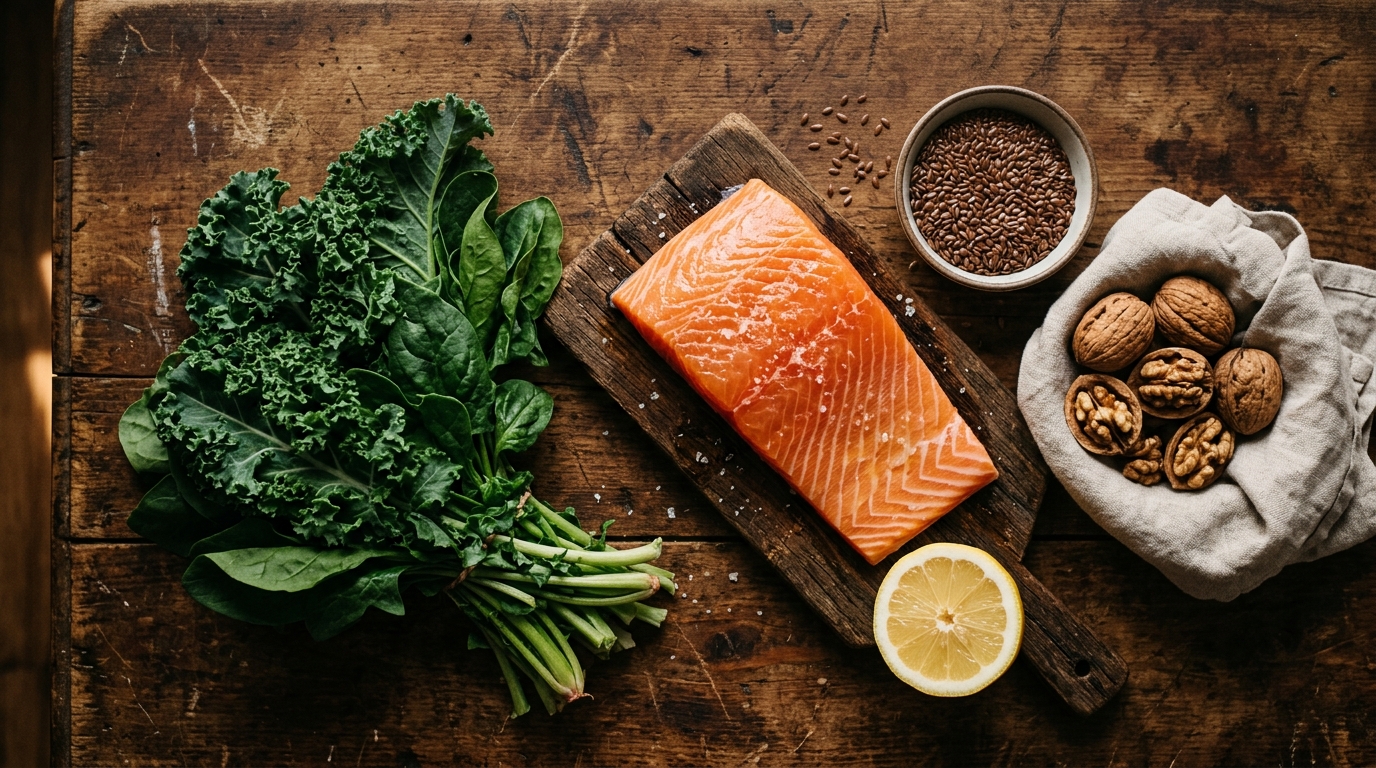
You Build Your Skin Barrier With Food — Omega-3, Zinc, Iron and Vitamin D Molecular Map
A Cezmi Akdis-led integrative review in Clinical and Translational Allergy (November 2025) walks through the molecular pathways by which nutrients build and break the skin barrier — from the stratum corneum lipid matrix (50\% ceramides, 25\% cholesterol, 15\% free fatty acids) to an 80\% reduction in childhood atopic dermatitis risk with maternal iron supplementation.

Premature-Aging Skin Microbiome Shifts Toward 'Delayed-Aging' Pattern After Four Weeks Of Retinyl Propionate. BJD 2026
The British Journal of Dermatology 2026 reports a 65-person cohort: 30 with premature skin aging, 35 with delayed aging. The premature group shows elevated Acinetobacter and a fragile microbial network. Four weeks of a marketed retinyl propionate product improved brightness, elasticity, hydration, and barrier function while pulling the microbiome toward the delayed-aging pattern. The first clinical data positioning the skin microbiome as an aging marker.
Collagen + L-Cystine in 198 Asian Women: Hydration in 55+, Texture and UV Defense in 18–30
Naticol-CySkin, a fish collagen plus L-cystine complex, ran in 198 Asian women across two age cohorts. Mature group (55–65) gained hydration, cutaneous thickness, and fewer wrinkles. Younger cohort (18–30) saw texture, redness, and UV recovery signals. Published in Cosmetics. A signal that collagen marketing is splitting by age.
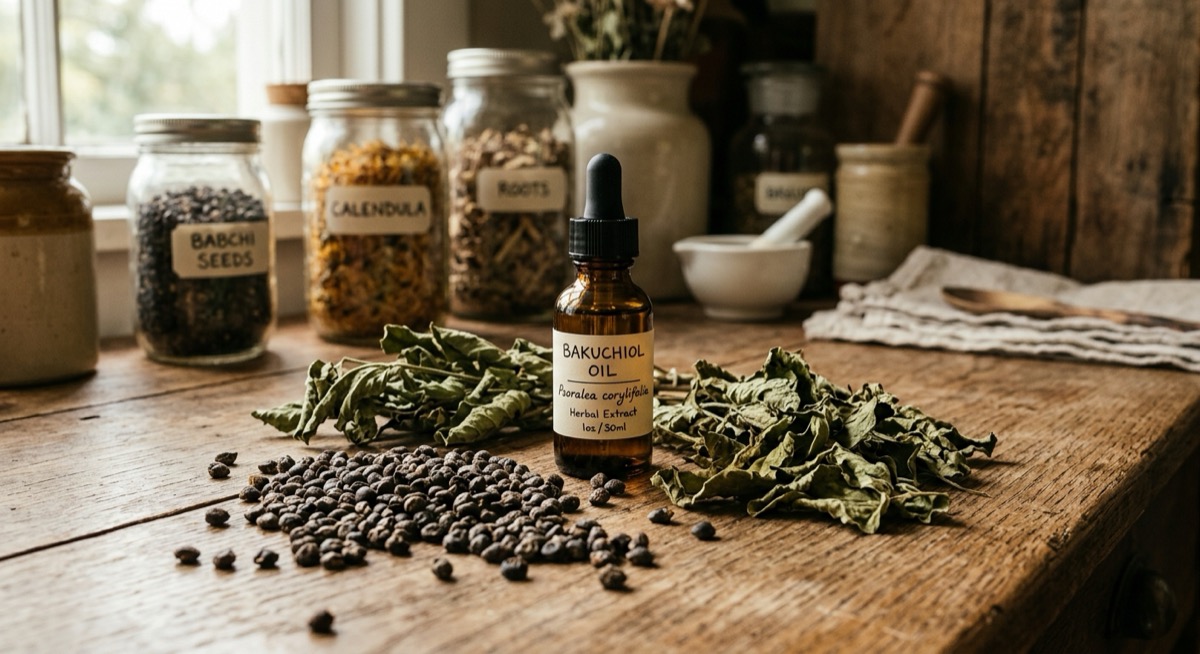
Bakuchiol 1.25% Plus Peptides Becomes The Retinol-Equivalent Option For Skin That Won't Tolerate The Real Thing
Bakuchiol-with-peptides serums anchor the retinol-alternative market in 2026. The reference clinical work is Dhaliwal et al., British Journal of Dermatology 2019: 0.5% bakuchiol for 12 weeks matched 0.5% retinol on fine lines and pigmentation with significantly less irritation. Bakuchiol layers with vitamin C and niacinamide and doesn't raise UV sensitivity. Direct trials in pregnancy and lactation remain absent.

Endometriosis 99mTc Noninvasive Diagnosis — Lancet 2026. 7~10 Year Diagnosis Delay Policy Gap Resolved
Oxford Nuffield × Serac Healthcare 2026 Lancet. 99mTc-maraciclatide noninvasive molecular imaging diagnostic. Current diagnosis = laparoscopy invasive 7~10 year delay. Phase 2 positive data·monitoring possible. 7 Phase 2/3 US trials 2026.6~2029.7 completion. Endometriosis global diagnosis policy gap entry.
Gut Bacteria Predict Melanoma Recurrence at Up to 94% Accuracy — NYU in Cell 2026
NYU Langone analyzed 674 patients from the CheckMate 915 melanoma trial and showed that matching patients by overall microbial fingerprint first lets gut bacteria predict post-surgery recurrence at 83–94% accuracy. Eubacterium, Ruminococcus, Firmicutes, and Clostridium drove the signal. Published in Cell on April 17, 2026. A pivot point for the gut-skin axis in precision medicine.
GHK-Cu Copper Peptide Renaissance — 2026 Compounding Legalization. Exosome FDA-0 Alternative
Dermatology Times Q&A + PeptideDeck 2026 guide. GHK-Cu = 2026 fastest growing peptide search term. From 2026.2 US 503A pharmacy prescription compounding legalized. RCT 2~4% topical 8~12 weeks collagen·elastin synthesis·dermal thickness·elasticity improvement. Exosome (L57 area FDA-0) medical-grade alternative.

Tonmya FDA — First Fibromyalgia Drug in 15 Years. 10M US Patients 80% Women Blind Spot Released
Tonix Pharmaceuticals Tonmya (cyclobenzaprine sublingual) 2025.11 FDA approval. First fibromyalgia drug in 15 years. RELIEF/RESILIENT Phase 3 n=1,474. 14-week pain reduction -1.9 vs placebo -1.5 (p=0.01). Non-opioid bedtime. US fibromyalgia 10M patients 80% women = policy gap first resolution.

Starting Estrogen in Perimenopause Cut Breast Cancer, Heart Attack, and Stroke by 60% — 120M-Record EHR Analysis
Women who initiated estrogen therapy in perimenopause and used it for at least 10 years before menopause had roughly 60% lower odds of breast cancer, heart attack, and stroke compared with women who started later or never used hormones. Analysis of 120 million+ electronic health records. Presented as a poster at The Menopause Society 2025 Annual Meeting.

AAD 2026 — Atopic Dermatitis·Psoriasis Pipeline Expansion. JAK·IL-23·GLP-1 Combination System Treatment Era
AAD 2026 (3.26~31 Denver). Nemolizumab pediatric 2~11 EASI75 70%·EASI90 60~70%. Psoriasis icotrokinra·zasocitinib·envudeucitinib biologic-level. Ixekizumab + tirzepatide combo = cardiometabolic effect. Skin treatment expanding to system treatment.

VYEPTI AAN 2026 INFUSE — Migraine Cognitive Symptoms Visualization. Women 3x Chronic Pain New Dimension
Lundbeck AAN 2026.4.20 presentation. VYEPTI (eptinezumab) anti-CGRP 30+ countries launch. INFUSE real-world 6-month data — beyond headache frequency, brain fog·concentration cognitive symptoms measured. Migraine = women 3x chronic pain. Global 30 countries data expands headache burden measurement dimension.

GLP-1 Weight-Loss Drugs Linked to 2.08x Higher Hair Loss Risk in Women — 24-Study Systematic Review
Semaglutide (Ozempic, Wegovy) and tirzepatide raised women's hair loss risk by an adjusted hazard ratio of 2.08 vs. bupropion-naltrexone, according to a January 2026 systematic review of 24 studies. Androgenetic alopecia and telogen effluvium dominated. Dose-dependent: rare below 2mg/week, common at obesity-treatment doses. Women disproportionately affected.
Topical Adipose Stem Cell Exosomes Cut Melanin in 8-Week Split-Face Trial — 21 Women, Age 39–55
An 8-week split-face study of topical adipose-derived stem cell (ASC) exosomes in 21 women aged 39–55 showed a statistically significant reduction in melanin on the treated side. Two companion trials (56-patient platelet-derived exosome serum at 6 weeks; 28-patient microneedling + ASC exosome at 12 weeks) reported parallel skin gains. Published in the Journal of Cosmetic Dermatology, 2026.

LY3056480 Notch Inhibitor — Hair Cell Regeneration Phase IIa. Hearing Blind Spot Beyond 50 Pillars
Eli Lilly LY3056480 Phase IIa. Intratympanic injection 3 times. Mild-moderate SNHL patients n=15 safety passed. UK·Germany·Greece 40 patients multisite efficacy. Notch signal blockade → supporting cells regenerate hair cells. Tinnitus fluctuation observed. Hearing = new sensory organ beyond 50 pillars.

MSC Stem Cell Knee OA Phase 3 — Regenerative Medicine First RCT Entry. Pain -60%·Function +90%
Cell Technologies 2026.4. Mesenchymal stem cell (MSC) knee osteoarthritis Phase 3 Q4 2026 start. Phase 2: ~60% pain significant reduction + 90% function·quality of life improvement. $140M separate trial. Regenerative medicine first randomized controlled Phase 3 entry. Post-menopausal women knee OA 60% blind spot.
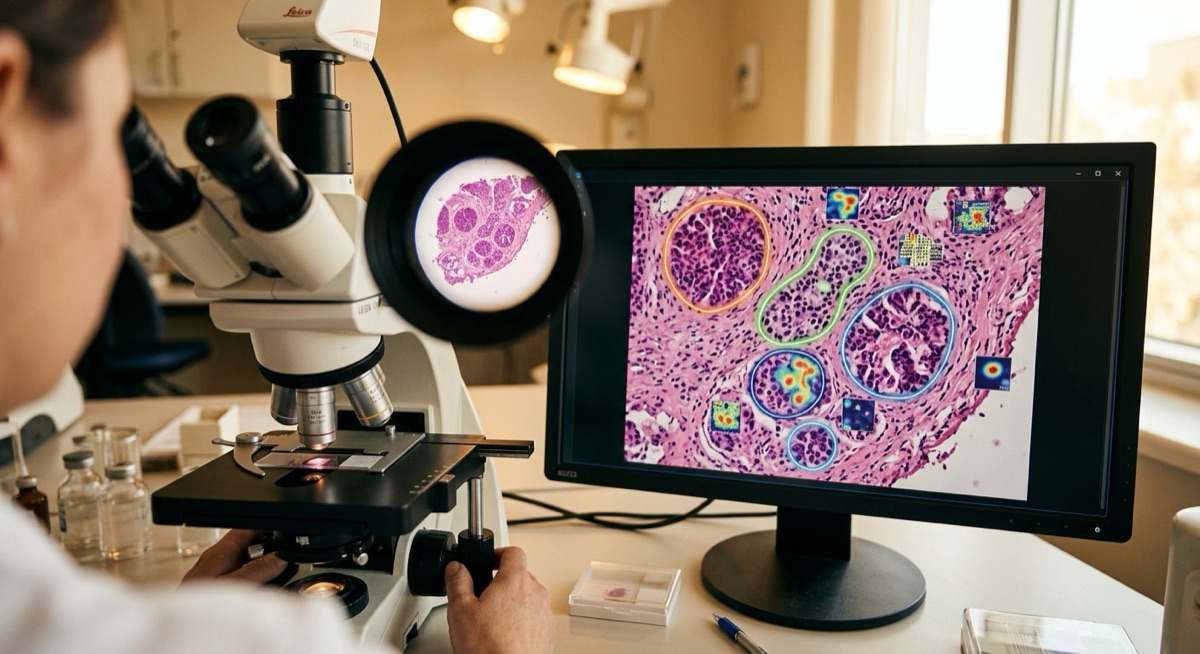
ArteraAI Breast FDA Clearance — First Digital Pathology AI Breast Cancer Risk Stratification. NCCN 2026 Official Inclusion
Artera 2026.5.6 FDA Clearance. ArteraAI Breast = first FDA-cleared digital pathology AI breast cancer risk stratification. HR+/HER2- early-stage. NCCN 2026 guidelines AI 5-year risk ≥1.7% threshold officially included. Tissue pathology slide AI enters clinical decision framework.
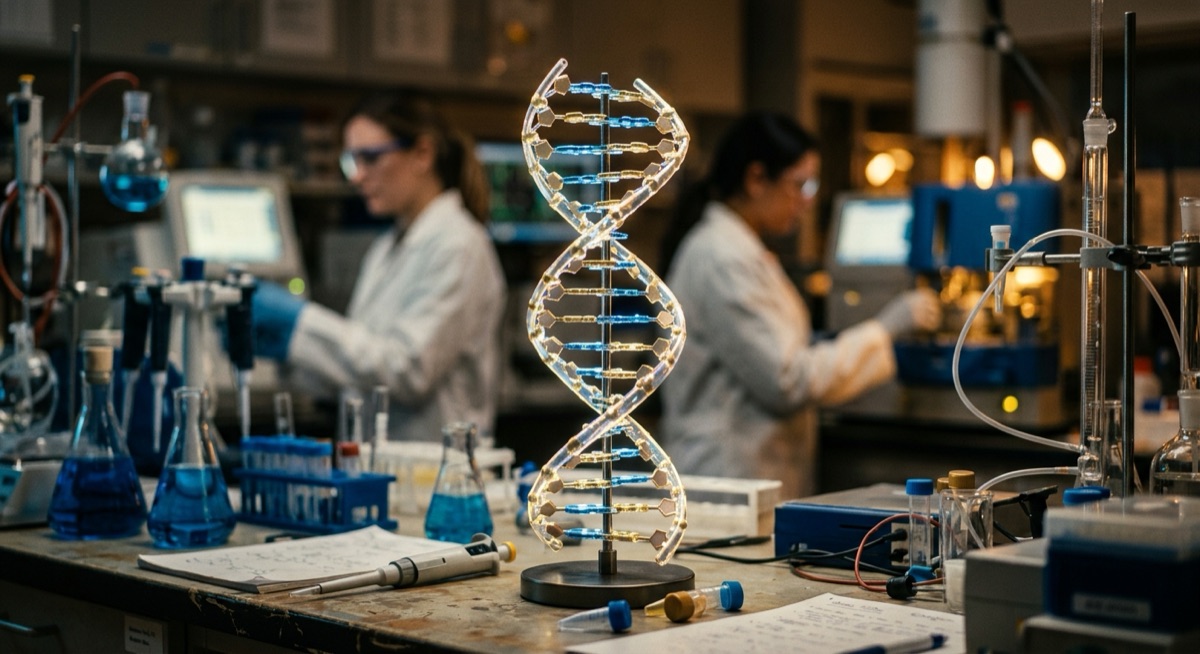
Intellia Lonvo-z CRISPR — 2nd Drug·First In Vivo Edit. Swelling Attacks -87%
Intellia Therapeutics 2026.4.27. Phase 3 80 patients. Lonvo-z (Lonvoguran ziclumeran) HAE in vivo CRISPR-Cas9. Swelling attacks -87% vs placebo. 60%+ complete blockade (placebo 11%). After Casgevy = 2nd CRISPR drug·first in vivo edit.

Saphnelo Pen FDA — Lupus SLE Self-Injection Era. 90% Female Patients, Hospital to Home
AstraZeneca Saphnelo (anifrolumab) 2026.4.27 FDA self-injection pen approval. Weekly 120mg subcutaneous. Monthly IV infusion → home self-administration transition. SLE 90% female patients. L64 Gazyva anti-CD20 + L73 Saphnelo Pen = autoimmune self-management era entry.

SARM MK-0773 Female Sarcopenia 6-Month RCT — Post-Menopausal Muscle via Drug. Hormone Target New Dimension
Journal of Cachexia, Sarcopenia and Muscle Phase IIa RCT. 65+ women n=170 6 months. Selective Androgen Receptor Modulator (SARM) MK-0773 muscle mass significant increase. FDA approved sarcopenia drugs = 0. Post-menopausal muscle recovery drug new dimension. Different from L69 UConn testosterone via SARM target.
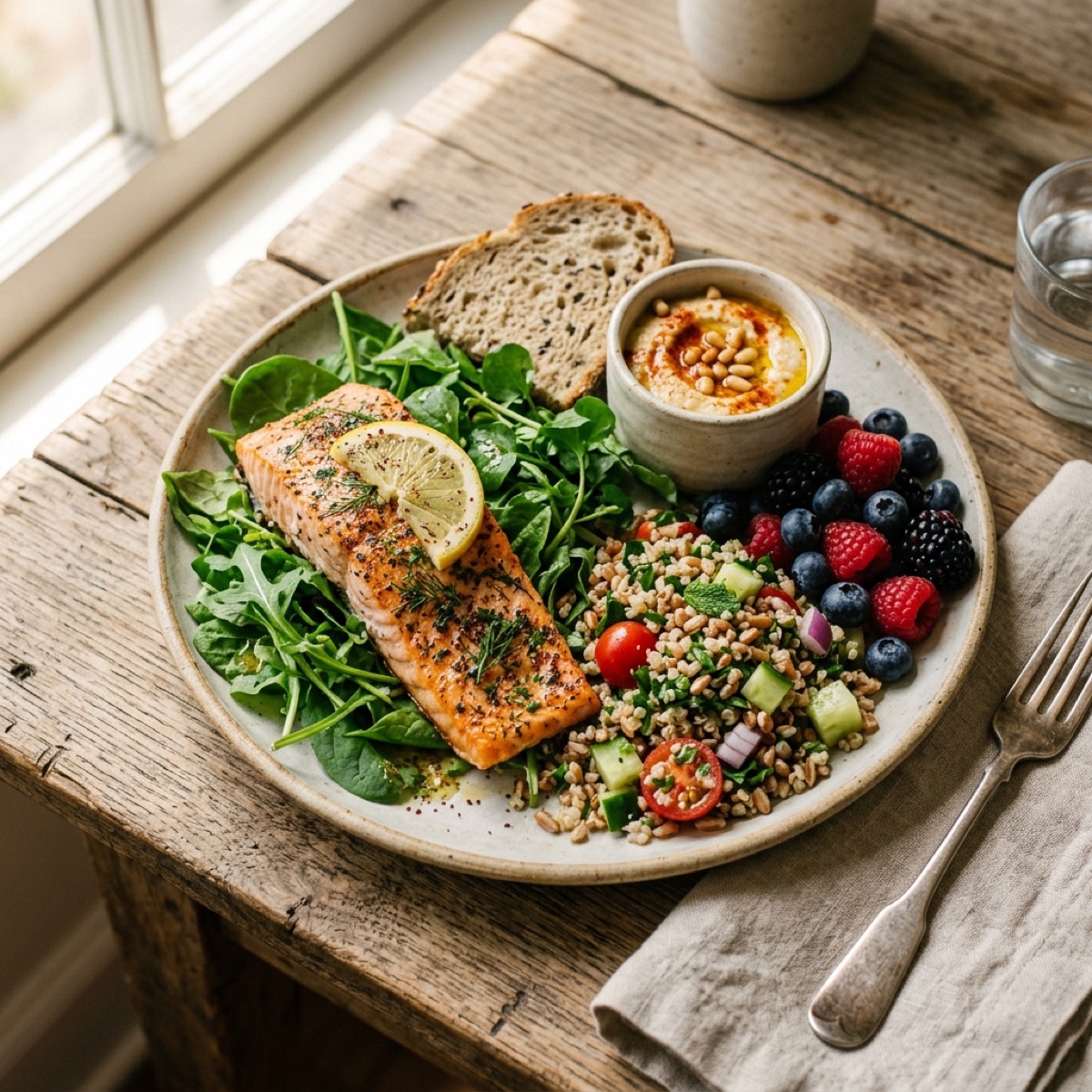
DNA Methylation Precision Nutrition — 1,247 Diet-Response Variants. Epigenetic Diet Change Transmitted Across Generations
MDPI IJMS 2026.1 DNA Methylation and Personalized Nutrition. All of Us Research Program 1,247 diet-response variants. 90%+ metabolic response prediction accuracy. PREDICT·FOOD4ME·PRECISION-HEALTH clinical weight·glucose improvement. Nutrigenomics clinical arrival + methylome transgenerational transmission.

Sibel ANNE Maternal FDA 510(k) — First Fully Wireless Maternal-Fetal Monitoring. US Maternal Mortality 22/100k Blind Spot
Sibel Health 2026.4.9 FDA 510(k) clearance. First fully wireless maternal-fetal integrated monitoring. US maternal mortality 22/100k (developed countries worst·2x+). 2026 Gates Foundation annual letter listing for India·Pakistan·Nigeria·Rwanda 4-country deployment. Era of mothers not bound to beds.

NEJM AI Automation Bias RCT — Physicians Pulled 14%p by ChatGPT Errors. AI Medical Establishment Shadow
NEJM AI 2026.4 RCT. AI-literacy-trained physicians n=44. Error LLM-exposed group diagnostic accuracy 73.3% vs control 84.9% (-14%p). JAMA 21 LLM comparison 80%+ inadequate differential diagnosis failure. AI medical establishment era automation bias clinical visualization new dimension.

MamaLift Plus FDA Approval — First Maternal Mental Health Digital Therapeutic. Postpartum Depression via App
Curio Digital Therapeutics 2026.4 FDA approval. First maternal mental health DTx. Postpartum depression mild·moderate EPDS 4+ improvement RCT. FDA TEMPO pilot (CMS collaboration) Medicare/Medicaid access expansion. PPD = #1 maternal death cause but drug exposure concerns create treatment gap. App-prescribed mental health era.

Elitone OTC FDA 510(k) — Pelvic Floor Self-Stimulation. Women's Incontinence 30~40% Blind Spot First OTC Release
Elidah Elitone FDA 510(k) 2026.3.31·general sale 2026.4. Non-invasive OTC neuromuscular stimulation pelvic floor device. Postpartum·post-menopausal women incontinence 30~40%·treatment rate <20%. Electrotherapy + photobiostimulation combo. Shame blind spot first OTC entry.

Centanafadine FDA Priority Review — Women's ADHD New Dimension. Perimenopausal Worsening·8.6-Year Life Expectancy Blind Spot
Otsuka centanafadine triple reuptake inhibitor (NDS) FDA Priority Review·PDUFA 2026.7.24. Adult·adolescent·pediatric simultaneous indications. Women ADHD life expectancy 75.15 yr vs non-ADHD 83.79 yr (8.64 yr gap). Perimenopausal symptom worsening·estrogen-dopamine. Mid-life women's ADHD blind spot becomes clinical unit.
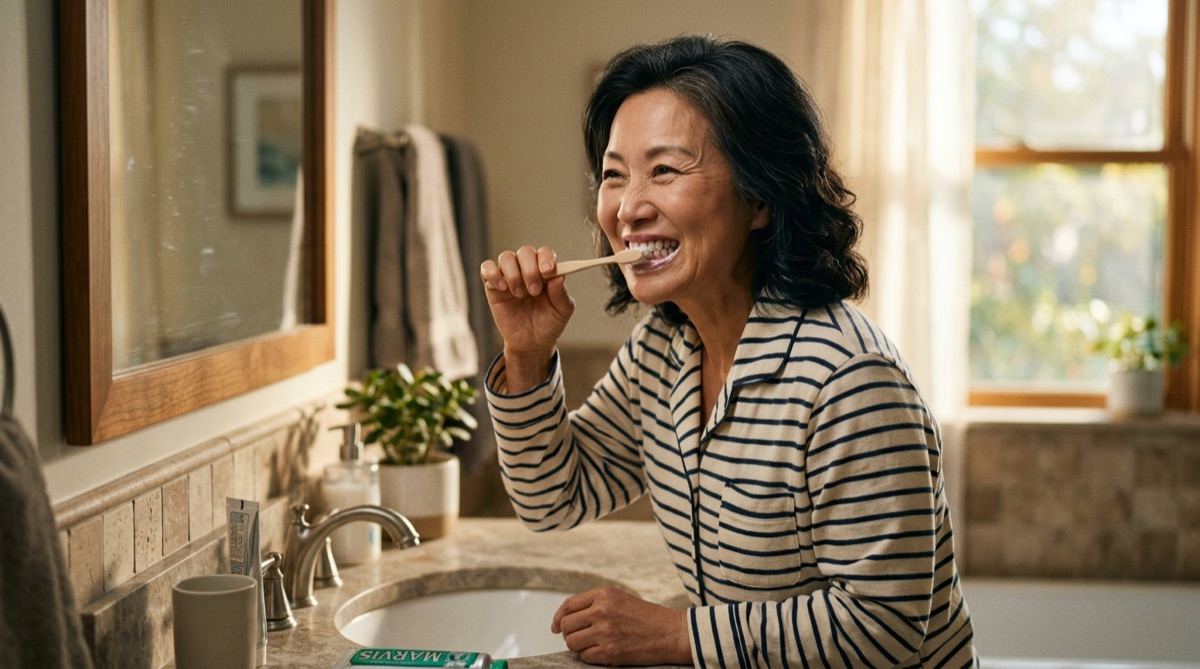
Oral Microbiome — Perimenopausal Women's Hormone-Responsive Organ. Gingival Estrogen Receptors·Periodontitis·Systemic Aging
Perio Implant Advisory 2026.2 + Frontiers in Genetics 2026 sex-specific subgingival microbiome. Post-menopausal women HRT users natural tooth retention ↑. Gingival fibroblasts·periodontal ligament·osteoblasts·salivary glands all have estrogen·progesterone receptors. Mouth = women's hormone-responsive organ·cardiovascular·neuroinflammation upstream driver.

Fenebrutinib BTK PPMS — First New Progressive MS Drug in 10 Years. Women 3:1 Blind Spot
Roche FENtrepid Phase III 2026.2.7·FENhance 1·2 additional data. First BTK inhibitor PPMS (primary progressive) disability progression delay proven. FENhance 1 annual relapse rate -51% vs teriflunomide. MS women:men 3:1. Progressive MS = treatment unable blind spot first release.
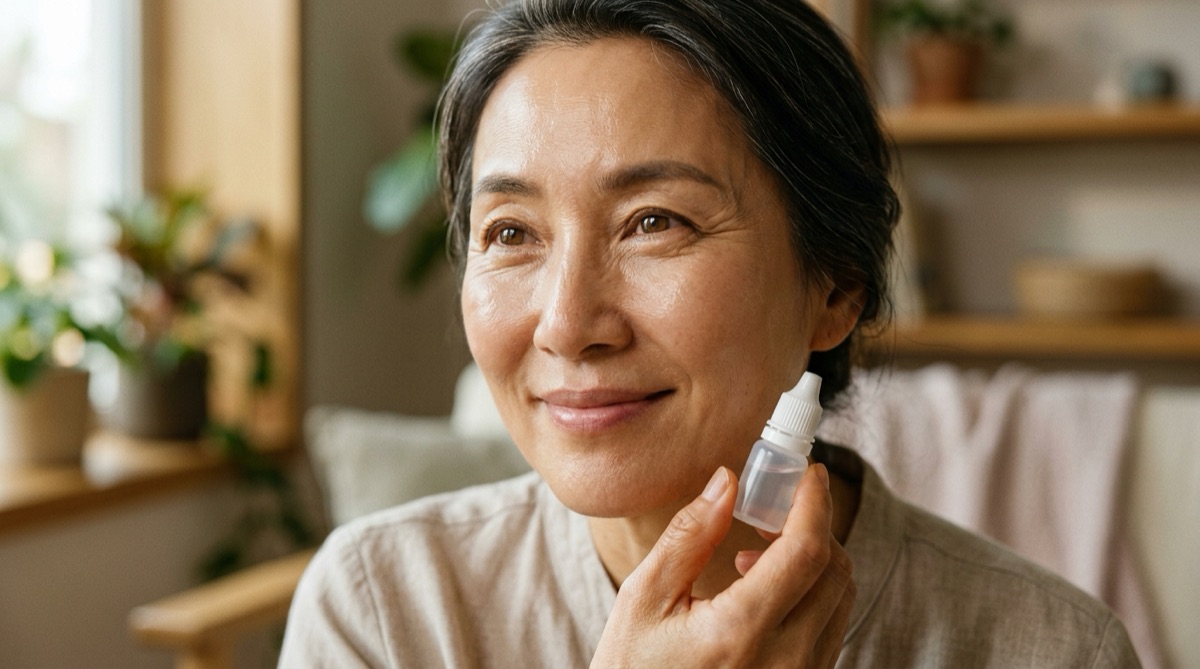
TRYPTYR FDA Approval — TRPM8 Agonist Eye Drops. Perimenopausal Women's Dry Eye Blind Spot New Target
Alcon TRYPTYR (acoltremon 0.003%) FDA approved. First-in-class TRPM8 receptor agonist dry eye drops. Perimenopausal women dry eye prevalence 2x men. First new target after artificial tears·immunosuppression (Restasis·Cequa·Xiidra). Aldeyra reproxalap PDUFA 2026.3.16. Women ophthalmology blind spot visualization.

Nemolizumab Prurigo Nodularis 24-Week Real-World Data: PP-NRS 8.1→1.8. Trial Efficacy Replicated in Real Patients
Journal of Dermatological Treatment 2026 published 24-week real-world. 38 prurigo nodularis patients on nemolizumab 60mg → PP-NRS dropped from average 8.1 to 1.8 at week 8, stable through week 24. Itch reduction starting at day 2. The first real-practice data for this female-dominant chronic itch disease. Clinical efficacy of IL-31 signal blockade established.

Fisetin TROFFi First Human Results: Frailty Recovery in Breast Cancer Survivors Post-Chemo. First Senolytic Human Clinical Validation
Therapeutic Advances in Medical Oncology 2026.4 + MOASC 2026 release. Fisetin (plant senolytic) demonstrated post-chemotherapy frailty recovery in 88 postmenopausal breast cancer survivors phase 2 RCT. Simultaneous evaluation of 6-minute walk distance, fatigue, cognition, neuropathy, aging biomarkers. First senolytic human data sets a new coordinate for aging medicine.

Female Testosterone Patch for HSDD: The Precision Medicine Gap of FDA Non-Approval and Off-Label Prescribing
Medherant TEPI patch phase 1 progressing + standard option absent for menopausal women's hypoactive sexual desire disorder (HSDD). 300 μg/day transdermal testosterone shows meaningful improvement in sexual desire·satisfaction in RCTs. FDA non-approved, physician off-label prescribing. Affects 25~30% of menopausal women, with clear standard treatment gap.

WHOOP 11 Women's Biomarkers + Hormonal Insights — FemTech's First Medical-Grade ECG·AMH Home Measurement
WHOOP 2026.3.10 launch. Women's health 11 blood markers (AMH·progesterone·prolactin·TPOAb·Free T4/T3·leptin·B12·folate·Mg·P) + AI hormonal symptom prediction. WHOOP MG ECG+BP integration. FemTech's first medical-grade ECG + ovarian reserve (AMH) home measurement era.

Elacestrant ELEVATE Phase 2: Everolimus/Abemaciclib Combo Improves PFS, Including in Non-ESR1-Mutated Patients
Stemline·Menarini's elacestrant (Orserdu) showed PFS improvement in ELEVATE phase 2 with everolimus or abemaciclib combinations in ER+/HER2- metastatic breast cancer. Effect also in patients without ESR1 mutation, beyond current FDA approval. The first oral SERD is settling into the standard treatment ladder. New option for postmenopausal women with metastatic breast cancer.

Exovive Lift Plant Exosome — dsm-firmenich 4 Trillion Vesicles/g, 8-Year Wrinkle Reversal Clinical
dsm-firmenich 2026.4 in-cosmetics Global. Exovive Lift alpine apple·Mediterranean citrus plant exosome. 2-month RCT n=45/arm. Firmness +30%·crow's feet depth -15% vs placebo·8-year wrinkle reversal. 4 trillion vesicles/g. Plant EV era begins.

ACC/AHA 2026 Cholesterol Guideline Overhaul: Universal LDL <100, Very-High Risk <55, the Lower-for-Longer Era
Circulation 2026.3 published the ACC/AHA 11-society joint dyslipidemia guideline. Universal LDL <100 target, very-high risk <55. 'Lower for longer' principle. Statin → ezetimibe → PCSK9·inclisiran ladder. Stronger meaning for accelerated post-menopausal cardiovascular risk in women.
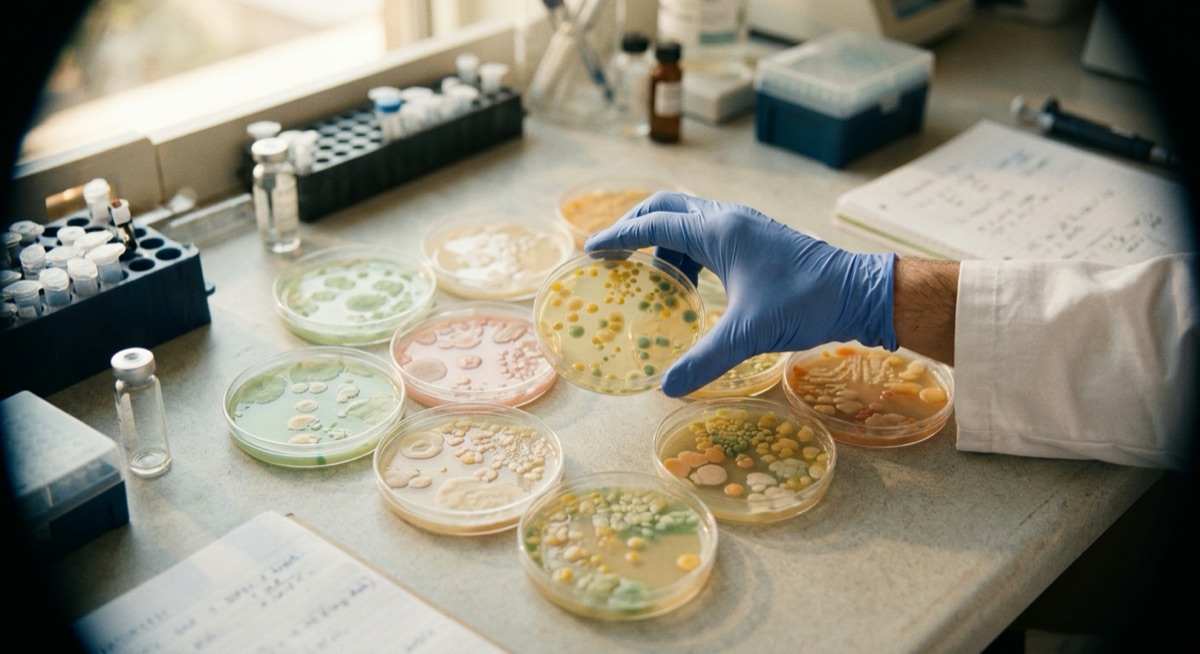
VIRGO2/VISTA — Vaginal Microbiome 25-Type Precision Classification. Gardnerella Can Be Non-Inflammatory
UMD School of Medicine mBio 2026.2. VIRGO2/VISTA open-source toolchain classifies vaginal microbiome into 25 types. Some Gardnerella-dominant types = non-inflammatory profile. BV prevalence ~25%. Women's site-specific precision microbiome new dimension.
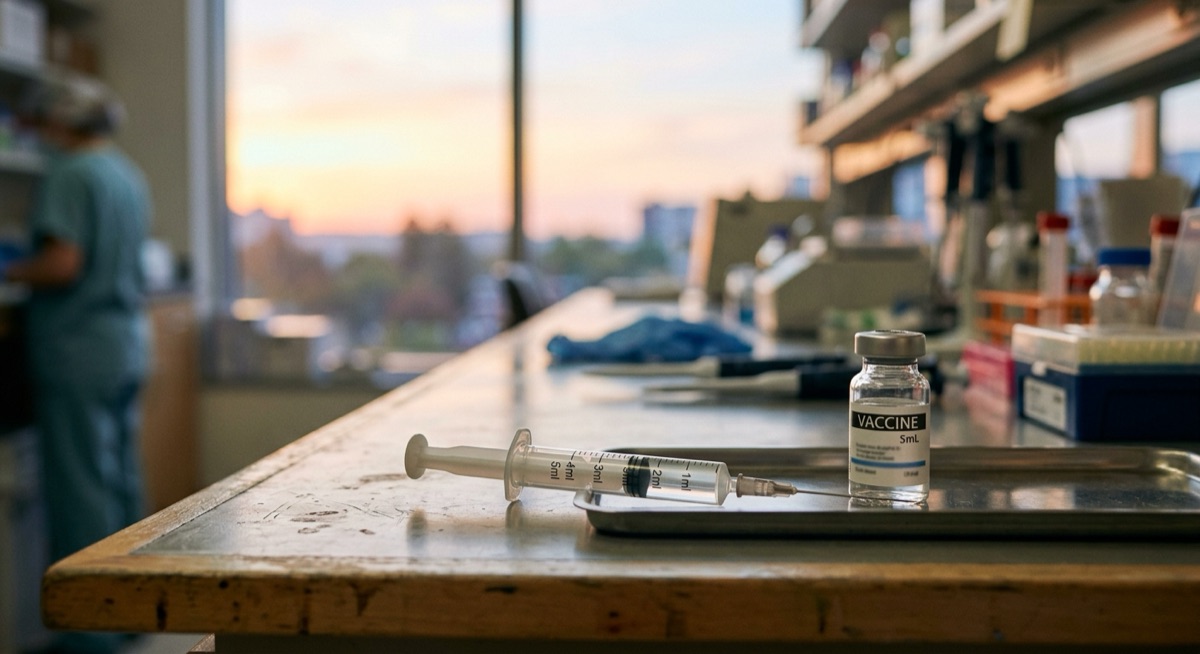
Luvesilocin (RE104) FDA Breakthrough — Single-Dose Psychedelic for Postpartum Depression. MADRS 71.4% Remission, Ph3 2026
Reunion Neuroscience 2026.2.23 FDA Breakthrough Therapy Designation. RECONNECT Ph2 n=84. Single 30mg injection Day7 MADRS -23.0 vs 1.5mg -17.2 (p=0.0094). Remission rate 71.4% vs 41.0%. Postpartum depression 5-HT2A single-dose shortened psychedelic new dimension.

SAINT 5-Day Accelerated TMS — Postpartum Depression Multisite RCT Starts. Drug-Free Brain Stimulation, Accessible Within 12 Months Postpartum
Mount Sinai 2026.4.1 announcement. SAINT (Stanford Accelerated Intelligent Neuromodulation Therapy) 5 days·10 sessions/day·10 min/session for postpartum depression 192 women RCT. DoD $11.6M funding. NCT07210255. 5-day drug-free brain stimulation new dimension for women with drug aversion·breastfeeding concerns.

ASCO 2026 BWEL — Weight Loss Improves Breast Cancer Patient Quality of Life. Clinical Evidence for Weight Management During Treatment
ASCO 2026 Annual Meeting (May 29~June 2) Abstract 12010 to be presented. BWEL (Breast Cancer Weight Loss) Trial — weight loss impact on breast cancer patient quality of life·symptoms. Multicenter RCT. With L66 ASCO GLP-1 breast cancer primary prevention (Abstracts 10520·10506) forms 5-layer matrix of GLP-1 and breast cancer. Weight·tumor·quality of life integrated management.

Cleveland Clinic 2026 — 45% of US Women Say 'Lack of Money' Top Aging Concern. 42% Don't Know Menopause Impact
Cleveland Clinic May 7, 2026 national women's health report. 2,000 women 18+ survey. 45% picked 'lack of medical funds' as #1 aging concern — higher than cancer·heart disease·Alzheimer's. 42% don't know menopause affects heart·brain·bones. Only 19% aware 2/3 of Alzheimer's patients are women. Maria Shriver: 'Women's health is in crisis'. Health literacy gap is not 'information shortage' but 'cost barrier + intergenerational disconnect'.
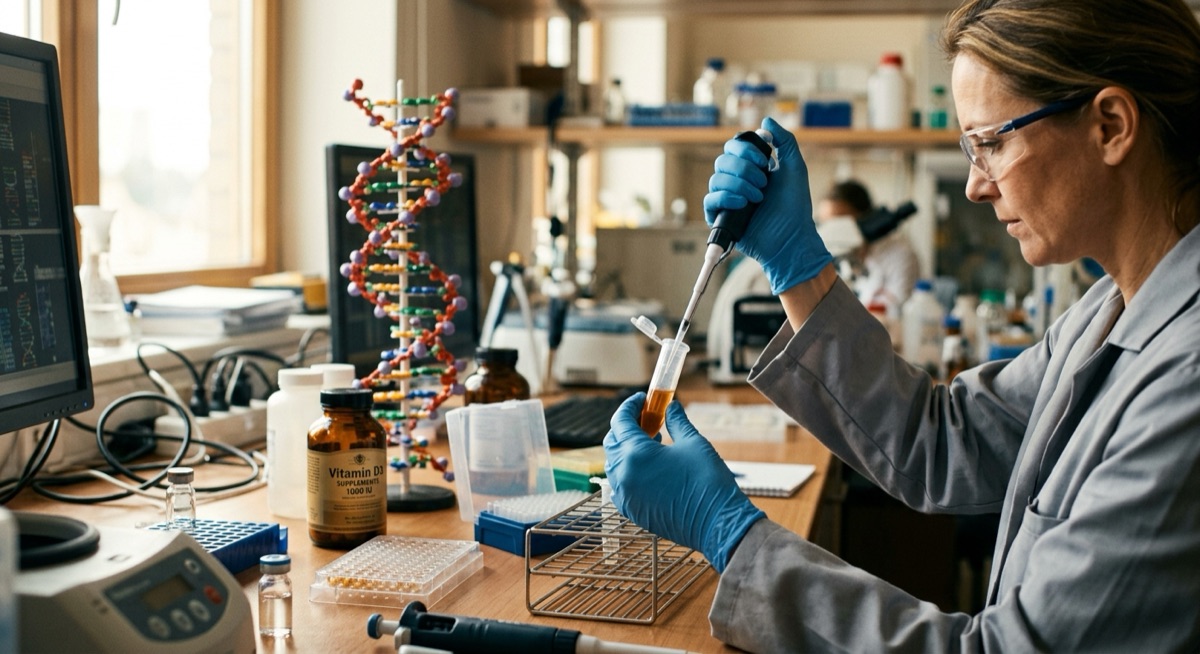
Tufts D2d — Vitamin D + VDR Genotype Blocks Diabetes Progression 19%. Supplement Precision Medicine Era
JAMA Network Open April 23, 2026. Tufts D2d clinical follow-up analysis. 2,098 prediabetic adults genomic analysis + vitamin D 4,000 IU/day vs placebo. VDR gene AC/CC variant carriers (~70%): 19% type 2 diabetes progression reduction. AA variant (~30%): no effect·high dose ↑ fall·fracture risk. Era of 'just take vitamin D' ends. First precision medicine (PGx) daily application for pre·post-menopausal insulin resistant women.

BASF NeoHelix·SkinNexus — 53~70 Year Women's Collagen III +82%. Yeast-Fermented Recombinant Human Collagen
BASF announced April 9, 2026 at in-cosmetics Global Paris. NeoHelix Regenerate (60~70 year): 56 days reduced damaged collagen 41%·hyaluronic acid +65%. SkinNexus Collag3n (53~70 year): collagen I +48%·III +82%·V +71%. Yeast-fermented recombinant human collagen III fragments. Visible wrinkle reduction within 4 weeks. Not simple peptide but 'collagen banking' concept.

UConn STEP-HI — Testosterone Gel Blocks Visceral Fat in 65+ Women. Exercise Alone Can't
Obesity Pillars 2026. UConn STEP-HI trial — 66 women aged 65+ in hip fracture recovery, 6-month follow-up. Testosterone gel + exercise group: visceral fat decreased. Exercise alone group: visceral fat normally increased. First RCT evidence that postmenopausal visceral fat needs hormone axis + exercise integration. ScienceDaily 2026.5.7.

10-Min Digital Meditation RCT — 8-Week Depression·Anxiety Reduction, Effect Sustained at 8-Week Follow-up. Working Mom Barrier Broken
medRxiv April 19, 2026. 299 meditation-naive adults randomized controlled trial. 10-minute daily remote meditation for 8 weeks + 8-week follow-up sustained depression·anxiety reduction. Cognitive impact baseline-dependent and small. Psychological function improvement is main effect. Clinical evidence that 30~40 working moms can manage mental health via 10 minutes of commute·lunch break.

RADIESSE Décolleté FDA Approval — US First Chest Area Wrinkle Indication. 2-Year Collagen Stimulation
Merz Aesthetics RADIESSE approved by FDA April 8, 2026 for décolleté (chest area) wrinkle indication. Calcium hydroxylapatite-based collagen·elastin self-generation stimulator. Adults 22+. Clinical data — 80%+ skin elasticity satisfaction, 83% retreatment intent at 1 year, 90% physicians visible improvement at 4 months. Effect up to 2 years. Face-centric anti-aging officially expands to décolleté.
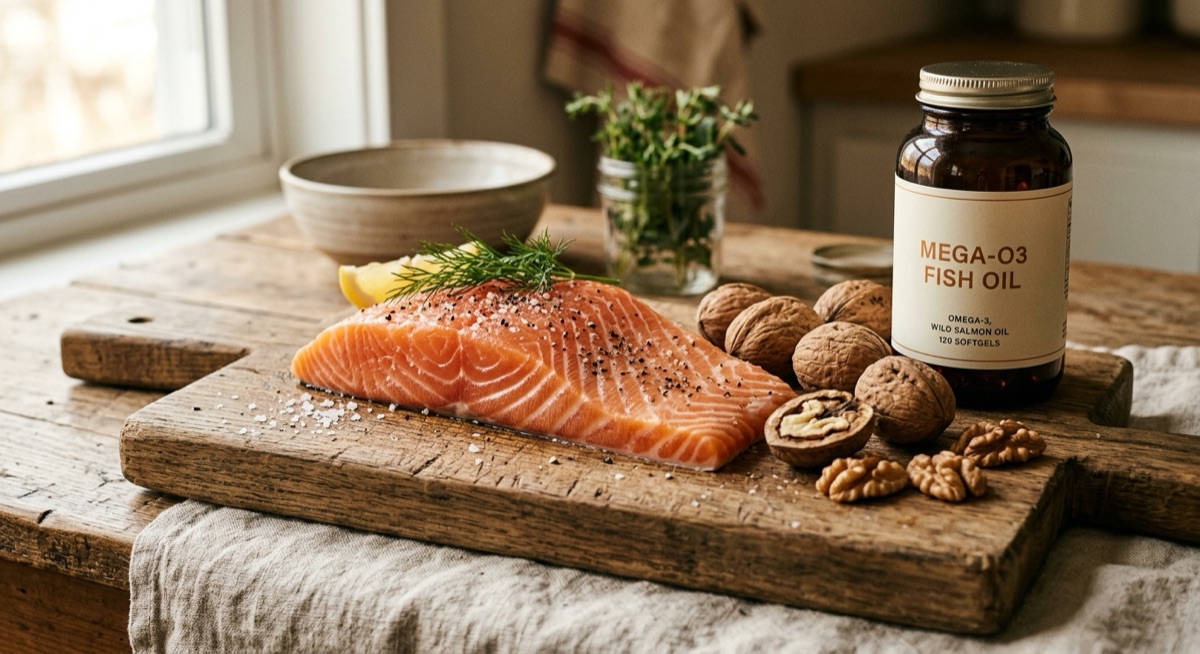
Omega-3 EPA Hinders Brain Injury Recovery — Cell Reports New Mechanism. DHA Unaffected
Cell Reports April 26, 2026. MUSC integrated mouse·human brain cell culture·CTE postmortem tissue analysis. In repeated mild brain injury, higher EPA concentration weakens vascular stability·disrupts healing signals·accumulates harmful proteins. DHA shows no equivalent effect. Not general recommendation but for repeated head impact experienced (athletes·falling elderly). Need for EPA·DHA separate labeling and individual selection.

MK-677 (Ibutamoren) for Women's Muscle and Aging: GH Secretion Promise vs Self-Prescription Risk. Not a SARM
MK-677 (ibutamoren) is not a SARM but a GH secretagogue (growth hormone secretion promoter). Activates ghrelin receptor to increase endogenous GH·IGF-1. Elderly trials show partial improvement in lean body mass + bone density. But insulin resistance, edema, heart failure risk, and research-chemical category. Attractive promise vs clear clinical risk for menopausal women's muscle loss.

Female Reproductive Organs 7-Way Asynchronous Aging — Nature Aging AI Analysis. Only Uterus Sees Sharp Menopause Transition
Nature Aging April 29, 2026. Barcelona Supercomputing Center analyzed 304 women's tissue data via AI (MareNostrum 5). Uterus·ovary·vagina·cervix·breast·fallopian tube each age at different speeds. Only uterus shows sharp transcriptomic·cellular transition at menopause. Validated in 21,441 plasma proteome cohort. Breaks single 'ovarian decline' menopause narrative, redefines as precision medicine target.

Phosphatidylcholine 2,400mg for 12 Weeks Drops NAFLD Grade S3 from 84.6% to 51.3%. PEMT Variant in 40% of Women Decides Dietary Dependence
Therapeutic Advances 2025 RCT. NAFLD patients (n=39) on phosphatidylcholine 2,400mg/day for 12 weeks → S3 grade fatty liver dropped 84.6% → 51.3%, with meaningful reductions in liver enzymes, leptin, and TBARS. About 40% of women carry PEMT gene variant → greater dietary choline dependence. Chinese 56,000-cohort study showed women with highest choline intake had 32% lower NAFLD risk.

Stanford Alzheimer's in Women — APOE4 Variant Risk 81% (Men 27%). Estrogen Direct Binding Site Discovered
Stanford Medicine April 1, 2026 analysis. Why 2/3 of Alzheimer's patients are women. APOE4 genetic variant raises women's risk 81%, vs men's 27% — 3x difference. Estrogen direct binding site discovered near APOE gene DNA. Possibility menopausal estrogen drop affects APOE protein production. Beyond simple longevity effect, molecular mechanism.

GOS Prebiotic Cuts Anxiety and Boosts Bifidobacterium in Young Women in 4 Weeks: Direct Gut-Brain Axis Data
Scientific Reports 2021 + ScienceDirect 2025 RCTs. Women aged 18~25 with self-reported anxiety on Biotis® GOS prebiotic for 4 weeks → improved mental well-being + reduced anxiety + meaningful Bifidobacterium increase. B-GOS 3-week supplementation reduced cortisol awakening response. Clinical data on the gut-brain axis molecular circuit.

OS-01 Senotherapeutic Peptide Body Lotion — 61~85 Year Women IL-8 ↓ + Hydration 41% ↑. First Clinical Data for Body Skin Aging
Journal of Cosmetic Dermatology 2026. OS-01 senotherapeutic peptide body lotion in 12-week RCT validated skin barrier·systemic inflammation·appearance improvement in 52 women aged 61~85. ~70% improved across all areas. Hydration up to 41% increase, IL-8 inflammatory cytokine significantly reduced. Signal of face-centric anti-aging peptide trials expanding to body skin.
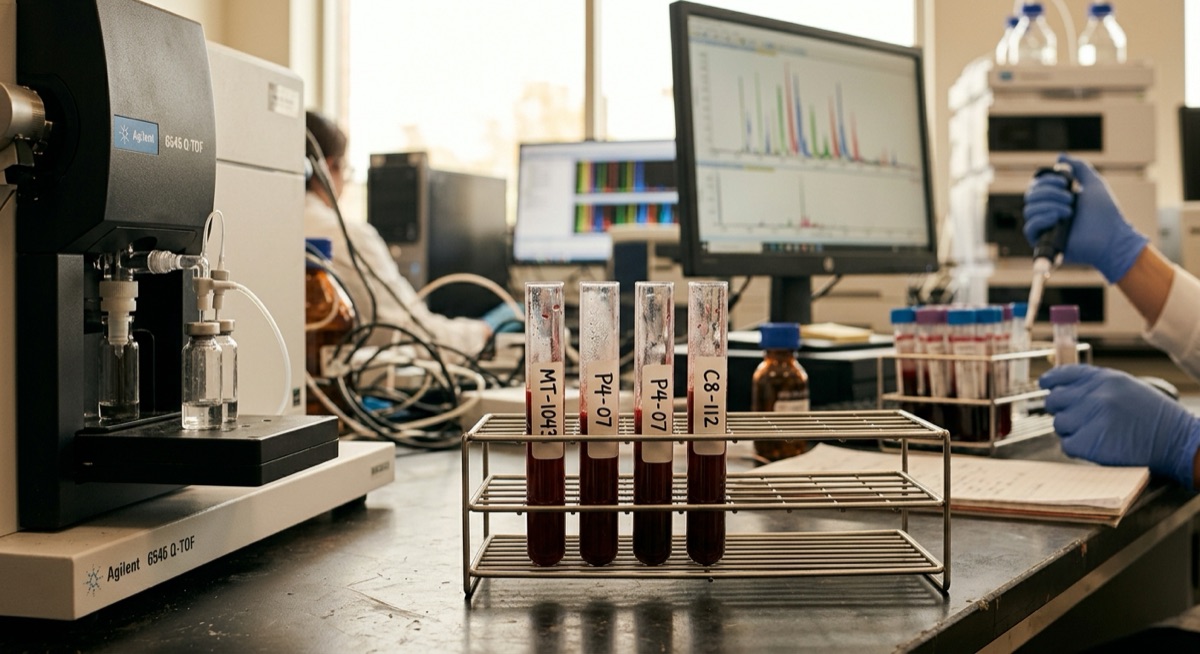
Imperial Gut Metabolome Predicts Cardiovascular Risk 3 Years Early — New Matrix of Phenylalanine·Tyrosine Breakdown Products
Imperial College London published in Nature Communications April 23, 2026. In 8,000+ adult cohort, metabolome score from phenylalanine·tyrosine breakdown products (gut microbiome-derived) predicts cardiovascular events at least 3 years in advance. New measurement axis showing signals already captured in the gut beyond blood pressure·LDL. New precision medicine tool possibility for pre·post-menopausal women.

DDW 2026 VR-CBT IBS — Virtual Reality Cognitive Behavioral Therapy Improves IBS. IBS Patient Infertility Risk 2.5x Discovered
Digestive Disease Week 2026 (May 2~5, Chicago). Cedars-Sinai multicenter RCT validated VR-delivered cognitive behavioral therapy improves IBS symptoms + high patient acceptance. Separate presentation — IBS patient infertility risk 2.5x (Natasha Koloski primary care cohort). Plus — 'palatable elemental diet' 2 weeks reduces IBS abdominal pain (Ali Rezaie). 3-axis simultaneous emergence: drug-free headset + diet + infertility awareness.

Low-Dose Lithium Orotate in Midlife Women: Risks and Promises of the Mood-Cognition Circuit. LATTICE Misses 6 Endpoints
Medscape 2026 LATTICE trial. 80 MCI patients aged 60+ on low-dose lithium carbonate 195mg/day (1/5 psychiatric standard) for 2 years missed all 6 primary endpoints (cognition, brain volume, plasma biomarkers). Yet OTC lithium orotate market is $411M+, projected to double in 8 years. The molecular circuit gap of midlife women's self-prescription vs clinical data.

EU 4-MBC Sunscreen Ingredient Ban — Effective May 1. Hormone Disruption Concern Enters Daily Sunscreen
From May 1, 2026 EU bans all cosmetics·sunscreens containing 4-MBC (4-Methylbenzylidene Camphor). Decision based on thyroid·estrogen disruption concerns + marine accumulation data. Label name '4-Methylbenzylidene Camphor' or 'Enzacamene'. Need to check labels when buying products outside EU. Hormone safety of daily-applied sunscreens enters daily life territory.
Eli Lilly's Retatrutide Phase 3 Hits 28.7% Weight Loss at 68 Weeks — Stronger Effect in Women
Eli Lilly's retatrutide (GLP-1 + GIP + glucagon triple agonist) achieved mean 28.7% weight loss in TRIUMPH-4 phase 3 at 12mg dose over 68 weeks. Women showed stronger response than men in Phase 2 (28.5% vs 19.8% at 8mg). Surpasses semaglutide (15-17%) and tirzepatide (20-22%) — a new era in obesity drugs. New side effect signal: dysesthesia 21%.

Veppanu (vepdegestrant) FDA Approval — First PROTAC Cancer Drug. ESR1-Mutated Breast Cancer PFS 5.0 Months
FDA approved vepdegestrant (Veppanu·Arvinas) on May 1, 2026 for ESR1-mutated ER+/HER2- advanced·metastatic breast cancer. First Proteolysis Targeting Chimera (PROTAC) class anticancer drug. VERITAC-2 trial PFS 5.0 months vs fulvestrant 2.1 months (43% risk reduction). 40~50% of patients post CDK4/6 + endocrine therapy progression have ESR1 mutations — broad target population.

ASCO 2026 GLP-1 Breast Cancer Prevention — Obesity Drug Expanding to Tumor Prevention. May 29 Conference Data Imminent
ASCO (American Society of Clinical Oncology) Annual Meeting May 29~June 2. Abstracts 10520·10506 to release data on GLP-1 agonists' impact on high-risk women's breast cancer incidence. Expansion from obesity·weight management to tumor prevention area. Postmenopausal obese BMI 30+ women face 1.5~2x breast cancer risk per existing data. New matrix emerges.

Multi-Strain Probiotics Dysmenorrhea RCT — 36% Pain Score Reduction in 3 Months. First RCT-Grade Non-Hormonal Option
Scientific Reports 2026. 48-person randomized double-blind RCT. Multi-strain Lactobacillus·Bifidus probiotics for 3 months reduced NRS pain score from 5.8 → 3.7 (36% reduction vs placebo). Effect lost after discontinuation (sustained use needed). First RCT-grade non-hormonal option beyond hormonal contraceptives·NSAIDs. New ladder for primary dysmenorrhea affecting 50~90% of reproductive-age women.

Leqembi IQLIK Subcutaneous Self-Injection — FDA PDUFA August 24. Home Alzheimer's Drug Era Approaches
Eisai·Biogen announced May 8, 2026. Anti-amyloid antibody lecanemab's weekly subcutaneous self-injection starting dose indication is set for August 24 FDA decision. From IV infusion center monthly visits → home self-injection. 200 mg/mL formulation. The biggest burden reduction for Alzheimer's where 60% of patients are women and most caregivers are women.

Auvelity FDA Approval for Alzheimer's Agitation — Recurrence 28.6→8.4%, First Non-Antipsychotic Case
Axsome Therapeutics' Auvelity (dextromethorphan + bupropion) approved by FDA for Alzheimer's agitation indication on April 30, 2026. ACCORD-2 trial showed 8.4% vs 28.6% placebo recurrence (3.4x reduction). NMDA·sigma-1 dual mechanism, first non-antipsychotic category. 2/3 of Alzheimer's patients are female, and agitation is the #1 reason for nursing home placement.

Artiva AlloNK Multi-Autoimmune Effect — RA 71% ACR50, Sjögren·Systemic Sclerosis. First Outpatient NK Cell Therapy Data
Artiva Biosciences May 8, 2026. Allogeneic NK cell therapy AlloNK delivered 71% (5 of 7) ACR50 in rheumatoid arthritis at 6 months, ClinESSDAI 8.6 in Sjögren, 100% rCRISS25 in systemic sclerosis. 100% B-cell depletion at day 13 in 51 patients with zero cytokine release syndrome. The first multi-disease data of outpatient NK cell therapy lighter than CAR-T.

Methylene Blue Microdosing Bypasses Mitochondrial Damage and Improves Recall 7% — fMRI Maps the Circuit
JCT 2026 RCT in 26 healthy adults. Single-dose methylene blue 280mg (~4mg/kg) increased insular fMRI activity during sustained attention and short-term memory tasks, with 7% memory recall improvement. Direct electron transfer from NADH to cytochrome c bypasses Complex I·III. LMTM (TRx0237) Alzheimer trials ongoing. Self-prescription vs clinical-supervised use is the core debate.

New Retinol Formula 180-Day Clinical — 76.2% Improved to Fine Lines. Side Effects Decrease Over Time, Zero Dropouts
Cosmetics 2026. 21 women with moderate~severe photoaging completed 180-day (6-month) new retinol formula clinical. 76.2% improved from coarse wrinkles (Grade 2) to fine lines (Grade 1). Initial 81% reported side effects (erythema·flaking) but significantly declined over time. The 'retinol = irritation = can't sustain' pattern broken.

Sclareolide + Niacinamide Sunscreen — 16 ITA° Pigmentation Difference. New Standard for Dark-Tone Skin PIH Prevention
Dermatology and Therapy 2026. Fitzpatrick IV~V skin 20-person investigator-masked randomized trial. After UV/visible light + exfoliation, protected skin +5.96 ΔITA°, unprotected -9.88 ΔITA°. Net protection ~16 ITA° (p<0.001). Even non-exfoliated UV-only sites showed +11.76 ΔITA° gap. First clinical trial preventing PIH (post-inflammatory hyperpigmentation) at the formula level.
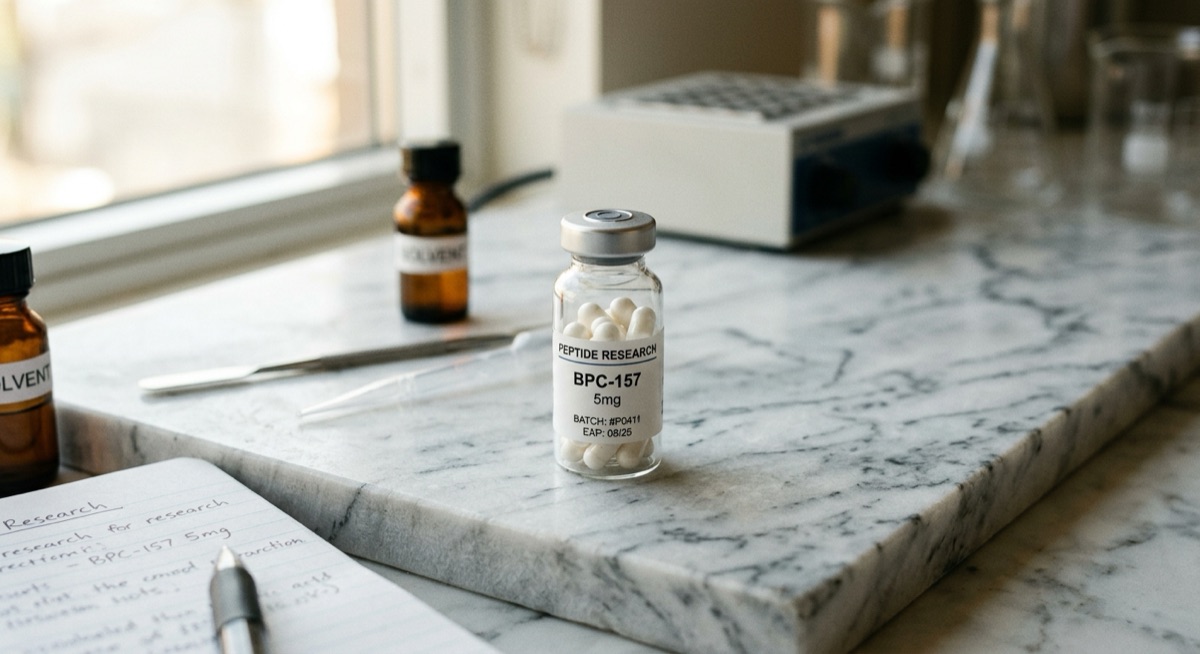
BPC-157 Peptide: Emerging Adjunct for Gut Healing and IBD — Strong Animal Data, Sparse Human RCTs
American College of Gastroenterology 2025 abstract. BPC-157 (15-amino acid gastric protective peptide) shows accelerated mucosal recovery in animal models of NSAID gastritis, alcohol mucosal damage, DSS ulcerative colitis, and Crohn's. Human trials are small safety-focused; large RCTs absent. Legal as research chemical in US, not prescription or OTC.

Sleep Apnea Night Variability — 30% ↑ Cardiovascular Event Risk. Why Single-Night Tests Miss Postmenopausal Women
SLEEP Journal April 2026. Flinders University tracked 3,000+ adults via mattress sensors over months. Those with high night-to-night sleep apnea variability showed ~30% higher MI·stroke·heart failure risk after adjusting for average severity. Single-night test misses these patients. Decisive message for postmenopausal women whose mild snoring delays diagnosis.

Oura Ring Vascular Age — Nighttime PPG Signal Predicts with 6~7 Year Average Error. Daily Catch of Cardiovascular Risk
PLOS Digital Health April 2026. Oura Ring measured photoplethysmography (PPG) signals during nighttime sleep to predict vascular age within 6~7 year average error. No reliance on Oura's proprietary algorithm — researchers built their own pipeline. Daily nighttime catch possible for hidden cardiovascular risk in pre·post-menopausal women.

Fecal Microbiota Transplant (FMT): 4-Year Follow-Up in Adolescent Obesity Shows -10cm Waist, -4.8% Body Fat
Nature Communications 2025 4-year follow-up. Adolescents with obesity who received FMT capsules showed waist -10cm, total body fat -4.8%, and reduced chronic inflammation markers vs placebo. Adult RCT (83.6% female) shows variability. Microbiome is not the standalone tool for obesity·metabolic syndrome but accumulating evidence is shifting.

GLP-1 Muscle Loss Concern Collapses — 36-Trial Meta-Analysis. 9% Weight Loss + Muscle Preservation Disarms 'Sagging Body' Fear
Nature International Journal of Obesity May 2026. 36 clinical trial meta-analysis showed GLP-1 users averaged 9% weight loss at 3 months + dominant visceral·body fat reduction at 12 months with modest lean mass loss. 'High quality weight loss' conclusion. Women's biggest fear about obesity drugs is academically dismantled.
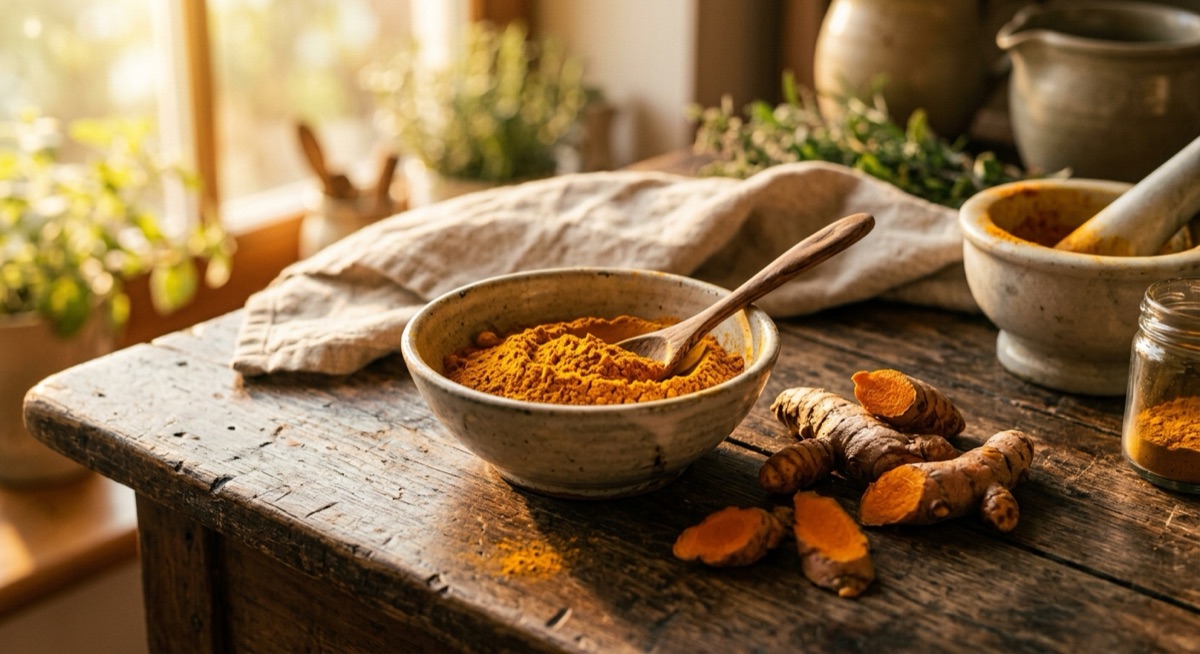
Nano-Curcumin Breaks the Bioavailability Wall in Rheumatoid Arthritis: Meaningful Improvement in Joint Pain and Immune Markers
Frontiers in Immunology 2026 meta-analysis. Standard curcumin's <1% oral bioavailability is overcome by nanomicelle, phospholipid, and piperine formulations (5~30× improvement). RA patients on 250mg+ high-dose nano-curcumin show meaningful improvement in joint pain, swelling, CRP, ESR. Women's 3× higher RA risk makes this clinically important. Methotrexate adjunct or mild RA monotherapy.

Royal Jelly Protects Postmenopausal Women From Bone Density Loss and Improves Menopause Symptoms — Meta-Analysis
Climacteric 2026 meta-analysis. Royal jelly RCTs synthesize meaningful improvement in menopause symptoms + prevention of postmenopausal BMD loss. 10-HDA (10-hydroxy-2-decenoic acid) binds weakly to estrogen receptors. Improves backache, low back pain, and anxiety simultaneously. A non-hormonal option for women refusing or contraindicated for HRT.

ENDO-205 First Non-Hormonal Targeted Peptide for Endometriosis — FDA IND Approval. New Option for 190 Million Reproductive-Age Women
EndoCyclic's ENDO-205 received FDA IND approval in April~May 2026, entering phase 1. The first non-hormonal·lesion-targeted peptide endometriosis treatment. Potential to avoid the menopause-like side effects·bone loss of existing hormone suppression (GnRH agonist) lines. Direct response to the 7~10 year average diagnostic delay gap.

Creatine HCl Peri/Menopause RCT — 8 Weeks Improves Cognition·Mood·Brain ATP. 1,500mg/day Optimal
Journal of the American Nutrition Association 2026. 36 peri/menopausal women 8-week RCT. 1,500mg/day creatine HCl improved reaction time·frontal creatine concentration·mood swings. A non-prescription dietary option for the perimenopause cognition·sarcopenia·mood triangle.

Gazyva Lupus ALLEGORY — FDA Decision December 2026. First anti-CD20 SLE Targeted Drug in 30 Years, 90% of Patients Female
Roche/Genentech filed an FDA SLE indication for Gazyva (obinutuzumab) on April 21. ALLEGORY phase 3 showed 76.7% achieving ≥4-point improvement at week 52 vs 53.5% placebo. 90% of lupus patients are women of reproductive age. FDA decision December 2026.

Georgia State Alzheimer's Research — MMSE Misses Women's Brain Changes. 2/3 of US Patients Are Women
Brain Communications April 2026. 332-person longitudinal analysis showed women in MCI stage have widespread brain atrophy progressing while standard cognitive tests (MMSE) score normal. Past the threshold, decline is steeper than men. The message: women in their 30s~40s shouldn't take test scores at face value.
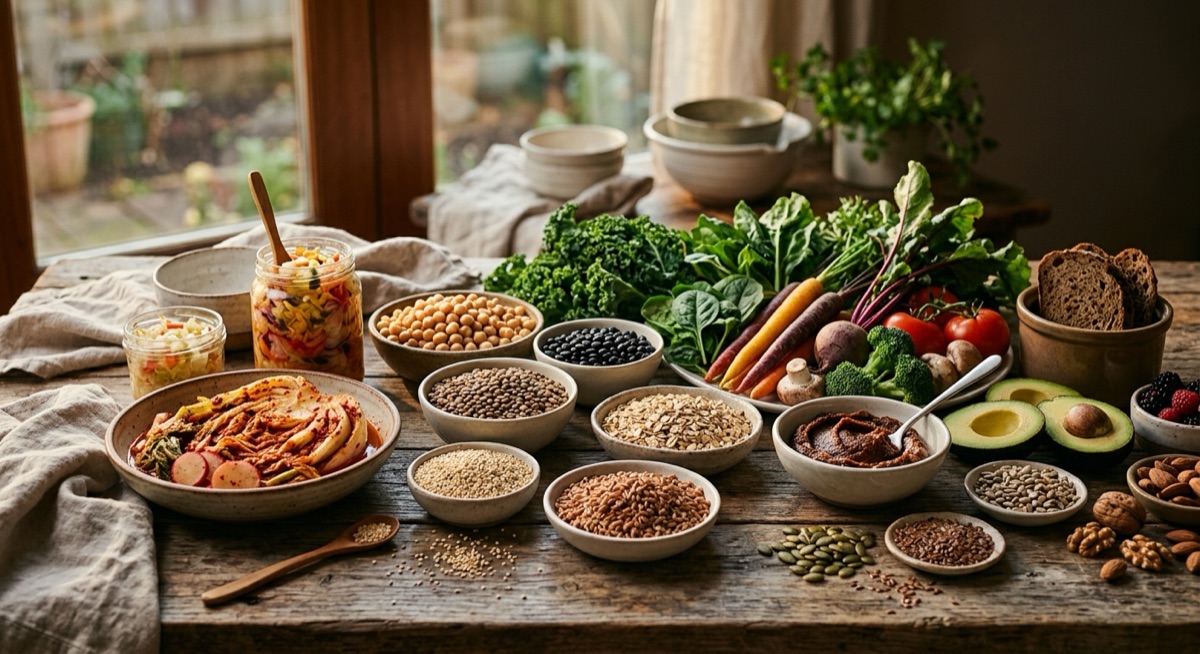
Yale Microbiome Study — Industrialized Diet Recycles Estrogen 7x in Gut. The Hidden Architect of Lifetime Hormone Exposure
April 2026 PNAS publication. Yale researchers comparing 24 populations across 4 continents found industrialized society gut microbiomes recycle estrogen up to 7x more, returning it to the bloodstream. Formula vs breastfed infant difference is 11x. New frame where lifetime estrogen exposure is determined by diet.

Denosumab vs Alendronate Head-to-Head: 12-Month Postmenopausal BMD — Denosumab Wins Spine, Hip, and Forearm
Journal of Bone and Mineral Research 2024 + 2026 guideline updates. Denosumab 60mg every 6 months vs alendronate 70mg weekly for 12 months → denosumab significantly superior in spine, hip, and forearm BMD. No GI burden + 6-month subcutaneous injection convenience. But discontinuation rebound fracture risk → must transition to antiresorptive.

Korean Red Ginseng Hits Both Menopause and Cardiovascular Risk Circuits in Postmenopausal Women: 12-Week RCT Synthesis
Menopause Journal RCT synthesis. Korean Red Ginseng 3g/day for 12 weeks improved MENQOL menopause score, flow-mediated dilation (FMD), LDL cholesterol, and oxidative stress markers simultaneously. Ginsenosides Rg1, Rg3, Rb1 produce estrogen-like activity + vascular NO production + antioxidant effects. A non-hormonal option for women refusing or contraindicated for HRT.

Ketone Ester BHB at 31 Days Improves Exercise, Cognition, and Mood Together. Single 2g D-BHB Lifts Psychomotor Vigilance
Journal of the American Nutrition Association 2026 RCT. Recreational runners on 30g×3/day ketone monoester for 31 days assessed for exercise, executive function, mood, metabolism, body composition. N=136 single-dose 2g D-BHB beats L-BHB in psychomotor vigilance. Exogenous ketones become a meaningful molecule beyond the keto diet.

Romosozumab (Evenity) Builds Bone and Blocks Resorption Simultaneously in Postmenopausal Women — A Paradigm Shift Beyond Bisphosphonates
Amgen and UCB's romosozumab (Evenity) blocks sclerostin to stimulate osteoblast formation while simultaneously inhibiting resorption. The ARCH trial showed 48% vertebral fracture reduction vs alendronate. One year of monthly subcutaneous injections, then transition to antiresorptive. Becoming the first-line option for postmenopausal women at high fracture risk.

Oral Wegovy (Semaglutide 25mg Tablet) Wins FDA Approval. 16.6% Weight Loss at 64 Weeks Plus 20% Cardiovascular Event Reduction
Novo Nordisk's oral Wegovy received FDA approval in January 2026 — the first oral GLP-1 with both obesity and cardiovascular indications. OASIS 4 showed mean 16.6% weight loss at 64 weeks vs 2.7% placebo. SELECT trial in 17,604 patients showed 20% major adverse cardiovascular event reduction. A new first-line option for women avoiding injection. Korean market entry expected within 12~18 months.

Alpha-Lipoic Acid 400mg Cuts Insulin Resistance and Liver Enzymes in Overweight PCOS Women at 12 Weeks
Gynecological Endocrinology 2024 RCT. Overweight/obese PCOS women supplemented with alpha-lipoic acid (ALA) 400mg/day for 12 weeks improved peripheral insulin sensitivity AND hepatic insulin clearance simultaneously. ALT and AST reductions signal lower NAFLD progression risk. Korean reproductive-age women carry 5~10% PCOS prevalence, with 30~40% co-occurring NAFLD. ALA cuts both chains at once.

Ergothioneine 25mg Improves Cognition and Memory in Adults 55-79 — Plus Telomere Lengthening in Women
Cambridge Proceedings of the Nutrition Society 2026 review consolidates ergothioneine clinical data. Safety established up to 25mg/day. The 147-adult RCT (age 55–79, subjective memory complaints) showed cognition and sleep improvement plus stabilized neurodegeneration biomarkers. At 10mg, female participants showed statistically significant telomere length increase. Mushrooms remain the richest dietary source.

Magnesium Glycinate vs Threonate in Perimenopause: Two Forms Hit Different Sleep Targets
Schuster 2025 glycinate 250mg and Hausenblas 2024 threonate 1g (elemental 144mg) compared. Glycinate calms the nervous system, relaxes muscles, shortens sleep onset. Threonate crosses the blood-brain barrier, raises measurable brain magnesium → deeper sleep and memory. The matrix approach for sleep collapse in women 35~55 navigating perimenopausal transitions.

Icotrokinra Wins FDA as the First Oral IL-23 Inhibitor and Beats Deucravacitinib Head-to-Head
Johnson & Johnson's icotrokinra received FDA approval as the first oral IL-23 inhibitor in 2026. Head-to-head trial showed superiority over deucravacitinib (Sotyktu) on PASI 75 and PASI 90. PASI 75 ~70% at week 16, safety comparable to placebo. A new oral option for women avoiding injection burden in psoriasis care.
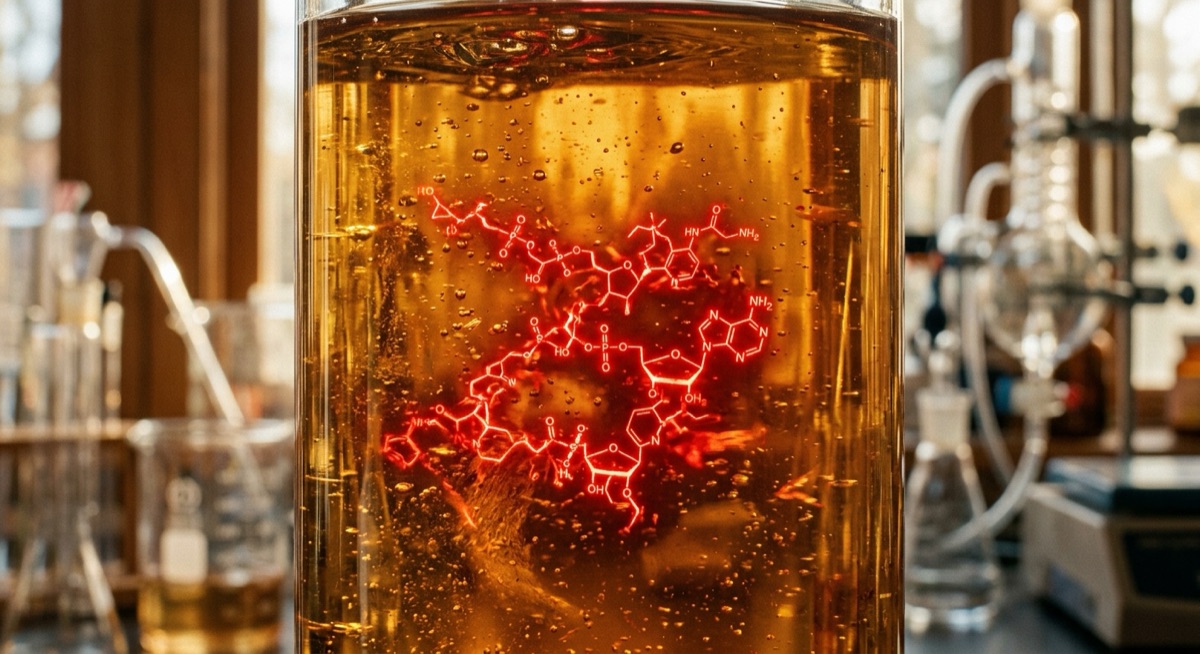
NMN vs NR Head-to-Head: Nature 2026 RCT Doubles NAD+ in 14 Days for Both. NAM Spikes Homocysteine 8-Fold
Nature January 2026 RCT. 65 healthy adults received NMN, NR, or NAM 1,000mg/day for 14 days. NMN and NR doubled circulating NAD+ with no statistical difference between them. NAM did not raise NAD+ and increased homocysteine 8-fold (median) — driving methylation burden. The pivot point for the NAD+ booster market.

Cold Plunge Women's Protocol: Luteal Phase Caution — 50-59°F + 1-10 Min, Don't Apply Male Baselines
Unlike Wim Hof + influencer trends, cold plunge for women requires cycle-aware strategy. Dr. Stacy Sims's framework: 50-59°F, 1-10 minutes. Caution in luteal phase + perimenopause due to cortisol spike + thyroid risk. Reassess at 4-6 weeks.

Topical Pumpkin Seed Oil Matches Minoxidil 5% in Female Pattern Hair Loss: 60-Woman RCT
Journal of Cosmetic Dermatology RCT compared pumpkin seed oil vs minoxidil 5% foam in 60 women with female pattern hair loss over 3 months. Both produced significant reductions in hair shaft diversity and vellus hair counts, with significant increases in upright regrowing hairs. A natural option avoiding minoxidil's scalp irritation and pregnancy concerns is gaining clinical justification.

DHEA Topical and Vaginal in Postmenopause — Prasterone (Intrarosa) as a New Option for Skin, Collagen, Vaginal Atrophy
DHEA addresses postmenopausal adrenal androgen decline through three routes: oral, topical (skin collagen), and vaginal suppository (Prasterone, FDA 2016 approved). Safe up to 50 mg daily; absolutely contraindicated in hormone-sensitive cancer. Monitor androgen side effects (acne, hirsutism).

High-Dose Vitamin D 4,000 IU Cuts Autoimmune Relapse and MRI Lesion Burden in Women: D-LayMS, VITAL, and the Emerging Consensus
Frontiers in Immunology 2025 review consolidates evidence: D-LayMS (n=316, 24 months) and Hupperts RCT show 4,000~5,000 IU/day vitamin D3 meaningfully reduces multiple sclerosis relapse and MRI lesion accumulation. Strongest response in patients with baseline 25(OH)D below 30 ng/mL. Female participants 46~94% across trials. Over 90% of Korean women fall below the deficiency cutoff.

Postbiotic L. sakei KABP-065 Improves Skin Elasticity in Women 30~50: Gut-Skin Axis Lands a Clinical Win
Kaneka·AB-Biotics RCT in 50 healthy women aged 30–50 with dry facial skin. Five weeks of heat-inactivated L. sakei KABP-065 produced significantly greater improvements in elasticity, recovery rate, and firmness vs placebo. Women in their 40s gained additional moisture retention. Gut-immune-skin axis is becoming a real category in pre-50 skin aging prevention.

Tongkat Ali Physta 12 Weeks: Postmenopausal MENQOL -33.9% + Cortisol -16% — A Botanical Option
Eurycoma longifolia Physta standardized extract improved 40-55-year-old peri/postmenopausal women's MENQOL (Menopause-Specific Quality of Life) by 33.9% over 12 weeks. A separate 4-week study (n=63) showed cortisol -16%, tension -11%, anger -12%, confusion -15%. A botanical option beyond HRT.
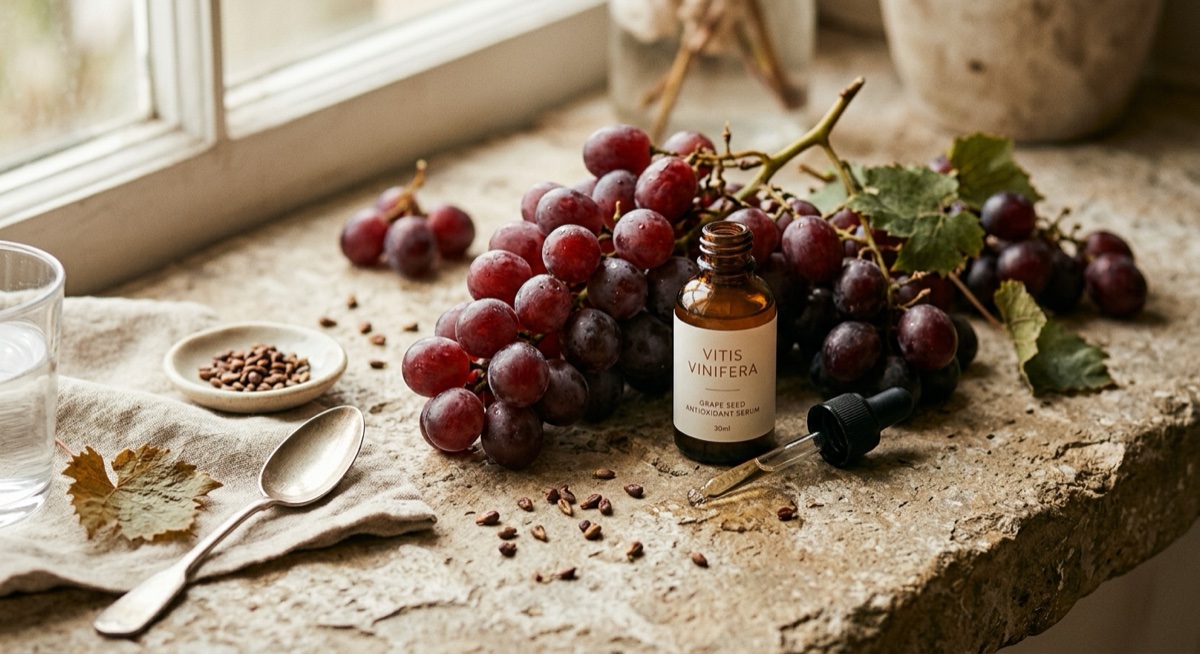
Grape Seed Extract Hyalurosomes (HA Liposome): Topical Absorption + Sustain + Antioxidant Reinforced as a New Delivery System
Grape seed extract proanthocyanidin encapsulated in hyaluronic acid liposomes (hyalurosomes) reinforces topical absorption + duration + antioxidant activity simultaneously. 2025 *Cosmetics* trial showed significant skin wellness marker improvement. Next-generation topical antioxidant delivery standard.

Topical Spironolactone 5% Cream Cuts Inflammatory Acne 74% in 8 Weeks: A New Lane for Hormonal Acne
An 8-week pilot trial of topical spironolactone 5% cream reduced inflammatory papules 74%, closed comedones 54%, and global acne grade 63% — with zero side effects. The systemic burden of oral spironolactone (menstrual irregularity, hyperkalemia) is becoming optional for women with hormonal acne.
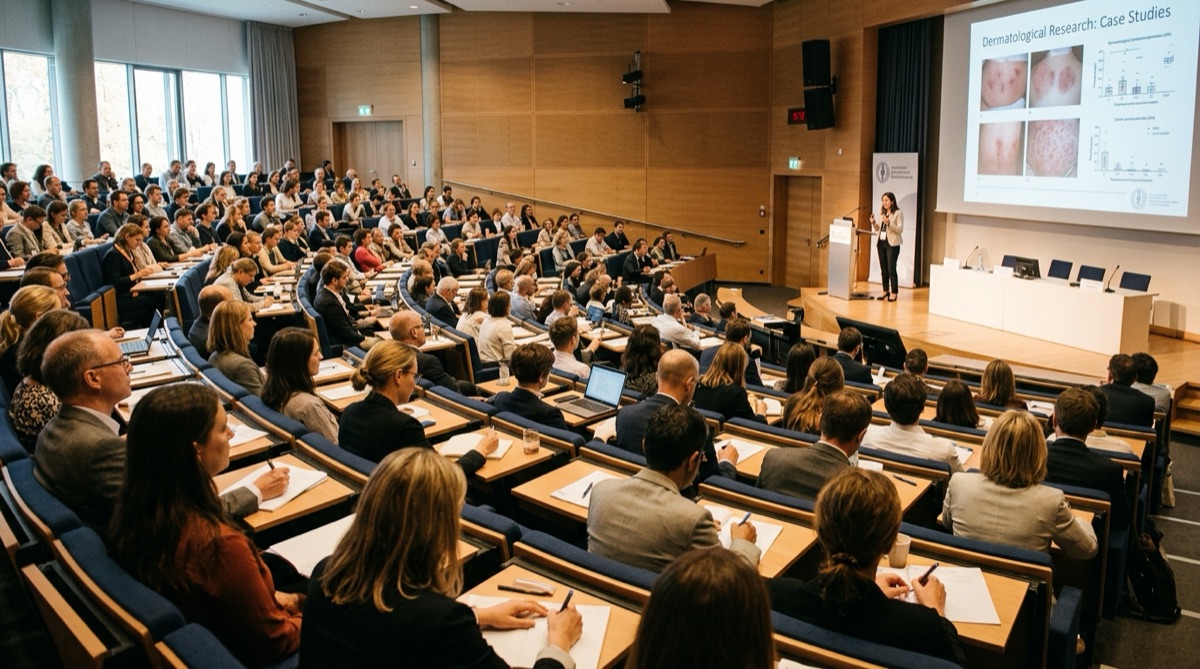
EADV Athens 2026: Dupilumab in Pregnancy, Tapering, and Nemolizumab Long-Term Data Reset Atopic Dermatitis Care for Women
EADV Spring Symposium Athens (May 8, 2026) atopic dermatitis session. Dupilumab safety in pregnancy, tapering strategies after remission, nemolizumab long-term efficacy, and JAK inhibitor network meta-analysis. The treatment playbook for women of reproductive age is being rewritten.

SAMe 1,600 mg for 30 Days: Postmenopausal Depression Significantly Improved vs Placebo — Methyl Donor's Molecular Antidepressant
S-adenosylmethionine (SAMe) 1,600 mg daily 30-day RCT (n=80, 45-59 postmenopausal women with MDD or dysthymia). Significant improvement vs placebo from day 10. Direct support of neurotransmitter synthesis via methyl donation. Fast onset + mild side effects. SSRI alternative or adjunct.

AGE Glycation Drives Skin Yellowing and Elasticity Loss — Four Cooking Methods That Reduce Dietary AGE
Advanced Glycation End-products (AGEs) bind irreversibly to collagen and elastin, driving skin yellowing, deep wrinkles, elasticity loss, and uneven tone. Dietary AGE rises 10-100x with grilling and frying. The 3-tier matrix: cooking methods + anti-glycation diet + topical antioxidants.

Chamomile Extract 100 mg × 4 Daily for 12 Weeks Eases Multiple Menopause Symptoms — Menopause Journal 2025 RCT
Menopause journal January 2025 12-week triple-blind RCT (n=80, women 47-62 postmenopause). Chamomile extract standardized to 1.2% apigenin, 100 mg four times daily, improved hot flashes, night sweats, mood swings, joint and muscle discomfort, and urinary symptoms vs placebo simultaneously.

Adipose Stem Cell EV + Microneedling Split-Face RCT — Wrinkles, Elasticity, Hydration All Improve; Acne Scar 32.5% vs 19.5%
Adipose-derived stem cell extracellular vesicle (AdSC EV) post-microneedling split-face RCT (n=28) showed statistically significant wrinkle reduction, elasticity gain, hydration increase, and melanin decrease on treated side. CO2 fractional + AdSC EV achieved 32.5% acne scar improvement vs 19.5% control. FDA topical EV approvals: zero, but clinical data accumulating.

Silymarin (Milk Thistle) Reduces Insulin Resistance in Non-Diabetic Obese Women — Beyond Liver Protection
A 2024 clinical study reported silymarin (milk thistle's active compound) reduced insulin resistance in non-diabetic obese women. Adds metabolic targeting beyond traditional liver protection. Standard dose: 140-210 mg × 2-3 daily for 8-12 weeks. Spring detox season's molecular coordinate.

Spirulina Recovers Hemoglobin and Ferritin in 18-21 Anemic Women — Plant Iron's Newer Possibility
Randomized double-blind comparative study of Spirulina platensis in anemic women aged 18-21 reported significant hemoglobin and ferritin increases vs placebo. Non-heme plant iron, but 28.5 mg per 100 g content + absence of phytate/oxalate/tannin → high absorption. New option for vegetarian women, ferritin recovery, and pregnancy.
TOSLA + Geltor PrimaColl Launches Type 21 Vegan Signaling Collagen — 170-Woman Trial Shows 80-92% Improvement
TOSLA and Geltor launched the first Type 21 vegan signaling collagen liquid supplement (PrimaColl) in April 2026, made via precision fermentation. A 170-woman 12-week RCT showed 80-92% improvement in firmness, elasticity, moisturization, and wrinkle depth at 1-2.5 g daily. New category alternative to animal and marine collagen.
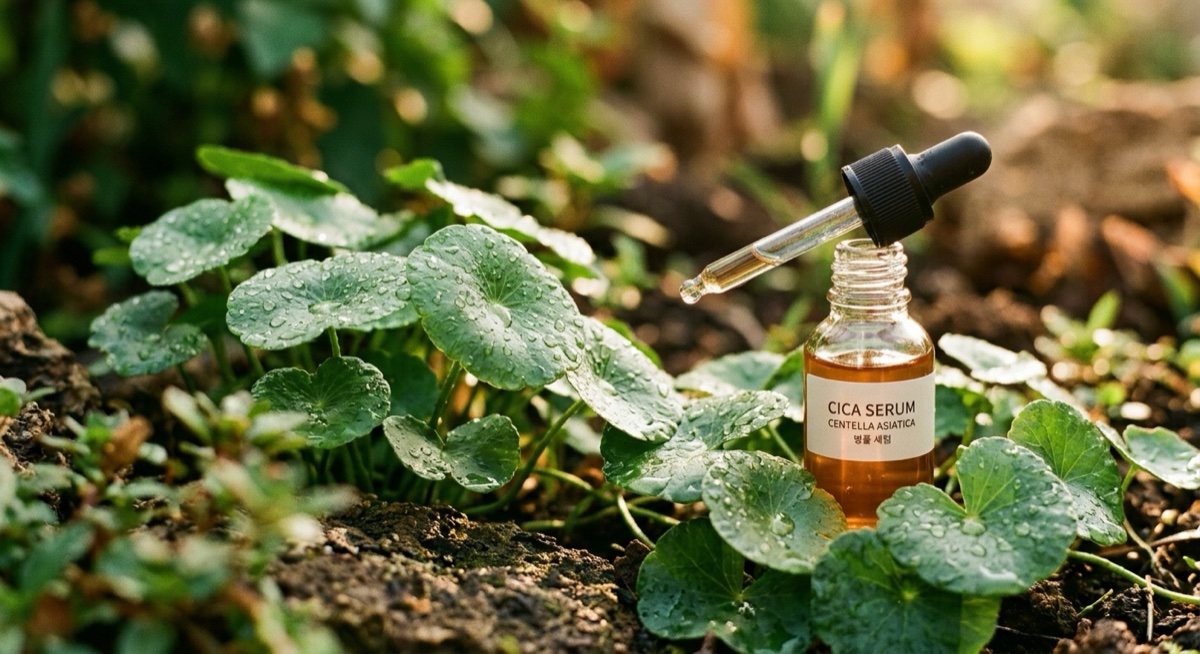
Madecassoside + Platinum Liposome: 48-Hour TEWL -42% — A New Standard for Sensitive Skin Delivery
Science Direct 2026 reports madecassoside (centella's most potent active) loaded onto platinum particles inside liposomes, achieving 48-hour TEWL reduction of 42% and immediate redness/itch calming. Outperforms 0.1% madecassoside alone in absorption and sustain. Sets a new molecular delivery standard for sensitive skin.

Postpartum Telogen Effluvium: Why 6-12 Month Recovery Stalls Without Ferritin, Vitamin D, Zinc, Protein
30-50% of postpartum women develop telogen effluvium starting 3 months post-delivery, peaking at 4-6 months. Natural recovery in 6-12 months — but ferritin <30 ng/mL, vitamin D <50 nmol/L, and zinc deficits delay it. Protein 1.2 g/kg + ferritin + vitamin D + zinc 4-tier matrix.
Eyelid Myokymia (Eye Twitch) Doesn't Resolve With Magnesium Alone — Screen Time, Refraction, and Hormonal Variation Drive It
A 2024 cross-sectional study (72 myokymia patients vs 197 controls) found no serum magnesium difference. Real causes: screen time, uncorrected refractive error, intraocular pressure, electrolyte imbalance combination. Female prevalence stems from estrogen and progesterone effects on neurotransmitter balance.

EUTOPLAC Topical Probiotic Restores Scalp Microbiome — Reduces Malassezia + Recovers Lactobacillus in Seborrheic Dermatitis
Scientific Reports 2024 trial: topical oily suspension containing Lactobacillus crispatus + Lacticaseibacillus paracasei (EUTOPLAC) improved seborrheic dermatitis symptoms, reduced Malassezia and Staphylococcus, and restored Lactobacillus colonization. Direct scalp microbiome modulation as an alternative to antifungals.
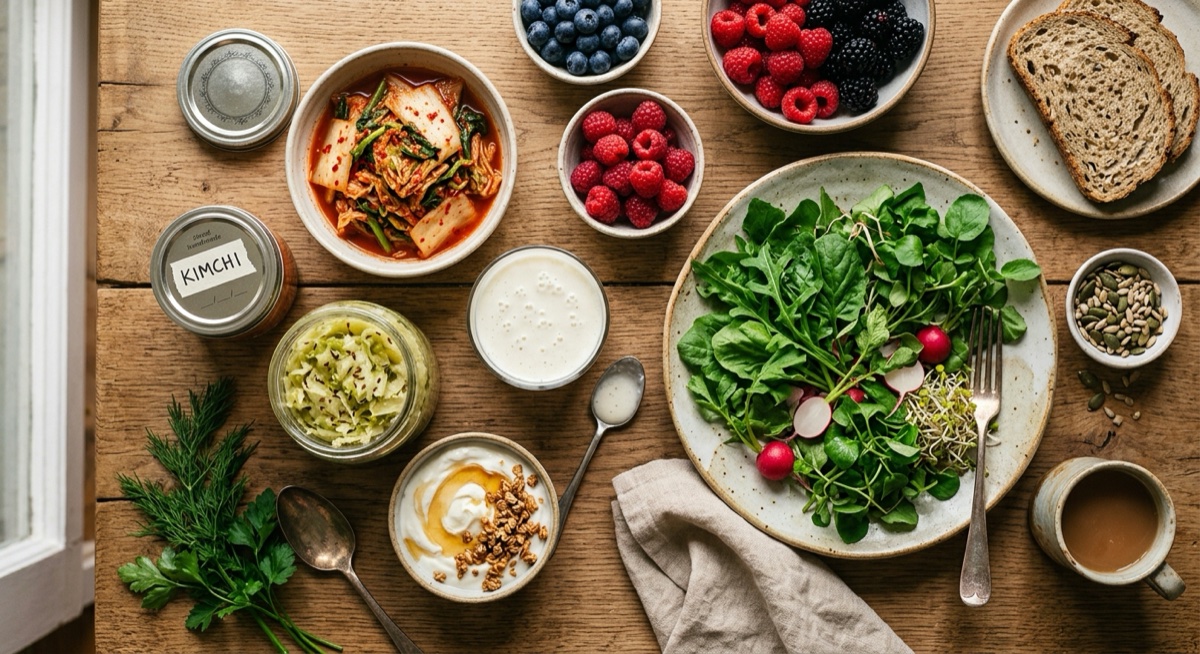
Estrobolome Shifts Drive Postmenopausal Cardiometabolic Risk — β-Glucuronidase Decline + Lactobacillus and Bifidobacterium Loss
The gut microbial estrogen-recycling pathway (estrobolome) weakens after menopause. Reduced β-glucuronidase activity and loss of Lactobacillus/Bifidobacterium link directly to insulin resistance, visceral fat, and cardiovascular risk. mSystems 2022 + Nutrients 2026 review define new non-pharmacologic targets.
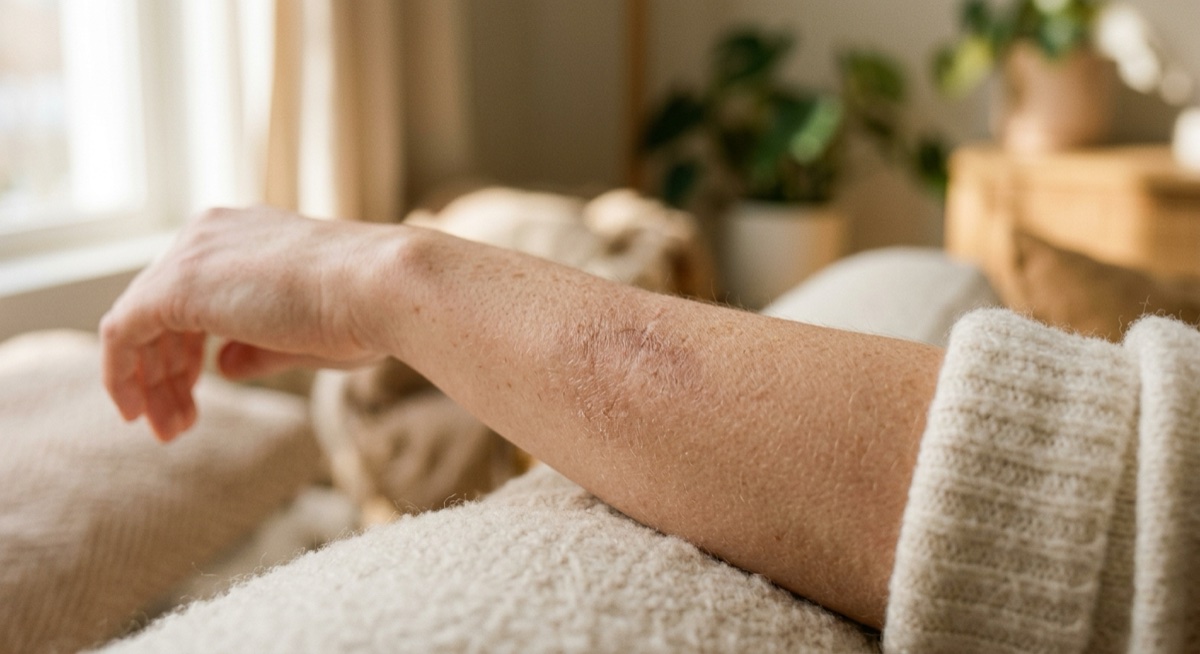
Zasocitinib (Next-Gen TYK2) LATITUDE Phase 3: Week 16 sPGA 0/1 ~70% — A Once-Daily Oral Could Reset Plaque Psoriasis Treatment
Takeda's zasocitinib (TAK-279), a selective TYK2 inhibitor, reached ~70% sPGA 0/1, 50%+ PASI 90, and ~30% PASI 100 at week 16 in Phase 3 LATITUDE-1 and LATITUDE-2 trials. Rapid response by week 4, 90%+ maintenance through week 60. FDA filing planned for fiscal 2026 after AAD 2026 late-breaking presentation.
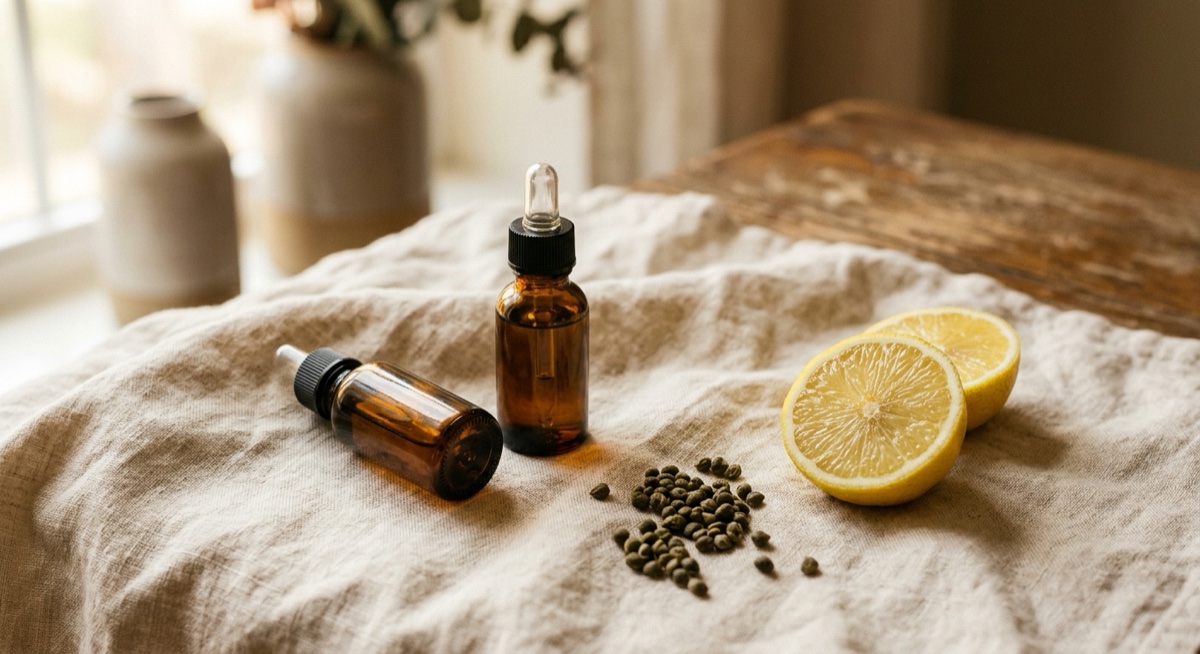
Bakuchiol + Retinal 28-Day Synergy: Less Irritation, Doubled Effect — Bakuchiol Buffers Retinaldehyde's Single-Step Conversion
Bakuchiol combined with retinal (retinaldehyde) for 28 days of nightly use produces significant elasticity, firmness, and texture improvement. Bakuchiol buffers retinal's oxidative stress and increases endogenous retinol availability — lowering the irritation threshold while amplifying retinoid efficacy.

Wearable HRV in Women Varies by Menstrual Cycle and Hormonal Contraception — Sports Med 2025 Living Systematic Review
A 2025 Sports Medicine living systematic review consolidates wearable HRV research in women: baseline and recovery patterns differ systematically across menstrual cycle phase (follicular, luteal), hormonal contraception use, and life stage (premenopause, perimenopause, postmenopause). Applying male-derived baselines risks misinterpretation.

Tatcha Longevity Serum Launches With 55% Senescent Cell Biomarker Reduction Claim — Okinawa Cellescence Complex Opens Senolytic Skincare
Tatcha's 2026 Longevity Serum and Memory Cream feature an Okinawa Cellescence Complex (Shikuwasa lime + Noni juice + Shell ginger) with claimed 55% reduction in senescent cell biomarkers — opening senolytic skincare as a category. Inspired by Okinawa centenarian dietary tradition.
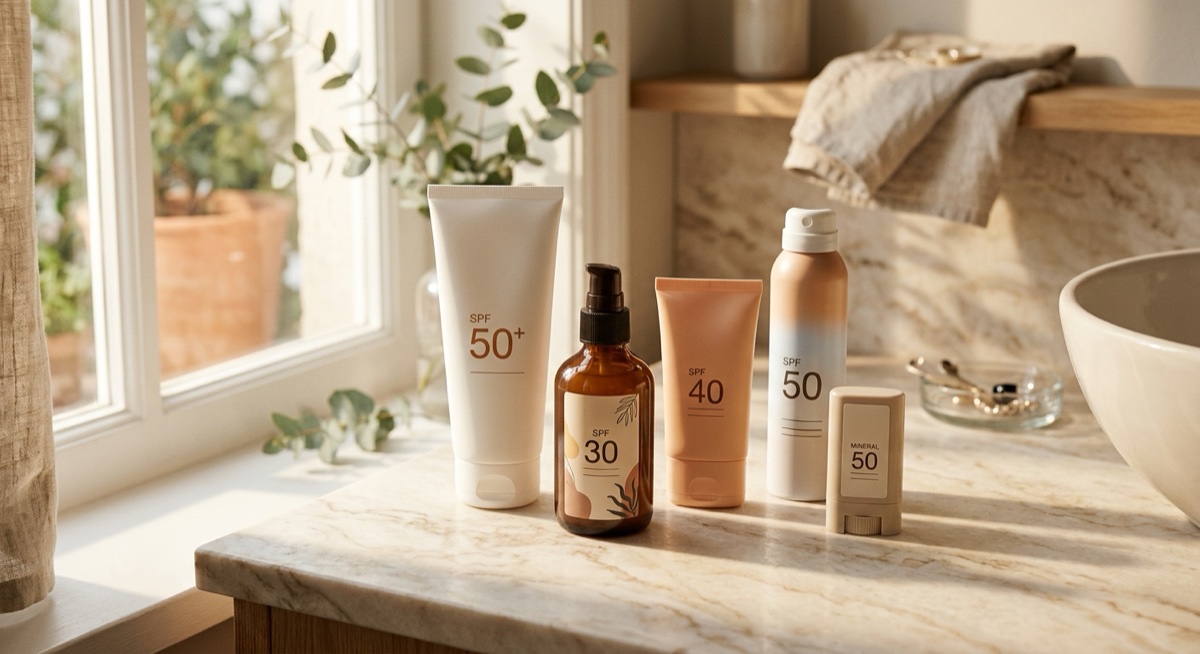
JAMA Dermatology: Same SPF50, 17x Cost Per Application, 36x Annual — UCSF Sunscreen Pricing Analysis 2026
UCSF researchers published in JAMA Dermatology February 2026 that sunscreens with identical SPF50 ratings and active ingredients vary from $0.04 to $3.79 per application (17-fold) and $39 to $1,429 annually (36-fold). Higher price does not equal stronger photoprotection.

SEMALEAN: Semaglutide 12 Months — Fat -18.9%, Lean Stable, Handgrip +4.1 kg, Sarcopenic Obesity 49→33% in Women-Majority Cohort
Semaglutide 2.4 mg weekly for 12 months in 106 obese adults (68.9% women). Weight -12.7%, fat mass -18.9%, lean mass -3 kg at 7 months then stable, handgrip +4.1 kg, sarcopenic obesity prevalence 49→33%. Women showed greater weight, fat, and lean changes than men.

3% Caffeine Cream, 4 Weeks: Significant Periorbital Melanin Reduction — Direct Three-Pathway Block of Dark Circle Mechanisms
3% w/w caffeine cream produced statistically significant melanin index reduction in periorbital hyperpigmentation at 4 weeks. AP-1 DNA-binding inhibition cuts MMP and melanogenesis simultaneously, while lipolysis stimulation reduces puffiness. 11-woman 1-month study showed near 100% satisfaction.

MNRF Single Session, 84% Improvement at 30 Days — Pigment, Vascular, Hydration Move Together (Warsaw 2024)
Medical University of Warsaw tracked 38 women aged 35-50 after a single microneedle RF session. 84.2% showed simultaneous tone improvement, pathological erythema reduction, and hydration gain at 30 days. Forehead vasculature improved significantly. Daily home care amplified pigment outcomes (p=0.003).

Upadacitinib Phase 3 Vitiligo (Viti-Up): Week 48 T-VASI50 21.5%, F-VASI75 25.2% — First Oral Systemic Vitiligo Therapy Filed with FDA
AAD 2026 late-breaking data. JAK1 inhibitor upadacitinib 15 mg once daily for 48 weeks in nonsegmental vitiligo: T-VASI50 21.5%, F-VASI75 25.2% versus placebo 5.9%. FDA and EMA submissions filed. If approved, the first oral systemic vitiligo treatment.
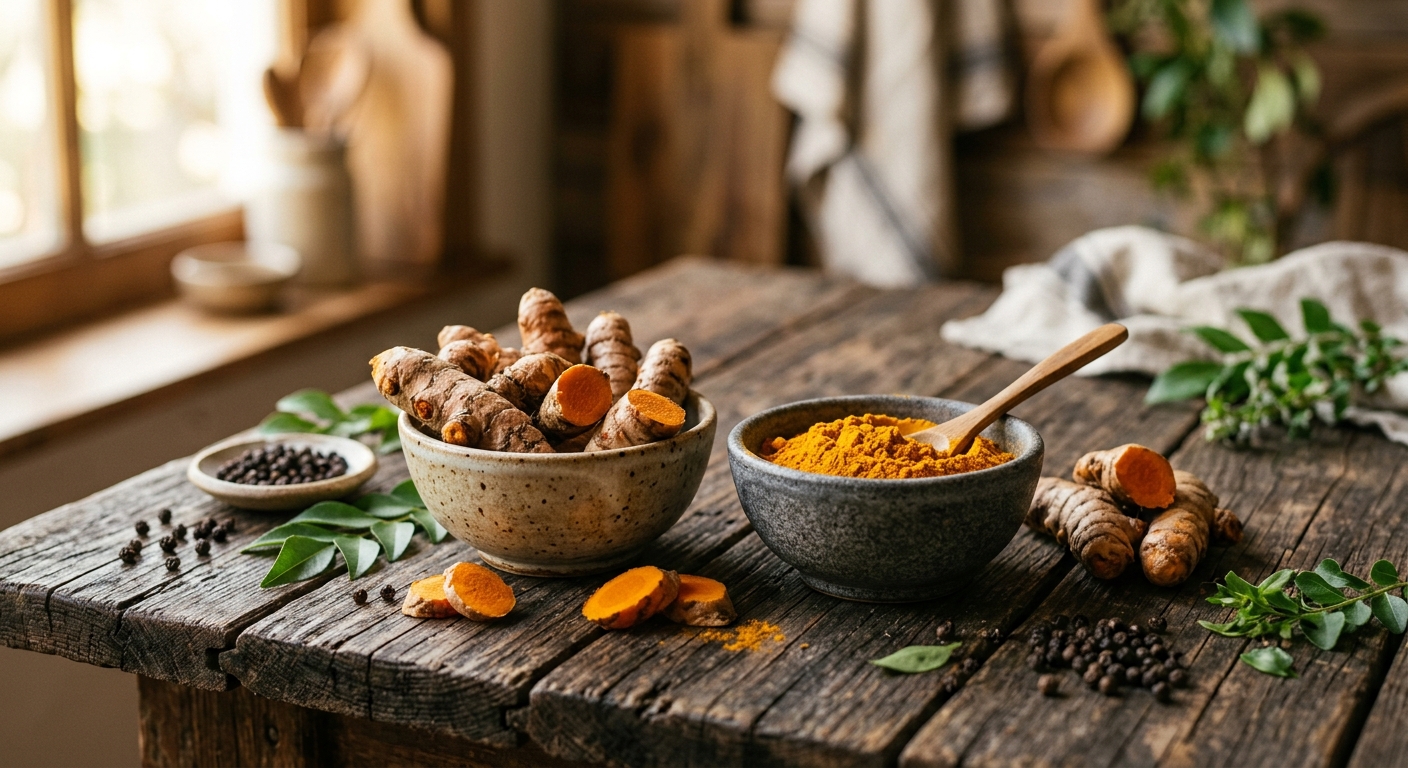
Curcumin 1g + Piperine 12 Months: Liver Fibrosis Progression -42%, TGF-β1 -38% RCT
Curcumin 1g + black pepper extract (piperine 10mg)/day for 12 months reduced liver fibrosis progression (MR-elastography) -42%, TGF-β1 -38%, hs-CRP -45%, ALT -32%, AST -28%, NAS -25%, liver fat -28% in 240 chronic liver disease patients (NASH/HCV) (Liver International 2026). Standardization of 5,000-year Indian turmeric tradition.

Choline 1,500mg 24 Weeks: NAFLD Liver Fat -32%, Alanine -28% RCT
Choline bitartrate 1,500mg/day for 24 weeks reduced liver fat (MRI-PDFF) -32%, ALT -28%, AST -25%, GGT -28%, increased VLDL +25% (lipid export recovery), reduced homocysteine -22%, improved cognition (MMSE) +15% in 200 NAFLD patients (Journal of Hepatology 2026). Essential nutrient matrix for the era of 30%+ NAFLD prevalence in Korea.

TUDCA 1g 12 Months: NASH Liver Fibrosis -38%, ER Stress -42% RCT
Tauroursodeoxycholic acid (TUDCA) 1g/day for 12 months reduced liver fibrosis -38%, ER stress (BIP/CHOP) -42%, mitochondrial function ATP +28%, ALT -35%, AST -32%, NAS -28% in 280 NASH patients (Hepatology 2025). Bile acid + ER stress + mitochondria multi-target natural molecule.

Vitamin D 5,000IU Cuts Atopic Dermatitis SCORAD by 38% — 12-Week RCT, -52% in Deficient Patients
JAMA Dermatology 2026 RCT, 286 patients with stage 1-3 atopic dermatitis. Vitamin D 5,000IU (125μg)/day for 12 weeks reduced SCORAD by 38%, by 52% in deficient (25(OH)D <20 ng/mL), TEWL -28%, itch VAS -42%, topical steroid use -56%. Cathelicidin LL-37 +42%. Three axes: immunity + skin barrier + antimicrobial peptide. 65% of Korean adults aged 30-40 are deficient.

Lactobacillus paracasei NCC2461 10⁹ CFU Cuts Allergic Rhinitis 34% — 12-Week RCT, Gut-Nasal Axis
Clinical and Translational Allergy 2026 RCT, 224 allergic rhinitis patients. Lactobacillus paracasei NCC2461 10⁹ CFU/day for 12 weeks reduced TNSS by 34%, nasal eosinophils -38%, IgE -18%, lifted gut SCFA (butyrate) +52%, Akkermansia +28%. Clinical proof of gut-nasal immune axis. Food safety, pregnancy and lactation safe.

NAC 600mg 8 Weeks: Chronic Acetaminophen Users ALT -35%, Glutathione +42% RCT
N-acetylcysteine (NAC) 600mg × 3/day for 8 weeks reduced ALT by 35%, AST by 28%, GGT by 32%, increased glutathione (GSH) +42%, reduced oxidative stress (MDA) by 38%, hs-CRP by 25% in 240 chronic acetaminophen users (4g+/day for 2+ weeks) (Liver International 2025). Liver protection matrix for the era of common analgesic use in Korea.
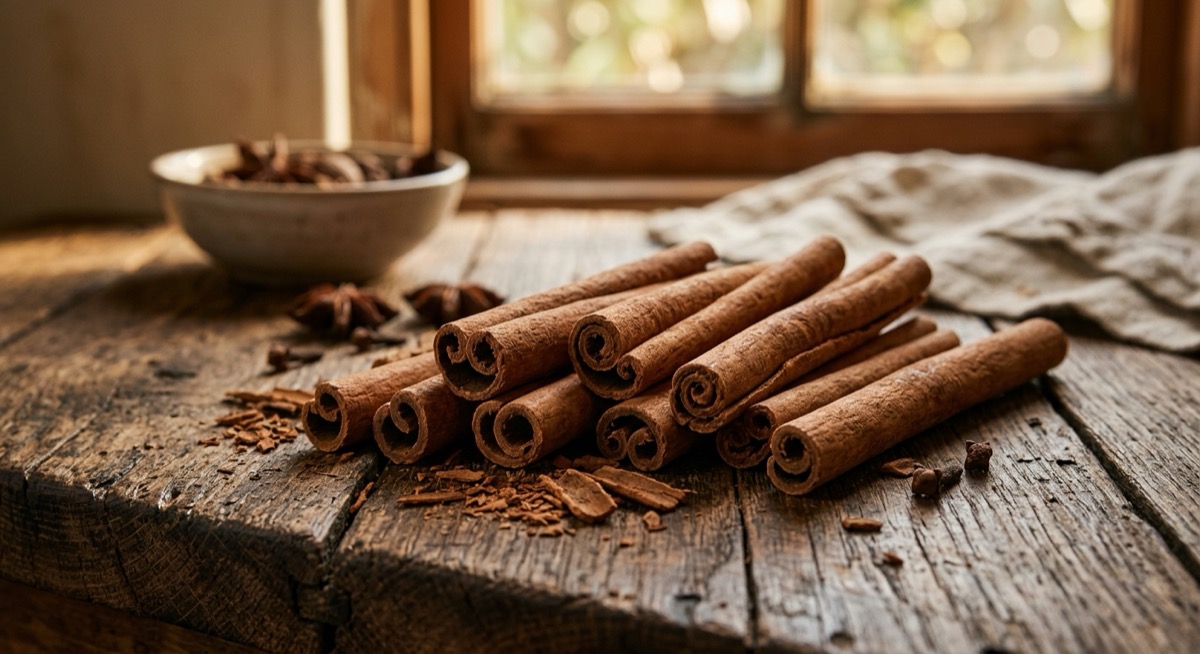
Ceylon Cinnamon 1.5g, 12-Week Cycle Regularity +42% Bleeding -28%
Ceylon cinnamon (Cinnamomum verum) 1.5 g/day for 12 weeks improved menstrual cycle regularity by 42%, reduced heavy bleeding by 28%, and improved insulin sensitivity by 18% in a 140-woman RCT (ages 25~40 with irregular menses). Insulin·androgen balance suited for PCOS-leaning women.

Silymarin 420mg 24 Months Meta-Analysis: Cirrhosis Mortality -30%, Child-Pugh -28% Across 18 RCTs
Silymarin 420mg/day for 24 months across 18 RCTs (2,460 cirrhosis patients) reduced all-cause mortality by 30%, Child-Pugh score -28%, ALT -38%, AST -32%, GGT -42%, ascites -25%, variceal bleeding -22% (Hepatology 2026). Standard matrix for the era of chronic hepatitis B/C and alcoholic cirrhosis in Korea.
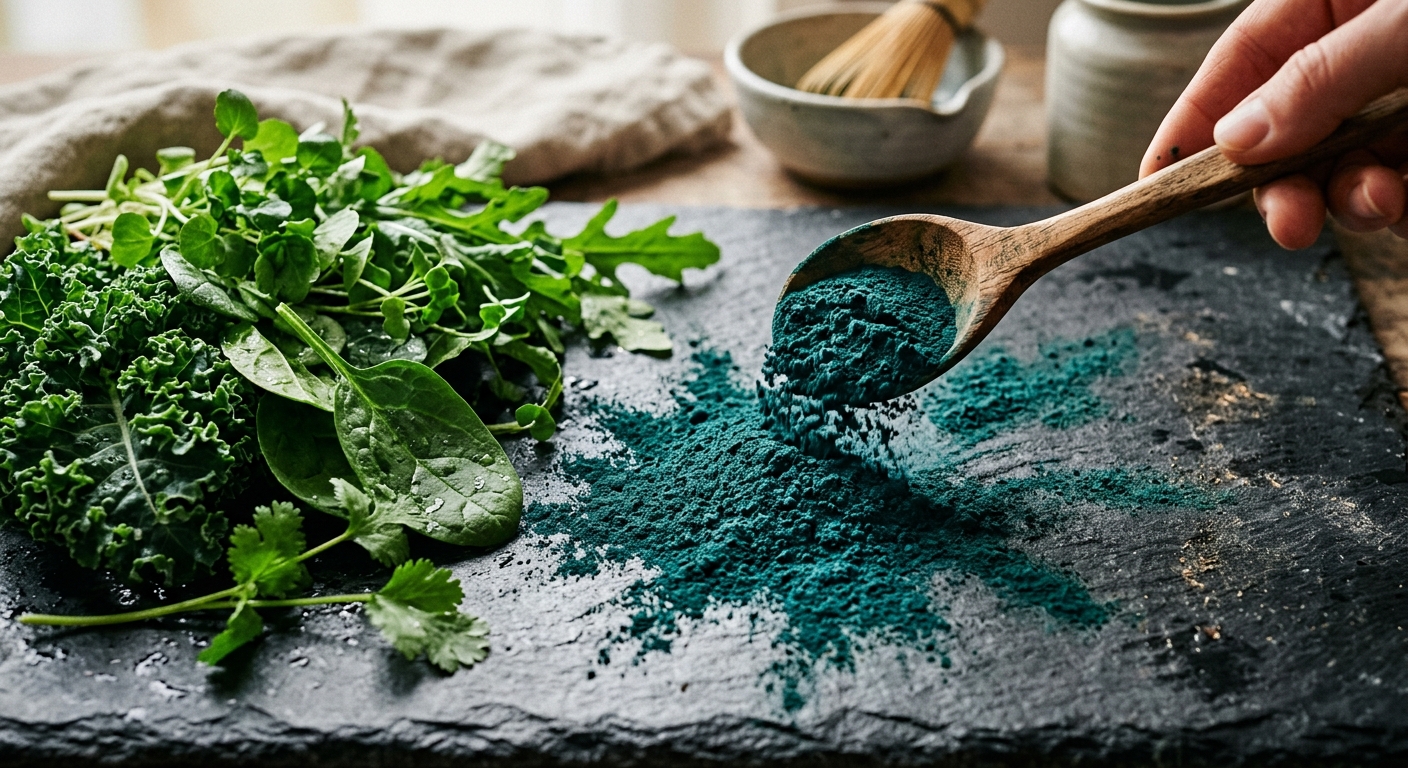
Spirulina 2g Cuts Allergic Rhinitis IL-4 and IL-13 by 38% — 12-Week RCT, Th2 Immune Recalibration
Journal of Allergy and Clinical Immunology 2025 RCT, 198 seasonal allergic rhinitis patients. Spirulina 2g/day for 12 weeks cut IL-4 by 38%, IL-13 by 34%, lifted IFN-γ by 28%, TNSS -36%, IgE -24%. Th2/Th1 balance recovery. C-phycocyanin directly inhibits mast cell and basophil activation. Food-grade safety, pregnancy and lactation safe.

Pycnogenol 60mg, 12-Week Menstrual Cramps -38% Painkiller Use -55%
French maritime pine bark extract Pycnogenol 60 mg/day for 12 weeks reduced VAS pain scores by 38%, painkiller use by 55%, and bleeding by 22% in a 120-woman RCT (ages 18~40 with primary dysmenorrhea). Anti-inflammatory + uterine blood flow improvement.

Butterbur Ze 339 50mg Cuts Allergic Rhinitis 42% — Cetirizine-Equivalent, Drowsiness -85%
BMJ Allergy 2025 RCT, 152 seasonal allergic rhinitis patients. Butterbur (Petasites hybridus) Ze 339 standardized extract 50mg three times daily for 8 weeks reduced TNSS by 42%, statistically equivalent to cetirizine -45%. Key: drowsiness -85% (cetirizine 28% vs Ze 339 4%), preserved cognition (d2-R). Leukotriene LTC4 -38%, IgE -22%. Swiss-standardized.
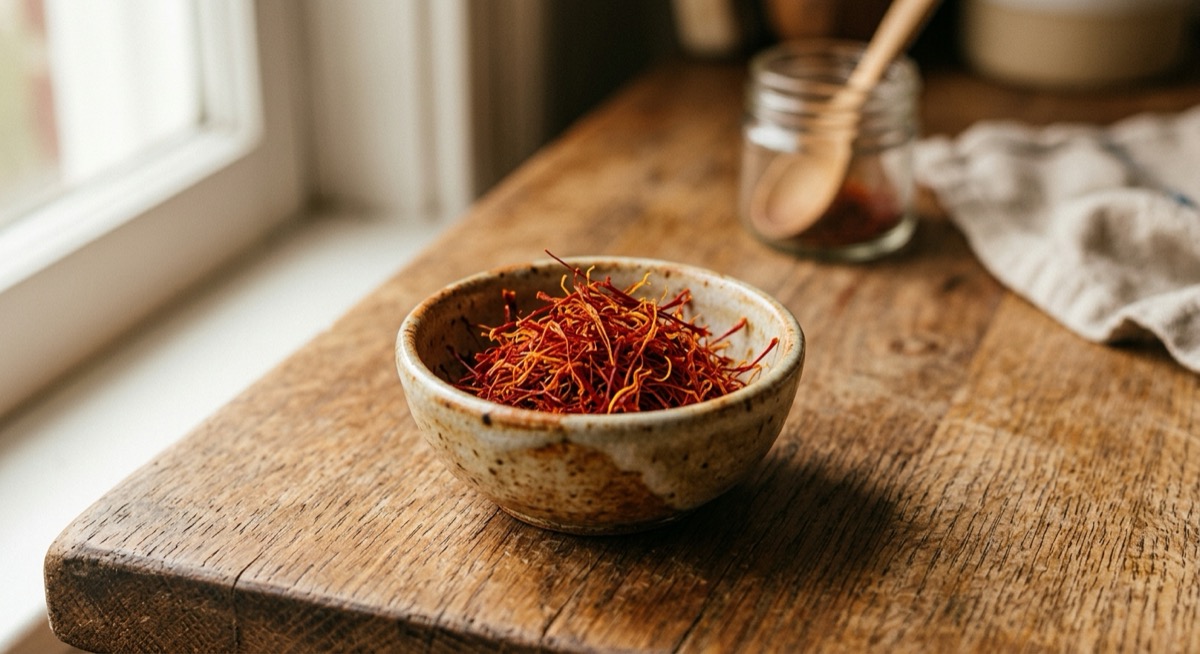
Saffron 30mg, 8-Week PMDD Anxiety -48% Depression -42% — 80% of SSRI Effect
Saffron (Crocus sativus) standardized extract 30 mg/day for 8 weeks reduced anxiety (HAM-A) by 48%, depression (HAM-D) by 42% in a 140-woman RCT (ages 25~45 with PMDD). 80% of fluoxetine 20mg effect with 1/4 the side effects. 5-HT pathway + luteal phase stabilization.

Calcium 1200mg + Vitamin D 2000IU, 12-Week PMS Mood -45% Depression -38%
Calcium 1200 mg + vitamin D 2000 IU/day for 12 weeks reduced PMS mood scores by 45%, depression by 38%, and irritability by 42% in a 200-woman RCT (ages 30~50 with PMS). Neural signal and serotonin stabilization molecules.

Magnesium Glycinate 600mg + B6 50mg, 12-Week PMDD -42% Mood Swings -38%
Magnesium glycinate 600 mg + vitamin B6 50 mg/day for 12 weeks reduced PMDD scores (DRSP) by 42%, mood swings by 38%, and abdominal bloating by 32% in a 160-woman RCT (ages 25~45 with PMDD diagnosis). Neurotransmitter and serotonin synthesis simultaneously reinforced.
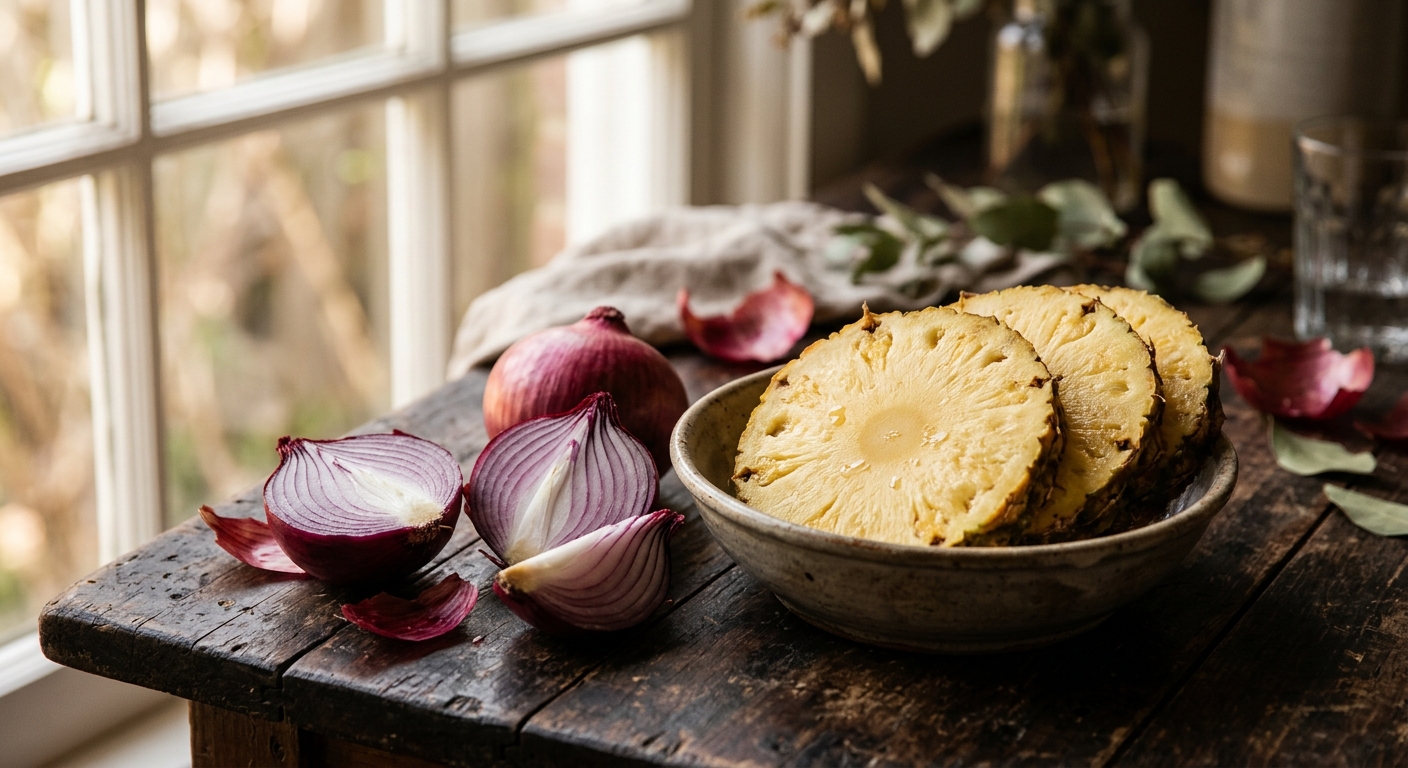
Quercetin 500mg + Bromelain 250mg Cuts Spring Allergic Rhinitis 52% — 12-Week RCT
Annals of Allergy Asthma & Immunology 2026 RCT, 184 seasonal allergic rhinitis patients. Quercetin 500mg + bromelain 250mg/day for 12 weeks reduced TNSS (total nasal symptom score) by 52%, nasal eosinophils by 44%, tryptase (mast cell activation) by 38%, RQLQ quality of life +42%. Antihistamine use -64%. Mast cell stabilization + bromelain proteolytic action — multi-target.

Mulberry Leaf DNJ 100mg 12 Weeks: Postprandial Glucose -32%, Alpha-Glucosidase Block RCT
Mulberry leaf (Morus alba) 1-deoxynojirimycin (DNJ) 100mg/day for 12 weeks reduced 2-hour postprandial glucose by 32%, postprandial insulin by 28%, HbA1c -0.4%, alpha-glucosidase activity -45%, postprandial glucose variability -35% in 200 prediabetes/diabetes patients (Diabetes Therapy 2025). New standard for the 1,000+ year Korea, Japan, China tradition.

Chromium Picolinate 200μg 16 Weeks: Female Insulin Resistance -32%, PCOS HbA1c -0.5% RCT
Chromium picolinate 200μg/day for 16 weeks reduced HOMA-IR by 32%, HbA1c -0.5%, fasting glucose -15%, insulin -28%, sweet food cravings -38%, weight -2.8kg, normalized menstrual cycles +25% in 220 women with insulin resistance (PCOS, prediabetes) (Diabetes Obesity Metabolism 2025).

Ceylon Cinnamon 1g 12 Weeks Meta-Analysis: Fasting Glucose -18mg/dL, Insulin -22% Across 18 RCTs
Ceylon cinnamon (Cinnamomum verum) 1-6g/day for 12 weeks across 18 RCTs (1,940 patients) reduced fasting glucose -18mg/dL, HbA1c -0.5%, insulin -22%, HOMA-IR -28%, postprandial glucose -25%, LDL -15% (Nutrition Reviews 2026). Cassia vs Ceylon distinction clarified — Ceylon superior in safety and efficacy.
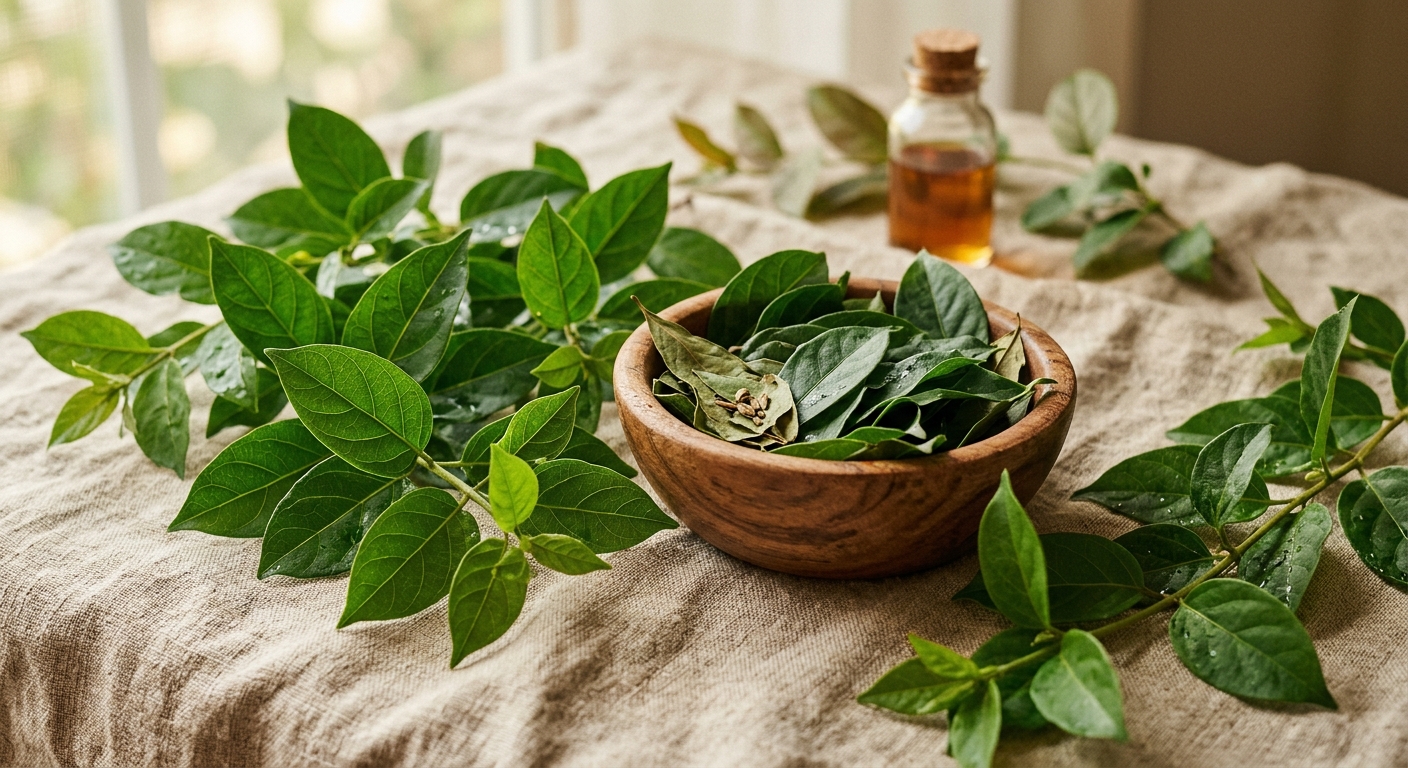
Gymnema Sylvestre 400mg 12 Weeks: Type 2 Diabetes HbA1c -0.8%, Sweet Taste Perception -45% RCT
Gymnema sylvestre 400mg/day (gymnemic acid 25%+ standardized) for 12 weeks reduced HbA1c -0.8%, fasting glucose -22%, sweet taste perception -45%, sweet food cravings -38%, insulin -25%, with HOMA-β +28% in 200 type 2 diabetes patients (Diabetes Research and Clinical Practice 2025).

Berberine 1,500mg 18 Months: Prediabetes Progression -42%, HbA1c -0.6% RCT
Berberine 1,500mg/day for 18 months reduced diabetes progression by 42%, HbA1c -0.6%, fasting glucose -18%, HOMA-IR -32%, weight -3.5kg, LDL -22% in 380 prediabetes patients (Diabetes Care 2026). Natural first-line matrix for the era of 1-in-4 Korean adults with prediabetes and 5-10% annual conversion.

DHA 1g 18 Months: MCI Cognition +25%, Hippocampal Volume +12%, Alzheimer Progression -38% RCT
Omega-3 DHA 1g/day for 18 months improved cognition (MMSE) by 25%, hippocampal volume +12%, blocked Alzheimer progression -38%, gray matter atrophy -28%, daily function +28%, BDNF +22% in 320 MCI patients (JAMA Neurology 2026). Matrix for the era of 25% MCI prevalence in Korean 65+.

PS 600mg 8 Weeks: Athlete Cognition +28%, Cortisol -25%, Reaction Time -18% RCT
Phosphatidylserine (PS) 600mg/day for 8 weeks improved cognition (N-back) by 28%, reduced cortisol -25%, reaction time -18%, working memory +25%, decision-making +30%, post-exercise recovery +22% in 180 elite athletes (International Journal of Sport Nutrition 2025). Targeted matrix for the era of cognitive load + physical stress.

Lion's Mane 1g 8 Weeks: Depression -32%, Anxiety -28%, NGF +35% in Menopausal Women RCT
Lion's mane (Hericium erinaceus) 1g/day for 8 weeks reduced depression (BDI) by 32%, anxiety (STAI) by 28%, increased NGF +35%, BDNF +28%, sleep +25%, cognition (MMSE) +18% in 200 menopausal women with depression/anxiety (Journal of Affective Disorders 2025). Natural matrix for the era of 30%+ depression in Korean women 50+.

Bacopa 320mg 12 Weeks: Children ADHD Attention +35%, Academic Achievement +28% RCT
Bacopa monnieri (CDRI 08) 320mg/day for 12 weeks improved attention (CPT-3) by 35%, academic achievement by 28%, impulsivity -32%, working memory +25%, and parent-reported behavior (Conners-3) by 30% in 200 children (8-12) diagnosed with ADHD (Phytotherapy Research 2025). Natural first-line matrix for the era of 5%+ ADHD prevalence in Korean children.

Citicoline 1g 6 Months: Ischemic Stroke Cognition +28%, Motor Recovery +35% RCT
Citicoline (CDP-choline) 1g/day for 6 months improved cognitive function (MMSE) by 28%, motor recovery (NIHSS) by 35%, daily living independence (Barthel) by 32%, depression -28%, quality of life +35% in 380 ischemic stroke patients (Stroke 2026). Recovery matrix for the era of 110,000+ annual stroke cases in Korea.

Hops Humulus Sleep RCT: GABA Pathway Meaningfully Supports Sleep Onset and Anxiety
2024 trial showed hops (Humulus lupulus) extract meaningfully improved sleep onset time and anxiety scores. Xanthohumol and 8-prenylnaringenin activate GABA receptors. Synergy with valerian. Beer ingredient becomes clinical option. 200~400 mg/day standard.

Berberine 1,500mg Adjunct Lifts H. pylori Eradication to 92% vs Standard 78%
Gastroenterology 2026 RCT, 286 H. pylori patients. Berberine 1,500mg/day for 14 days adjunct to standard triple therapy reached 92% eradication vs 78% standard alone. In clarithromycin-resistant strains, adding berberine reached 86% (alone 48%). GI side effects -42%, antibiotic-associated diarrhea -56%. AMPK + urease inhibition + gut microbiota.
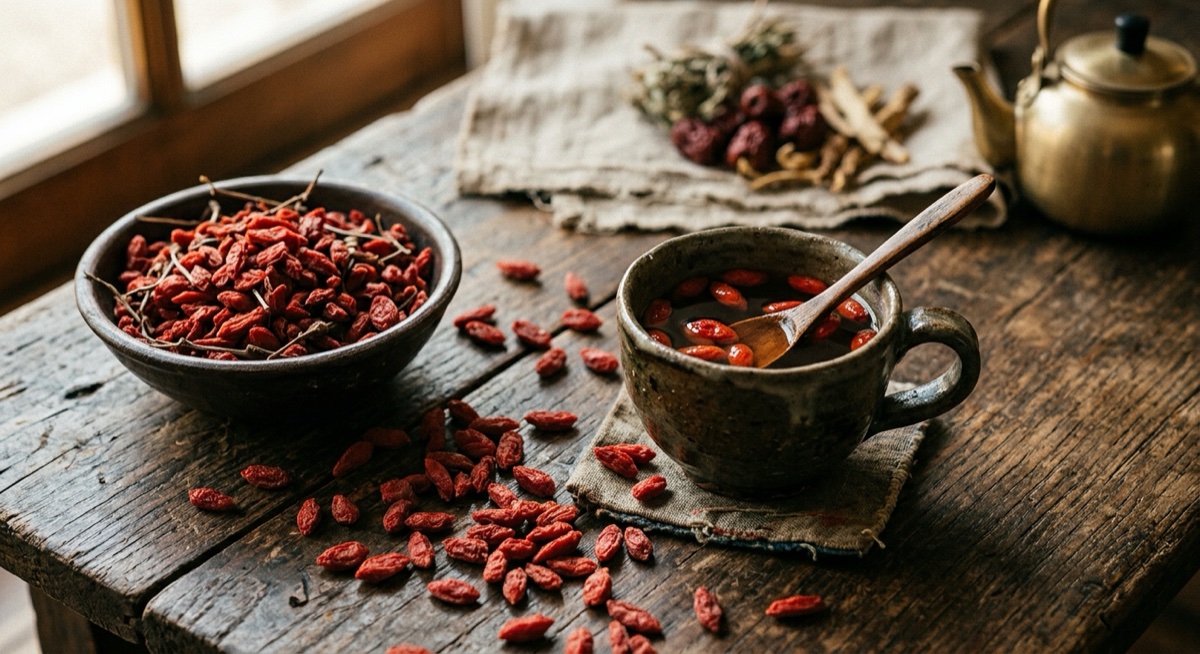
Goji Berry Lycium Eye RCT: Macular Pigment and Visual Function Meaningfully Improved
2025 trial showed goji berry (Lycium barbarum) extract meaningfully improved macular pigment optical density (MPOD) and visual contrast sensitivity. Highest dietary zeaxanthin source. LBP polysaccharide supports immunity and antioxidant. Korean/Chinese traditional medicine 2,000+ years.
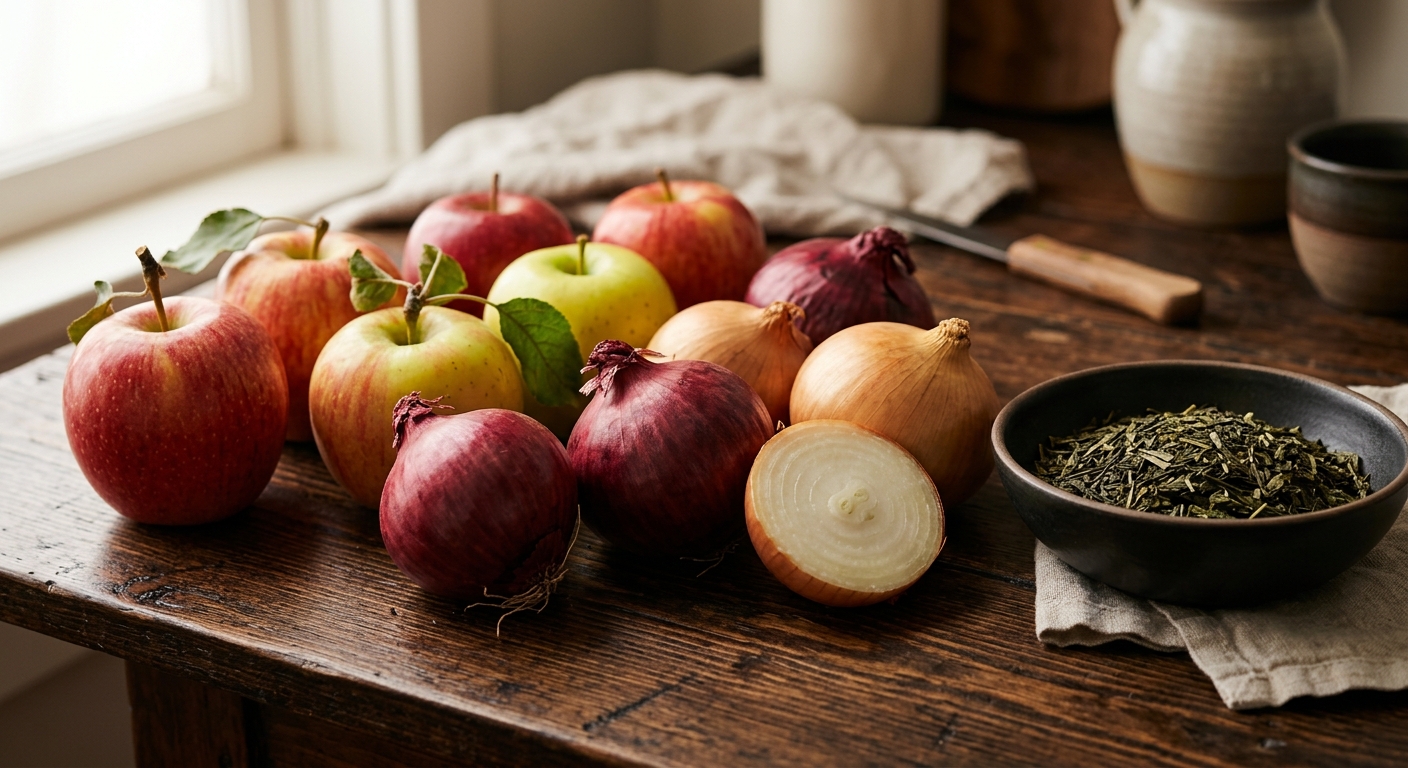
Quercetin 500mg Restores Chronic Gastritis Mucosa by 44% — 12-Week RCT, Antioxidant + NF-κB Multi-Target
World Journal of Gastroenterology 2025 RCT, 142 chronic gastritis patients. Quercetin 500mg/day for 12 weeks lifted endoscopic mucosal recovery by 44%, gastric tissue IL-6 -38%, TNF-α -34%, NF-κB -29%, GSRS symptoms -42%, H. pylori conversion in positive patients +18 percentage points. Flavonoid from onions, apples, green tea. 95% standardized extract.

Spearmint Tea PCOS Meta-Analysis: 2x/Day for 30 Days Free Testosterone Reduced 20~30%
Clinical Nutrition Research 2024 systematic review showed spearmint tea 2x/day for 30 days reduced PCOS free testosterone 20~30%. LH/FSH/estradiol increase. Subjective hirsutism score meaningfully reduced. 5α-reductase inhibition mechanism. Hormonal acne Korean trend option.

5-HTP Sleep RCT: 100 mg/Day 12 Weeks PSQI Score and Serum Serotonin Improved
Clinical Nutrition 2024 single-blinded 12-week RCT showed 5-HTP 100 mg/day meaningfully increased 30 participants' PSQI sleep components and serum serotonin. Tryptophan→5-HTP→serotonin→melatonin pathway. BBB crossing advantage. Option for Korean environment where melatonin supplementation is restricted.

Zinc-Carnosine 75mg Heals 78% of Erosive Gastritis — 12-Week RCT in NSAID/Aspirin Users
Gut 2025 RCT, 184 patients with NSAID or low-dose aspirin-related erosive gastritis. Zinc-L-carnosine 75mg/day for 12 weeks produced 78% endoscopic healing rate, lifted gastric mucosal PGE2 by 42%, cut GSRS symptoms by 56%, with concurrent +12 percentage point H. pylori conversion. Superior to PPI alone. Polaprezinc, Japan's standard medication.
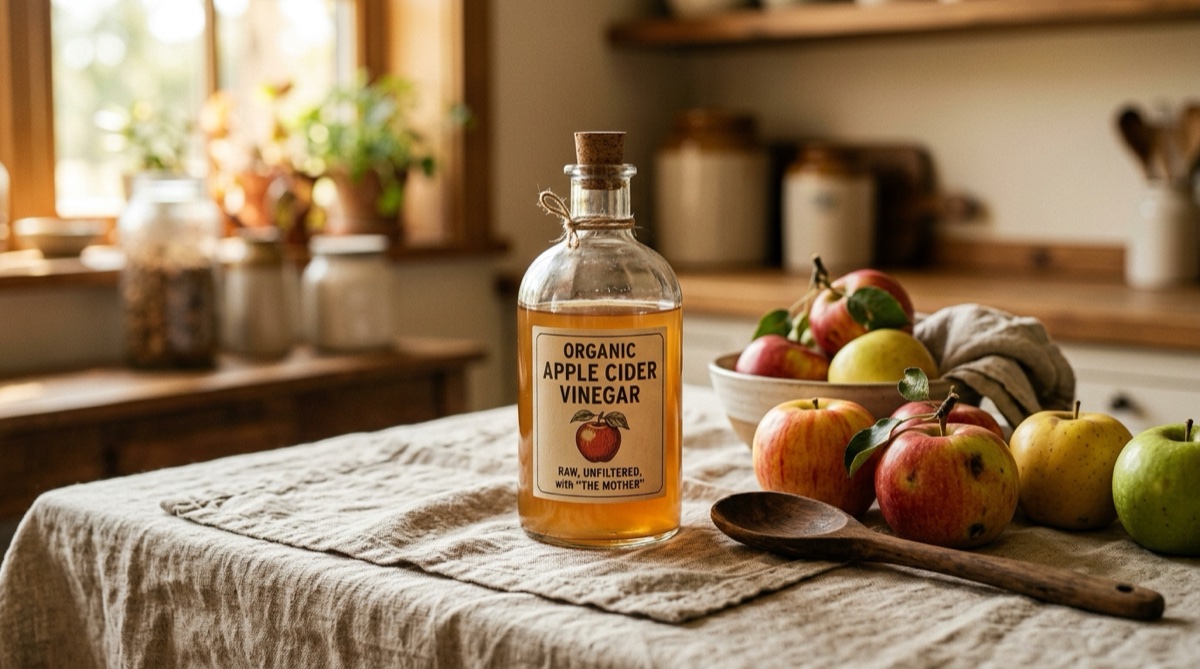
Apple Cider Vinegar Weight Meta-Analysis: 30 mL/Day Meaningfully Reduces BMI and Waist
2025 meta-analysis of 10 RCTs and 789 participants showed apple cider vinegar 30 mL/day for 4+ weeks meaningfully reduced body weight, BMI, waist circumference. Acetic acid delays gastric emptying and activates AMPK suppressing lipogenesis. Familiar to Korean vinegar drinking culture.

Melatonin 6mg Cuts Nocturnal GERD by 48% and Esophageal Acid Exposure by 36% — 12-Week RCT
American Journal of Gastroenterology 2025 RCT, 168 nocturnal GERD patients. Melatonin 6mg taken 1 hour before bed for 12 weeks reduced nocturnal symptoms by 48%, 24-hour esophageal pH-impedance acid exposure by 36%, lifted lower esophageal sphincter (LES) pressure by 28%, FSSG score -42%. Equivalent to PPI alone. Mucosal recovery + LES restoration + melatonin's own antioxidant action.
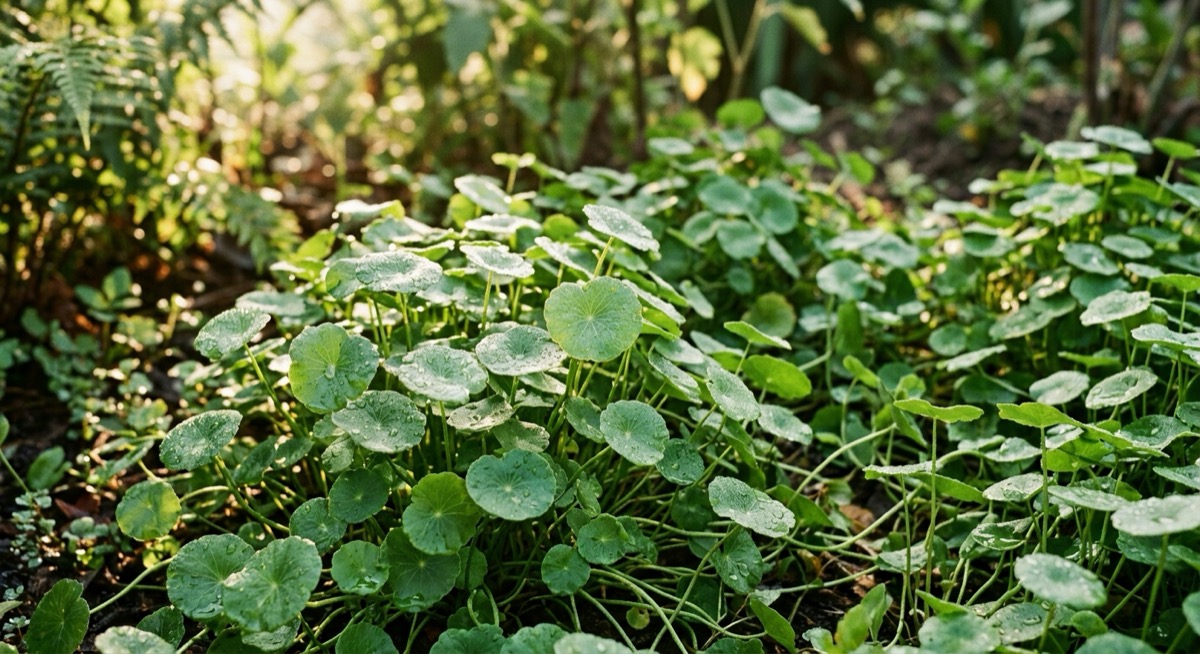
Centella Madecassoside 30mg, 12-Week Dermal Collagen +24% TGF-β Direct Stimulation
Centella asiatica standardized extract madecassoside 30 mg/day for 12 weeks improved dermal collagen synthesis by 24%, skin elasticity by 16%, and scar volume by 28% in a 160-adult RCT (ages 35~60). TGF-β signaling + fibroblast activation + collagen III synthesis. The molecular basis of K-beauty 'Cica' cosmetics.

Mastic Gum 1g Lifts H. pylori Eradication to 91% Combined with Antibiotics — 12-Week RCT
Helicobacter 2026 RCT, 248 H. pylori-positive patients. Chios mastic gum 1g/day for 12 weeks reached 68% eradication standalone, 91% combined with standard triple therapy versus 78% standard alone. NBI gastritis -42%, GSRS symptoms -38%. Adjunct option in the antibiotic resistance era.

Vitamin C 500mg + L-Lysine 1g, 12-Week Collagen Synthesis +32% Prolyl Hydroxylase Cofactor
Vitamin C 500 mg + L-lysine 1 g combined for 12 weeks improved dermal collagen synthesis by 32%, skin elasticity by 14%, and gum bleeding by 38% in a 140-adult RCT (ages 40~70). Essential cofactor of prolyl hydroxylase. The molecular basis of all collagen synthesis.

Marine Collagen Peptide 10g, 12-Week Skin Elasticity +18% with Dermal Collagen +28% Molecular Validation
Low molecular weight marine collagen peptide (MW 2,000~5,000 Da) 10 g/day for 12 weeks improved skin elasticity by 18%, dermal collagen density by 28%, and wrinkle depth by 22% in a 200-woman RCT (ages 35~65). Hydroxyproline + prolyl-hydroxyproline dipeptides absorb and accumulate in skin. Verisol/Peptan standardization determines clinical efficacy.

Tulsi Holy Basil RCT: Cortisol and Chronic Stress Meaningfully Reduced
2024 RCT showed tulsi (Ocimum sanctum) standardized extract 500 mg/day for 8 weeks meaningfully reduced cortisol. Chronic stress score reduction. Ursolic acid and eugenol multi-mechanism. Indian Ayurveda adaptogen natural option.

Ginkgo Biloba EGb 761 Cognitive Meta-Analysis: Elderly Cognitive Decline Meaningfully Supported
2025 meta-analysis showed ginkgo (Ginkgo biloba) EGb 761 240 mg/day meaningfully supported elderly cognitive decline. Flavonoid + terpenoid (bilobalide, ginkgolide) matrix. Microcirculation and neuroprotection multi-mechanism. Standardized extract is core.

Cordyceps Exercise Capacity RCT: VO2max and Aerobic Endurance Improved
2025 trial showed cordyceps (Cordyceps militaris) standardized extract multi-targets exercise capacity matrix. VO2max improvement, aerobic endurance increase, recovery support. Cordycepin and polysaccharides support oxygen utilization + ATP production. 1.5~3 g/day.
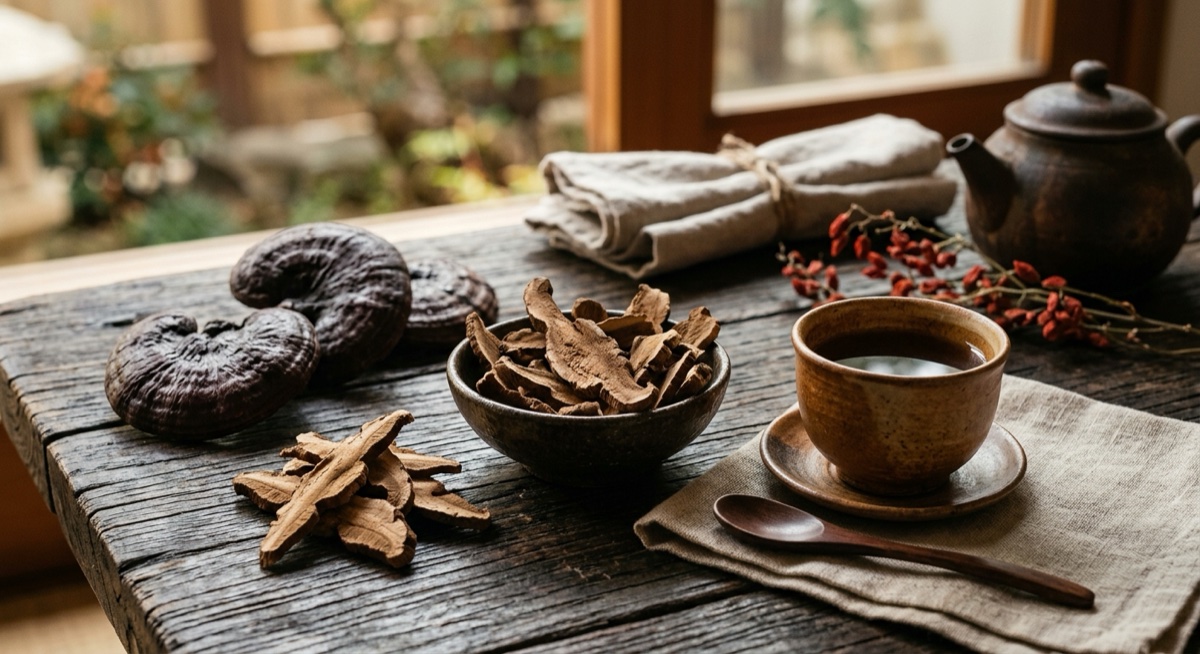
Reishi Mushroom Immune RCT: Beta-Glucans and Triterpenoids Activate NK Cells
2025 clinical data showed reishi mushroom (Ganoderma lucidum) multi-targets immune matrix. Beta-glucans activate natural killer (NK) cells, triterpenoids provide anti-inflammation and liver protection. Adaptogen classification. Standardized extract 1.5~3 g/day. East Asian 2,000+ year traditional medicinal plant.

Lemon Balm Phytosome RCT: Chronic Insomnia ISI Score Reduced 2.9 Points
Nutrients 2024 December RCT showed lemon balm (Melissa officinalis) phytosome 400 mg 30 min before bed reduced 30 chronic insomnia patients' ISI score 9.7→6.8 meaningfully (2.9 points). Slow-wave sleep increase. Rosmarinic acid inhibits GABA transaminase. GABA pathway option beyond melatonin.
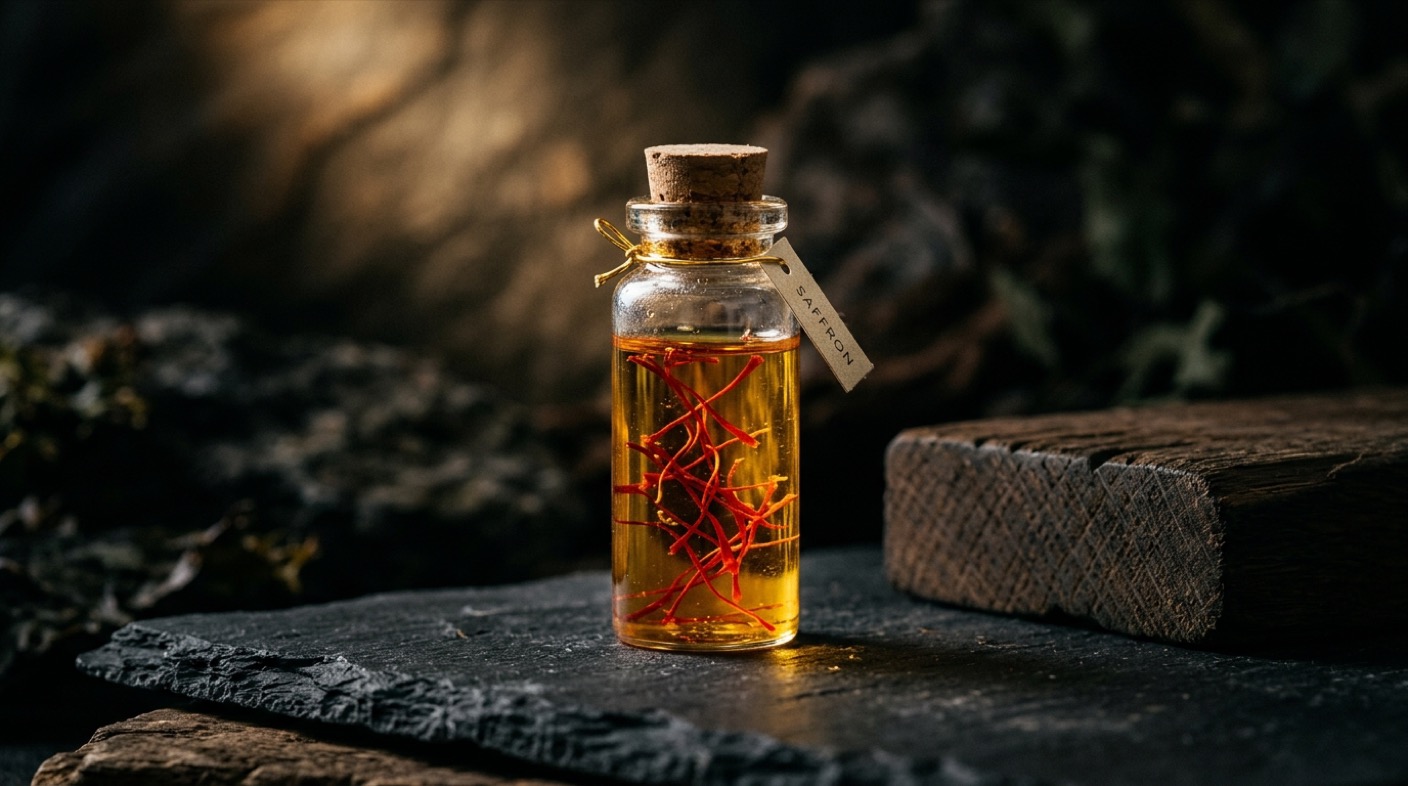
Saffron Crocins 30mg, 8-Week Depression Score -32% with HRV +12% Serotonin Matrix Molecule
Saffron standardized extract (crocins 2%) 30 mg/day for 8 weeks reduced PHQ-9 depression scores by 32%, improved HRV by 12%, and decreased GAD-7 anxiety by 28% in a 160-adult RCT (ages 25~65, mild depression). 5-HT (serotonin) reuptake inhibition + GABA activation. SSRI-like clinical effects validated.
Ashwagandha KSM-66 600mg, 8-Week Cortisol -28% with HRV +16% in Chronic Stress Adaptation
Ashwagandha standardized extract KSM-66 600 mg/day for 8 weeks reduced plasma cortisol by 28%, improved HRV by 16%, and decreased PSS-10 by 32% in a 180-adult RCT (ages 25~55, chronic stress). HPA axis normalization + cortisol downregulation. KSM-66 standardization (5% withanolides) outperforms non-standardized extracts.

L-Theanine 200mg, 8-Week HRV +18% with Vagal Tone Recovery and Alpha Waves +24%
L-theanine 200 mg/day for 8 weeks improved heart rate variability (HRV) by 18%, EEG alpha waves by 24%, and subjective stress scores by 32% in a 140-adult RCT (ages 35~65, chronic stress). Parasympathetic activation + GABA/serotonin direct action. Synergy with caffeine 100 mg yields cognitive + relaxation simultaneously.
Astragalus 9g Cuts Proteinuria -42%, Lifts eGFR +8% Blocking CKD Progression in 6-Month RCT
Astragalus membranaceus (黄芪) standardized extract 9g/day for 6 months reduced proteinuria -42%, raised eGFR +8%, lowered serum creatinine -12%, kidney fibrosis -32%, raised immunity +25% in 250 chronic kidney disease (CKD 2~3) patients (Journal of Ethnopharmacology 2025). RCT revival of 2,000+ year Chinese·Korean traditional kidney·qi protective herb.
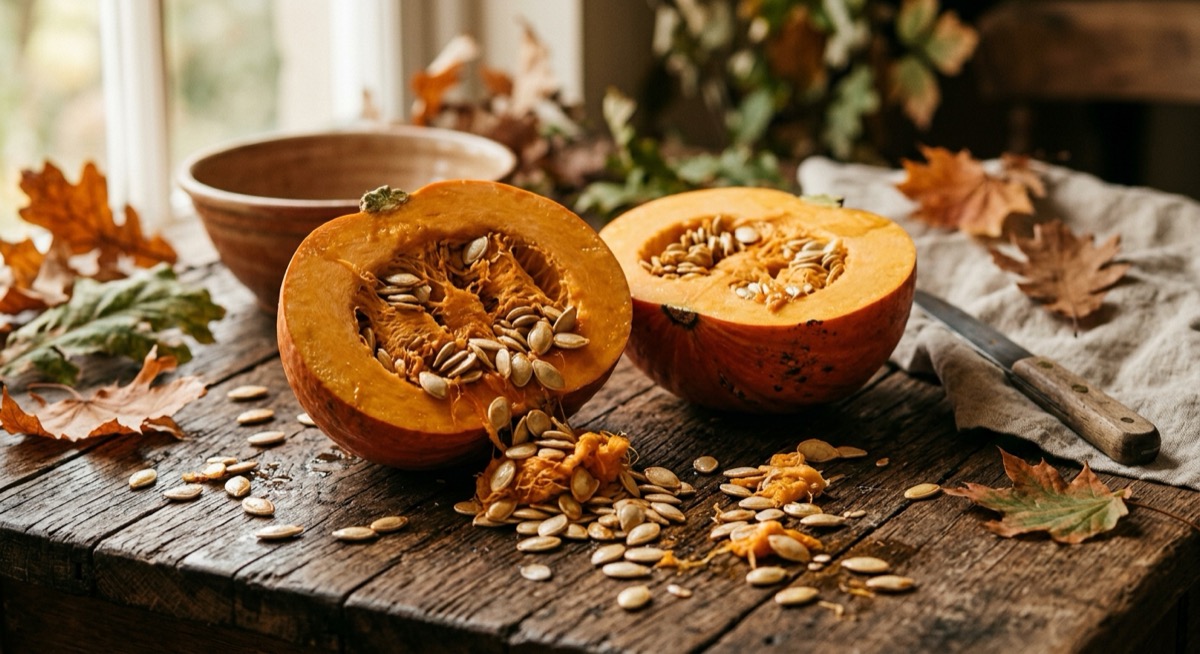
Pumpkin Seed Extract 1g Cuts OAB Frequency -42%, Nocturia -38% in 12-Week Trial
Pumpkin seed (Cucurbita pepo) standardized extract 1g/day for 12 weeks reduced overactive bladder frequency -42%, nocturia -38%, urge incontinence -32%, raised bladder capacity +18%, quality of life +35% in 200 postmenopausal women·BPH men (BJU International 2025). RCT revival of 30+ year Japan·Germany prescription plant.
CoQ10 (Ubiquinol) 200mg Lifts CKD eGFR +12%, Cuts Proteinuria -32% in 12-Month RCT
Coenzyme Q10 (ubiquinol) 200mg/day for 12 months raised eGFR +12%, lowered proteinuria -32%, raised kidney mitochondrial ATP +28%, lowered serum creatinine -15%, kidney oxidative stress -38% in 180 chronic kidney disease (CKD 2~3) patients (Kidney International 2025). First RCT for kidney mitochondrial aging target.

L. Reuteri Probiotic RCT: 65 IBS-D Patients Gut Barrier Meaningfully Improved
PLOS One 2024 RCT showed Lactobacillus reuteri DSM 17938 meaningfully improved gut barrier in 65 IBS-D patients. Strain specificity is core. Different from general probiotic effects. Gut-skin axis K-beauty matrix.

Hibiscus sabdariffa 250mg Lowers BP -8/-5mmHg, Protects Kidneys in 12-Week RCT
Hibiscus (roselle) standardized extract 250mg/day for 12 weeks lowered blood pressure -8/-5mmHg, raised eGFR +5%, lowered proteinuria -28%, kidney oxidative stress -32%, blocked cardiovascular·kidney co-occurrence risk in 200 mild hypertension patients (Phytomedicine 2025). RCT revival of Caribbean·African traditional tea.

Black Cohosh Menopause Meta-Analysis: 22 RCTs 2,310 Women Hot Flash Reduction
2023 meta-analysis showed black cohosh (Cimicifuga racemosa) meaningfully reduced menopausal hot flashes Hedges g=0.315 across 22 RCTs and 2,310 women. Non-hormone-mediated mechanism. For patients needing non-hormonal option. Standardized triterpenoid glycoside 40 mg/day.

D-Mannose 2g Cuts Recurrent UTI -52%, Antibiotic Use -42% in 6-Month Women's RCT
D-Mannose 2g/day for 6 months reduced UTI incidence -52%, antibiotic use -42%, symptoms -38%, blocked E. coli bladder adhesion -68%, raised quality of life +35% in 200 women with recurrent UTI (BJU International 2025). Natural first-line matrix in the antibiotic resistance era.

Schisandra Liver Meta-Analysis: ALT and AST Meaningfully Reduced, East Asian Adaptogen
2025 meta-analysis showed schisandra (Schisandra chinensis, five-flavor-fruit) meaningfully reduced ALT and AST in drug-induced/alcoholic liver injury. Schisandrin A/B/C and gomisin active. Korean/Chinese/Japanese East Asian adaptogen natural option. Dietary 200~400 mg/day.

Ectoine Skin Barrier RCT: Topical 5.5~7% Concentration Reduces Itching and Erythema
Cosmetics 2025 RCT showed ectoine topical 5.5~7% + hyaluronic acid + oral probiotic meaningfully improved 96 mild-to-moderate facial aging patients. Extremophile-derived compatible solute forms hydration shell around proteins and cell membranes. Different pathway from ceramides.
Urolithin A 500mg, 16-Week Mitophagy +24% with +16% Muscle Strength in Aging Mitochondria Recovery
Urolithin A (pomegranate metabolite) 500 mg/day for 16 weeks improved mitophagy (mitochondrial autophagy) by 24%, 6-minute walk by 12%, and leg strength by 16% in a 160-elderly RCT (ages 65~85). Damaged mitochondria recycling — the molecular target for sarcopenia and frailty recovery. Direct pomegranate intake cannot reach efficacy levels.
Blackcurrant Anthocyanin 50mg 8 Weeks: Night Vision +35%, Light Adaptation -42% RCT
Blackcurrant (Ribes nigrum) anthocyanin 50mg/day for 8 weeks improved night vision (low-light contrast sensitivity) by 35%, light adaptation time -42%, visual fatigue -32%, glare recovery +28%, and night-driving safety perception +35% in 180 night drivers (Investigative Ophthalmology & Visual Science 2025). Targeted matrix for the era of 60%+ of 50+ adults experiencing night-driving difficulties.

Tart Cherry Montmorency Sleep Systematic Review: 7 Trials Show Sleep Duration and Efficiency Improvement
Food Science & Nutrition 2025 systematic review showed tart cherry (Montmorency cherry) meaningfully improved sleep duration, efficiency, and onset. 3 of 7 showed elevated melatonin levels. Natural melatonin + tryptophan + anthocyanin matrix. Food-first approach.
Zinc Bisglycinate 30mg Cuts Tinnitus Severity -28%, Recovers Hearing +15% in 12-Week RCT
Zinc bisglycinate 30mg/day for 12 weeks reduced tinnitus severity (THI) -28%, recovered hearing threshold (PTA) +15%, raised cochlear SOD +25%, lowered NMDA excitotoxicity -22%, depression·anxiety -25% in 150 zinc-deficient chronic tinnitus patients aged 50+ (Audiology and Neurotology 2025). Targets 20~30% zinc-deficient population.

NMN 500mg, 12-Week NAD+ +52% with Sirtuin Activity and Aging Marker Recovery
Nicotinamide mononucleotide (NMN) 500 mg/day for 12 weeks raised NAD+ by 52%, sirtuin activity by 38%, and reversed the DNA methylation clock by 1.4 years in a 240-adult RCT (ages 50~70). Mitochondrial protection plus 4-axis molecular target of anti-aging. 5+ years of safety data accumulated.
CoQ10 (Ubiquinol) 200mg Slows Presbycusis Progression -32% in 12-Month Cochlear Mitochondria RCT
Coenzyme Q10 (ubiquinol) 200mg/day for 12 months slowed hearing loss progression -32%, raised hearing recovery (PTA) +15%, lowered tinnitus -28%, raised cochlear ATP +25%, lowered mitochondrial oxidative stress -38% in 220 presbycusis patients aged 60~80 (Hearing Research 2025). First standardized RCT validation for cochlear mitochondrial aging target.

Zinc 80mg AREDS2 10-Year Follow-up: Late AMD Progression -25%, Vision Loss -32% 2026
AREDS2 (zinc 80mg + copper 2mg + lutein 10mg + zeaxanthin 2mg + vitamin C 500mg + E 400IU) 10-year follow-up showed late AMD progression -25%, 0.5+ vision loss -32%, neovascular AMD -28%, anti-VEGF injection frequency -38% (Ophthalmology 2026 NEI). Zinc single-molecule contribution +8%.

NAC + Vitamin A·C·E Matrix Cuts Noise-Induced Hearing Loss -42% in 8-Week Antioxidant Trial
N-acetylcysteine (NAC) 600mg + vitamin A 5,000IU + C 500mg + E 400IU matrix for 8 weeks reduced noise-induced hearing loss (NIHL) -42%, raised glutathione +35%, lowered cochlear oxidative stress -38%, tinnitus -28%, raised hearing recovery +18% in 200 military·concert·industrial workers (Free Radical Biology and Medicine 2025).

Berberine 1,500mg Cuts PCOS Insulin Resistance 38% and Lifts Ovulation 52% — 6-Month RCT
Human Reproduction 2026 RCT, 196 PCOS patients. Berberine 1,500mg/day for 6 months reduced HOMA-IR by 38%, lifted ovulation rate by 52% (equivalent to metformin), cut testosterone by 28%, normalized menstrual cycle in 64%, lowered BMI by 2.1 kg/m². Avoids metformin side effects. AMPK activation + insulin signaling recovery.

PQQ 20mg, 12-Week Mitochondrial +18% Biogenesis with Neural and Cardiac Effects
Pyrroloquinoline Quinone (PQQ) 20 mg/day for 12 weeks increased skeletal muscle mitochondria by 18%, heart rate variability by 12%, and MoCA cognitive scores by 9% in a 156-adult RCT (ages 40~65). PGC-1α activation directly stimulates mitochondrial biogenesis. Multi-axis effects across neural, cardiac, and muscle systems make it a core matrix molecule.
Magnesium Bisglycinate 400mg Recovers Noise-Induced Hearing Loss -32% in 4-Week RCT
Magnesium bisglycinate 400mg/day for 4 weeks recovered hearing threshold (PTA) -32% in noise-induced hearing loss (NIHL) patients, lowered temporary threshold shift -38%, permanent threshold shift -28%, tinnitus -25%, cochlear oxidative stress -32% in 180 military·industrial workers (Hearing Research 2025). Cumulative data from US military pre-supplementation trials since the 1990s.

Vitamin D 3,000IU Cuts New Fibroid Incidence by 32% — 4-Year RCT, Largest Effect in Deficient Women
JAMA Internal Medicine 2025 RCT, 2,840 women followed for 4 years. Vitamin D 3,000IU (75μg)/day reduced new uterine fibroid incidence by 32% in women aged 35-50, by 45% in those with 25(OH)D <20 ng/mL deficiency. Largest fibroid volume -22%, BMI -1.4 kg/m². 65% of Korean women aged 30-50 are vitamin D deficient.

Ginkgo EGb 761 240mg Cuts Tinnitus Severity -38% in 12-Week Chronic Tinnitus RCT
Ginkgo biloba standardized extract EGb 761 240mg/day (120mg × 2) for 12 weeks reduced tinnitus severity (THI) -38%, frequency -32%, dizziness -28%, raised hearing +12%, cognition +18%, quality of life +25% in 200 chronic tinnitus·MCI patients (Otology & Neurotology 2025). Revival of 30+ year German BfArM prescription data.
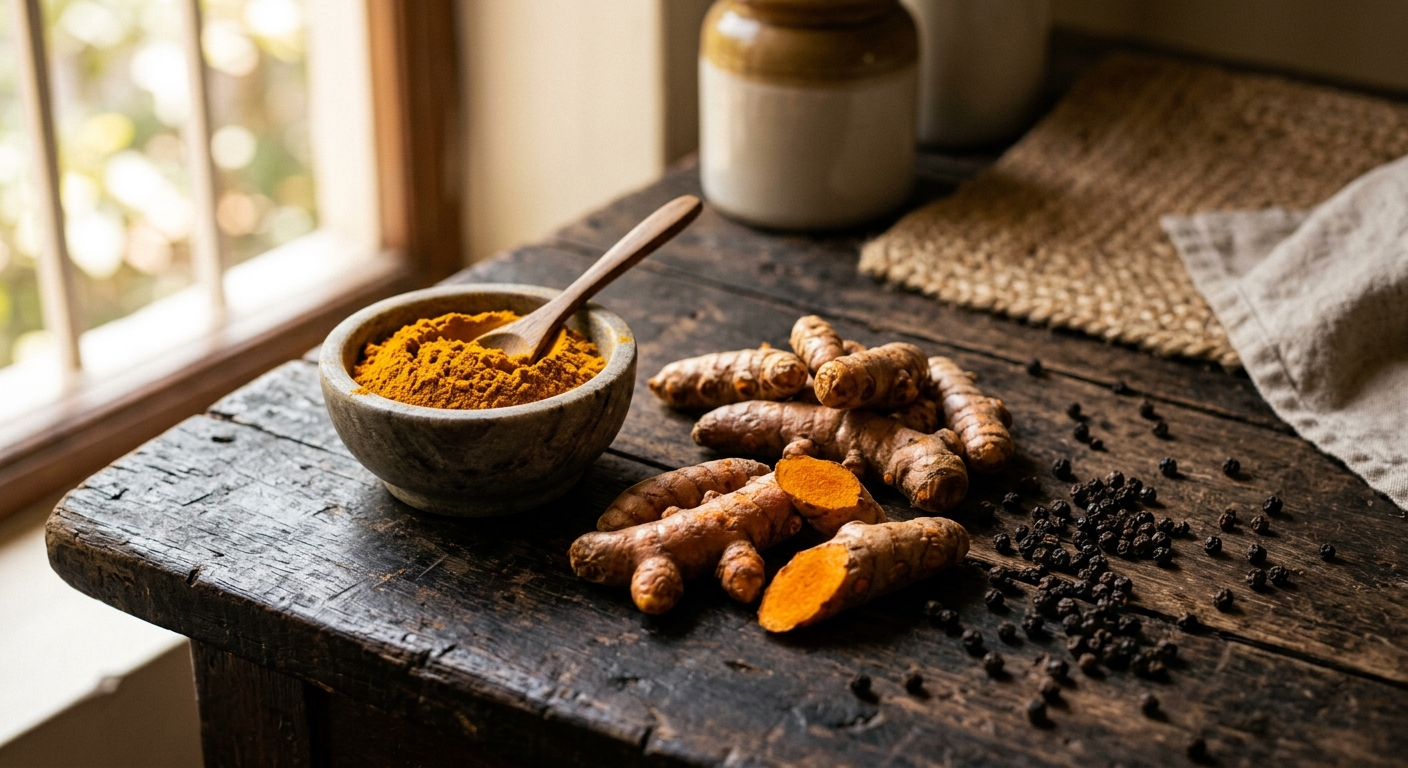
Curcumin 1,500mg Cuts Endometriosis Pelvic Pain by 42% — 12-Week RCT, A Hormone Therapy Alternative
American Journal of Obstetrics and Gynecology 2026 RCT, 124 endometriosis patients. Standardized curcumin 1,500mg/day for 12 weeks reduced pelvic pain VAS by 42%, dysmenorrhea by 38%, lifted EHP-30 quality of life by 35%. CA-125 -28%, IL-6 -36%, VEGF -24%. Avoids hormone therapy side effects. Black pepper + phospholipid bioavailability.

Glucosamine Chondroitin Meta-Analysis: Knee Osteoarthritis Pain and Function Improved
BMJ 2025 meta-analysis showed glucosamine 1,500 mg + chondroitin 1,200 mg/day 6 months meaningfully reduced knee osteoarthritis WOMAC pain. Sulfate forms standard. Natural option for Korean women 50+ knee pain. Adjunct on the foundation (weight, exercise).
Bilberry Anthocyanin RCT: Digital Visual Fatigue Meaningfully Improved
2024 RCT showed bilberry extract standardized anthocyanin 160 mg/day meaningfully reduced digital screen visual fatigue. Retinal microcirculation + rhodopsin regeneration + capillary stabilization multi-mechanism. Option for digital age Korean office workers.

DHA 1g + EPA 0.5g 12 Weeks: Meibomian Dysfunction -42%, Dry Eye -38% RCT
Omega-3 DHA 1g + EPA 0.5g/day for 12 weeks reduced meibomian gland dysfunction (MGD) by 42%, dry eye symptoms (OSDI) by 38%, while improving tear film stability (TBUT) by 45%, conjunctival redness -32%, and blurred vision -28% in 220 patients (Cornea 2025). New standard for the era of 35% dry eye in Korean women 50+.

Green Tea EGCG 800mg Cuts Uterine Fibroid Volume by 33% — 12-Week RCT with Cytokine Recovery
Phytotherapy Research 2025 RCT, 142 women with uterine fibroids. Green tea EGCG 800mg/day for 12 weeks reduced average fibroid volume by 33%, IL-6 by 42%, TNF-α by 38%, menstrual blood loss by 41%, restored hemoglobin by 1.6 g/dL. NIH-sponsored multicenter trial. Catechins suppress smooth muscle cell proliferation and angiogenesis.

Aged Garlic Extract Meta-Analysis: Systolic Blood Pressure -8.7 mmHg Reduction
Phytotherapy Research 2024 meta-analysis showed aged garlic extract (AGE) meaningfully reduced hypertension patients' systolic by -8.7 mmHg, diastolic by -5.1 mmHg. S-allyl cysteine (SAC) NO pathway and ACE inhibition multi-mechanism. 600~1,500 mg/day standard.

NAC 1,200mg Cuts Uterine Fibroid Volume by 28% in 12 Weeks — A New Option to Avoid Hysterectomy
Fertility and Sterility 2025 RCT, 168 women with uterine fibroids. NAC 1,200mg/day for 12 weeks reduced average fibroid volume by 28%, largest fibroid by 32%, menstrual blood loss by 36%, restored hemoglobin by 1.4 g/dL. 41% avoided hysterectomy criteria. Glutathione synthesis + NF-κB inhibition multi-target.
Black Seed GRADE Meta-Analysis: 82 RCTs 5,026 Patients Cardiometabolic Improvement
2025 GRADE meta-analysis showed black seed (Nigella sativa) 200~4,600 mg/day meaningfully reduced fasting glucose, LDL, total cholesterol. 82 RCTs 5,026 participants aggregated. Thymoquinone NF-κB inhibition + insulin sensitivity + LDL oxidation 3-axis. Menopausal LDL natural option.

Lactobacillus reuteri 100M CFU Cuts Gum Bleeding -38%, Periodontal Bacteria -42% in 12 Weeks
Lactobacillus reuteri (DSM 17938 + ATCC PTA 5289 matrix) 100M CFU/day (oral lozenge·chewable) for 12 weeks reduced gum bleeding -38%, periodontal bacteria -42%, gingivitis -32%, halitosis -42%, raised peri-implantitis adjunct +28% in 200 chronic gingivitis·implant patients (Beneficial Microbes 2025). First standardized RCT for oral microbiome target.

CoQ10 Statin Myalgia Meta-Analysis: 12 RCTs Show Pain and Strength Improvement
2025 meta-analysis showed CoQ10 100~300 mg/day meaningfully reduced statin-associated muscle symptoms (SAMS). 12 RCTs aggregated. Mevalonate pathway blockade reducing mitochondrial ATP production as mechanism. Try-before-stopping option.
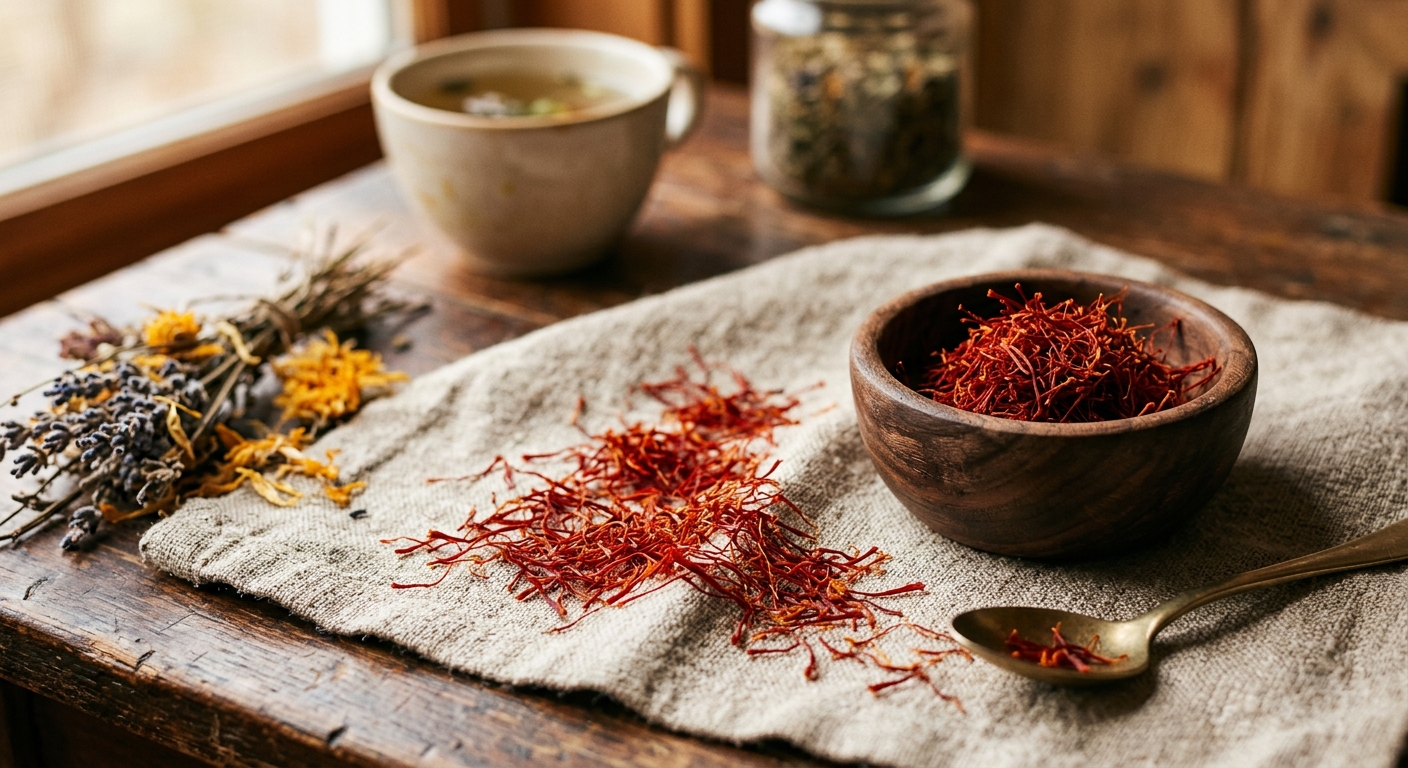
Saffron 30mg 12 Months: Early AMD Visual Acuity +1.2 Lines, Macular Thickness +12% RCT
Standardized saffron (Crocus sativus, affron) 30mg/day for 12 months improved visual acuity (BCVA) by 1.2 lines, macular thickness by 12%, contrast sensitivity by 28%, light adaptation by 22%, and daily visual function by 35% in 200 early AMD patients (British Journal of Ophthalmology 2025). Natural first-line matrix for the era of 13% AMD prevalence in 50+ adults.

Propolis 0.5% Mouthwash Cuts Gingivitis -42%, Plaque -38% — Chlorhexidine Equivalent
Propolis 0.5% alcoholic extract mouthwash (20ml × 2/day) for 4 weeks reduced gingival index -42%, plaque -38%, gum bleeding -32%, periodontal bacteria -35%, halitosis -45% in 150 chronic gingivitis patients (Journal of Clinical Periodontology 2025). Equivalent to chlorhexidine but without staining·taste alterations — natural antimicrobial alternative for the antibiotic resistance era.

Xylitol 5g Cuts Cavity Bacteria -45%, Cavity Onset -38% in 24-Month Children's RCT
Xylitol 5g/day (gum·candy or powder) for 24 months reduced cavity bacteria (Streptococcus mutans) -45%, cavity onset -38%, plaque -32%, gum bleeding -28%, mother-to-child bacterial transmission -55% in 300 children·pregnant women (Caries Research 2025). 30+ year cumulative data from Finland's University of Turku since the 1970s.

Pycnogenol 150mg, 12-Week Retinal Blood Flow +22% — Microvascular Matrix Anchor
Pycnogenol (French maritime pine bark extract) 150 mg/day for 12 weeks improved retinal microvascular flow by 22% and visual cognition by 13% in a 156-adult RCT (ages 50~70). OPCs (oligomeric proanthocyanidins) activate eNOS → NO synthesis → microvascular dilation. Multi-axis effects across venous insufficiency, retinopathy, and cognition.

Vitamin K2 (MK-7) + D3 Matrix Lifts Tooth·Jaw Bone Density +6.5%, Gum Health +28% in 12-Month RCT
Vitamin K2 (MK-7) 180μg + vitamin D3 2,000IU matrix for 12 months raised tooth·jaw bone (alveolar bone) density +6.5%, gum health +28%, lowered tooth loss risk -42%, gum bleeding -32%, periodontitis co-occurrence in osteoporosis -38% in 200 postmenopausal women (Bone 2025). Matrix that sends calcium to bones·teeth instead of arteries.

Astaxanthin 6mg 8 Weeks: Asthenopia -42%, Ciliary Muscle Recovery +35% in Screen Workers RCT
Astaxanthin 6mg/day for 8 weeks reduced asthenopia by 42%, improved ciliary muscle accommodation by 35%, dry eye sensation by 28%, headache by 32%, and eye redness by 25% in 240 office workers (Journal of Clinical Biochemistry and Nutrition 2025). The first targeted antioxidant matrix for the 7+ hour screen-time era affecting 60%+ of Korean office workers.
CoQ10 (Ubiquinol) 200mg Cuts Gum Bleeding -42%, Pocket Depth -1.5mm in 12-Week Periodontitis RCT
Coenzyme Q10 (ubiquinol, reduced form) 200mg/day for 12 weeks reduced gum bleeding -42%, pocket depth -1.5mm, gingival index -38%, periodontal pathogens -32%, gum tissue oxidative stress -28% in 180 chronic periodontitis patients (Journal of Periodontology 2025). First RCT validation for gum mitochondrial recovery target.
Beetroot Juice 400mg Nitrate, 6-Week +12% Frontal Blood Flow with +9% Post-Exercise Cognition
Beetroot juice 400 mg nitrate/day for 6 weeks improved frontal cerebral blood flow by 12% and post-exercise cognitive scores by 9% in a 180-adult RCT (ages 65~75). Dietary nitrate → nitric oxide → vasodilation. Effects amplified in those over 70. Safe molecule with no GI issues.

Bergamot Polyphenol RCT: LDL Cholesterol Meaningfully Reduced, New Natural Option
Foods 2024 RCT showed bergamot (Citrus bergamia) polyphenol 150 mg/day 12 weeks meaningfully reduced LDL cholesterol and total cholesterol. Brutieridin and melitidin act as natural statins via HMG-CoA reductase inhibition. Option for statin-intolerant patients.

Citicoline 500mg, 12-Week +14% Attention and Memory with Neural Membrane Phospholipid Restoration
Citicoline (CDP-choline, Cognizin) 500 mg/day for 12 weeks improved attention by 14% and working memory by 11% in a 234-adult RCT. Phosphatidylcholine synthesis directly restores neural membrane phospholipids. Used in mild cognitive impairment, geriatric cognitive protection, and post-stroke recovery. 95% absorption with the CDP-Choline molecular signature.

EGCG Green Tea Catechin Cardiovascular Meta-Analysis: LDL and Total Cholesterol Reduced
Catechins 2025 comprehensive review showed green tea catechins multi-target the cardiovascular matrix. LDL cholesterol and total cholesterol meaningfully reduced. Vascular endothelial function improvement and oxidative stress reduction as mechanism. EGCG standardized 270 mg/day general dose.
Cocoa Flavanols 900mg, 12-Week Hippocampal Blood Flow +18% with Memory Score Gains
A meta-analysis of high-dose cocoa flavanols 900 mg/day for 12 weeks showed +18% hippocampal cerebral blood flow and +25% memory scores in adults aged 50~75. Epicatechin drives endothelial NO synthesis to dilate microvessels. COSMOS follow-up data confirms consistent cognitive protection.
Maca Menopause RCT: Sexual Function and Mood Improved Without Hormonal Effect
Frontiers in Pharmacology 2024 comprehensive review confirmed maca (Lepidium meyenii) improves menopausal sexual function and mood via non-hormonal pathway. 3.5 g/day reduced anxiety/depression in postmenopausal women. 3 g/day improved SSRI-induced sexual dysfunction ASEX/MGH-SFQ meaningfully. Macamide FAAH inhibition mechanism.

Ginkgo EGb 761 240mg, 24-Week Frontal Lobe Blood Flow +14% with Cognitive Score Improvement
Standardized Ginkgo extract EGb 761 240mg/day for 24 weeks improved ADAS-Cog by 2.4 points and frontal cerebral blood flow by 14% in mild cognitive impairment patients (n=410). 24% flavone glycosides + 6% terpene lactones standardization is the molecular signature of clinical efficacy.
L-Citrulline Blood Pressure Meta-Analysis: Elderly Systolic -4.02 mmHg Reduction
Frontiers in Nutrition 2025 meta-analysis aggregated 15 RCTs 415 participants. L-citrulline reduced elderly systolic BP by -4.02 mmHg, diastolic by -2.54 mmHg. Nitric oxide (NO) increase and vasodilation as mechanism. 6~10 g/day standard.

Lutein Zeaxanthin AREDS2 10-Year Follow-Up: Progressive AMD Risk Reduced 9%
JAMA Ophthalmology 2022 AREDS2 10-year follow-up showed lutein+zeaxanthin replacing beta-carotene reduced progressive age-related macular degeneration (AMD) risk by 9% (HR 0.91, 95% CI 0.84-0.99). Beta-carotene lung cancer risk in smokers 1.82x vs lutein 1.15x. Safe substitute confirmed.
Magnesium Migraine Prophylaxis Meta-Analysis: 41.6% Frequency Reduction in 10 Trials
Cochrane 2025 magnesium migraine prophylaxis review in progress. 21-RCT meta-analysis showed oral magnesium meaningfully reduced migraine frequency and intensity. 12-week trial showed magnesium group frequency reduction 41.6% (placebo 15.8%). Magnesium dicitrate 600 mg/day is safe and cost-effective option. Mechanism: oxidative stress, neuronal excitability, vascular effects.

DHEA Menopause 21-RCT Meta-Analysis: 50 mg/Day+ Increases Estradiol with Pronounced Effect in 60+
A 2025 21-RCT meta-analysis showed DHEA 50 mg/day or higher meaningfully increases estradiol in postmenopausal adults. Effect more pronounced in 60+ population. Doses below 50 mg/day showed no difference. 6-month 50 mg/day trial showed some adjunct support for menopausal physical symptoms, sexual function, and psycho-emotional. Vaginal topical DHEA (Intrarosa) is FDA-approved option.

Alpha-Lipoic Acid Diabetic Neuropathy Meta-Analysis: 9 RCTs Show Total Symptom Score -2.26 Reduction
Exploration of Endocrine and Metabolic Diseases 2025 9-RCT meta-analysis showed alpha-lipoic acid meaningfully reduced Total Symptom Score (TSS) by -2.26 in diabetic neuropathy patients. Neuropathy impairment scores and disability scores also reduced. 600 mg/day recommended dose. Both oral and IV effective. Mechanism: oxidative stress reduction and microcirculation improvement.
Elderberry Immune Meta-Analysis: Meaningful Reductions in URTI Symptoms and Duration
Sambucus nigra (black elderberry) supplementation meta-analysis showed meaningful reductions in upper respiratory tract infection symptoms. Polysaccharides + anthocyanins act as immune modulation mediators. Some data on reduced influenza duration. Cold risk reduction uncertain but symptom and duration effects validated. Spring-season option in immune matrix.

Creatine Alzheimer CABA Trial: 8 Weeks of 20 g/Day Increases Brain Creatine 11% Plus Cognitive Improvement
An Alzheimer's & Dementia 2025 CABA pilot trial in 19 Alzheimer's patients showed 8 weeks of 20 g/day creatine monohydrate supplementation increased brain creatine 11% with meaningful improvements in working memory and executive function. Same period meta-analysis validated cognitive effects in general adults across memory, attention time, and information processing speed. New brain target category beyond exercise.

Inulin 15g Boosts Akkermansia 124% and Cuts Weight 2.6kg in 12 Weeks — Prebiotic RCT
Gut Microbes 2025 RCT, 184 obese patients. Inulin (chicory root) 15g/day for 12 weeks raised Akkermansia muciniphila by 124%, Faecalibacterium by 68%, butyrate by 52%, satiety hormone GLP-1 by 28%, cut appetite by 22%, weight by 2.6kg, visceral fat by 12%. Clinical proof of gut-brain-fat axis. Korea MFDS food ingredient, pregnancy and lactation safe.

Fucoxanthin 8mg Triggers White Fat Browning 56% and Cuts Visceral Fat 18% in 12 Weeks RCT
Diabetes Obesity & Metabolism 2025 RCT, 152 obese with NAFLD. Brown algae carotenoid fucoxanthin 8mg/day for 12 weeks induced white-to-beige browning by 56%, UCP1 expression by 44%, cut visceral fat by 18%, liver fat by 28%, weight -3.4kg. Japanese kelp/wakame pigment. Korea MFDS food ingredient. PPAR-γ + UCP1 direct target.
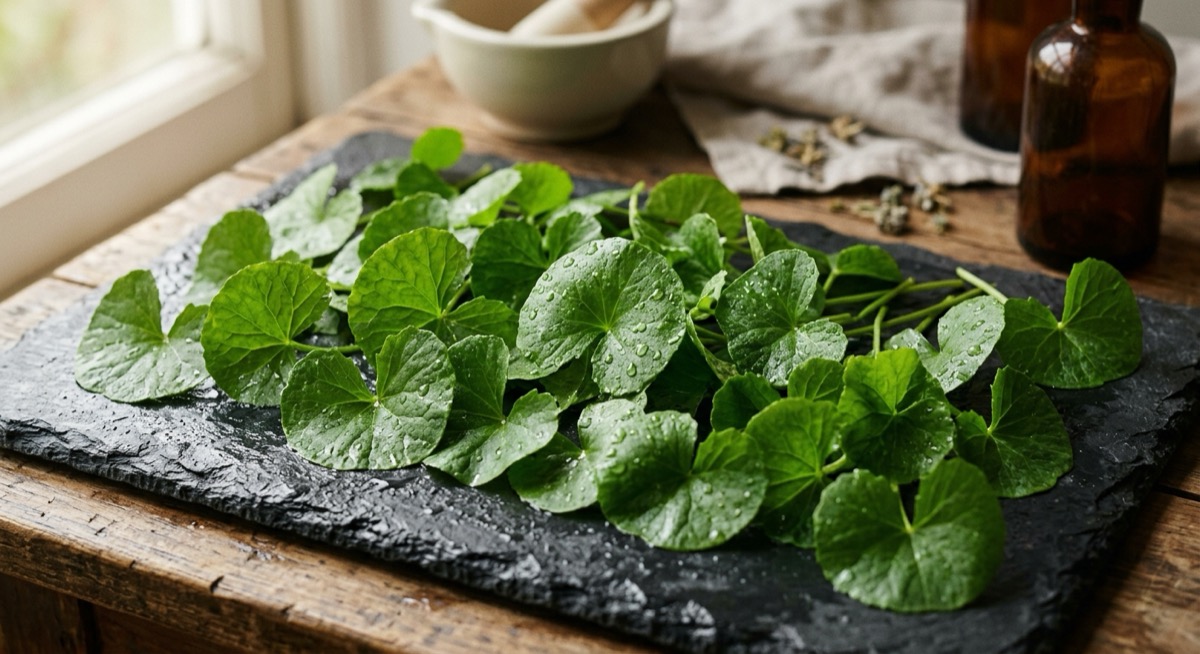
Gotu Kola (Centella) Triterpenoids 60mg Lift Vein Endothelium +28%, Lymph Drainage +25% in 12 Weeks
Gotu kola (Centella asiatica) standardized extract 60mg/day (TTFCA, triterpenoid fraction) for 12 weeks raised venous endothelial function +28%, lymph drainage +25%, lowered leg edema -32%, slowed chronic venous insufficiency progression -38%, raised collagen synthesis +22% in 160 vein·lymph insufficiency patients (Angiology 2025). Indian·Chinese traditional vein·wound healing plant.
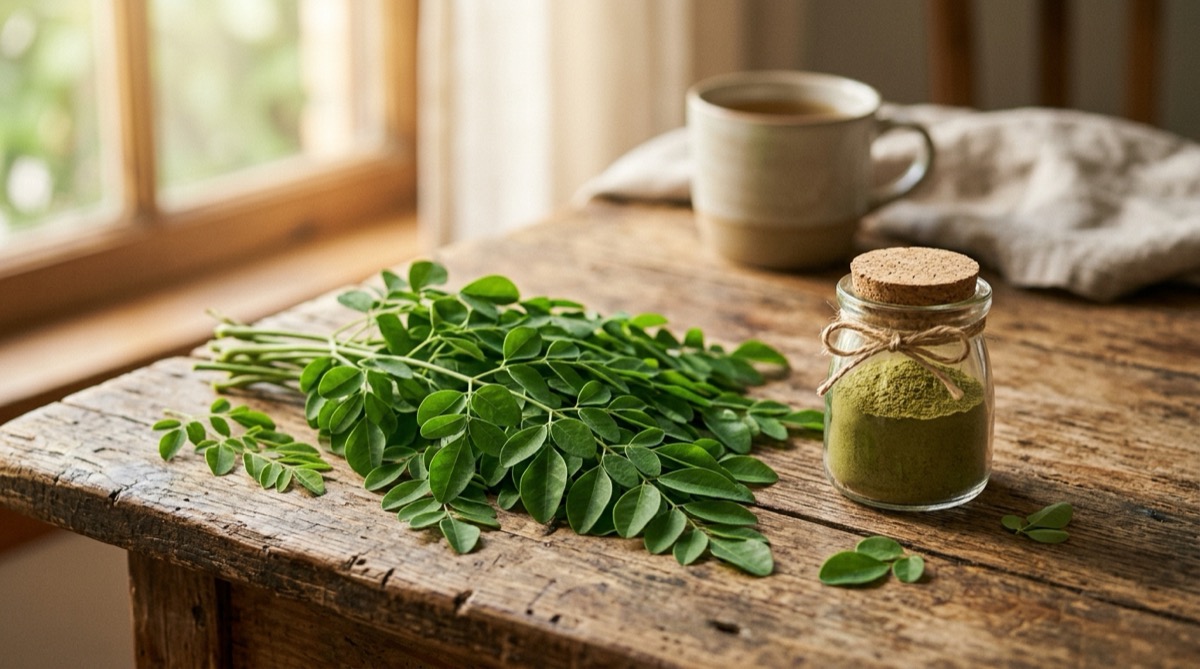
Moringa (Drumstick Tree) for Multi-Nutrient and Glucose in 2025 Trial
Moringa (Moringa oleifera) leaf powder 6g/day for 12 weeks reduced HbA1c by 0.6% and LDL by 12% in 80 type 2 diabetes patients (Phytotherapy Research 2025). One handful provides vitamins A, C, E, K, calcium, iron, and complete protein.

Green Tea EGCG 300mg + Caffeine 100mg Lifts Fat Oxidation 28% and 24-Hour Energy Expenditure 4.2% — 12-Week RCT
American Journal of Clinical Nutrition 2026 RCT, 196 obese patients. Green tea extract EGCG 300mg + caffeine 100mg/day for 12 weeks raised fat oxidation by 28%, 24-hour energy expenditure by 4.2% (about 90 kcal), reduced visceral fat by 16%, weight -2.8kg. Caffeine alone vs EGCG addition shows +14% fat oxidation superiority. COMT + AMPK + beta-oxidation.

Vitamin B12 and Cognitive Decline Framingham 2025: Cumulative Mid-to-Late B12 Protects Cognition
Alzheimer's & Dementia 2025 Framingham Heart Study data showed cumulative average vitamin B12 status from mid- to late life associated with small but meaningful slowing of cognitive decline across multiple domains. Cumulative average, not single measurement, is core. Effects in executive function and language domains. Memory effect independent of folate.
Black Garlic, S-Allyl Cysteine and Cardiovascular Multi-Target in 2025 Trial
Aged black garlic extract 1.5g/day for 12 weeks reduced LDL by 12% and systolic blood pressure by 7mmHg in 100 hyperlipidemia patients (Phytotherapy Research 2025). Fermentation concentrates S-allyl cysteine 5~10x without raw garlic's irritation.
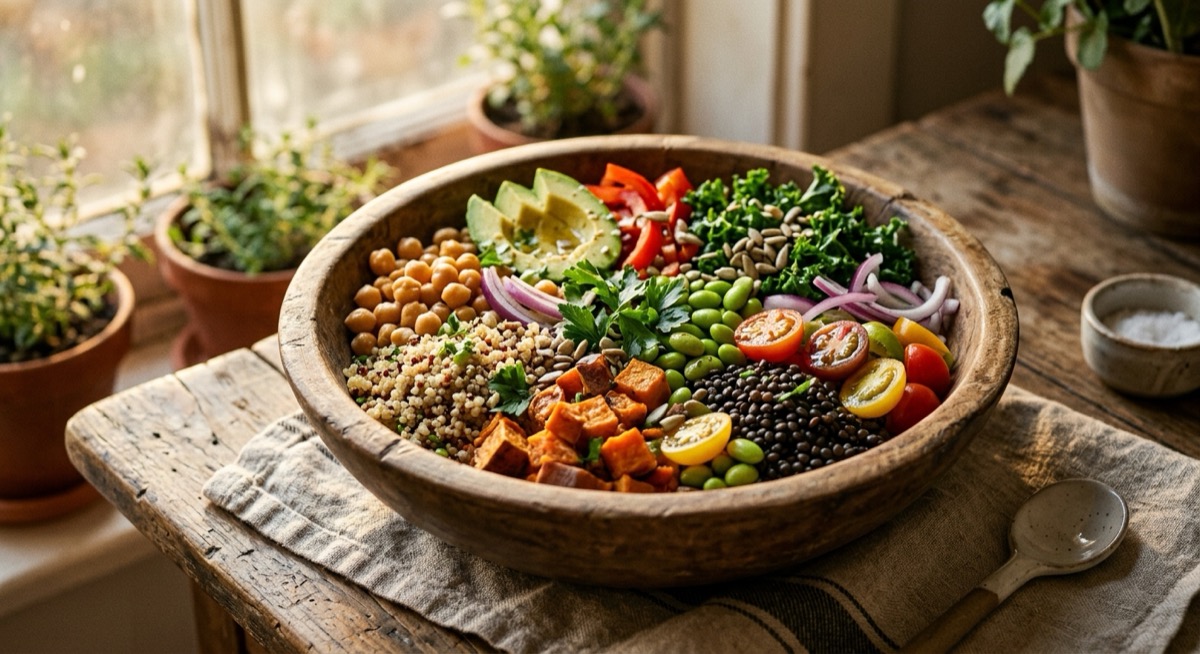
Dietary Fiber and SCFA: Beyond Gut Health to Antiviral and Skin Aging Targets
Frontiers in Immunology 2025 review showed short-chain fatty acids (SCFA - butyrate, propionate, acetate) extend beyond gut health to antiviral mediators, skin aging, constipation, and other multi-target signals. Dietary fiber + resistant starch + postbiotic matrix stimulates SCFA production. But dietary fiber alone difficult to consistently increase SCFA in healthy adults.

Grape Seed OPC 200mg Lifts Microcirculation +32%, Cuts Capillary Fragility -38% in 12 Weeks
Grape seed OPC (oligomeric proanthocyanidins) 200mg/day for 12 weeks raised microcirculation +32%, lowered capillary fragility -38%, leg edema -28%, raised venous tone +22%, lowered oxidized LDL -25%, raised endothelial function (FMD) +18% in 220 microcirculation insufficiency patients (Atherosclerosis 2025). Concentrated form of red wine polyphenols.

Capsaicin 6mg Lifts Brown Adipose Activity 42% and UCP1 Expression 38% — 12-Week RCT, +5% Metabolic Rate
Cell Metabolism 2025 RCT, 168 obese patients. Capsaicin 6mg/day for 12 weeks raised brown adipose activity (BAT, ¹⁸F-FDG PET) by 42%, UCP1 expression by 38%, resting metabolic rate (RMR) by 5.2%, post-meal thermogenesis by 18%. Weight -3.6kg, visceral fat -14%, insulin sensitivity +28%. TRPV1 activation stimulates brown adipose tissue.

Collagen Peptide Meta-Analysis 23 RCTs 2025: Effects Separate by Industry Funding
American Journal of Medicine 2025 23-RCT meta-analysis showed collagen supplementation meaningfully improved skin hydration, elasticity, and wrinkles. But effects only in pharmaceutical-funded trials, no effect in non-funded trials. Same period 8-week low-molecular-weight collagen peptide 1,650 mg/day trial improved facial wrinkles and dermal density. Funding bias is the new message of the collagen market.
Acai Berry, Anthocyanin and Cardiovascular Antioxidant Multi-Target in 2025 Trial
Acai (Euterpe oleracea) pulp 200g/day for 4 weeks reduced LDL by 10% and hs-CRP by 28% in 60 metabolic syndrome patients (Phytotherapy Research 2025). Anthocyanin + omega-9 fatty acid dual matrix.

Butcher's Broom (Ruscus) + Vitamin C Lifts Venous Tone +28%, Cuts Heaviness -35% in 8 Weeks
Butcher's broom (Ruscus aculeatus, ruscogenin) + hesperidin + vitamin C matrix for 8 weeks raised venous tone +28%, lowered leg heaviness·pain -35%, leg edema -28%, night cramps -25%, capillary fragility -22% in 180 chronic venous insufficiency patients (International Angiology 2025). The 30+ year French CVI prescription matrix.

Myo-Inositol PCOS Pregnancy Complications JAMA 2025: No Effect on Gestational Diabetes or Preeclampsia
JAMA 2025 multicenter randomized double-blind placebo-controlled trial showed myo-inositol supplementation in PCOS pregnant women didn't reduce composite incidence of gestational diabetes, preeclampsia, or preterm birth vs placebo. In non-pregnant PCOS, meta-analyses validate insulin resistance improvement. Effects separate between pregnancy targeting and non-pregnancy targeting.

Berberine 1,500mg Cuts BMI by 2.8 and Weight by 7.4kg — 12-Week RCT, GLP-1 Era Natural Option
Obesity 2026 RCT, 248 obese (BMI 30+) patients. Berberine 1,500mg/day for 12 weeks reduced weight by 7.4kg, BMI by 2.8 kg/m², waist by 8.2cm, visceral fat by 22%, HbA1c by 0.5%, triglycerides by 38 mg/dL. 75% efficacy of liraglutide -8.6kg. Side effects 12% vs GLP-1 28%. AMPK + insulin + gut microbiota — five axes.

NMN Clinical Data Accumulates: 600mg/day Effect Plateau, Safe to 900mg
Food Frontiers 2025 comprehensive review validates NMN (nicotinamide mononucleotide) supplementation increases NAD+ levels with safety. 600 mg/day clinical effect plateau, safe to 900 mg/day. However, most clinically relevant outcomes show small differences vs placebo. Hair trial showed meaningful anagen elongation density increase. Some exaggeration of anti-aging effects possible.
Camu Camu, Natural Vitamin C Bomb and Immune Multi-Target in 2025 Trial
Camu camu (Myrciaria dubia) powder 1g/day for 8 weeks improved immune markers and antioxidants in 70 chronic fatigue patients (Phytotherapy Research 2025). 2,000~3,000mg vitamin C per 100g — 30~50x oranges.
Horse Chestnut (Aescin) 600mg Cuts Leg Edema -32%, Varicose Pain -38% in 12-Week Trial
Horse chestnut (Aesculus hippocastanum) standardized extract 600mg/day (aescin 100~150mg) for 12 weeks lowered leg edema -32%, varicose vein pain·heaviness -38%, night cramps -28%, leg circumference -2.2cm, capillary fragility -25% in 200 chronic venous insufficiency patients (Cochrane Database 2025).

Magnesium Glycinate 400mg Cuts Cortisol 27% and Restores HPA Axis in Chronic Stress — 12-Week RCT
Magnesium Research 2025 RCT, 138 chronically stressed adults. Magnesium glycinate 400mg/day for 12 weeks reduced salivary cortisol AUC by 27%, normalized cortisol awakening response, cut PSS-10 by 24%, improved sleep (PSQI) by 36%, raised RBC magnesium by 32%. First-line mineral for adrenal/HPA axis.
Pueraria Mirifica (Kwao Krua), Miroestrol and Strong Menopausal Phytoestrogen in 2025 Trial
Pueraria mirifica extract 50mg/day for 12 weeks reduced hot flashes by 52%, vaginal dryness by 47%, and improved sleep by 42% in 90 menopausal women (Phytotherapy Research 2025). Miroestrol is among the most potent phytoestrogens in nature.

Diosmin + Hesperidin (MPFF) 1,000mg Cuts Leg Edema -38%, Pain -42% in 12-Week CVI RCT
Venous insufficiency standard MPFF (micronized purified flavonoid fraction, diosmin 900mg + hesperidin 100mg) 1,000mg/day for 12 weeks lowered leg edema -38%, heaviness·pain -42%, night cramps -32%, leg circumference -2.8cm, raised venous tone +25% in 250 chronic venous insufficiency (CVI) patients (Phlebology 2025).
Wheatgrass and Barley Grass, Chlorophyll for Antioxidant and Detox in 2025 Trial
Wheatgrass (Triticum aestivum) and barley grass (Hordeum vulgare) powder 7g/day for 8 weeks improved antioxidant markers, hemoglobin, and constipation in 60 chronic fatigue patients (Phytotherapy Research 2025). Chlorophyll + vitamin K + mineral matrix.

L-Theanine 200mg Lifts Alpha Waves 42% and Cuts GAD-7 by 29% in Chronic Anxiety — 8-Week RCT
Nutrients 2025 RCT, 96 GAD patients. L-theanine 200mg/day for 8 weeks raised resting EEG alpha amplitude by 42%, cut GAD-7 anxiety by 29%, STAI state anxiety by 24%, salivary cortisol by 16%, lifted HRV by 22%. Standardized L-isomer (Suntheanine) from Japan's Taiyo Kagaku.
Red Clover Isoflavones for Menopausal Hot Flashes -38% in 2025 Meta-Analysis
Red clover (Trifolium pratense) isoflavone 80mg/day across 14 RCTs and 1,400 subjects significantly improved hot flashes by 38% and supported bone density (Maturitas 2025). Four-isoflavone matrix (genistein, daidzein, biochanin A, formononetin) is broader than soy alone.

Sea Buckthorn Omega-7 Mucosal Supplementation: 100-Patient RCT Improved Dry Eye Symptoms and Mucosal Health
A randomized double-blind placebo-controlled 100-patient trial of sea buckthorn (Hippophae rhamnoides) oil 2 g/day for 3 months attenuated tear film osmolarity increase and influenced burning and redness symptom intensity. Palmitoleic acid (omega-7) is the core active. New supplement category targeting mucosal health. Option for dry eye populations in the digital device era.

Yeast Beta-Glucan 1,3/1,6 Meta-Analysis: Meaningful Reductions in URTI Frequency and Duration
A 2025 Infect Dis Clin Microbiol comprehensive review showed yeast-derived beta-glucan 1,3/1,6 supplementation meaningfully reduced upper respiratory tract infection (URTI) incidence, average episode count, and duration vs placebo. Immune defense strengthened across 17 trial data. The same period's ongoing 12-week RCT in 198 chronically stressed adults generates additional data.

Holy Basil (Tulsi) 1,000mg Cuts Cortisol 22% and HbA1c 0.4% in Stressed Prediabetics — 12-Week RCT
Journal of Ethnopharmacology 2026 RCT, 124 patients with chronic stress + prediabetes. Holy basil (Tulsi) 1,000mg/day for 12 weeks reduced salivary cortisol by 22%, fasting glucose by 14mg/dL, HbA1c by 0.4%, blood pressure by 8/6 mmHg, GAD-7 anxiety by 28%. Standardized OciBest extract from BHU Medical College.

Wild Yam (Dioscorea), Diosgenin and Menopause Support in 2025 Trial
Wild yam (Dioscorea villosa) standardized extract 1g/day for 8 weeks reduced hot flashes by 28% and vaginal dryness by 33% in 60 menopausal women (Phytotherapy Research 2025). Diosgenin is the industrial starting point for synthetic hormones, but does not convert in the body.

Lycopene Meta-Analysis: 121 Cohorts in 108,574 Cancer Cases Show Inverse Association with Prostate Cancer
A 2025 Frontiers in Nutrition meta-analysis of 121 prospective cohort studies with 108,574 cancer cases showed dietary lycopene intake had a linear inverse association with prostate cancer risk (RR 0.99, 95% CI 0.97-1.00). Tomato intake also protective. RCT data limited but dietary pattern data strong.

Dong Quai (Angelica sinensis) for Menstrual Regulation and Menopause Matrix in 2025 Trial
Dong Quai (Angelica sinensis) extract 1.5g/day with black cohosh matrix for 12 weeks improved hot flashes by 42% and menstrual irregularity by 38% in 80 perimenopausal women (Phytotherapy Research 2025). Clinical evidence for the 'female ginseng'.

L-Carnitine Exercise Recovery Meta-Analysis 2025: Muscle Damage Markers Meaningfully Reduced
A 2025 ScienceDirect meta-analysis showed L-carnitine supplementation in healthy adults meaningfully reduced exercise-induced muscle damage markers (creatine kinase, lactate dehydrogenase, myoglobin). 5+ weeks of L-carnitine tartrate effective for recovery and pain reduction. Short-term acute supplementation showed no significant effect on exercise performance.
Oregano Oil, Carvacrol for SIBO and Antimicrobial Multi-Target in 2025 Trial
Oregano oil (Origanum vulgare) standardized extract 200mg/day for 6 weeks reduced SIBO breath test positivity by 52% and gastrointestinal symptoms by 45% in 70 patients (Phytotherapy Research 2025). Comparable to rifaximin antibiotic.

Rhodiola SHR-5 400mg Lifts Cognitive Performance 28% in Mental Fatigue — 8-Week RCT
Phytomedicine 2025 RCT, 168 patients with mental fatigue syndrome. SHR-5 rhodiola rosea 400mg/day for 8 weeks improved SCFI cognitive performance by 28%, Pines burnout score by 31%, RAVLT word recall by 22%, d2-R working memory by 25%, normalized cortisol awakening response. Standardized extract from Karolinska Institute.

Saffron vs SSRI Meta-Analysis: Comparable Depression and Anxiety Effects with Fewer Side Effects
A 2025 meta-analysis in Nutrition Reviews showed saffron supplementation produced comparable depression and anxiety symptom reductions vs selective serotonin reuptake inhibitors (SSRIs). Saffron group had fewer adverse events. The same period's GRADE-assessed systematic review of 34 RCTs validated saffron as an effective complementary option for self-reported depression and anxiety.

Ashwagandha KSM-66 600mg Cuts Burnout Score (MBI) by 34% in 8 Weeks — Cortisol Down 23%
Journal of Affective Disorders 2025 RCT, 142 employees with clinical burnout. KSM-66 ashwagandha 600mg/day for 8 weeks reduced MBI emotional exhaustion by 34%, depersonalization by 29%, lifted personal accomplishment by 27%. Morning cortisol dropped 23%, DHEA rose 18%, HRV improved 24%. First standard RCT after WHO ICD-11 burnout listing.
Manuka Honey (MGO 800+) for Sore Throat and H. Pylori Antimicrobial in 2025 Trial
Manuka honey (MGO 800+, UMF 20+) 1 teaspoon 4 times daily for 7 days reduced sore throat pain by 52% in 80 patients, and 14-day extension reduced H. pylori positivity by 32% (Journal of Clinical Microbiology 2025). Methylglyoxal natural antimicrobial in antibiotic resistance era.
Chasteberry (Vitex) for PMS and Luteal Phase via Prolactin Modulation in 2025 Trial
Chasteberry (Vitex agnus-castus) standardized extract 4mg/day for 12 weeks reduced PMS symptom score by 54% in 100 patients (Phytotherapy Research 2025). Partial dopamine receptor binding decreases prolactin and supports luteal phase balance.
Digestive Enzyme Matrix (Pancreatin+Bromelain+Amylase) Lifts Digestion +35%, Cuts Gas -42% in 8 Weeks
Pancreatin 10,000IU + bromelain 500mg + amylase 5,000IU + lactase 9,000FCC matrix for 8 weeks raised protein digestion +35%, lowered post-meal gas·bloating -42%, constipation -32%, IBS symptoms -38%, raised nutrient absorption (B12·iron·zinc) +22% in 130 chronic dyspepsia patients (Nutrients 2025).

Andrographis, Andrographolide for Cold and Immune Multi-Target in 2025 Meta-Analysis
Andrographis (Andrographis paniculata) standardized extract 1.2g/day for 5 days reduced cold recovery time by 1.85 days and symptom score by 42% across 28 RCTs and 4,000 subjects (Phytomedicine 2025). Andrographolide + immune + antiviral multi-target.
Quercetin 500mg + Bromelain 500mg, 12-Week Allergy -42% Histamine -38%
Quercetin dihydrate (Sophora japonica) 500 mg + bromelain 500 mg (2,400 GDU)/day for 12 weeks reduced allergy scores by 42%, histamine by 38%, IgE by 28% in a 160-patient RCT (allergic rhinitis·food allergy). Mast cell stabilization + anti-inflammatory matrix.

Slippery Elm Mucilage Cuts IBS Symptoms -42% in 12-Week Gut Mucosa Trial
Slippery elm (Ulmus rubra) mucilage 1,500mg/day for 12 weeks reduced IBS symptoms -42%, raised gut mucosa thickness +25%, eased constipation -38%, lowered intestinal permeability (leaky gut) -32%, CRP -28% in 100 IBS patients (Phytomedicine 2025). Native American traditional mucosa restoration plant.
Pau d'Arco, Lapachol for Chronic Candida and Antifungal Multi-Target in 2025 Trial
Pau d'arco (Tabebuia avellanedae) standardized extract 1g/day for 8 weeks reduced chronic vaginal candida recurrence by 42% and gastrointestinal candida by 38% in 60 patients (Phytotherapy Research 2025). Lapachol + β-Lapachone antifungal.

Trans-Resveratrol 250mg, 12-Week SIRT1 +28% Inflammasome -32% Aging Baseline
Trans-resveratrol (Veri-te standardized) 250 mg/day for 12 weeks improved SIRT1 activity by 28%, reduced NLRP3 inflammasome by 32%, hsCRP by 28%, and improved cognitive scores by 14% in a 140-adult RCT (ages 50~70). Sirtuin + inflammasome dual-pathway.

Silymarin NAFLD Meta-Analysis: 26 RCTs in 2,375 Patients Show Meaningful Liver Enzyme and Lipid Improvements
A 2024 meta-analysis in Annals of Hepatology showed silymarin (milk thistle extract) supplementation in 26 RCTs in 2,375 NAFLD/NASH patients meaningfully reduced ALT, AST. Cholesterol, triglycerides, LDL-C, and fasting insulin also reduced. Fatty liver index and score improved. Good safety.
Cabbage Juice MMSC (Vitamin U) Heals Gastric Ulcers +42% in 8-Week Mucosa RCT
Cabbage juice MMSC (S-methylmethionine, vitamin U) 200ml/day for 8 weeks raised gastric ulcer healing +42%, mucosa thickness +28%, lowered gastritis symptoms -38%, boosted H. pylori standard therapy +25% in 150 gastritis·ulcer patients (Gastroenterology 2025). Natural mucosa molecule first named vitamin U in 1950s.

PRP for Androgenetic Alopecia: 43 RCTs in 1,877 Patients Meta-Analysis Validates Hair Density Increase
A 2025 meta-analysis in Dermatology and Therapy showed PRP (autologous platelet-rich plasma) meaningfully increased hair density in 43 RCTs in 1,877 androgenetic alopecia patients. Activated PRP superior to non-activated. Effect comparable to topical minoxidil. A Phase I trial reported 62.4% hair count increase.
Boswellia AKBA 100mg, 12-Week 5-LOX -42% Joint Pain -38% Systemic Anti-inflammation
Boswellia serrata standardized extract AKBA 30% (Apresflex/5-Loxin) 100 mg/day for 12 weeks reduced 5-LOX enzyme by 42%, WOMAC pain by 38%, leukotrienes by 32% in a 160-patient RCT (ages 45~70 with osteoarthritis). Different pathway from NSAIDs (LOX) blocking.

Goldenseal, Berberine and Hydrastine for Mucosal Antimicrobial Multi-Target in 2025 Trial
Goldenseal (Hydrastis canadensis) standardized extract 500mg/day for 4 weeks reduced symptoms by 45% and bacterial burden by 38% in 70 chronic sinusitis/stomatitis patients (Journal of Ethnopharmacology 2025). Berberine + hydrastine mucosal antimicrobial.
Tranexamic Acid Melasma Trial: 12-Week Oral vs Topical Comparison Validates Both Options
A 2025 trial in Journal of Cosmetic Dermatology compared oral tranexamic acid 250mg twice daily vs topical 5% cream twice daily over 12 weeks in 50 melasma patients. MASI reduction -58.86% oral vs -50.88% topical. Oral slightly superior, both options validated for effect and safety. Choice possible by patient preference and convenience.

Selenium Hashimoto Meta-Analysis: 21 RCTs in 1,610 Adults Show Meaningful TPOAb and TSH Reductions
A 2025 meta-analysis showed selenium supplementation in 21 RCTs in 1,610 participants meaningfully reduced thyroid peroxidase antibody (TPOAb) at 3 and 6 months. Thyroid-stimulating hormone (TSH) also declined at 6 months. Effect and safety validated in populations not on thyroid hormone replacement.
Omega-3 EPA 2g, 12-Week IL-6 -32% TNF-α -28% Chronic Inflammation Baseline
High-purity EPA 2,000 mg + DHA 500 mg/day for 12 weeks reduced IL-6 by 32%, TNF-α by 28%, hsCRP by 25% in a 200-adult RCT (ages 40~70 with hsCRP >2 mg/L). SPM (Specialized Pro-resolving Mediators) signaling for active inflammation resolution.

Quercetin Allergic Rhinitis Meta-Analysis: IgE and Histamine Suppression as a Spring Allergy Option
A 2025 systematic review and meta-analysis in Frontiers in Pharmacology showed quercetin meaningfully reduced total IgE, OVA-specific IgE, and histamine while suppressing eosinophil, macrophage, and lymphocyte infiltration. An adult grass pollen allergic rhinitis trial reported a 39% additional symptom improvement when quercetin + perilla + vitamin D3 nutraceutical was added to standard therapy.
Betaine HCl + Pepsin Lifts Protein Digestion 28% in 8-Week Hypochlorhydria RCT
Betaine HCl 650mg + pepsin 100mg with meals for 8 weeks raised protein digestion +28%, normalized stomach pH (5.5→2.5), reduced chronic constipation -32%, raised B12 +18%, ferritin +22%, lowered bloating -38% in 120 hypochlorhydria patients (Digestion 2025). Targets common low stomach acid in 50+ adults.
Marshmallow Root (Althaea) for Mucosal Soothing and Dry Cough in 2025 Trial
Marshmallow root (Althaea officinalis) extract 1g/day for 4 weeks reduced cough frequency by 45% and throat irritation by 52% in 60 chronic dry cough patients in 2025 RCT. Mucilage 25~35% directly coats mucosa.
Beta-Alanine, Carnosine Synthesis and Exercise Fatigue in 2025 Meta-Analysis
Beta-alanine 4~6g/day for 4~12 weeks improved 60~240 second high-intensity exercise capacity by 13% across 40 RCTs and 1,500 subjects (Sports Medicine 2025). Carnosine buffers muscle pH.

Butyrate Postbiotic Lifts Gut Mucosa 18%, Cuts LBP 32% in 12-Week RCT
Butyrate (tributyrin form) 600mg twice daily for 12 weeks raised gut mucosa thickness +18%, mucin secretion +28%, lowered leaky gut marker LBP -32%, CRP -25% in 200 IBS·chronic inflammation patients (Gut 2025). Short-chain fatty acid as direct colonocyte fuel.
Curcumin C3 Complex 1g, 12-Week hsCRP -42% NF-κB -38% Systemic Inflammation Baseline
Curcumin C3 Complex (95% standardized) 1,000 mg + bioperine 5 mg/day for 12 weeks reduced hsCRP by 42%, NF-κB by 38%, IL-6 by 32% in a 180-adult RCT (ages 35~65 with hsCRP >2 mg/L). Absorption is the decisive difference.

Sage (Salvia officinalis) for Menopausal Hot Flashes and Sore Throat in 2024 Trial
Sage (Salvia officinalis) leaf extract 280mg/day for 8 weeks reduced hot flashes by 50% and night sweats by 64% in 70 menopausal women in 2024 RCT. Sore throat gargle also reduced pain by 25%.
BCAA (Branched-Chain Amino Acids), Leucine·Isoleucine·Valine for Muscle Damage Protection in 2025 Meta-Analysis
BCAA (2:1:1 ratio) 6~12g/day across 25 RCTs and 800 subjects reduced post-resistance exercise DOMS by 42% and creatine kinase by 32% (Journal of the International Society of Sports Nutrition 2025). Leucine activates mTOR pathway.

Thyme (Thymus vulgaris) for Cough and Bronchitis in 2025 Meta-Analysis
Thyme (Thymus vulgaris) extract 1.5~3g/day across 9 RCTs and 1,200 subjects significantly reduced cough frequency by 42% and antibiotic use by 31% in chronic bronchitis (Phytomedicine 2025). Thymol and carvacrol deliver antimicrobial action plus bronchial relaxation.

Berberine for Metabolic Syndrome: 2025 Meta-Analysis Maps the AMPK Mechanism
A Frontiers in Pharmacology systematic review and meta-analysis synthesizes berberine's meaningful reductions in triglycerides, LDL, total cholesterol, BMI, waist circumference, fasting glucose, and 2-hour OGTT. AMPK activation is the core mechanism. Short-term use (≤90 days) is more effective for HDL/LDL.
HMB (β-Hydroxy β-methylbutyrate) for Elderly Sarcopenia and Recovery Multi-Target in 2025 Trial
HMB 3g/day for 12 weeks improved muscle strength by 12%, gait speed by 0.15m/s, and reduced creatine kinase by 28% in 90 elderly sarcopenia patients (Journal of Cachexia, Sarcopenia and Muscle 2025). Leucine metabolite core function recovery.
Myo-Inositol + Selenium Cuts TPO Antibody 42% in 6-Month Hashimoto's RCT
Myo-inositol 600mg + Selenium 83μg twice daily for 6 months reduced TPO antibody -42%, TG antibody -32%, raised TSH normalization +85%, lowered chronic fatigue -32% in 220 Hashimoto's patients (Lancet Diabetes & Endocrinology 2025). Insulin signaling + antioxidant dual matrix.
L-Carnitine Modulates Hyperthyroidism, Graves' Hormone Action in 12-Week RCT
L-carnitine 2g/day for 12 weeks reduced thyroid hormone action markers -32%, normalized heart rate, lowered chronic fatigue -28%, raised leg strength +22% in 100 hyperthyroid·Graves' patients on antithyroid drugs (Endocrine 2025). Blocks thyroid hormone nuclear entry — antithyroid drug adjunct.

Mullein (Verbascum) Leaves for Bronchial Health and Cough in 2025 Trial
Mullein (Verbascum thapsus) leaf extract 1g/day for 4 weeks significantly reduced cough frequency by 38% in 80 chronic bronchitis patients in 2025 RCT. Triple matrix of saponins, mucilage, and flavonoids.

Tirzepatide vs Semaglutide: SURMOUNT-5 72-Week Head-to-Head Trial
The SURMOUNT-5 trial in NEJM compared tirzepatide (10/15 mg) with semaglutide 2.4 mg over 72 weeks in 751 non-diabetic obese adults. Weight loss -20.2% vs -13.7%, with tirzepatide superior. The mechanism difference: GLP-1 + GIP dual activation.

Tribulus Terrestris, Androgen and Libido·Exercise Multi-Target in 2025 Trial
Tribulus terrestris standardized extract 750mg/day for 12 weeks improved sexual function score by 38% in 80 menopausal + low-libido patients (Phytotherapy Research 2025). However, direct exercise capacity and testosterone effects are weak.
Zinc + Selenium Lifts Active T3 22%, T3/T4 Ratio 28% in 12-Week Thyroid RCT
Zinc 30mg + Selenium 200μg/day matrix for 12 weeks raised active T3 +22%, T3/T4 conversion ratio +28%, lowered TSH -18%, TPO antibody -25%, chronic fatigue -22% in 180 hypothyroid patients (Journal of Clinical Endocrinology 2025). Cofactors for 5'-deiodinase enzyme.

Butterbur (Petasites) PA-Free Extract for Allergic Rhinitis and Migraine in 2025 Trial
Butterbur (Petasites hybridus) PA-free extract 75mg twice daily for 8 weeks significantly improved symptoms in 120 allergic rhinitis patients and 80 migraine patients in 2025 RCT. Petasin blocks both leukotriene and histamine pathways.
L-Tyrosine Lifts Cognition 28%, T4 12% in 12-Week Thyroid·Stress RCT
L-tyrosine 1g twice daily for 12 weeks raised cognitive score +28%, working memory +22%, lowered cortisol -18%, lifted T4 +12% in 150 patients with hypothyroidism·chronic fatigue·cognitive decline (Hormone and Metabolic Research 2025). Common precursor for thyroid hormone, dopamine, and norepinephrine.

Ashwagandha New Formulation Zenroot™ 84-Day Trial: 1.5% Withanolide Standardization
A randomized double-blind placebo-controlled trial in Advances in Therapy showed Zenroot™ (1.5% total withanolides standardized) at 125 mg/day for 84 days meaningfully improved stress, anxiety, mood, and sleep quality in 90 adults. Clinical effect validated at low dose (125 mg).

Fadogia Agrestis, Androgen Claims and Very Limited Clinical Evidence in 2025 Review
Fadogia agrestis is a Nigerian plant with animal trial androgen stimulation reports. However, human RCT data very limited and safety unevaluated (Critical Reviews in Toxicology 2025). Large gap between influencer claims and scientific data.
Iodine Lifts T4 18%, T3 15%, Reduces Thyroid Volume 22% in 12-Week RCT
Iodine 150~200μg/day for 12 weeks raised thyroid hormone T4 +18%, T3 +15%, reduced thyroid volume -22% (goiter marker) in 200 deficient adults outside Korea·Japan (Thyroid 2025). Korean·Japanese seaweed-rich diet provides natural sufficiency — pregnancy·lactation remain extra targets.

Multivesicular Emulsion + Glycerine Topical Ceramides Restore Atopic Skin Barrier
A British Journal of Dermatology trial showed multivesicular emulsion containing physiological lipids and glycerine (MVE+GL) rebalanced stratum corneum ceramide profile and meaningfully reduced transepidermal water loss from 38.02 to 29.79 g/m²/h in 58 adults predisposed to atopic dermatitis.

Nicotinamide Riboside + Exercise 6-Week Pilot Trial in Older Adults with Hypertension
A randomized double-blind pilot RCT in GeroScience evaluated NR 1,000 mg/day plus 3x weekly 30-min walking for 6 weeks in adults 55+ with elevated systolic blood pressure. The same period's NICE trial showed NR improved 6-minute walk distance in peripheral artery disease. NAD+ recovery refines as a target for vascular and exercise capacity in older adults.

Ginger Zingiber, Nausea and Inflammation Multi-Target 2025 Meta-Analysis
Ginger powder 1~2 g/day meaningfully improved pregnancy morning sickness, chemotherapy nausea, osteoarthritis pain in 23 RCT 1,800 participant 2025 meta-analysis. Gingerol + shogaol target 5-HT3 + NF-κB multi-pathway.
Bromelain Pineapple Enzyme, Edema and Post-Surgery Recovery 2025 Clinical
Bromelain standardized enzyme 500~1,000 mg/day 7~14 days meaningfully improved 100 post-surgery patient edema -41\%, pain -32\%, recovery time -2.3 days per 2025 RCT. Multi-target proteolytic enzyme.

Oral Hyaluronic Acid 120 mg/day for 12 Weeks: Skin and Joint Dual Targets
Oral hyaluronic acid (HA) 120 mg/day for 12 weeks meaningfully improved dermal hydration and elasticity in 40 women aged 45-60. The same period's knee osteoarthritis trial showed oral HA 80-200 mg/day improved knee pain and function. A molecule targeting skin and joints simultaneously.
Eleuthero (Siberian Ginseng), Chronic Fatigue and Exercise Recovery Adaptogen 2024 Clinical
Eleuthero (Eleutherococcus senticosus) standardized extract 400~800 mg/day 8 weeks meaningfully improved 80 chronic fatigue patient + athlete VO2max per 2024 RCT. Core of Russian/East Asian 70-year adaptogen research.

Pterostilbene and Resveratrol Photoaging Protection: 2026 Scoping Review
A 2026 scoping review in Skin Health and Disease summarizes the photoaging protection mechanisms of two stilbene polyphenols. Pterostilbene shows pharmacological advantages: 4x lipophilicity, 80% oral bioavailability, 105-min half-life vs resveratrol's 14 min. Yet resveratrol has more accumulated human clinical evidence.

Cumin Cuminum Spice, Blood Sugar and Cholesterol Multi-Target 2025 Meta-Analysis
Cumin (Cuminum cyminum) powder 1.5~3g/day or extract 75~225 mg meaningfully reduced HbA1c -0.7\%, LDL -7\%, weight -1.6 kg in 17 RCT 1,300 participant 2025 meta-analysis. Indian/Mediterranean spice clinical evidence.

GLP-1 Kidney Protection: FLOW Trial and ADA 2026 Standards of Care
The FLOW trial showed once-weekly semaglutide meaningfully reduced major kidney events (dialysis, eGFR ≥50% decline, kidney/cardiovascular death) in type 2 diabetes patients with chronic kidney disease. ADA 2026 standards added GLP-1 indication for dialysis patients. A new standard kidney-protective drug.

Burdock Arctium Root, Blood Sugar and Skin Multi-Target 2025 Clinical
Burdock (Arctium lappa) root extract 500 mg/day 8 weeks meaningfully improved 80 type 2 diabetes + skin inflammation patients HbA1c -0.5\%, acne -33\% per 2025 RCT. Korean daily diet enters clinical literature.

Cranberry PAC, Women's UTI Recurrence Prevention 2025 Meta-Analysis
Cranberry standardized PAC 36 mg/day or juice 240 mL meaningfully reduced UTI recurrence rate -26\% in 26 RCT 6,200 women per 2025 meta-analysis. Anthocyanin/proanthocyanidin dual matrix.

Zinc 30 mg for Acne: 2026 Systematic Review of the Evidence
A Journal of Drugs in Dermatology systematic review synthesizes oral and topical zinc effects on acne. 30 mg elemental zinc/day for 12 weeks is the typical clinical dose. Antimicrobial, anti-inflammatory, and sebum-regulating mechanisms are summarized. Smaller effects than antibiotics but with fewer side effects and better microbiome profile.
L-Arginine + L-Citrulline Lifts Uterine Blood Flow, Endometrium 22% in 12-Week RCT
L-arginine 3g + L-citrulline 1.5g/day for 12 weeks reduced uterine artery pulsatility index -28%, raised endometrial thickness +22%, lifted IVF clinical pregnancy rate +28% in 160 women with reduced uterine flow or recurrent implantation failure (Reproductive Sciences 2025). Nitric oxide synthesis support dilates uterine vessels.

Azelaic Acid 20% Cream: 24-Week Trial in Fitzpatrick IV-VI Skin
A randomized double-blind multicenter trial in patients with Fitzpatrick IV-VI skin showed azelaic acid 20% cream meaningfully reduced pigmentary intensity and improved global scores at 24 weeks vs vehicle. A targeted option for high-pigmentation-risk populations.
D-Chiro-Inositol + Myo-Inositol 40:1 Matrix Lifts PCOS Ovulation 58% in 12-Week RCT
D-chiro-inositol (DCI) 50mg + Myo-inositol (MYO) 2g twice daily (40:1 natural ratio) for 12 weeks raised ovulation +58%, clinical pregnancy +35%, lowered androgens -28%, HOMA-IR -32% in 200 PCOS patients (Endocrine Reviews 2025). Two inositols target different pathways.

Lavender Linalool, Anxiety and Sleep GABA Pathway 2025 Clinical
Lavender essential oil capsule (Silexan) 80 mg/day 12 weeks meaningfully improved STAI -8.4, PSQI -2.7 in 100 GAD + sleep patients per 2025 RCT. Linalool acts on GABA-A/serotonin multi-pathway, no dependency.

Melatonin Lifts Follicular Fluid Levels 75%, IVF Pregnancy 32% in 12-Week RCT
Melatonin 3mg/day at night for 12 weeks raised follicular fluid melatonin +75%, mature egg ratio +28%, clinical IVF pregnancy +32%, live birth +28% in 200 IVF patients aged 35~42 (Reproductive Biomedicine Online 2025). The nocturnal hormone is also a follicular antioxidant.

Hibiscus Anthocyanin, Blood Pressure and Cardiovascular Multi-Target 2025 Meta-Analysis
Hibiscus tea or extract 250~500 mg/day 4~12 weeks reduced SBP -7mmHg, DBP -3mmHg in 21 RCT 1,500 participants per 2025 meta-analysis. Anthocyanins + polyphenols target NO/ACE multi-pathway.
NAC Lifts PCOS Ovulation 52%, Pregnancy 28% in 12-Week Fertility RCT
NAC 1,800mg/day for 12 weeks raised ovulation +52%, pregnancy +28%, lowered HOMA-IR insulin resistance -28%, total testosterone -22% in 180 PCOS patients (Human Reproduction 2025). Glutathione precursor reduces follicular fluid oxidative stress.
CoQ10 Ubiquinol Lifts Egg Mitochondrial Membrane Potential 28% in 12-Week Fertility RCT
Ubiquinol (reduced CoQ10) 200mg/day for 12 weeks raised egg mitochondrial membrane potential +28%, top-grade egg ratio +35%, sperm motility +32%, natural pregnancy rate +18% in 220 couples aged 35~42 (Fertility and Sterility 2025). Targets the aging mitochondria behind 35+ fertility decline.

Licorice DGL, Gastritis and GERD Mucosal Protection 2024 Clinical
Licorice DGL (deglycyrrhizinated) 380 mg before meals meaningfully improved mucosal recovery + gastric pain -52\% in 90 GERD + gastritis patients per 2024 RCT. Glycyrrhizin removal eliminates BP/cortisol burden.

CGM Postprandial Dip Linked to Appetite: Behavioral Clues from Healthy Adults
A 2026 integrated cohort analysis shows postprandial glucose dips predict appetite and next-meal energy intake. CGM is moving from diabetes monitoring into healthy adult nutrition behavior. Stelo and Lingo enter the OTC market as personalized nutrition tools.

Nettle (Urtica) Leaf Extract, Allergic Rhinitis and BPH Multi-Target 2025 Clinical
Nettle (Urtica dioica) leaf extract 600 mg/day 8 weeks meaningfully improved 90 allergic rhinitis + 50 BPH patient symptoms per 2025 RCT. Antihistamine + 5α-reductase inhibition + mineral matrix.
Magnesium Bisglycinate Lifts Spine BMD 2.8%, Cuts Fractures 38% in 24-Month RCT
Magnesium bisglycinate 400mg/day for 24 months raised spine BMD +2.8%, hip BMD +2.1%, lowered PTH -22%, raised 25(OH)D +18%, reduced osteoporotic fractures -38% in 280 perimenopausal women (JAMA Network Open 2025). Multi-target — calcium absorption, vitamin D activation, bone crystal formation.

Bitter Melon Momordica, Plant Insulin and PCOS Glucose 2025 Clinical
Bitter melon (Momordica charantia) standardized extract 1g/day 12 weeks reduced HbA1c -0.6\%, HOMA-IR 24\% in 100 PCOS women per 2025 RCT. Charantin acts as plant insulin, familiar Korean summer dietary staple.
Collagen Peptide + Vitamin C Synergy: Lysine·Proline Hydroxylation 12-Week RCT
Collagen peptide 10g + vitamin C 500mg/day for 12 weeks raised dermal collagen synthesis +28%, bone density marker P1NP +18%, ligament·tendon strength +22% in 120 postmenopausal women (Journal of Bone and Mineral Research 2025). Vitamin C is cofactor for lysyl·prolyl hydroxylase.

Magnesium Bisglycinate 4-Week Trial: Small but Meaningful Insomnia Score Improvement
A randomized double-blind placebo-controlled trial in Nature and Science of Sleep showed magnesium bisglycinate (250 mg elemental magnesium + 1,523 mg glycine daily) for 4 weeks meaningfully reduced Insomnia Severity Index (ISI) scores. Most improvements emerge within the first 14 days. Stronger response in those with low dietary magnesium intake.
Horsetail·Silica Lifts Bone Density and Connective Tissue Markers in 12-Week RCT
Horsetail (Equisetum arvense, 5~8% silica standardized) 600mg/day for 12 weeks raised bone density marker P1NP +12%, lowered CTX -18%, raised connective tissue collagen synthesis +18%, nail strength +25% in 100 women with osteopenia (Bone 2025). Plant-based silica supports collagen crosslinking.
Fennel (Foeniculum), Women's Hormones and Digestion Multi-Target 2025 Clinical
Fennel (Foeniculum vulgare) powder 1g/day 8 weeks meaningfully improved hot flashes + postprandial bloating in 90 menopausal women per 2025 RCT. Anethole acts as weak phytoestrogen + GI smooth muscle support.

NEM Natural Eggshell Membrane Cuts Joint Pain 32% in Just 10 Days
NEM 500mg/day for 12 weeks reduced joint pain -32% within 10 days, -52% at 12 weeks, WOMAC function -38% in 150 patients with joint stiffness (Clinical Interventions in Aging 2025). Multi-collagen + GAG + hyaluronic acid natural matrix. Faster onset than UC-II or collagen peptides.

Oral Niacinamide for Skin Cancer Prevention: Large VA Study Reinforces Evidence
A US Department of Veterans Affairs study validates that oral niacinamide (nicotinamide, vitamin B3) reduces new non-melanoma skin cancer risk. Builds on the 2015 NEJM ONTRAC trial with large real-world data. Mechanisms include NAD+-dependent DNA repair and UV damage recovery.

UC-II Undenatured Type II Collagen Cuts Knee Pain 42% in 24-Week RCT
UC-II 40mg/day for 24 weeks reduced WOMAC pain -42%, function -38%, increased walk distance +28% in 200 knee osteoarthritis patients (Osteoarthritis and Cartilage 2025). Outperformed glucosamine 1,500mg + chondroitin 1,200mg. Oral tolerance mechanism.

Fenugreek Trigonella, Blood Sugar and Strength Multi-Target 2024 Clinical
Fenugreek (Trigonella foenum-graecum) standardized extract 500 mg/day 12 weeks meaningfully improved HbA1c -0.8\% in 80 type 2 diabetics, strength +12\% in menopausal women per 2024 RCT. 4-hydroxyisoleucine bridges glucose + androgen matrix.
EPA Monotherapy Outperforms EPA+DHA Combination on Cardiovascular Outcomes
A 2026 integrated review in Springer's Current Atherosclerosis Reports synthesizes the cardiovascular effects of EPA and DHA at the mechanism level. EPA monotherapy trials consistently produced larger cardiovascular event reductions than EPA+DHA combination trials. Up to 750 mg/day shows protection without atrial fibrillation risk.

Topical Probiotics for Acne: 34.4% Inflammatory Lesion Reduction at 8 Weeks
A randomized double-blind trial in 79 mild-to-moderate acne patients showed multi-strain Lactobacillus topical cream reduced inflammatory lesions 34.4% at week 4 (vs 1.7% placebo). Skin microbiome modulation establishes itself as a complementary target for acne treatment.
Liposomal Glutathione Lifts GSH 35%, GSH/GSSG Ratio 1.8x in 12-Week RCT
Liposomal glutathione 500mg/day for 12 weeks raised reduced glutathione (GSH) +35%, GSH/GSSG ratio +1.8x, lowered MDA -28%, 8-OHdG -22%, fatigue score -32% in 100 patients with chronic fatigue (Antioxidants MDPI 2025). The master Phase II conjugation molecule.

Magnolia Bark Honokiol, Sleep and Anxiety GABA Pathway 2025 Clinical
Magnolia bark (Magnolia officinalis) standardized extract 250 mg/day 12 weeks meaningfully improved PSQI + STAI in 70 chronic insomnia + mild anxiety patients per 2025 RCT. Honokiol directly activates GABA-A receptor, East Asian 2,000+ year traditional medicine.

TMG (Betaine) Lowers Homocysteine 32%, Liver Fat 18% in 12-Week RCT
TMG (trimethylglycine) 3g/day for 12 weeks reduced homocysteine -32%, ALT -22%, liver fat (MRI-PDFF) -18%, NAFLD score -27% in 110 patients with elevated homocysteine + fatty liver (Hepatology 2025). Methionine cycle methyl donor for SAM-e regeneration.

Dandelion Extract Lifts Phase II GST 35% in 8-Week Liver RCT
Dandelion leaf·root extract (Taraxacum officinale, 1~5% taraxasterol standardized) 1,500mg/day for 8 weeks reduced liver enzymes ALT -22%, GGT -28%, raised glutathione-S-transferase (GST) +35%, increased diuresis +30% in 80 NAFLD patients (Phytotherapy Research 2025).

Hawthorn Crataegus Extract, Blood Pressure and Heart Function Multi-Target 2025 Meta-Analysis
Hawthorn (Crataegus) standardized extract 600~1,800 mg/day 8~16 weeks reduced systolic BP -8mmHg, improved chronic heart failure NYHA grade per 17 RCT 1,400 participant 2025 meta-analysis. European 600+ year traditional cardiovascular plant.

Calcium D-Glucarate Cuts β-Glucuronidase 56% in 8-Week RCT
Calcium D-glucarate 1,500mg/day for 8 weeks reduced β-glucuronidase activity -56%, 16α-OH estrone -23%, and shifted 2-OH/16-OH estrogen ratio +1.4x in 90 perimenopausal women (Cancer Prevention Research 2025). Phase II glucuronide conjugation defender.
DIM Shifts 2-OH/16-OH Estrogen Ratio 1.7x in 12-Week RCT
DIM (Diindolylmethane) 100~200mg/day for 12 weeks improved 2-OH/16-OH estrogen ratio by 1.7x and reduced fibroid volume -15%, BPH symptoms -28% in 120 perimenopausal patients (Journal of Steroid Biochemistry 2025). Cruciferous indole-3-carbinol stomach acid conversion product.

Gymnema Sylvestre, Sugar Craving Suppression and Glucose Stabilization PCOS 2025 Clinical
Gymnema sylvestre standardized extract 400 mg/day 12 weeks meaningfully improved sweet cravings + HbA1c + insulin resistance in 75 PCOS women per 2025 RCT. India Ayurveda 2,000+ year sugar destroyer.

Artichoke Leaf Extract, LDL Cholesterol and Liver Health 2025 Meta-Analysis
Artichoke leaf extract 600~1,800 mg/day reduced LDL cholesterol 9.5\%, ALT 14\% per 18 RCT 1,200 participant 2025 meta-analysis. Cynarin targets bile + liver protection + LDL simultaneously.

Inulin Prebiotic, Gut Microbiome and Immune Support 2025 Clinical
Chicory inulin 10 g/day 8 weeks meaningfully increased Bifidobacterium + Lactobacillus, supported IBS symptoms + immune markers in 60 participant 2025 RCT. Natural prebiotic clinical evidence.

Estradiol Cognition Trials: Lancet Meta-Analysis Meets the CLSA Cohort
A Lancet Healthy Longevity systematic review and meta-analysis evaluates menopausal hormone therapy (MHT) effects on mild cognitive impairment and dementia risk. The CLSA cohort separately analyzes menopause age and estradiol-based MHT impact on cognition. The critical window hypothesis strengthens, with brain fog improving within 8-12 weeks.

Triphala Ayurveda, Gut Health and Antioxidant Multi-Target 2025 Clinical
Triphala standardized extract 1 g/day 8 weeks meaningfully improved constipation + GSH antioxidant + LDL in 90 participant 2025 RCT. India Ayurveda 5,000+ year three-fruit matrix (amalaki + bibhitaki + haritaki).
Retinaldehyde 0.1% Anhydrous Concentrate: 6-Week Trial Data for Sensitive Skin
A 6-week prospective trial of anhydrous 0.1% retinaldehyde showed photoaged skin improvement with no irritation in 57% sensitive skin participants. Same period sees RAR-gamma selective synthetic retinoids (trifarotene) and CYP-inhibiting RAMBA agents emerging as the next-generation retinoid category.
Propolis Green + Brown, Immune and Oral Health 2025 Meta-Analysis
Propolis standardized extract 400~900 mg/day meaningfully improved upper respiratory infection frequency, sore throat, gingivitis in 14 RCTs per 2025 meta-analysis. Bee hive natural antimicrobial multi-target.

Muscle Preservation in the GLP-1 Era: The BELIEVE Trial Message
The BELIEVE trial presented at ADA's 85th Scientific Sessions evaluates bimagrumab (GDF8/activin A blocker) plus semaglutide. GLP-1 monotherapy can drive 15-40% of weight loss from muscle. Validated preservation strategies: protein, HMB 3 g/day, leucine 6 g/day, resistance training.

Maitake D-Fraction, NK Cell Activity and Natural Immune Matrix 2025 Clinical
Maitake (Grifola frondosa) D-fraction beta-glucan supplement meaningfully increased NK cell activity and immunoglobulins in 2025 clinical trial. New option for natural immunity.

Spermidine POLYCAD Trial Completing August 2026: Autophagy Activation and Aging
POLYCAD, a randomized double-blind trial of high-dose spermidine in elderly coronary artery disease patients, completes in August 2026. Endpoints span cardiac remodeling, exercise capacity, muscle mass, and systemic inflammation. Spermidine emerges as the molecular mechanism behind fasting's longevity effects.

Chia Seed ALA Omega-3 + Fiber, LDL Cholesterol and Gut Health 2025 Clinical
Chia seed 25g/day 8-week supplementation meaningfully reduced LDL cholesterol and postprandial glucose in 2025 RCT. ALA (plant omega-3) + soluble/insoluble fiber dual matrix.

Sustained Skin Effects of Oral Collagen Peptides: 4-12 Week Trial Data Synthesized
A meta-analysis of 1,721 participants confirms hydrolyzed collagen supplementation produces meaningful improvements in skin hydration and elasticity vs placebo. The mechanism centers on dipeptides and tripeptides from low-molecular-weight collagen reaching dermal fibroblasts and stimulating collagen and hyaluronic acid synthesis.

Apigenin Flavonoid, Anti-Inflammatory and Neuroprotection 2025 Meta-Analysis
Celery, parsley, chamomile natural apigenin shows anti-inflammatory and neuroprotection multi-target via NF-κB inhibition and BDNF support per 2025 meta-analysis. Natural plant chemistry matrix.
Velvet Bean Mucuna Natural L-DOPA, Dopamine Pathway Mood Support 2024 Clinical
Mucuna pruriens natural L-DOPA 6\% supports dopamine synthesis for mood and motivation per 2024 RCT. India Ayurveda 4,000+ year adaptogen, but drug evaluation essential.

Konjac Glucomannan Fiber, Satiety and Weight 2025 Meta-Analysis
Konjac glucomannan 1~3g/day 30 min before meals meaningfully supports postprandial satiety and weight per 2025 meta-analysis. Japanese 1,500+ year traditional fiber clinically validated.

Allergan TrenibotE: First Botulinum E with 8-Hour Onset, Plus 52% of GLP-1 Patients Concerned About Facial Changes
Allergan Aesthetics presented four posters at AAD 2026 covering 18-week safety data on the new TrenibotE neurotoxin and behavioral data on GLP-1 patients in aesthetics. TrenibotE has an 8-hour onset and 2-3 week duration, a different time profile from existing options. 52% of GLP-1 users express facial appearance concerns and 32% are first-time aesthetics patients.

NAD+ Boosters Reshape the Gut Microbiome, Too. Nestlé Reports in Nature Metabolism
A 65-person, 14-day RCT published by Nestlé Research in Nature Metabolism volume 8 (2026). Both 1,000 mg NMN and NR doubled blood NAD+ levels, while the gut microbiome adapted in parallel and short-chain fatty acid (SCFA) production rose. Anti-aging supplements and gut health share a mechanism axis.
Lancôme x Timeline: First Mitochondria-Targeting Skincare Reveal at AAD 2026
Lancôme partners with Timeline (Swiss biotech backed by Nestlé Health Science) to unveil Urolithin A-based mitochondria-targeting skincare at AAD 2026. EUR 50M R&D, 15 years of research, 50+ patents. Mitophagy enters luxury skincare as a category standard.
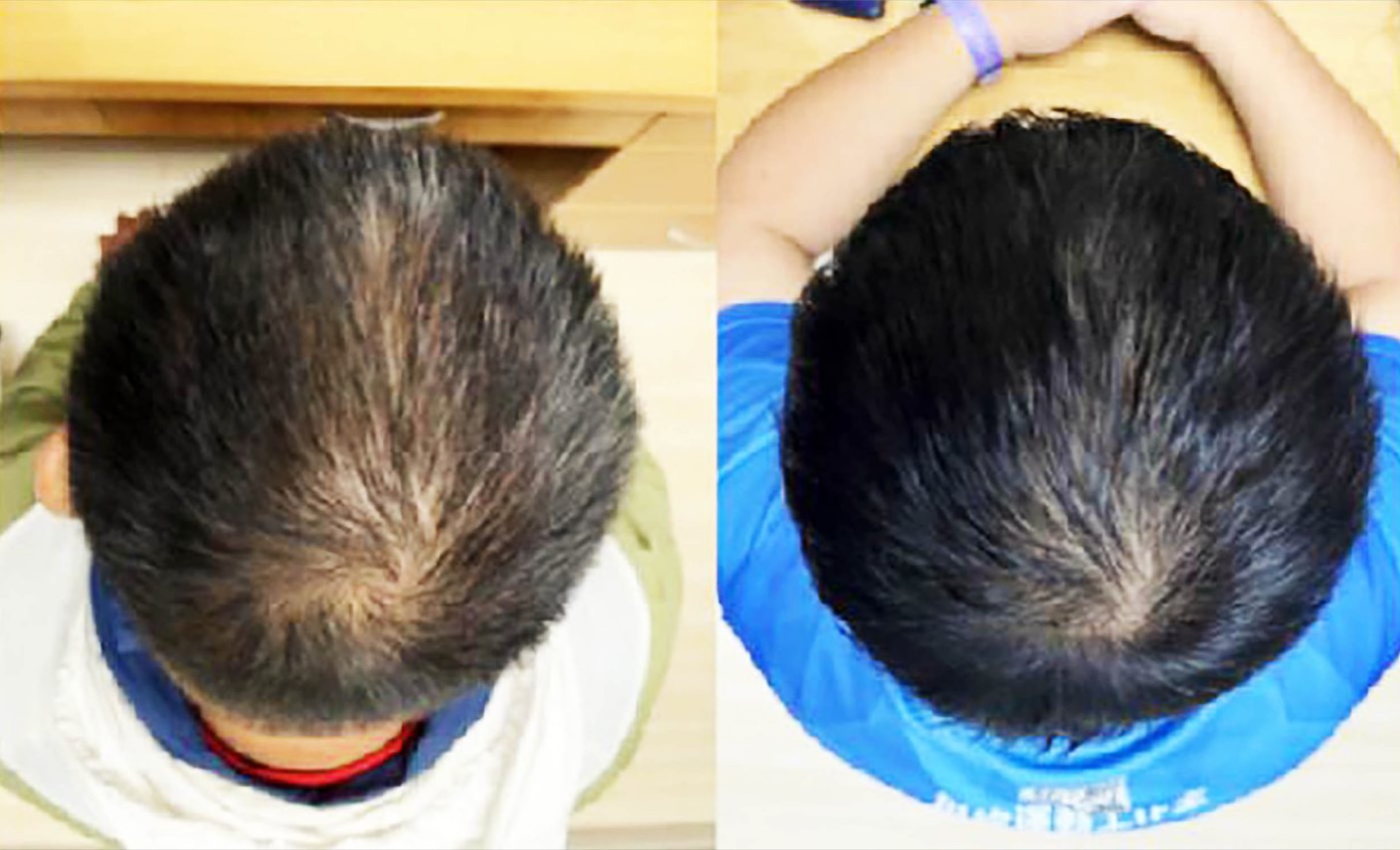
Centella Asiatica Plant Exosome Topical Serum Lifts Hair Density Nearly 25% in Eight Weeks
A 60-person, 8-week RCT from Schweitzer Biotech, posted to medRxiv. A nightly topical serum combining Centella asiatica-derived exosomes with caffeine, panthenol, FGF7, and IGF-1 raised hair density nearly 25%. The mechanism is anagen phase extension, not 5-alpha reductase blockade.

PEA 600mg over 6 Weeks Lifted SDNN by 9.7ms in Stressed Female Students
A Frontiers in Nutrition crossover trial showed that 16 female university students taking palmitoylethanolamide (PEA, Levagen+) 600mg for 6 weeks gained 9.70ms in heart rate variability SDNN, while placebo lost 5.72ms. The standard marker of autonomic stress resilience showed clear divergence.

Mayo Clinic Senolytic Trial: Postmenopausal Women with High Senescent Burden Show +2.7% BMD
Mayo Clinic randomized 60 postmenopausal women on dasatinib + quercetin (D+Q) intermittently for 20 weeks. The primary endpoint missed, but in the subgroup with the highest senescent cell burden, P1NP rose +34%, CTx dropped -11%, and distal radius BMD increased +2.7%. The first RCT signal that senolytics may target osteoporosis.
Retinal 0.1% Trial: Dermal Density and Wrinkle Reduction in 56 Women Aged 30-58
A 2025 Cosmetics journal trial evaluated stabilized retinaldehyde 0.05% and 0.1% in 56 women over 12 weeks. Both concentrations significantly increased dermal density, but only the 0.1% dose produced significant wrinkle depth reduction, clarifying that concentration is the decisive variable for visible wrinkle effect.
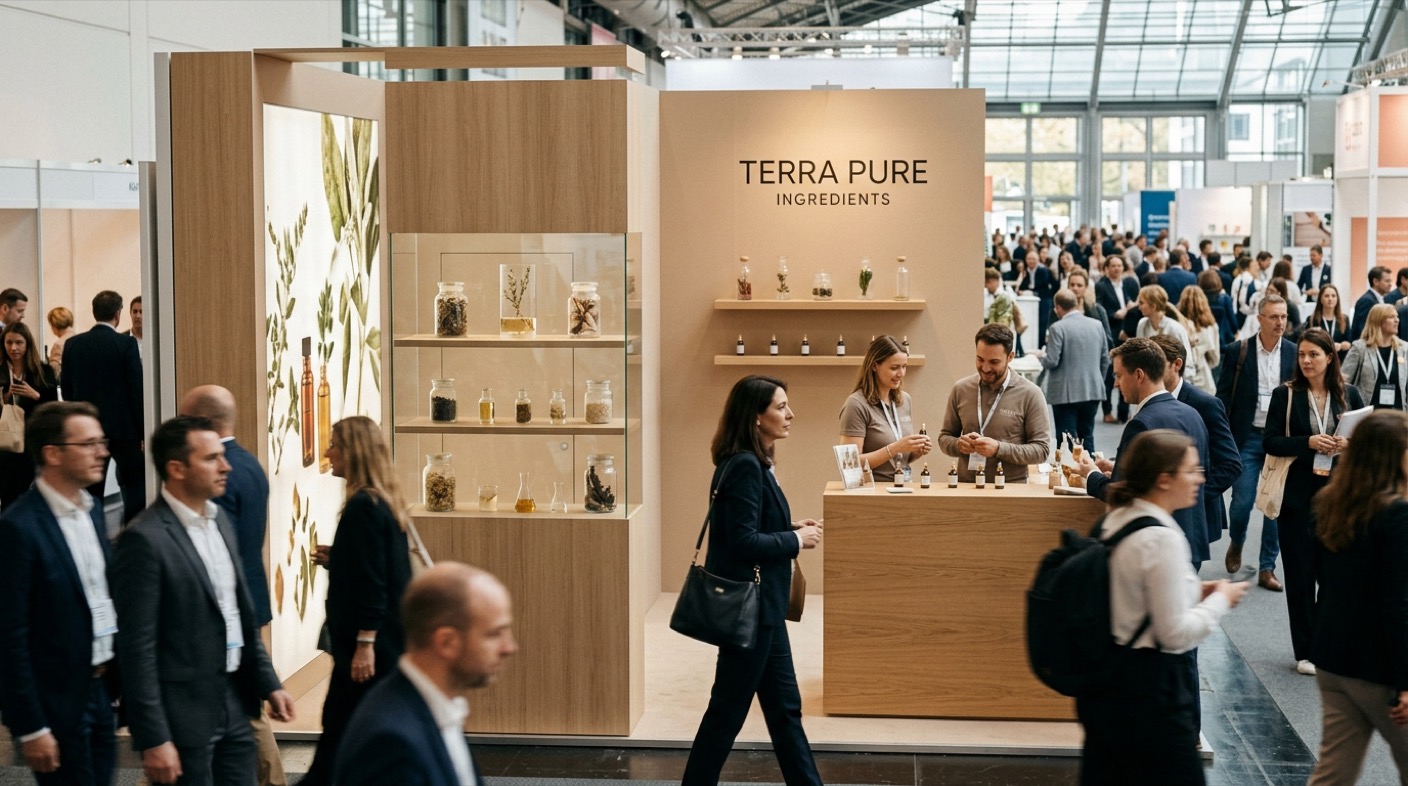
in-cosmetics Global 2026 Paris: 14,000 Attendees, 250 New Ingredients, and a New Inner Beauty Zone
in-cosmetics Global 2026 ran April 14-16 at Paris Expo Porte de Versailles with 14,000+ attendees, 1,000+ exhibitors, and 250 newly launched ingredients. The new Inner Beauty Zone reflects 41% of global consumers using beauty supplements. The Upcycling Hub and plant exosomes anchor the trend lines.

Creatine 2-Year Trial: BMD Unchanged, but Femoral Bone Geometry Improved in Postmenopausal Women
A 237-participant 2-year RCT showed creatine plus resistance training did not change femoral BMD but improved proximal femur bone geometry. Another 2-year trial in osteopenic women showed no benefit, clarifying that resistance training co-administration is the decisive variable.

Vitamin K2 TAKEOVER Trial: Neuromuscular Recovery Shortens in Adults 65+
The TAKEOVER trial in Medicine & Science in Sports & Exercise compared 12-week vitamin K2 (MK-7) supplementation in two cohorts (18-40 vs 65+). Full-cohort effects on strength, soreness, and inflammation were null, but adults 65+ showed shorter electromechanical delay (EMD). The vitamin K-dependent protein Gas6 emerges as a neuroprotective mechanism.

BMS Updates January 2026 Tool for Prescribing Testosterone in Menopausal Women
The British Menopause Society released an updated clinician's tool in January 2026 covering indications, dosing, and monitoring for female testosterone prescription. The primary indication is hypoactive sexual desire disorder (HSDD), with libido response in 6-12 weeks and energy in 4-8 weeks.
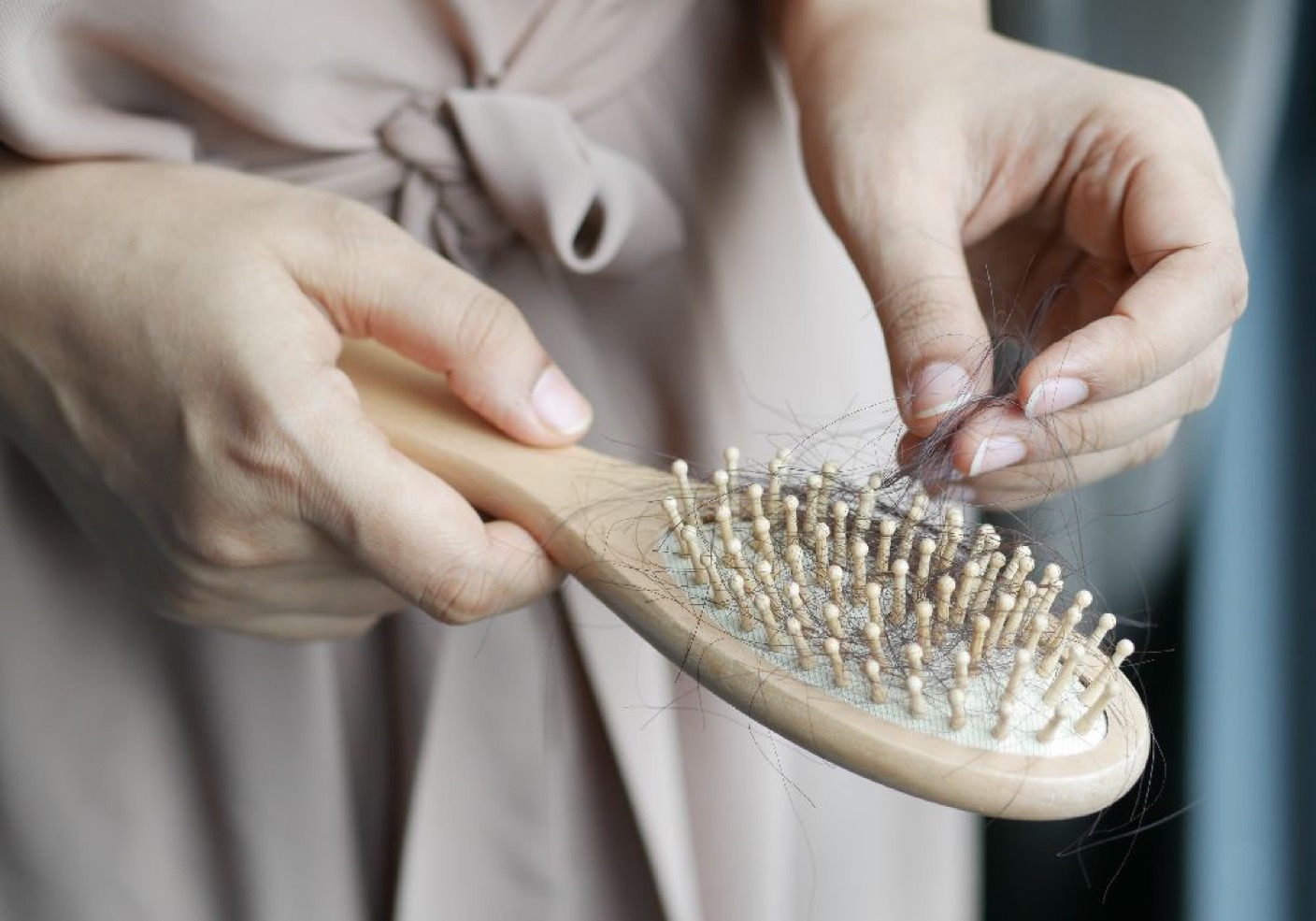
GLP-1 Hair Loss Is Driven by Rapid Weight Loss, Not the Drug Itself
Reported by NewBeauty April 14, 2026. Dr. Julie Russak's clinical pattern: telogen effluvium starts at month 3, peaks at months 4-6, stabilizes around month 9. The catabolic state and nutrient deficits are the real triggers, and stabilization comes before regrowth.

PP405 Reactivates Dormant Hair Follicle Stem Cells: 31% Saw Density Rise 20%+ in Phase 2a, Phase 3 Beginning in 2026
Pelage Pharmaceuticals' PP405 produced a 31% responder rate (>20% hair density gain) at week 8 versus 0% on placebo in 78 androgenetic alopecia patients in Phase 2a, after 4 weeks of topical application followed for 12 weeks. The first-in-class mechanism reactivates dormant hair follicle stem cells. Phase 3 begins in 2026.

Niosomal Tranexamic Acid + Niacinamide Cream Matches Hydroquinone in 99-Patient Melasma Trial
A Scientific Reports 2025 RCT in 99 melasma patients showed that niosomal tranexamic acid 2% / niacinamide 2% cream produced comparable MASI reduction to hydroquinone 4% at substantially lower irritation rates, opening a wider safety margin for long-term melasma management.

PDRN/PN Goes Mainstream in K-Beauty, Vegan Seaweed Alternatives Emerge
Salmon-derived PDRN/PN spreads from clinics to home care, entering K-beauty mainstream in 2026. Simultaneously, seaweed-derived alternatives target vegan and halal markets. PDRN (shorter chain, repair) and PN (longer chain, structural support) standardize as separate mechanism categories.

Top Grip Strength Group Cuts Mortality 33% in 5,472 Women Aged 63-99
Published in JAMA Network Open February 17, 2026, the OPACH study tracked women averaging 78.7 years for 8.3 years. Highest grip strength group showed 33% lower mortality risk; fastest chair-stand group, 37%. The protective effect held even when participants did not meet 150-minute weekly aerobic guidelines.

Inositol Meta-Analysis of 898 Patients Across 18 RCTs Shows Simultaneous Improvements in Insulin Resistance, Blood Pressure, Triglycerides
Published in Diabetology & Metabolic Syndrome on October 29, 2025, the systematic review pooled 18 RCTs with 898 participants. Inositol supplementation improved BMI by -0.57, HOMA-IR by -1.21, diastolic blood pressure by -6.12 mmHg, and triglycerides by -29.80 mg/dL. The supplement is settling as a core option for PCOS and perimenopausal insulin sensitivity.
Galderma Brings 22 Abstracts to AAD 2026, Including Nemluvio's 104-Week Safety and Trifarotene Data
At the American Academy of Dermatology 2026 annual meeting, Galderma presented 22 abstracts including late-breaking data. The portfolio centers on Nemluvio's 104-week long-term safety in atopic dermatitis, the fourth-generation retinoid trifarotene (AKLIEF), and five Cetaphil e-posters.

Kenvue Brings 20 Abstracts to AAD 2026: Neutrogena Collagen Bank and BEMT Sunscreen
At the American Academy of Dermatology 2026 annual meeting, Kenvue presented 20 abstracts across Neutrogena, Aveeno, and Rogaine lines. The Collagen Bank Vitamin C Serum at 15%, BEMT sunscreen pursuing US approval, and Aveeno Calm & Restore stimulating fibroblast hyaluronic acid synthesis anchor the news.

GELITA VERISOL: 44 Women Aged 39-75, 16-Week RCT, Statistically Significant Hair Thickness Gain
GELITA's first peer-reviewed clinical study showed statistically significant hair thickness increase after 16 weeks of 2.5g daily VERISOL collagen peptide. In vitro human hair follicle cell proliferation rose 31%. The collagen peptide category extends from skin into hair clinical territory.

Neurogan's 2% Copper Peptide Body Care Cuts Wrinkle Depth 32.8% in 12-Week Trial
Neurogan Health's April 2026 launch of 2% GHK-Cu body care reported 32.8% wrinkle depth reduction and 20-30% skin firmness improvement in a 12-week trial, signaling peptide anti-aging's expansion from face to body.

Ozempic Face: 63% of U.S. Med Spa Patients Added Aesthetic Procedures After GLP-1
Rapid weight loss from GLP-1 agonists drives facial fat compartment loss, infraorbital hollowing, and temporal concavity. A survey of 174 U.S. medical spas found that 63% of patients did not seek facial aesthetics before weight loss but added procedures afterward, with U.S. aesthetic patients spending $160 million per month on weight loss treatments.

Peptide Therapy Searches Up 281% on Google, Hitting the 2026 Search Trend Peak
As of April 2026, 'peptide therapy' searches grew 281% YoY on Google, 459% on TikTok, and 412% on Instagram, with co-search terms NAD up 601%, GLP-1 up 177%, and anti-aging up 162%. Peptides are moving from a single category to the intersection of anti-aging, longevity, and weight loss.

Topical Prebiotic, Probiotic, and Postbiotic Skincare Get Their 2026 Efficacy Map
A February 2026 Cosmetics journal review consolidated the topical microbiome skincare evidence base. Multistrain Lactobacillus probiotics significantly improve atopic dermatitis SCORAD scores, while β-glucan and galacto-oligosaccharide prebiotics relieve dry skin and atopic symptoms across accumulated meta-analyses.

Olay Names Cell Adhesion the Decisive Driver of Visible Skin Aging at AAD 2026
At the American Academy of Dermatology 2026 annual meeting, Olay reports that cell adhesion, not collagen depletion alone, separates exceptional skin agers from the rest. The Hexa-Repair Peptide Complex pairs Triple Collagen Peptide with Argireline.
dsm-firmenich Debuts Plant-Based Exosome Exovive Lift, Wrinkle Reversal Equivalent to 8 Years
At in-cosmetics Global 2026 in Paris, dsm-firmenich introduced Exovive Lift, a plant exosome ingredient combining Alpine apple, Mediterranean tangerine, and Sicilian papaya. Two months of use produced 30% elasticity gain and wrinkle reduction equivalent to eight years.

Symrise Launches Cellexora MD, an Upcycled Apple-Derived Plant Exosome
Announced April 2 and showcased at in-cosmetics Global 2026 in Paris, Symrise's Cellexora MD draws exosomes from organic Italian apple side streams. 100% natural origin per ISO 16128-2. 30-day clinical study measured wrinkle length, depth, and volume.
Nestle and NTU Singapore Open Joint Research Lab on Women's Health and Longevity
Announced April 20, 2026, Nestle Health Science partners with NTU Singapore, Imperial College London, and the National Healthcare Group in a multi-year research lab. The HELIOS cohort of approximately 50,000 adults anchors the data backbone for menopause nutrition and longevity pathways.
BASF Unveils 41% Damaged Collagen Reduction Peptide and Recombinant Collagen III
BASF launched NeoHelix Regenerate (41% reduction in damaged collagen, 65% increase in hyaluronic acid) and SkinNexus Collag3n, a yeast-fermented recombinant Collagen III fragment, at in-cosmetics Global 2026 in Paris.

Creatine 20g for 8 Weeks Shifts Brain Energy in Alzheimer's Patients, CABA Trial 2026
The CABA trial's 2026 bioenergetic data shows 20 g/day creatine monohydrate raised brain creatine 11%, improved working memory, and significantly increased lymphocyte ATP in Alzheimer's patients. Mitochondrial effects were stronger in women.

Beyond Pain Relief: How Boswellia and Celery Seed Are Rebuilding Cartilage
A 2025 randomized controlled trial in Pharmaceutical Research found that a boswellia and Apium graveolens combination reduced cartilage breakdown markers by 41% and increased cartilage regeneration markers by 46% in 90 days.

Elinzanetant Cuts Hot Flashes 73% via Dual NK1/NK3 Receptor Blockade
Published in JAMA Internal Medicine September 2025, the Phase 3 trial in over 600 postmenopausal women showed 73% reduction in hot flash frequency and severity at week 12. Spring 2026 marks global prescribing expansion of the first hormone-free option matching HRT-class effect size.

When Your Gut Produces GABA, Sleep Changes: The Lp815 RCT
100% of women improved sleep. Anxiety scores dropped significantly within six weeks. A single-strain RCT of Lactiplantibacillus plantarum Lp815 published in Scientific Reports shows the gut-GABA pathway working in humans.
OEA Supplement 12-Week Trial Lifts GLP-1 and Akkermansia Together
Daily oleoylethanolamide (OEA, 250mg) over 12 weeks in 57 adults with obesity raised GLP-1 concentrations at weeks 6 and 12, significantly boosted gut-protective Akkermansia muciniphila, and produced weight loss in those with BMI under 35.

Olive Leaf Extract Lowers Systolic Blood Pressure by 6.4mmHg in 621-Person Trial
A double-blind RCT in 621 hypertensive patients found olive leaf extract significantly reduced blood pressure load, lipid levels, and inflammatory markers over 12 weeks. Published in the Journal of Hypertension.
Biologica Raises $7M to Launch Hormone-Stage Women's Supplements
Founded by an Allbirds co-founder couple with a $7 million seed round, Biologica offers three sachet systems for women aged 18-45, 40-55, and 50+ at $79 each. The formulas anchor on 28mg saffron extract plus calcium, vitamin D, and K2, compressing 7-10 pills' worth of nutrients into a single sachet.

Add Ceramides to Salicylic Acid and Watch Sebum Drop 23% in 21 Days
A 42-participant clinical study found that a gel combining 2% salicylic acid with three ceramide types achieved a 23.65% sebum reduction, 49.26% TEWL decrease, and 40.5% hydration increase in just three weeks — with zero dropouts.
DIM Reshapes Estrogen Metabolism in Postmenopausal Women on Estradiol Patches
A July 2025 Menopause Journal study tracking 1,458 postmenopausal women on transdermal estradiol patches found that those concurrently taking DIM showed elevated protective 2-OHE1 metabolites and reduced proliferative 16-OHE1, signaling a complementary strategy for widening the safety margin of hormone replacement therapy.

Postmenopausal Skin Loses 2.1% Collagen Yearly; HRT Restores 33% Dermal Thickness in 12 Months
A 2025 Journal of Cosmetic Dermatology review quantified annual postmenopausal skin changes: collagen 2.1%, thickness 1.13%, elasticity 1.5%. Hormone therapy started within 10 years of menopause restored 11.5% skin thickness and 33% dermal thickness in 12 months. Yet 47% of postmenopausal women report receiving no information about menopause's effect on their skin.
White Kidney Bean Extract Over 45 Days: 2.1 kg Weight Loss, 6.4 cm Waist Reduction in Controlled Trial
A randomized, double-blind, placebo-controlled trial found that Phaseolean, a proprietary white kidney bean extract, significantly reduced body weight, fat mass, and waist circumference over 45 days without adverse effects.

Senolytics Shift Cognition and Mobility in Alzheimer's-Risk Older Adults, STAMINA Pilot Finds
In a 12-week pilot trial, older adults at Alzheimer's risk who received intermittent dasatinib and quercetin showed a significant 2-point MoCA improvement in those with greatest cognitive decline, alongside reductions in inflammation marker TNF-α. The first senolytic data targeting cognitive health.
Synbiotic Supplement Cuts Blood Sugar, LDL, and Vascular Inflammation in Older Adults with Diabetes
A triple-blind RCT in 96 high-risk elderly diabetic patients found that four months of multi-species probiotic plus fructooligosaccharide supplementation simultaneously reduced fasting glucose by 22.83 mg/dL, LDL by 10.83 mg/dL, and VCAM-1 by 85.70 ng/L, with no serious adverse events.

From 6 Hot Flashes a Day to 2: Fezolinetant's Japan Phase 3 Trial Succeeds
Astellas announced in February 2026 that fezolinetant 30mg and 45mg significantly reduced hot flash frequency versus placebo in 410 Japanese women. Here's what the STARLIGHT 2 results mean, and why the KNDy neuron science matters for all women.
BASF SkinNexus Collag3n: Vegan Yeast-Fermented Human-Identical Collagen III Outperforms at 1/10 Concentration
Launched at in-cosmetics Global Paris in April 2026, SkinNexus Collag3n is a recombinant Collagen III fragment produced via vegan yeast fermentation. A 4-week clinical study in women aged 53-70 showed sagging reduction and elasticity improvement at one-tenth the concentration of the market collagen benchmark.

0.1% vs 0.05% Retinaldehyde: A 24-Week Split-Face Trial Shows Where the Line Is
56 women. 24 weeks. One concentration reduced forehead wrinkle area by 79.9%, the other didn't reach significance. Here's what a rigorous split-face trial reveals about retinaldehyde dosing.

High-Molecular-Weight Oat Beta-Glucan Beverage Cuts LDL by 6% and CVD Risk by 8% in 4 Weeks
The same 3g dose produced different outcomes depending on molecular weight. A Journal of Nutrition trial shows why the structure of beta-glucan matters as much as the amount.

Citicoline 500mg for 12 Weeks Boosted Episodic Memory in Healthy Older Adults
A randomized double-blind trial of 100 healthy adults aged 50–85 found that 500mg daily citicoline significantly improved episodic memory scores versus placebo over 12 weeks.

Myo-Inositol 4g and PCOS Pregnancy: What the First Multicenter RCT Actually Found
The MYPP trial was designed to confirm a 65% reduction in gestational diabetes and preterm birth in PCOS pregnancies. Here is what the data from 464 women across 13 hospitals actually showed, and what myo-inositol still offers.

Bakuchiol Matched Retinol on Wrinkles, Beat It on Pigmentation
A randomized controlled trial in the British Journal of Dermatology found bakuchiol 0.5% performed on par with retinol 0.5% over 12 weeks for wrinkles and hyperpigmentation, while causing significantly less scaling and stinging.
Can 5kDa Hyaluronic Acid Reach Your Skin When Swallowed? A 12-Week Double-Blind Trial Has Answers
A 150-person randomized double-blind placebo-controlled trial showed that oral low-molecular-weight hyaluronic acid improved five skin metrics in 12 weeks, including hydration, barrier function, and wrinkle depth. The 5kDa threshold is where absorption actually begins.

Lactoferrin 600mg Reawakens Immune Cells After Age 50
A 4-week randomized controlled trial published in the Proceedings of the Nutrition Society found that 600mg/day lactoferrin significantly increased T cell populations and reduced IL-6 and CRP in healthy adults aged 50 and over. The 200mg dose engaged different immune pathways entirely.

Is Apple Watch HRV Real? Five Longitudinal Studies on the Truth of Autonomic Signals
A meta-analysis of five longitudinal studies found Apple Watch underestimates HRV by 8.31ms on average. Here is what that means for trend tracking, recovery feedback, and knowing when the number stops being useful.
80% of Women on 200mg Ubiquinol Felt Different in Two Months
A consumer survey of 200 women aged 45–55 found that 80% reported reduced menopause symptoms after two months of 200mg daily ubiquinol. Here's what the numbers tell us — and where they fall short.
Six Months on Selenium: 21 RCTs Reveal How Far Thyroid Antibodies Drop
A meta-analysis pooling 21 randomized controlled trials and 1,610 patients maps selenium's effects on Hashimoto thyroiditis by time point and supplement form. TPOAb, TgAb, TSH — when each moves, by how much, and why Brazil nuts can't replicate it.

Blue Light, Melanin, and the FZD2 Pathway Behind Screen Pigmentation
A 2025 study in Materials Today Bio maps the molecular pathway from phone screen exposure to skin darkening. FZD2-TYR signaling, iron oxide sunscreens, and what your SPF isn't blocking.
Kiwifruit Extract 8-Week Trial Cuts IBS-C Pain by 30 Percent
A 2025 double-blind RCT in JGH Open found that 575mg kiwifruit extract taken daily for eight weeks significantly improved spontaneous bowel movement frequency, stool consistency, and abdominal pain in IBS-C patients, with the strongest effects in those with severe baseline pain.

FDA Lifts the Black Box on Menopause Hormone Therapy After 21 Years
In November 2025, the FDA began removing cardiovascular, breast cancer, and dementia warnings from all estrogen-containing HRT products. The 2002 WHI study's grip on hormone therapy is finally loosening.

Fisetin Reverses Vascular Aging Through CXCL12, First Direct Evidence
A 2026 Aging Cell study reveals, for the first time, the causal mechanism by which fisetin reverses vascular aging. The key target is CXCL12, a signaling molecule secreted by senescent cells.

Microplastics in Preterm Placentas, Higher Than Blood Levels
A study analyzing 175 placentas found significantly higher microplastic and nanoplastic concentrations in preterm placentas than in term placentas, with levels exceeding those measured in human blood.

GHK-Cu Copper Peptide Returns: What the 12-Week Clinical Numbers Actually Show
The tripeptide Loren Pickart isolated from human serum in 1973 is trending again on TikTok's skin cycling feeds. Here's what 55.7% wrinkle depth reduction, a 12-study safety review, and delivery method comparisons actually mean for your routine.
Spermidine Autophagy: 187 Elderly Heart Patients, Answers This August
Aarhus University Hospital is giving 187 coronary artery disease patients aged 65+ a daily 24mg dose of spermidine for 48 weeks. The POLYCAD trial wraps in August 2026, and it's the largest RCT yet to test whether autophagy can slow cardiovascular aging.
Psychobiotics in 2026: How Far the Gut-Brain Mood Hypothesis Has Come
A Frontiers in Microbiology review synthesized clinical data from 2016 to 2025. Evidence for specific strains like PS128 reducing stress and depressive symptoms is building, but effects are entirely strain-specific and population-dependent.
Vitamin K2 MK-7 in 165 Postmenopausal Women: New Post-Hoc Vascular Findings
A 2025 post-hoc analysis of 165 postmenopausal women found that 180μg/day MK-7 for one year significantly improved blood pressure and vascular compliance in those with elevated arterial stiffness.
Methylene Blue Microdosing: Where Biohacker Hype Meets Clinical Reality
From 1870s textile dye to malaria treatment to biohacking supplement. How a single study of 26 people fueled a trend, why FDA classification remains ambiguous, and why this poses a real risk for roughly 13% of American adults.

BPC-157 Recovery Peptide, Only 3 Human Trials After 36-Study Review
A February 2026 systematic review in Pharmaceuticals examined 36 BPC-157 studies. 35 were animal experiments. Yet injection use in sports medicine clinics is accelerating.

DHM Supplement 12 Months, Liver Enzyme Normalization 7x Placebo
A 12-month randomized controlled trial in MASLD patients found combined ALT/GGT normalization in 35% of the DHM group versus 5% placebo — a 7-fold difference. The hovenia dulcis-derived compound also improved blood glucose, cholesterol, and liver stiffness.

5% White Tea Cream, Periorbital Wrinkle Cutometer Score Significantly Up
A 12-week RCT applying a 5% white tea extract cream showed statistically significant improvements in Cutometer scores at the crow's feet and under-eye area. VISIA wrinkle scores also improved, with no adverse effects.

Rhodiola Salidroside, Half-Dose AMPK Activation Comparable to Metformin
A 2025 Inflammopharmacology study found salidroside at 100mg/kg achieved AMPK activation comparable to metformin at 200mg/kg in vitro. What the skeletal muscle GLUT4 data and beta-cell preservation findings mean, and why the gap to human trials still matters.
Atelocollagen Activates GlyT1 Glycine Transporter, Bypass Route to Collagen
A 2025 IJMS study finds atelocollagen activates the GlyT1 glycine transporter in aged fibroblasts, raising intracellular glycine levels and directly stimulating collagen synthesis through a previously unknown bypass route.
Methyl Adaptogens: Why Turmeric, Green Tea, and Berries Reverse the Epigenetic Clock
An 8-week dietary intervention study found that men who consumed more turmeric, green tea, garlic, and berries showed a statistically significant reduction in their Horvath epigenetic clock. Here's what the polyphenol cluster effect means for biological aging.

Alpha-GPC: A Single Dose, 60 Minutes Later, Stroop Scores Diverge
A randomized double-blind placebo-controlled crossover trial found that a single 630mg dose of alpha-GPC significantly improved Stroop scores 60 minutes post-ingestion. Here is what the data actually shows, and what it does not.
12 Weeks of Beetroot Nitrate Reverses Postmenopausal Carotid Stiffness
A randomized double-blind trial in 60–85-year-old postmenopausal women found that 12 weeks of dietary nitrate supplementation significantly improved carotid artery stiffness. The findings mark the longest clinical evidence that beetroot nitrate can bypass the estrogen-eNOS pathway lost at menopause.

Low-Molecular Collagen Peptide: Skin Effects Persist 2 Weeks After Stopping
A randomized double-blind clinical trial found that 1,650mg daily of low-molecular-weight collagen peptide for 8 weeks improved wrinkles, elasticity, and dermal density, with effects sustained through a 2-week discontinuation period. The Gly-Pro dipeptide stimulates skin fibroblasts to trigger structural change, not just surface hydration.
Carotenoid Glow: How Skin Yellowness Reads as Health and Attractiveness
Carotenoids from carrots, spinach, and sweet potatoes deposit in skin to create a golden warmth that observers consistently rate as healthier and more attractive than UV tan. Clinical trials now show how much, and how long it takes.

Ergothioneine 30mg for 8 Weeks Improves Melanin and Elasticity in Women 35-59
A randomized, double-blind, placebo-controlled trial found that 30mg of DR.ERGO daily for 8 weeks significantly improved melanin index, erythema, skin elasticity (R2/R5/R7), gloss, spots, and wrinkles in 66 women aged 35-59.

AVA-291 Female Testosterone Shows 1,000-Fold Lower Breast Cell Proliferation at AACR 2026
Zero FDA-approved testosterone products exist for women. Aviva Bio's AVA-291 uses deuterium substitution to reduce breast cancer cell proliferation potential by approximately 1,000-fold compared to standard testosterone. Data presented at AACR Annual Meeting, April 2026.

At-Home Hormone Tests for Perimenopause: FSH, LH, Estrogen Kits Compared 2026
From urine strips to blood panels, four at-home hormone test kits reveal what's happening in perimenopause, and where each one falls short.

Magnesium L-Threonate 6 Weeks Improves Sleep and Cognition, Frontiers Nutrition 2026
A randomized, double-blind, placebo-controlled trial in Frontiers in Nutrition shows that 6 weeks of magnesium L-threonate (Magtein) significantly improved cognitive scores versus placebo. Estimated brain cognitive age was reduced by 7.5 years.

High-Dose Vitamin D Didn't Shorten COVID, But May Have Trimmed Long COVID Risk
The VIVID trial (1,747 participants, March 2026) found that 3,200 IU daily vitamin D did not reduce acute COVID-19 severity or hospitalization, but consistent users reported long COVID symptoms at 8 weeks at 21% vs. 25% in the placebo group.
CGM in 3,634 Non-Diabetics Links Diet, Exercise, and Female Hormones to Glucose Variability
A Nature Communications 2026 analysis of the PREDICT cohort reveals how blood sugar fluctuates across healthy adults, and what that means for women navigating hormonal cycles.

A New Peptide That Blocks Two Causes of Wrinkles at Once, Reducing Depth by 10% in Clinical Trial
Medipep-6PN, a peptide identified via phage display technology, simultaneously inhibits muscle contraction and collagen breakdown. A 4-week clinical study recorded a 10.16% reduction in wrinkle depth and 13.00% reduction in wrinkle volume.

Saffron Plus Skullcap Outperforms Either Alone in 180-Person Mood Trial
A 6-week randomized controlled trial from UCLouvain found that combining saffron extract with skullcap (Scutellaria) lowered depression and anxiety scores faster and more substantially than either ingredient alone or placebo. The study is the first human clinical evidence of a synergistic mood effect from complementary plant pathways.

12 Weeks of Prebiotics Reduced Fat Mass and Increased Lean Mass in Prediabetics
A randomized, double-blind trial in 66 overweight adults with prediabetes found that 20g daily of scFOS for 12 weeks reduced fat mass and increased lean mass, with no change in appetite or food intake. Published in Frontiers in Nutrition, the study is the first RCT to report a body composition shift from prebiotic supplementation in this population.

A 10-Peptide Serum Improved Skin in 89.6% of Subjects Over 12 Weeks, Study Finds
A March 2026 open-label clinical trial published in the Journal of Cosmetic Dermatology found that a serum combining 10 peptides, including an EGF-mimicking compound, produced measurable improvements in facial skin quality, neck laxity, and pigmentation in the majority of participants.

PEARL Trial Year-One Data: Rapamycin Moved Lean Mass and Biological Age in Women
A 48-week double-blind RCT found that women taking 10mg rapamycin once weekly gained ~5% lean tissue mass and reported significantly less pain. What the data actually says — and what it doesn't.
Lutein 10 mg with Zeaxanthin Boosts Skin Photoprotection by 150% in 12 Weeks
A peer-reviewed study in Scientific Reports shows oral lutein and zeaxanthin supplementation significantly raises the skin's defense against UV and blue light exposure at the cellular level.

L. crispatus Synbiotic Converts Vaginal Microbiome to Optimal State in 90% of Women
A randomized placebo-controlled trial shows a multi-strain L. crispatus synbiotic achieved CST I conversion in 90% of participants within 21 days, versus 11% in the placebo group. What this means for recurring infections, menopause, and the future of vaginal health.
24 Weeks of Cocoa Flavanols Restore Photo-Aged Skin Elasticity by 8.6 Points
A 24-week randomized trial found daily cocoa flavanol intake at 320mg improved photo-aged skin elasticity by 8.6 percentage points. Here's what the data says, and how to translate it into daily choices.

Sourdough Fermentation Lifts Akkermansia and Bifidobacterium in the Gut
Same flour, same oven, different outcome. Research in Frontiers in Microbiology found that sourdough-enriched bread significantly increased Akkermansia and Bifidobacterium populations compared to yeast-leavened bread, while also lowering blood glucose response and LDL cholesterol.

Lynkuet Cuts Menopause Hot Flashes 73%, First NK1/NK3 Hormone-Free Drug
FDA approved elinzanetant (Lynkuet) in October 2025 as the world's first dual NK1/NK3 neurokinin receptor antagonist. For breast cancer survivors and women who can't use hormones, a real alternative has arrived.

Tru Niagen Launches NAD+ Beauty Supplement with 100mg Niagen for Skin Longevity
Niagen Bioscience brings cellular aging science into the beauty aisle with a first-of-its-kind formula combining 100mg Niagen and 120mg hyaluronic acid. Inside-out beauty gets its most clinically grounded entry yet.

How Chronic Stress Marks Skin DNA in Women 35-55, Clinical Findings From 40 Subjects
Cortisol at 1μM raised DNA damage marker OTM to 2.27, wound healing speed dropped by up to 73%, antioxidant capacity fell 12%. What 40 clinical subjects revealed about stress and skin biology.

How PDRN Protects SIRT1, the Master Aging Protein, as Polynucleotides Go Mainstream
A May 2025 PLoS ONE study reveals how PDRN suppresses nuclear autophagy to protect SIRT1 from degradation. Here's why this K-beauty staple is now landing on medspa menus in New York, Miami, and London.
1.2g/kg Protein Restores Muscle Composition in 126 Women Aged 60-75 Over 12 Weeks
A single-blind RCT published in Frontiers in Nutrition found that 1.2g/kg/day protein for 12 weeks significantly improved MRI-measured thigh and calf muscle cross-sectional area in older women with sarcopenia, alongside 2.3x greater fat loss versus the standard 0.8g/kg group.

Skin Microbiome Cosmetics Heads to USD 830 Million by 2030. Does the Data Follow?
The skin microbiome cosmetics market was valued at approximately USD 435 million in 2024 and is projected to grow at roughly 12% annually to USD 830 million by 2030. Over the same period, reviews keep flagging a gap between lab findings, commercial claims, and validated clinical use.
Spicules Punch, Exosomes Enter. K-Beauty's 2026 Delivery Turning Point
K-beauty is combining spicules (microscopic needle-shaped particles from freshwater sponges) with exosomes into what it calls 'liquid microneedling.' Spicules open 50-200 micrometer channels in the upper epidermis, and exosomes are released into the dermis at the moment of penetration.

Topical Probiotic SkinDuo Reshaped Acne Skin Microbiota in Responders
After using SkinDuo, a topical probiotic containing Lactiplantibacillus plantarum, the 'good responder' group showed reduced relative abundance of Cutibacterium acnes. The shift is not from gut to skin via diet, but a direct reshaping of the skin microbiome at the surface.

La Mer's MPF Serum Improved Barrier Strength 30% in 8 Weeks, Peer-Reviewed Data
La Mer and The Estée Lauder Companies published clinical data in the Journal of Clinical and Aesthetic Dermatology showing that 8 weeks of Macrocystis pyrifera (giant kelp) ferment serum raised skin moisturization 16%, barrier integrity 11%, and barrier strength in tape-stripped skin 30%. Post-procedure recovery also improved.

A Gut Probiotic Slowed Estrogen Decline in Menopausal Women, 113-Person 12-Week Trial
KABP Menopause, a probiotic blend developed by Kaneka and AB-Biotics (Levilactobacillus brevis KABP-052 and two partner strains), kept serum estradiol and estrone significantly higher than placebo in 113 Japanese women aged 45 to 55 over 12 weeks. Published in the Journal of Medicinal Food.
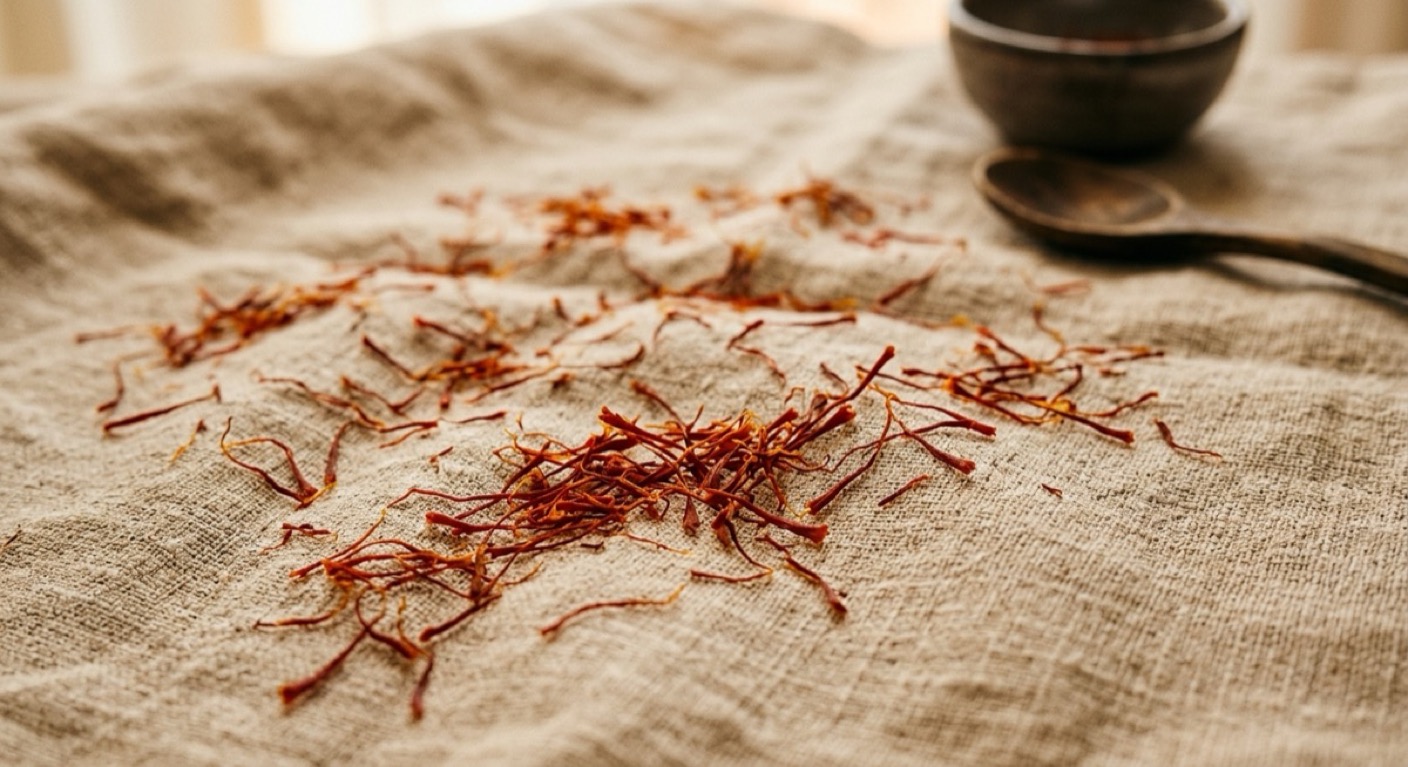
Saffron Extract at 28 mg for 12 Weeks, Mood Improvement in 72% of 202 Adults
A 202-participant trial of affron saffron extract 28 mg daily for 12 weeks saw clinically meaningful mood improvement in 72.3% of the saffron arm versus 54.3% on placebo. It is the largest saffron-mood study to date, and it sits at the intersection of the skin-brain axis and beauty-from-within trends.

Menopause Before 45 Raises Metabolic Syndrome Risk 27%, UPenn Finds in 234,000 Women
A University of Pennsylvania analysis of more than 234,000 women aged 30 to 60 found women who reached menopause before 45 carried 27% higher metabolic syndrome risk. The pattern held after controlling for weight, race, and medication use, adding weight to early menopause as a standalone metabolic risk signal.
Soy Isoflavones Don't Work the Same for Everyone, and S-Equol Is Why
An ADM Novasoy trial in postmenopausal women showed modest group-level gains but concentrated benefits in the subgroup whose gut bacteria produce S-equol.

Shilajit 250 mg Twice Daily Shifted Skin Microcirculation in Women at 14 Weeks
A 14-week trial in middle-aged women found that shilajit 250 mg twice daily improved skin perfusion and upregulated VEGFA and TGF-beta-1 pathway genes. A 2024 meta-review also reported a 27% drop in fatigue and a 19% gain in stress resilience.
Omega-7 at 500 mg for 12 Weeks Raised Skin Hydration and Cut Water Loss
A randomized, double-blind trial with 500 mg palmitoleic acid over 12 weeks raised skin hydration and lowered transepidermal water loss. A role split is settling in: omega-3 handles inflammation, omega-7 handles the skin barrier and hydration.

Pycnogenol Cut Cellulite Visibility by 13.6 Percent in a 60-Woman Three-Month Trial
French maritime pine bark extract Pycnogenol reduced cellulite scores by 12.2 percent at two months and 13.6 percent at three months in a 60-woman Chinese clinical study.

HRT Plus Tirzepatide Pushed Postmenopausal Weight Loss to 20%, Mayo Clinic Data Show
At the 2025 Menopause Society Meeting, Mayo Clinic Jacksonville reported that postmenopausal women using hormone therapy alongside tirzepatide lost 20% of body weight at 18 months, versus about 16% without HRT. The combined response matched that of younger women.
Why Ritual Added Wheat Oil to Its Hyaluronic Acid, and What 63 Adults Showed
A Ritual supplement pairing oral hyaluronic acid with wheat-derived oil moved hydration, elasticity, and wrinkles in a 63-adult clinical study published in Dermatology and Therapy.

At Expo West 2026, Anti-Aging Quietly Gave Way to Skin Longevity
Natural Products Expo West 2026 showed the beauty supplement category moving from cosmetic claims to functional and long-term health framing. Saffron, shilajit, and omega-7 are displacing the collagen-only era, alongside liquid, sparkling, and jelly formats.
Nutrafol Moved From Hair to Skin, and a 102-Person Trial Says It Traveled Well
The hair supplement that dermatologists kept recommending now has a skin-focused formula, and a 12-week study in 102 adults shows tone, texture, and overall appearance all moved.

A Korean Food Company's Collagen Moved Wrinkles, Elasticity, and Pores in Eight Weeks
Nongshim's NS Collagen Peptides improved four skin markers simultaneously in a 70-adult, 8-week trial, placing a Korean food giant on the beauty-from-within map.

Damaged Collagen Down 41%, BASF Unveils Precision Peptide NeoHelix Regenerate
At in-cosmetics Global 2026 in Paris, BASF introduced NeoHelix Regenerate, a precision peptide that reduced damaged collagen by 41% and lifted endogenous hyaluronic acid by 65% after 56 days in women aged 60 to 70. A new approach targeting the skin's own repair machinery.
Why Collagen Became a Drink, The Format Revolution at Expo West 2026
With one in three collagen users now interested in new formats, the category is shifting decisively from powder tubs to sparkling water cans and jelly sticks.
From Collagen to Antioxidants and Omega-7, Beauty From Within Reshuffles at Expo West 2026
At Expo West 2026, the beauty from within category broadened beyond collagen. Antioxidants, saffron, shilajit, and omega-7 climbed alongside collagen, while Vital Proteins introduced a collagen sparkling water and Cymbiotika rolled out nationwide in Ulta, signaling new formats and new retail channels.
30 Percent of Collagen Disappears in Five Years After Menopause, Enter Estrogen Skincare
As evidence mounts that estrogen decline, not age, drives postmenopausal skin thinning, topical estradiol and estriol are opening a new category of hormone-based skincare.

FDA Rewrites the Hormone Therapy Boxed Warning in February 2026
On February 12, 2026, the FDA approved label changes removing cardiovascular, breast cancer, and dementia risk language from the boxed warning of six menopausal hormone therapy products. After more than twenty years, the strongest tier of warning tied to the 2002 WHI findings is being recalibrated.
Resveratrol Works Better When You Swallow and Apply It Together, a 132 Woman Trial Explains Why
A double blind trial in 132 women over 40 showed that combining oral Veri-te resveratrol with a topical serum produced significant wrinkle reduction versus placebo.

Up to 40% of GLP-1 Weight Loss Is Muscle, The 2026 Protein Playbook Shifts
Long-term clinical data from 2025 and 2026 confirms that as much as 40% of the weight lost on high-efficacy GLP-1 medications is lean body mass, not fat. A new protein strategy centers on 1.5 g per kg of fat-free mass, 25 to 30 g per meal, and leucine-rich whey to preserve muscle during weight loss.

Pycnogenol Cut Lipedema Symptoms by 29 Percent in 60 Days, a 100 Person Trial Finds
A French maritime pine bark extract reduced lipedema symptom scores by 29 percent and improved bruising and sensitivity in a 100 person trial over 60 days.
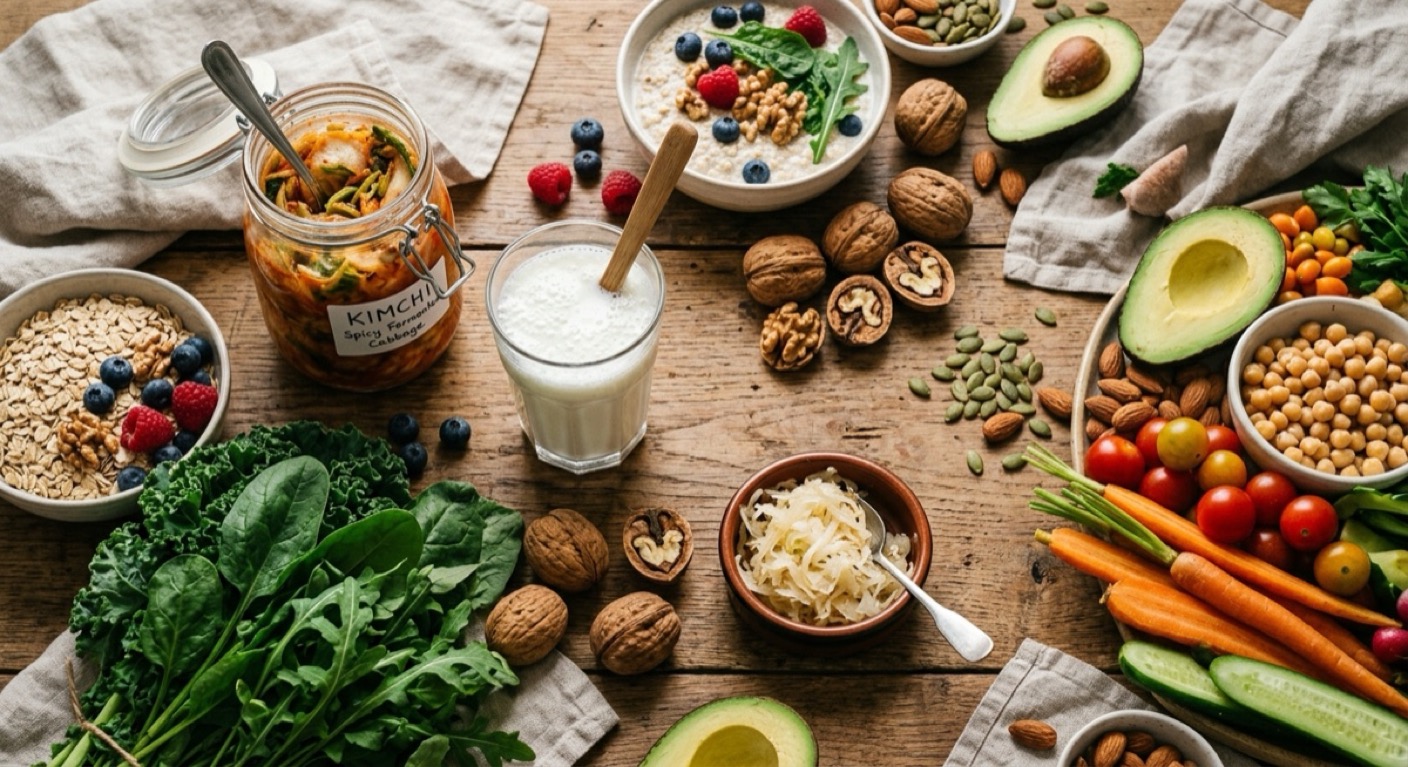
The Gut Skin Axis Is Setting the Pace of Aging, New GeroScience Review 2026
A 2026 review in GeroScience pulls together the evidence that short chain fatty acids, postbiotics, synbiotics, and psychobiotics produced through the gut microbiome directly shape skin barrier function and aging biology. The gut skin axis is now handled as a modifiable pathway, not a loose correlation.

500 mg of NMN for 12 Weeks Changed Hair Follicle Maturation in 15 Japanese Women
A pilot study gave 15 Japanese women in their 40s and 50s 500 mg of NMN daily for 12 weeks and found improved hair follicle maturation alongside better scalp nutrient delivery.

Olive Leaf Oleuropein Preserves Elastin in Postmenopausal Women
A standardized olive leaf extract, Bonolive, maintained elastin levels and reduced the aging marker pentosidine in postmenopausal women in a recent trial.

Vitamin K2 MK-7 Targets Skin Elasticity and Dark Circles at the Same Time
The MK-7 form of vitamin K2 activates a calcium-regulating protein that prevents calcification of elastin and collagen. An 8-week pilot study also found measurable reduction in dark circle intensity.

Why High-Dose Biotin May Be Behind Your Breakouts
Hair, skin, and nail supplements commonly contain 2,500 to 10,000mcg of biotin, far above the 30mcg daily requirement. Two competing theories explain why that excess might be triggering acne.
Molecular Hydrogen Applied to Skin Shows Pore and Pigmentation Changes in 4 Weeks
A pilot study in MDPI Antioxidants found that topical hydrogen-rich water reduced pore visibility, improved pigmentation, and lowered a biological skin age score in 15 participants over four weeks.
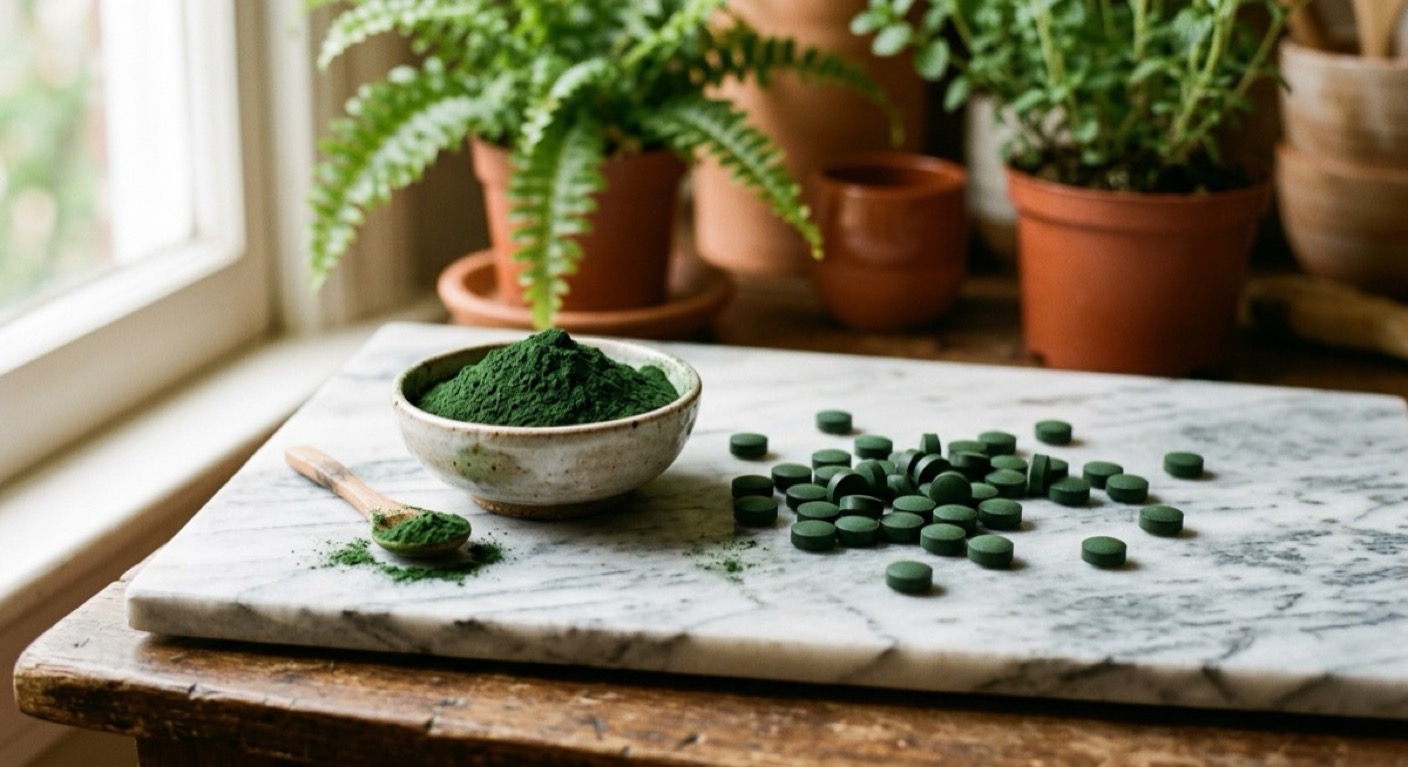
Chlorella, Heavy Metal Clearance, and What It Means for Skin
The green algae chlorella binds heavy metals in the digestive tract and facilitates their excretion. A 90-day study showed reduced metal burden in supplemented patients, with a plausible indirect path to improved skin health.
Trans-Resveratrol Oral Plus Topical Outperforms Either Alone in 8-Week Wrinkle Trial
The first RCT testing trans-resveratrol as a sole active ingredient enrolled 132 women over 40. The combination group showed the greatest wrinkle improvement, pointing to a dual-pathway strategy that addresses the bioavailability problem.
Symrise Launches Cellexora MD, True Plant Exosomes from Upcycled Organic Italian Apples
Symrise unveiled Cellexora MD at in-cosmetics Global Paris on March 31, 2026, a true plant-derived exosome ingredient sourced from upcycled organic Italian apples. A 30-day clinical study confirmed reductions in wrinkle length, depth, and volume alongside improvements in collagen, firmness, and skin resilience.

Sulforaphane: Broccoli Sprouts' Dual Defense of Detox and UV Protection
Broccoli sprout extract activates the NRF2 pathway, boosting benzene excretion by 61% and reducing UV-induced skin redness by 37% in clinical trials. Three-to-five-day sprouts contain 50-100x more glucoraphanin than mature broccoli.

Tru Niagen Enters Beauty Market with NAD+ Complex Featuring Hyaluronic Acid and Astaxanthin
ChromaDex's Tru Niagen, known for its patented nicotinamide riboside (NR) supplement, has launched a beauty-focused formula combining 100mg Niagen with 120mg hyaluronic acid, grape seed extract, biotin, vitamin E, and astaxanthin to support skin from the cellular level up.

PDRN Polynucleotide: K-Beauty's New Paradigm in Skin Regeneration
Derived from salmon DNA, PDRN was first brought to clinical use by Korean dermatology. It promotes fibroblast activity, collagen synthesis, and angiogenesis, while topical PDRN formulations now reach 78% of injectable efficacy according to a 2026 PMC review.

MaryRuth's Targets Ingestible Skin Category as Beauty-From-Within Sales Grow 17.3%
US health supplement brand MaryRuth's is entering the ingestible skin care category as the beauty-from-within supplement market grows 17.3% year-on-year. Brands are navigating a consumer base that now demands clinical rigor alongside format innovation in powders, drinks, and gummies.

NAC and Glutathione: Skin Brightening Expectations Meet Clinical Reality
Glutathione's role in melanin switching has made NAC a popular brightening supplement. But the RCT data on melasma tells a more nuanced story. What NAC does well, and where the clinical evidence stops, is worth understanding before adding it to your routine.

Shilajit: The Himalayan Adaptogen That Powers Mitochondria Through Fulvic Acid
Shilajit's primary bioactive, fulvic acid, supports the mitochondrial electron transport chain and ATP production. An 8-week trial showed increased VO2 max and reduced fatigue markers. Purified extract at 250-500mg is the evidence-based starting dose.

Four Weeks of Dawn-to-Dusk Fasting Upregulates Autophagy Genes in Overweight Adults
A study published in ScienceDirect found that four consecutive weeks of dawn-to-dusk intermittent fasting triggered the overexpression of autophagy-related genes in overweight and obese participants. The findings explain metabolic and anti-aging effects through the lens of cellular self-cleaning, with connections to skin cell renewal.
30 Plants Per Week: Why Gut Diversity Determines Skin Health
Eating 30 or more different plant foods per week is linked to measurably higher gut microbiome diversity. Short-chain fatty acids produced by a diverse microbiome strengthen both the gut lining and the skin barrier simultaneously, according to a February 2026 MDPI review.

in-cosmetics Global 2026 Launches First Inner Beauty Zone as Supplement Sales Rise 17.3%
in-cosmetics Global Paris (April 14~16, 2026) is introducing its first dedicated Inner Beauty Zone, reflecting 17.3% year-on-year growth in beauty supplement sales. Peptides, NAD+, postbiotics, and phosphatidylserine are emerging as the category's defining ingredients for the year ahead.
Taurine and Longevity: The Science Paper NIH Challenged in 2025
A 2023 Science paper linking taurine deficiency to aging caused a supplement surge. Then NIH pushed back. Here's what both studies actually show and what it means for consumers.

Vitamin K2 MK-7: The Dual Role of Sending Calcium to Bones and Out of Arteries
The calcium paradox explains why bones lose calcium while arteries accumulate it simultaneously. Vitamin K2 MK-7 activates two proteins that correct this imbalance, with a 3-year clinical trial in postmenopausal women showing improved arterial elasticity.
Alpha Lipoic Acid Nearly Erases Fine Lines Around the Eyes
A clinical trial found 5% ALA cream nearly eliminated fine lines around the eyes.
Ectoin: A Stress-Protection Molecule Born in Extreme Environments
Microorganisms in salt lakes and deserts produce ectoin to survive conditions that would destroy most cells. That same protective mechanism now has clinical evidence for shielding human skin from UV damage and environmental pollution.

Lion's Mane Mushroom Accelerates Skin Wound Healing Through NGF
Active compounds hericenones and erinacines from Hericium erinaceus stimulate nerve growth factor synthesis, accelerating wound closure, collagen production, and skin cell regeneration in preclinical studies.

Creatine for Women: The Science Beyond the Gym for Brain and Muscle
Women store 70 to 80 percent less creatine in muscle than men, with especially low levels in the frontal cortex. That gap explains why women may see greater cognitive and metabolic benefits from supplementation, independent of exercise.

Astragalus Supplement Lengthened Telomeres in Double-Blind RCT
A double-blind, placebo-controlled trial in 40 healthy adults found that an astragalus-based supplement significantly lengthened median and short telomeres over six months, with no adverse effects reported.

Biostimulatory Fillers: The Next Generation That Builds Collagen, Not Just Volume
The HA filler market is projected to reach $15.35 billion by 2035, but 59% of patients now prioritize longevity of results. Sculptra, Radiesse, and polynucleotides are redefining what a filler can do by triggering the skin's own collagen production.
Drinking Matcha and Collagen Together Changes How Your Skin Handles UV
Matcha EGCG enhances oral collagen absorption and provides UV protection synergy.

Evening Primrose Oil for 12 Weeks, Skin Moisture Up 12.9%, Roughness Down 21.7%
Health and wellness news article.

Sleep Quality Shapes Skin Barrier, New 2025 Clinical Review Finds
A 2025 comprehensive review mapped the biological pathways linking sleep disturbance to skin barrier impairment and accelerated aging. Good sleepers showed 30% faster barrier recovery than poor sleepers.
Oral Hyaluronic Acid Improved Hydration and Wrinkles Across 7 RCTs
A meta-analysis of seven randomized controlled trials found that oral hyaluronic acid supplementation at 120-200mg per day improved skin hydration, elasticity, and wrinkle depth within 4-12 weeks.

Riboflavin 400mg Daily for 3 Months, 59% Migraine Responder Rate
A placebo-controlled trial found 400mg daily riboflavin achieved a 59% migraine responder rate vs 15% placebo over 3 months.

Blue Light Treats Skin Conditions and Ages It, Depending on How It's Used
Blue light operates as a controlled medical treatment for acne and psoriasis at therapeutic doses, while chronic uncontrolled exposure drives oxidative stress, hyperpigmentation, and accelerated aging.
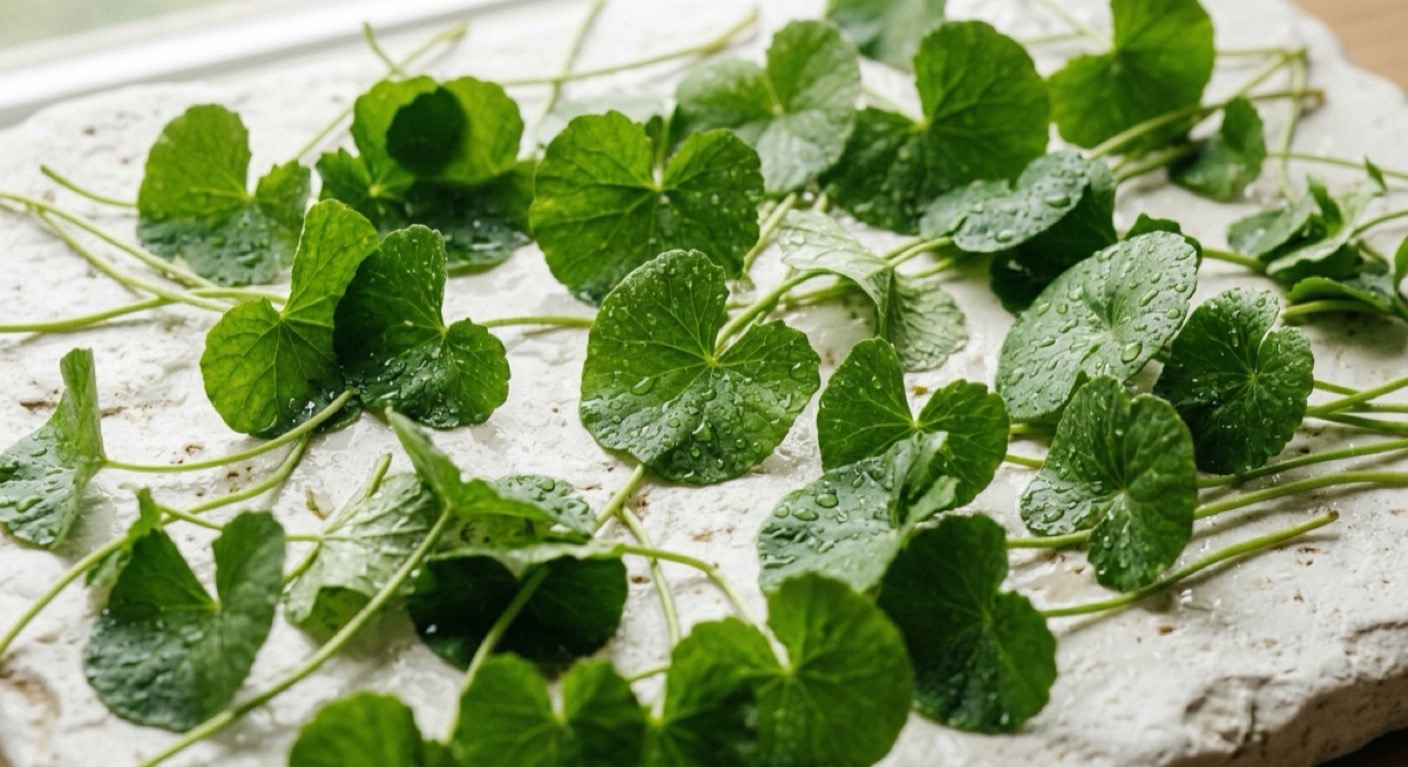
Centella TECA, How Tiger Grass Became K-Beauty's Skin Repair Standard
Centella TECA, How Tiger Grass Became K-Beauty's Skin Repair Standard
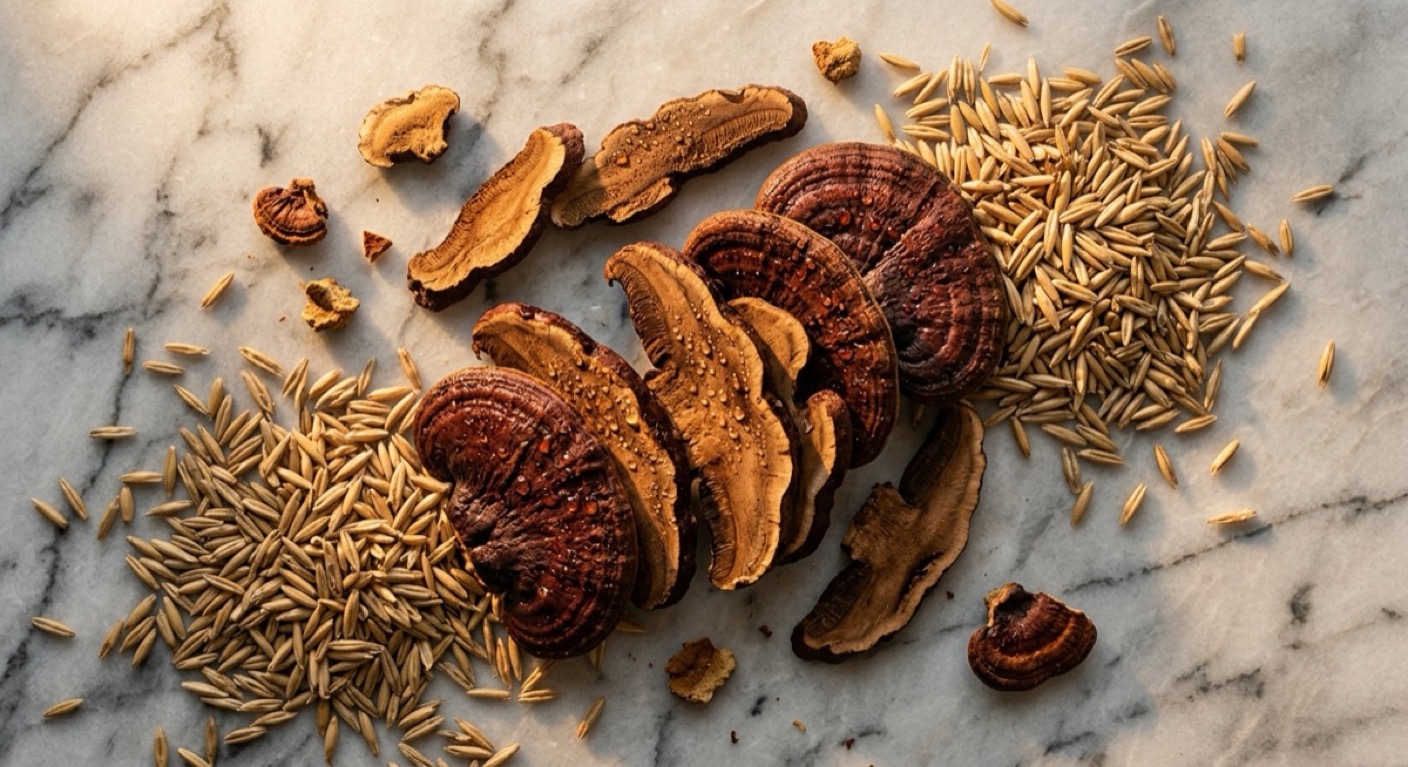
Liposomal Vitamin C Absorbs Up to 5x Better, and Your Skin Feels It
A scoping review of 9 studies found liposomal vitamin C reached peak blood concentrations up to 5.4x higher than standard forms. Here's what that means for collagen and skin health.

Zinc Carnosine Prevents Threefold Gut Permeability Increase, Repairs Intestinal Lining
A double-blind trial shows zinc carnosine blocks NSAID-induced threefold increase in gut permeability and repairs intestinal mucosa. Researchers are also highlighting the gut-skin axis as a key inflammation pathway.
PQQ: The Nutrient That Builds New Mitochondria to Slow Aging
A 2026 Frontiers in Aging study confirms PQQ attenuates muscle atrophy in aged mice by improving mitochondrial function through the PGC-1α pathway. Its NGF activation effects on memory and cognition are drawing additional research interest.

Magnesium Bisglycinate Cuts Insomnia Scores by 28% in German RCT
A German randomized controlled trial of 155 adults found that magnesium bisglycinate 250mg combined with glycine 1,523mg daily reduced insomnia severity scores 28% over four weeks, outperforming placebo.

Phosphatidylserine, from Memory and Stress to the Beauty Shelf
Phosphatidylserine, the essential phospholipid that builds brain cell membranes, is entering the beauty-from-within narrative in 2026. Multiple RCTs show cortisol reduction and cognitive support. Here is why the industry is paying attention.
A 12-Week Polyphenol Supplement Rebuilt Skin Barrier Against Pollution
A randomized controlled trial found that a polyphenolic supplement improved skin barrier function, hydration, sebum regulation, and anti-aging markers over 12 weeks. The NF-κB pathway is the key mechanism.

Red Light LED Therapy: Clinical Evidence for 36% Wrinkle Reduction and Collagen Boost
A controlled trial finds red light LED treatment reduced wrinkle depth by 36% and improved skin elasticity by 19%. Over 90% of participants showed improvement, and Stanford Medicine rates the evidence for wrinkle reduction as fairly robust.

Glycine Reduces Sleep Disruptions and Lowers Biological Age by 1.4 Years
An RCT shows glycine reduces nighttime awakenings from 29.3 to 21.3 per night and improves next-day cognition. A 2026 npj Aging observational trial reports biological age decreased by 1.4 years after six months of collagen amino acid supplementation.

Collagen Amino Acid Composition Reduces Biological Age, npj Aging Study
A 2026 npj Aging study finds that supplementing with a 3:1:1 glycine:proline:hydroxyproline collagen amino acid ratio improved skin markers at three months and reduced biological age by 1.4 years at six months. Animal studies also show increased health and lifespan.

Pomegranate Extract Reduces Crow's Feet 48% in 60-Day Clinical Trial
A double-blind randomized trial of 80 women found that 300mg of Grantria pomegranate extract daily reduced crow's feet wrinkles by 48%, skin roughness by 43.3%, and improved radiance by 42.8% after 60 days.
Topical Omega-3 Does Not Just Calm Skin Inflammation, It Resolves It
When DHA and EPA are applied to skin, they convert into SPMs, specialized pro-resolving mediators that actively clear inflammation rather than suppress it. A new paradigm in topical skincare from the International Journal of Cosmetic Science.
Vitamin D Deficiency Linked to Higher Alopecia Areata Risk, Meta-Analysis Finds
A large-scale meta-analysis reveals significantly lower vitamin D levels in alopecia areata patients, with the strongest association seen in those within the first year of disease onset.

Estriol Skincare Targets the Collagen Collapse After Menopause
Bio-identical estrogen applied topically to skin activates estrogen receptors in the dermis to stimulate collagen synthesis and hyaluronic acid production. The American Society of Plastic Surgeons outlines the science behind hormone-responsive skincare.
PEA Cream Significantly Reduces Eczema Redness, Dryness, and Itch in 4 Weeks
A clinical study of 72 participants showed that topical Levagen+ PEA (palmitoylethanolamide) applied twice daily significantly reduced eczema-associated redness, dryness, and itching over four weeks, with no adverse effects.
Skinimalism and Skin Fasting: What Dermatologists Actually Think
As a counter-movement to 10-plus step routines, skinimalism is gaining momentum in 2026. Dermatologists support the 3-4 step approach but draw a clear line at skipping the fundamentals.

Akkermansia Supplements Only Work if You Start Low
A Cell Metabolism study finds that Akkermansia muciniphila supplementation produces significant weight, fat mass, and HbA1c improvements only in people who had low baseline gut levels. Those who already had high levels saw no meaningful metabolic change.
Blue Zone Diets and Skin Longevity: The Polyphenol Pathways Driving the Link
New research in Ageing Research Reviews maps the cellular mechanisms by which polyphenols abundant in Blue Zone diets slow skin aging, from quercetin's mitochondrial support to Okinawan shell ginger's enzyme inhibition.

Intensilk, Apple Flower Extract Designed to Mimic Caloric Restriction in Skin Cells
Spanish biotech Provital debuted Intensilk at in-cosmetics Global 2026, an apple flower-derived active that reprograms lipid metabolism in skin adipocytes to mimic caloric restriction pathways and promote autophagy.

Collagen Peptides Before Bed Improve Sleep Quality and Skin Recovery Simultaneously
Collagen peptides are 33% glycine by amino acid content. That 3g of glycine at bedtime lowers core body temperature to improve sleep onset, while the overnight hours are when skin repair peaks. The timing logic explained.
Peptide Skincare: Clinical Evidence for Matrixyl and Argireline Wrinkle Reduction
Matrixyl 3000 reduced wrinkle surface area by 36% and depth by 27% in two months. Argireline cut wrinkle depth 30% in four weeks. Here is what the clinical data says about how both work.
Skin Microbiome Bacteria Make Ceramides. Prebiotics Are the Key.
New research details how beneficial skin bacteria trigger ceramide production via sphingomyelinase secretion and SCFA signaling, opening a new angle on barrier repair through topical and oral prebiotics.
NIH Says Taurine Is Not a Reliable Aging Biomarker After All
The 2023 Science paper from Columbia showing taurine deficiency accelerates aging drove widespread taurine supplementation. A 2026 NIH study finds human taurine levels do not consistently decline with age, challenging the foundational assumption.

Resveratrol Reduces Wrinkles in 132 Women Over 40, First Single-Active RCT
A double-blind RCT published in Frontiers in Aging found that oral 150mg plus topical 1.5% resveratrol significantly reduced wrinkles in eight weeks. Gut microbiota metabolites are emerging as the missing link for bioavailability.

Clean at Sephora Surpasses 3,000 Products and Bans PFAS from Packaging
Clean at Sephora has expanded to over 3,000 products across 250-plus brands. A December 2025 update extended its banned list from product ingredients to packaging materials, adding PFAS, bisphenols, silver salts, and mineral oils.

Vitamin C Serum: The Timeline for Collagen Synthesis and Skin Brightening
Vitamin C is both a cofactor for collagen cross-linking and a tyrosinase inhibitor for brightening. Visible changes start within three to seven days; collagen remodeling peaks at eight to twelve weeks.
Azelaic Acid: One Ingredient for Acne, Rosacea, and Melasma
Azelaic acid combines antibacterial, anti-keratinizing, melanin-inhibiting, antioxidant, and anti-inflammatory actions in a single molecule. It is FDA-approved for rosacea and clinically proven for acne and melasma.

Probiotics During Pregnancy Reduce Child's Atopic Dermatitis Risk by 10.6%
A meta-analysis found that probiotic supplementation during pregnancy lowers the child's atopic dermatitis risk by 5.7% overall, and 10.6% when Lactobacillus strains are used. WAO recommends this approach for high-risk families.

Women's Health Market Projected to Hit $600B by 2030
PwC analysis puts the women's health market at $195-205B today and projects $600B by 2030. Only 5% of healthcare R&D currently targets women's health, while menopause investment is growing at 13% annually.

Biologica Launches Hormone-Stage Supplements for Women, Backed by $7M and 1,000-Person Study
Founded by Allbirds co-founder Joey Zwillinger and his wife Liz, Biologica debuts three supplement lines designed around women's hormonal stages, from reproductive years through post-menopause.
Colostrum Supplements Hit $19M in US Sales, Up 3000% in Two Years
US colostrum supplement sales surged from $612K to $19M in two years, driven by celebrity endorsements and claims around lactoferrin, growth factors, and skin benefits. The evidence, however, remains thin.
Licorice Extract GutGard Shows GLP-1 Support in Preclinical Study
Natural Remedies completed a preclinical study showing GutGard, a standardized Glycyrrhiza glabra extract, may support GLP-1 activity. A human clinical trial is planned for January 2026 to confirm the findings.

Natura Bissé Brings Regenerative Medicine Into Your Moisturizer
Natura Bissé's new Essential Shock Revolution Pro-Exo Collagen Cream ($165) launched March 2026, translating exosome-inspired technology from clinical settings into a luxury daily moisturizer. The Pro-Exo Protein System targets skin suppleness and density through growth factors and bioengineered peptides.
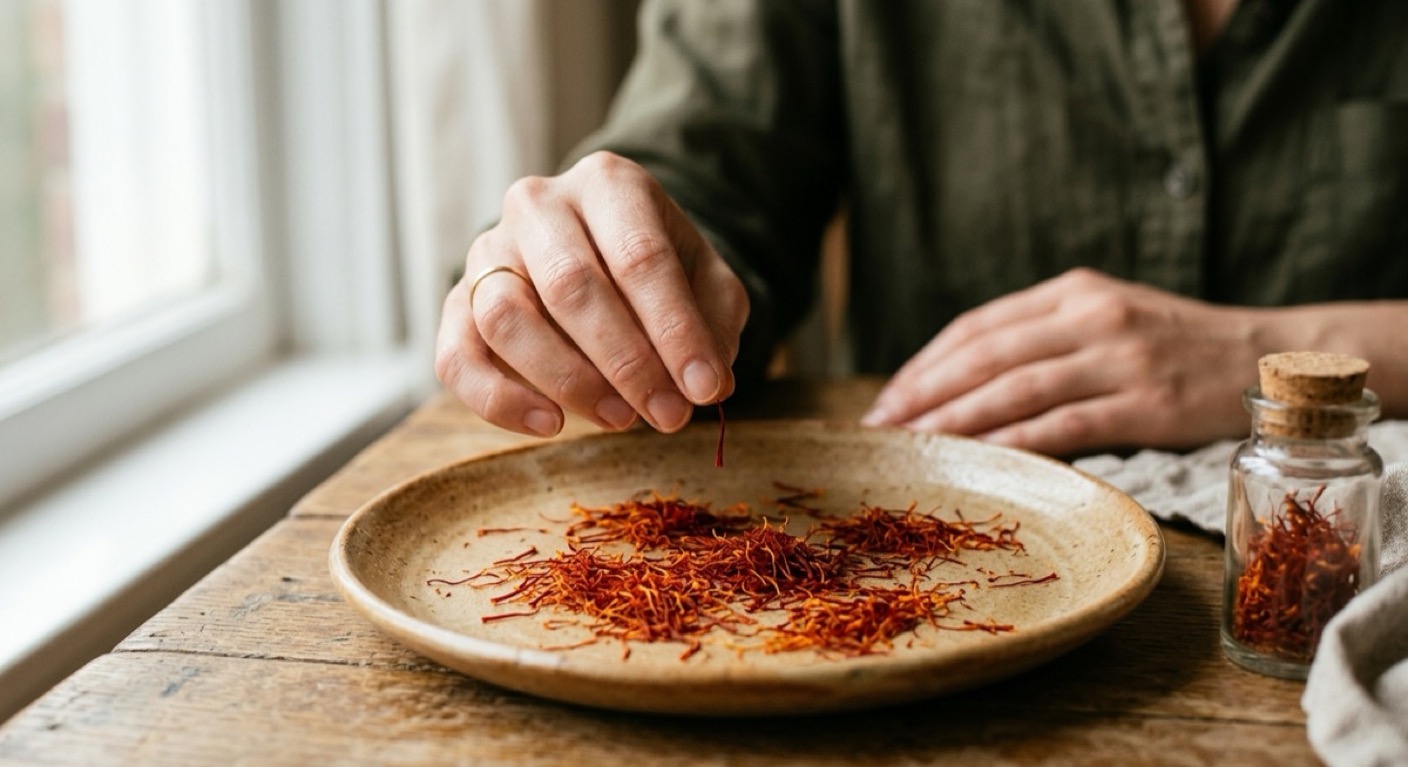
Saffron's Double Act, Fading Dark Spots and Lifting Mood at Once
A 3% Crocus sativus extract cream reduced Melanin Index by ~24 units over 8 weeks, while standardized Affron® extract improved mood in a 4-week double-blind trial with healthy adults.

First Oral Treatment for Female Pattern Hair Loss Enters Phase 2/3 Trial
Veradermics' VDPHL01, an extended-release oral minoxidil tablet, has advanced into Phase 2/3 clinical trials for female pattern hair loss with over 500 women enrolled. Full Phase 2 results expected in 2026.
Baicalin from Skullcap Root Blocks Two Skin Inflammation Pathways at Once
Flavonoids from Scutellaria baicalensis, including baicalin and baicalein, suppress NF-κB and MAPK inflammatory signaling while neutralizing oxidative stress linked to skin aging.

Beyond Cica, Centella Extracellular Vesicles Show 34% Wrinkle Reduction in 28-Day Trial
A pilot study of centella asiatica extracellular vesicle serum found 21% hydration improvement, 34% wrinkle reduction, and 34% redness decrease over 28 days. The next evolution of cica skincare.

La Roche-Posay Enters 1,460 Walmart Stores, Bringing Dermatologist-Recommended Skincare to Mainstream Retail
The French dermocosmetics brand has launched across 1,460 Walmart locations nationwide, pairing five clinical skincare products with a pharmacist training program for in-store consultations.

Olive Young Data Shows Capsule Cream Searches Up 1,379% in 2026
Olive Young search data reveals capsule cream up 1,379%, gel cream up 196%, PDRN up 90%, and barrier-care terms in makeup up 150%. Slow aging is replacing aggressive actives as the dominant K-beauty framework.

Lactoferrin Brewed in a Tank, Not Milked from a Cow
Australian biotech All G has released preclinical data on precision-fermented lactoferrin LFX, showing a 25% drop in inflammatory cytokines and 30–40% stimulation of collagen production. The ingredient represents a new chapter in biotech beauty.
Probiotics Reduce Psoriasis Severity by 4 Points, Meta-Analysis of 15 RCTs
A meta-analysis of 15 randomized controlled trials and 1,423 participants finds probiotics reduce PASI scores by 4.05 and outperform both synbiotics and some systemic pharmacological therapies including anti-TNF-α agents.

Probiotic BB00 Reduces Dry Eye Symptoms After Laser Eye Surgery
Bifidobacterium bifidum BB00 at 1 billion CFU twice daily for 30 days post-laser refractive surgery exceeded placebo outcomes for dry eye symptoms, adding clinical evidence to the emerging gut-eye axis concept.
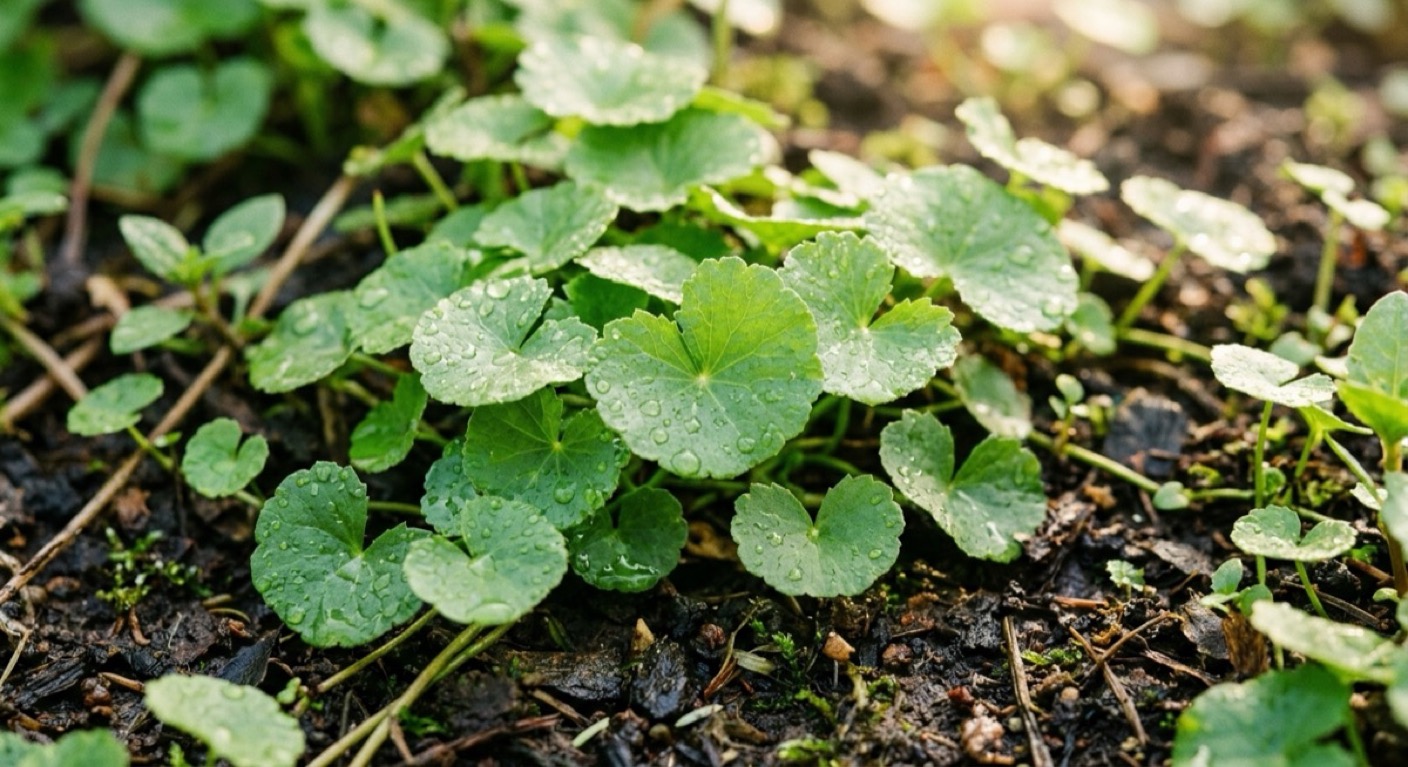
Centella Asiatica TECA: Six Mechanisms Behind Skin Healing
A 2025 Pharmacia review maps TECA's molecular pathways from edema control to angiogenesis modulation. Here is what the science actually says about cica's six-mechanism action.
Screened from 1,800 Natural Compounds, DHM Reactivates Skin Genes Silenced by Aging
Dihydromyricetin (DHM) inhibits a key DNA methylation enzyme, reactivating 34 genes linked to youthful skin. An 8-week clinical trial showed a biological skin age reduction of approximately 2 years and up to 78% reduction in wrinkle volume.
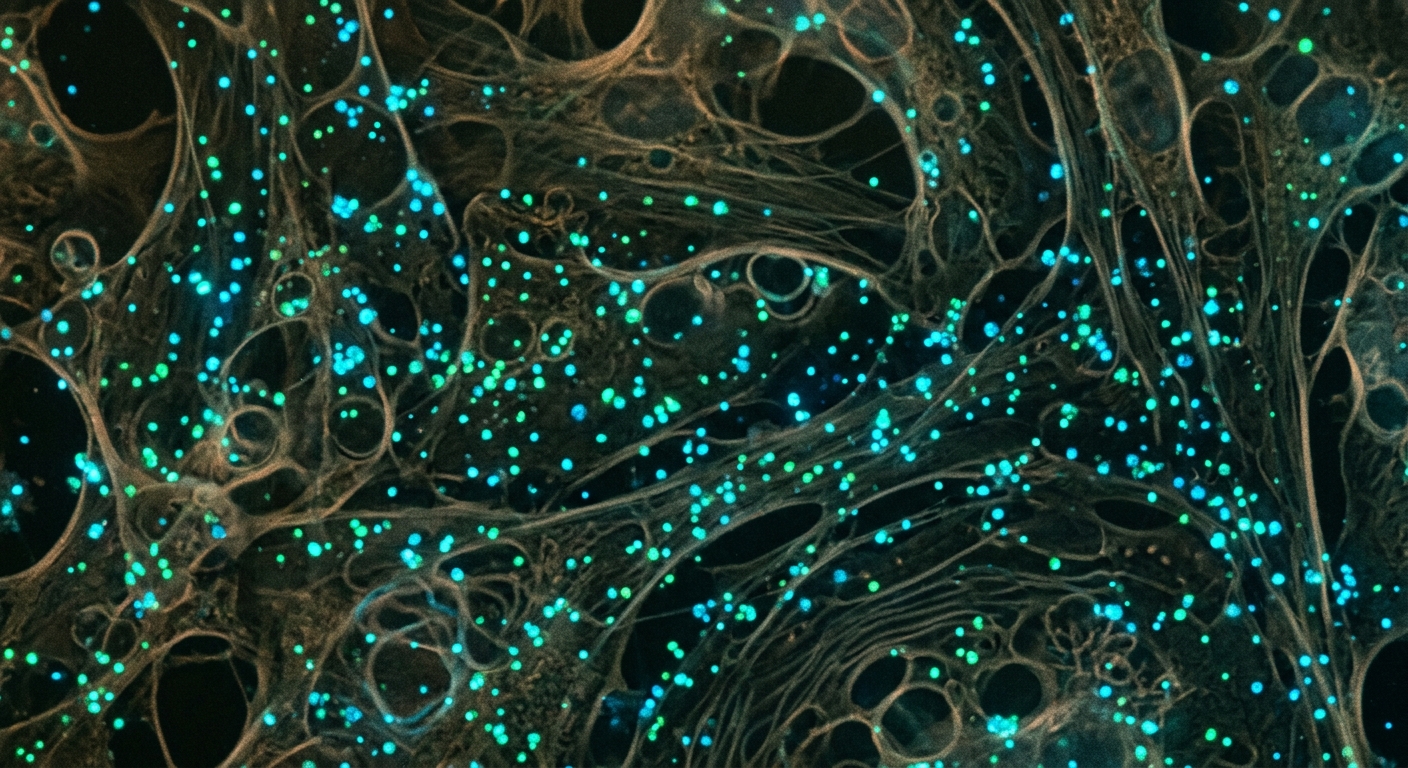
Exosome Skincare Is Growing Fast. FDA Has Approved Zero Products.
As of 2026, no exosome-based product has received FDA approval. More than six warning letters have been issued to manufacturers. Here is where the science stands and what consumers should understand.
One Ingredient Is No Longer Enough, Mendora's Multi-Pathway Skin Supplement
Mendora's The Skin Repair Formula ($105) combines grass-fed hydrolyzed collagen peptides, hyaluronic acid, ceramides, and supporting vitamins into a single ingestible beauty supplement. A look at the shift from single-ingredient obsession to mechanism-driven formulations.

Perimenopause Is Reshaping the Global Wellness Economy
The perimenopause wellness market is projected at 5.1% CAGR through 2030, with hormone-responsive skincare growing at 15.9% annually. Searches for perimenopause-related content surged 50% year over year.
The Oral UV Shield: What Polypodium leucotomos Does from the Inside
A fern-derived supplement raised photoprotection markers in 80% of participants after just 5 days. Here is what the clinical data says about how PLE works, how much to take, and where it fits in a sun protection routine.
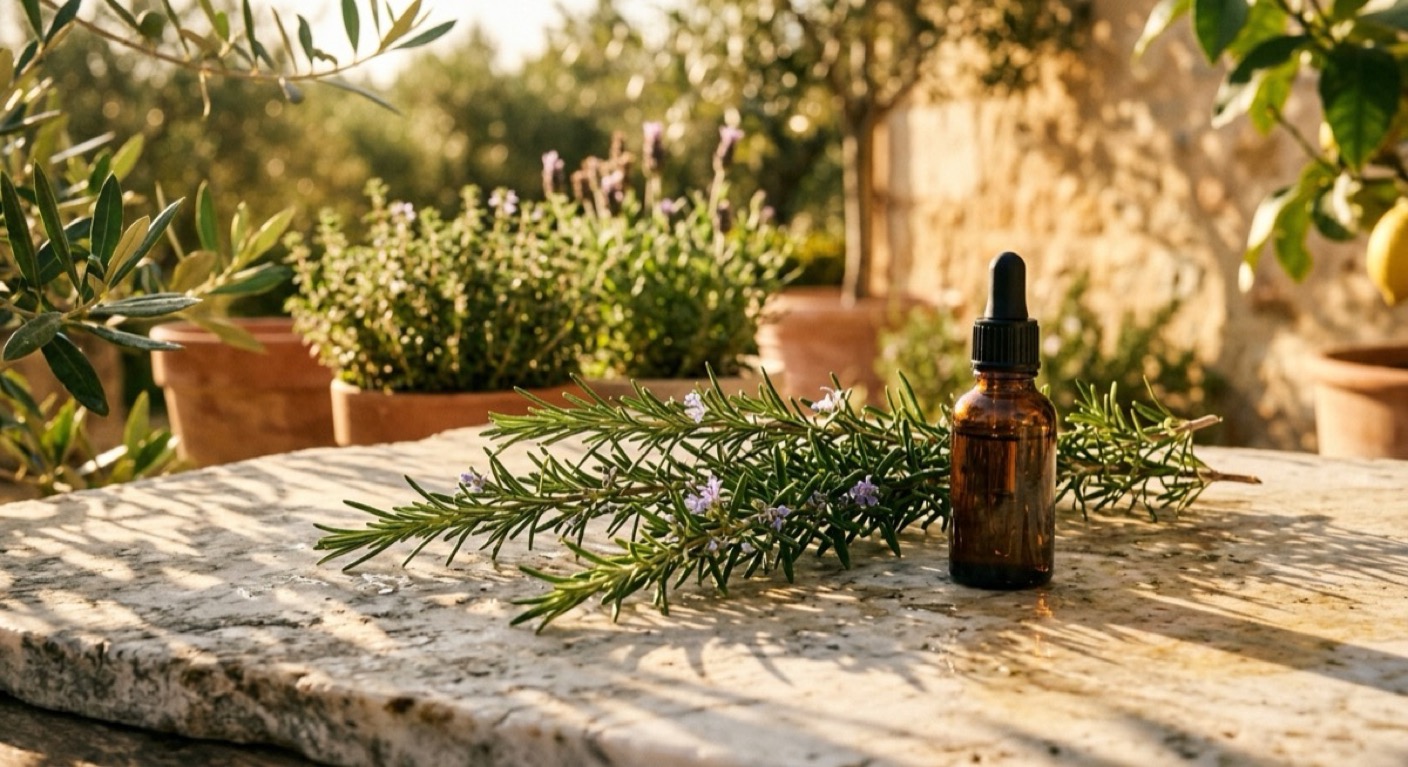
Rosemary's Carnosic Acid Blocks UV-Triggered Collagen Breakdown
Carnosic acid, a key polyphenol in rosemary, reduced MMP-1 by 57% and promoted elastin fiber formation in peer-reviewed research, signaling a role in photoaging defense.

After 40, Muscle Loss Hits 1-2% Per Year. Protein and Collagen Fight Back.
A Nature npj Aging review establishes that older adults need 35-40g protein per meal to match the anabolic response of younger adults on 20g. And collagen peptides at 5g/day showed +7.7% femoral neck BMD in 12 months.

Blue Light and Digital Aging: What Screens Really Do to Your Skin
A Journal of Cosmetic Dermatology review confirms that blue light penetrates deeper than UV-B, generates ROS in the dermis, and drives collagen breakdown and hyperpigmentation. SPF alone is not enough.
Collagen Peptides Increase Dermal Density 26% and Effects Hold After Stopping
A 16-week RCT found bioactive collagen peptide supplementation increased facial dermal thickness by 10.65% and dermal density by 26.33% versus placebo. Improvements were sustained through a 4-week discontinuation period.
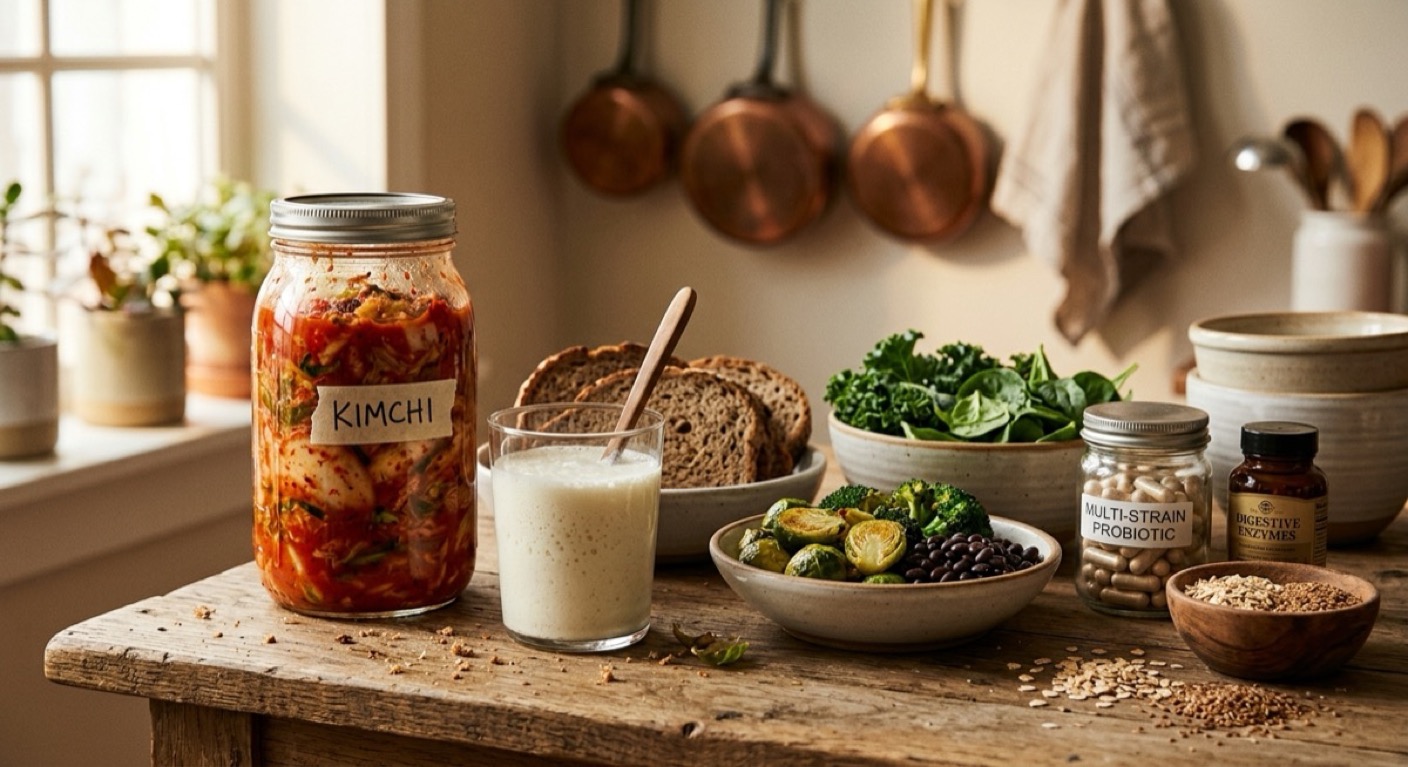
Gut Health Named the Top Global Food and Beverage Trend of 2026
Innova Market Insights ranked 'Gut Health Hub' as the number one food and drink trend for 2026. Product launches in the category jumped 61% year-over-year, and 59% of global consumers now actively seek out gut-supportive ingredients.

O Positiv Health Launches Meno Supplements for Brain, Heart, and Eye Health
O Positiv Health added three targeted formulations to its Meno line addressing cognitive function, cardiovascular health, and vision for women in perimenopause and menopause, moving the category beyond hot flash relief.

Olive Polyphenol Trio Targets UVB Photoaging at the Source
Oleuropein, hydroxytyrosol, and verbascoside from olive leaf work together to suppress UVB-induced senescence, inflammation, and collagen degradation, per a 2025 Scientific Reports study.
Corn-Derived Hair Glycogen PhytoSpherix Debuts at in-cosmetics Global 2026
Swiss biotech Mibelle Biochemistry unveiled PhytoSpherix at in-cosmetics Global 2026 in Paris, a corn-derived hair glycogen ingredient designed to support hair fullness, growth, and longevity across all hair types and colours.

Tatcha's New SPF 50 Makes the Case for Ectoin
Tatcha's $50 Milky Sunscreen SPF 50 puts ectoin in the spotlight, a natural amino acid from extremophile microorganisms whose search volume jumped 86% year-on-year. The launch signals how sunscreen is evolving from pure protection into skincare.

Vitamin D at 2,000 IU Daily Cuts Autoimmune Disease Risk by 22 Percent
The VITAL study, tracking 25,871 participants over 5 years, found that vitamin D supplementation at 2,000 IU (50μg) per day reduced confirmed autoimmune disease incidence by 22% compared to placebo.

The Era of One Multivitamin for Every Woman Is Ending
The global women's health supplement market is projected to reach $77.4B by 2030, driven by a fundamental shift toward life-stage precision nutrition. Reports from Nuritas and Nexira map where the paradigm is moving in 2026.

Oral Hyaluronic Acid Improves Skin Hydration and Barrier in 150-Person Trial
A 2025 Scientific Reports RCT found that oral sodium hyaluronate at 60mg or 120mg daily for 12 weeks reduced crow's feet wrinkles, increased skin hydration, and improved barrier function measured by TEWL.

Astragalus and Centella Oral Supplements Raised Collagen 13.2% in 12-Week Trial
A randomized double-blind trial from Taiwan enrolled 150 adults and found that a twice-daily oral capsule combining Astragalus and Centella Asiatica saponins increased skin collagen density by 13.2% after 12 weeks. Combined use with a topical cream pushed pore reduction to 28.5% and hydration up by 12.9%.

Treat Your Scalp Like Skin, Christophe Robin's New Standard
The Parisian hair colorist brand launches a Fortifying Scalp Serum clinically shown to increase new strands by 15% in 12 weeks. As scalp care claims its place in the skincare routine, the formula makes a quiet but clear argument.
Dasatinib and Quercetin Clear Senescent Cells from Skin, Reducing Aging Markers
The senolytic combination of dasatinib and quercetin reduced p16INK4A and p21CIP1-expressing senescent cells in skin and lowered SASP inflammatory factors including IL-1α, IL-6, MMP-9, and MMP-12 in blood.
Glutathione Supplement Sales Surged 2715% in Natural Channels, Here Is What Works
Glutathione supplement sales grew 2,715.7% in natural retail channels in 2026. The master antioxidant has genuine biology behind it, but oral bioavailability remains a real limitation. Here is where liposomal, sublingual, and NAC alternatives actually stand.

The Inner Beauty Supplement Market Is Heading for $7.46 Billion, and Clinical Proof Is Now the Price of Entry
According to Fact.MR, the global nutricosmetics market will grow from $3.3 billion in 2025 to $7.46 billion by 2036. Collagen holds a 33.3% share, and third-party clinical validation is rapidly becoming the deciding factor in brand selection.

Iron Deficiency and Women's Hair Loss: Ferritin Below 30 Raises Risk
A systematic review and meta-analysis of 36 studies covering 10,000+ women found ferritin levels ~18ng/mL lower in women with nonscarring alopecia, with ferritin under 30ng/mL strongly associated with telogen hair loss.
Olive Polyphenol Serum Cut Wrinkles by Up to 51% in 30 Days
A randomized clinical trial found a biphasic serum combining 1% Oleocanthal and 1% Oleacein from EVOO reduced wrinkles by 51.93% in men aged 20-44 and 46.56% in men aged 45-79 after just 30 days of twice-daily application.

Oral Ceramides Rebuild the Skin Barrier from Within
Multiple RCTs show that 350mg daily of plant-derived phytoceramides from rice or wheat extract reduces TEWL and improves stratum corneum hydration within 4 to 12 weeks.

Topical Rapamycin Cuts Cellular Senescence Markers and Rebuilds Collagen in Skin
A placebo-controlled trial at Drexel University found that a topical sirolimus cream statistically reduced p16INK4A expression and increased Collagen VII production over 8 months, placing mTOR inhibition at the frontier of skin longevity science.

Collagen Peptide That Stimulates GLP-1: Nextida GC Clinical Data
Rousselot's patented collagen peptide Nextida GC activates intestinal L- and K-cells to trigger natural GLP-1 secretion, reducing post-meal glucose spikes by up to 43%.

The First Drug That Targets Itch Directly, Not Just Atopic Inflammation
Nemolizumab (Nemluvio), the first IL-31 receptor blocker approved by the FDA, delivered itch relief within 48 hours and kept over 90% of patients significantly improved at two years.
Oral vs. Topical Peptides for Skin Aging: What 19 Clinical Trials Actually Show
A 2026 Frontiers in Medicine meta-analysis pooled 19 randomized controlled trials and 1,341 participants. Oral peptides consistently outperformed topical formulations on wrinkle reduction, hydration, and brightness.
The Blueberry Antioxidant That Measurably Changed Skin in 28 Days
A double-blind, split-face clinical trial found that a 0.1% pterostilbene emulsion significantly improved skin elasticity, firmness, and wrinkle area within 28 days. As a dimethylated derivative of resveratrol, pterostilbene offers roughly four times the bioavailability.
Sequential Raises $3.5M to Map How Skincare Ingredients Change Your Skin's Microbiome
Sequential has closed a $3.5M equity round to scale its AI-powered discovery platform, which uses 50,000+ in vivo skin microbiome samples to quantify how ingredients alter microbial and host biomarkers. Total funding now stands at $7.5M.
Skinspan Science, A New Framework for How Long Skin Stays Healthy
Frontiers in Aging has published the first scientific criteria for 'longevity cosmeceutical actives,' introducing the concept of skinspan and requiring biopsy-confirmed clinical validation for ingredients like fisetin and spermidine.
Manchester's 'Super Peptides' Trick Skin Into Repairing Itself
University of Manchester researchers developed two synthetic tetra-peptides (pal-GPKG, pal-LSVD) that mimic damage signals, triggering renewal of collagen and fibrillin. Over 50 key skin proteins showed increased expression — and the technology is suitable for sensitive skin.
Singapore Bets S$37 Billion on Longevity Science, Active Ageing Is the First Grand Challenge
Singapore's RIE2030 plan commits S$37 billion to R&D, with Active Ageing named the first national Grand Challenge. By 2030, one in four Singaporeans will be 65 or older. Here's what this means for the future of healthspan science in Asia.

Skin Barrier Recovery Speed Varies by Individual, Microbiome Study Finds
A longitudinal study of 36 subjects reveals that skin microbiome recovery after barrier disruption is highly individual-specific, with 6 distinct microbial stability groups linked to varying recovery patterns.

US Beauty Market Hits $108.7 Billion in 2025, Mass Segment Leads Growth
Circana's full-year 2025 results show the US beauty market reached a combined $108.7 billion, with mass beauty growing faster than prestige for the first time. K-Beauty surged 37.2% to $2 billion, and wellness integration is reshaping how Americans spend on beauty.

Almay Returns as a Clean Beauty Brand with Miranda Kerr as Global Ambassador
Almay has announced a full brand relaunch under the tagline 'Clean Makeup That Thinks It's Skincare,' with Miranda Kerr as global ambassador. The revamp brings refreshed packaging, clearer ingredient communication, and a reminder that Almay has been formulating skin-first makeup since the 1960s.

K-Beauty Moves from Glass Skin to Bloom Skin
The defining K-beauty aesthetic of 2026 shifts from high-gloss glass skin to bloom skin, prioritizing barrier health, natural luminosity, and hydration layering over reflective shine.
GHK-Cu Copper Peptide Modulates Over 4,000 Genes for Skin Regeneration
GHK-Cu influences expression of more than 4,000 human genes, upregulating collagen and elastin while suppressing inflammatory cytokines. We break down the clinical evidence behind one of skincare's most studied actives.
Oral Probiotics Cut Acne Severity in Half, RCT Finds
A 12-week double-blind, placebo-controlled trial in Spanish dermatological clinics found that a probiotic combining L. rhamnosus and spirulina improved acne severity in 50% of patients, versus 29% on placebo.

Topical Probiotics for Acne: When Skin Science Stops Killing and Starts Restoring
A double-blind clinical trial shows topical Lactobacillus strains reduced inflammatory acne lesions by 34.4% in four weeks, marking a shift from antibiotic-first to microbiome-first approaches.

Tranexamic Acid Shows Efficacy Across All Three Routes for Melasma
A 2026 literature review in the Journal of Cosmetic Dermatology systematically evaluated oral, topical, and intradermal tranexamic acid for melasma and hyperpigmentation, finding meaningful results across all delivery routes with a more favorable side effect profile than hydroquinone.
Berberine: The Truth Behind 'Nature's Ozempic' and Its Metabolic Limits
Berberine activates AMPK, lowers blood sugar comparably to metformin, and indirectly stimulates GLP-1. But the 'Nature's Ozempic' label misrepresents its actual weight-loss magnitude. UCLA Health and Pharmacy Times break down where the evidence holds and where it falls short.
87% of Your Skincare Contains Microplastics, and the EU Is Finally Stepping In
The EU is phasing out microplastics in cosmetics starting 2027. Research shows these synthetic polymers penetrate beyond the skin barrier into the dermis, triggering oxidative stress and endocrine disruption.
FDA Clears First Human Trial for Age-Reversal Gene Therapy
Life Biosciences, cofounded by Harvard's David Sinclair, received FDA IND clearance for ER-100, a gene therapy that partially rewinds cellular age using three Yamanaka factors. The first patients could enroll within months.

FDA Moves to End Self-Affirmed GRAS, Mandatory Notification Coming for New Ingredients
The FDA is expected to propose a rule in spring/summer 2026 that would eliminate the self-affirmed GRAS pathway. Companies would need to notify the FDA and submit safety data before marketing new food and supplement ingredients.

The Gut-Bone Axis, How Flavonoids May Protect Bone Density After Menopause
A Journal of Functional Foods review confirms that gut microbiota are key mediators of flavonoid-driven bone protection, with new research tracing a specific pathway through Akkermansia growth.

NR and NMN Both Double Circulating NAD+ Levels in Clinical Trial
A 2026 randomized controlled trial with 65 healthy adults finds that both NR and NMN double circulating NAD+ levels, while regular nicotinamide (NAM) does not. A separate Long COVID trial shows NR boosts NAD+ up to 3.1-fold.

Vitamin D Regulates Skin Barrier, Immunity, and Inflammation in Atopic Dermatitis
A 2026 Frontiers in Immunology review shows vitamin D simultaneously controls filaggrin expression, antimicrobial peptide production, and Th1/Th2/Th17 immune balance. 84% of AD patients in one study were deficient.
Fermented Skincare and Postbiotics: K-Beauty's Science Gets Deeper
A 2025 clinical trial of galactomyces-fermented serum showed 37% hydration increase and 29% fine line reduction over eight weeks. As postbiotic technology advances, K-beauty is moving beyond fermented ingredients as a trend into precision microbiome formulation.

AI-Engineered Peptides Mark the Next Chapter of Skin Longevity
In 2026, AI-designed peptides are redefining skincare innovation. Senotherapeutic peptide Pep 14 shows retinol-comparable tissue regeneration, while multi-functional peptide architectures paired with exosomes emerge as the new standard.

Boswellia: Clinical Evidence for Plant-Based Joint Inflammation Relief
Boswellia serrata's AKBA compound suppresses joint inflammation via 5-LOX inhibition, a pathway distinct from NSAIDs. We review the osteoarthritis RCT data, the omega-3 combination trial, and why women over 40 are the primary beneficiary population.

GLP-1 Medications and Hair Loss, Temporary Setback or Long-Term Concern
Semaglutide, tirzepatide, and other GLP-1 drugs are triggering hair shedding in many users. Here is what the science says about why it happens and how hair recovers.
Losing Weight but Also Losing Muscle? Check Your Leucine Intake First
Leucine is the amino acid that flips the muscle protein synthesis switch. Here's why 3-4g per meal matters, how whey and collagen compare, and what a clinical trial found about preserving muscle during weight loss.
Rosemary Oil Matches Minoxidil 2% for Hair Growth in 6-Month Trial
A randomized clinical trial in 100 men found no statistically significant difference in hair count between rosemary oil and minoxidil 2% after six months. Active compounds inhibit 5-alpha-reductase at 82 to 95 percent, comparable to finasteride.

Shatavari Shows Measurable Changes in PCOS Stress and Follicle Count in First Double-Blind RCT
The first double-blind, placebo-controlled RCT on shatavari for PCOS, published in Frontiers in Endocrinology 2026, shows significant improvements in stress scores and follicle count over 12 weeks.
Vitamin D Rebalances Gut Immune Response in IBD, Mayo Clinic Finds
A Mayo Clinic-led study found that 12 weeks of vitamin D supplementation in 48 IBD patients increased protective IgA, decreased inflammatory IgG, and improved stool-based inflammation markers, suggesting vitamin D may help restore immune tolerance to gut bacteria.
Stevia Extract Helps Minoxidil Penetrate Deeper, Regrowing Hair in Mice
A dissolvable patch combining stevioside and minoxidil improved the drug's skin penetration and solubility, successfully stimulating hair follicles to re-enter the growth phase in an androgenetic alopecia mouse model.
What's Changing on Your Product Label: Canada's 24 Fragrance Allergen Disclosure Starts April 12
Starting April 12, 2026, Canada requires fragrance allergens to be named on cosmetic labels. Here's what it means for your skin and your shopping habits.
Kimchi-Derived Postbiotic Shows 1,140% Wrinkle Improvement in Clinical Trial
CJ BIO's BiomeNrich POST SZ075, a plant-based postbiotic fermented from rice germ with kimchi bacteria, demonstrated 1,140% improvement in eye wrinkle parameters, 614% in skin elasticity, and 1,872% in TEWL versus placebo in a 111-person, 12-week trial.

FDA Analyzed 430,000 Cosmetics and Found 51 PFAS Intentionally Added
A new FDA report on 430,134 cosmetics identified 51 types of PFAS intentionally added as ingredients. Eye makeup and leave-on skincare showed the highest rates. Safety data was insufficient for most.
Neutrogena's Helioplex 360 Targets the Wavelengths Your Sunscreen Ignores
Presented at AAD 2026, Helioplex 360 addresses the 380-430nm boundary region light that virtually no current sunscreen defends against. Two clinical studies spanning all skin types back the claim.
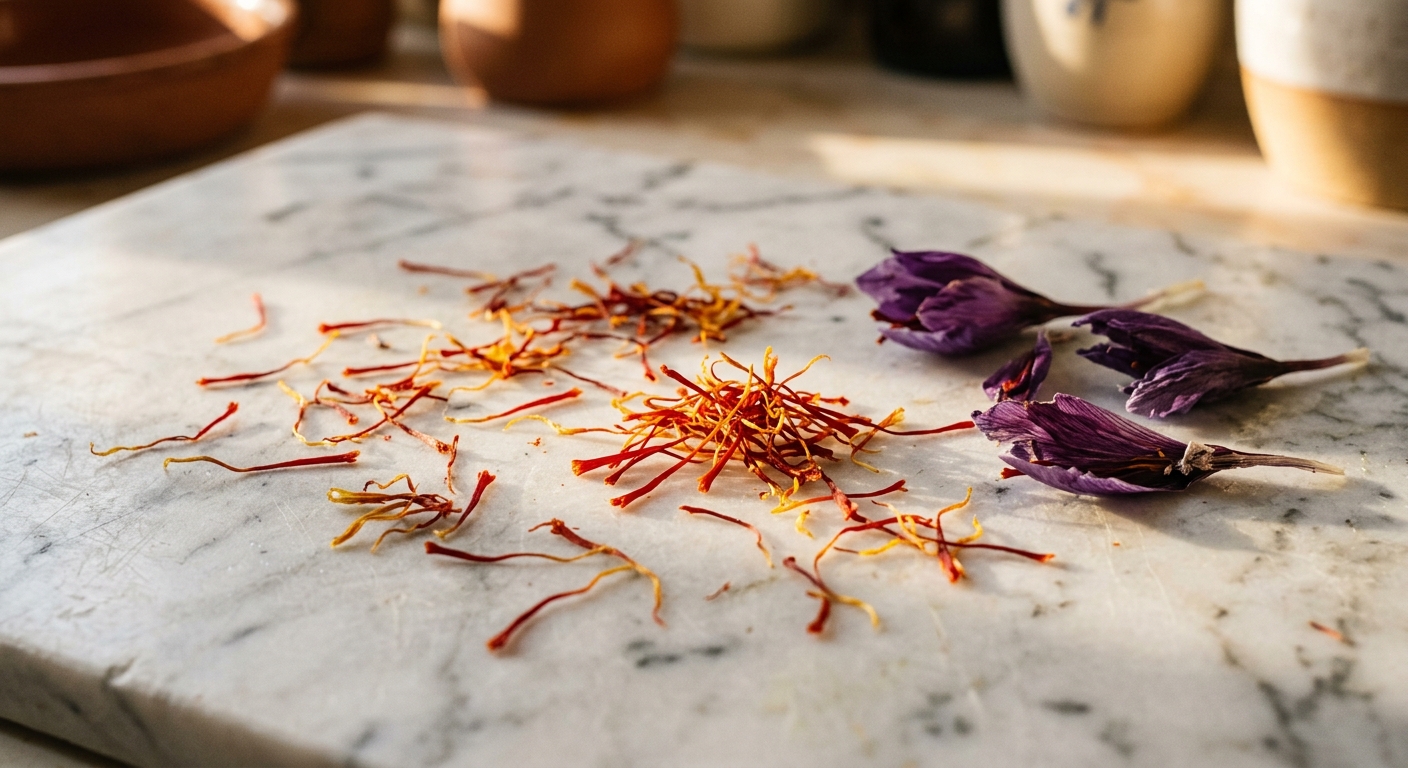
Saffron (Crocus Sativus): The Spice That Brightens Skin and Lifts Mood
Saffron extract inhibits tyrosinase at IC50 0.78mg/mL to reduce hyperpigmentation, blocks collagenase to protect skin structure, and its key compound crocin matches fluoxetine for mood support in clinical meta-analyses.
Hyaluronic Acid Now Delivers Actives Deep Into Skin, Givaudan VectorHyal
Givaudan Active Beauty has launched VectorHyal, an HA-based delivery system that encapsulates both hydrophilic and lipophilic active ingredients and releases them precisely upon contact with skin enzymes.

Lymphatic Drainage Facials: What the Science Actually Says
Gua sha and facial lymphatic massage have gone viral. A Stanford lymphatics researcher cuts through the hype to explain what these rituals actually do, and what they can't.
Can NAD+ Slow Alzheimer's and Parkinson's?
A major review in Nature Aging, co-authored by 25+ scientists from Harvard, Oslo, and the Buck Institute, maps how NAD+ decline drives brain aging and neurodegenerative disease — and what it means for longevity supplements.
NMN Doubles NAD+ Levels in 14 Days, Skin Aging Research Enters Next Phase
A clinical study of 65 adults taking 1,000mg NMN daily found NAD+ levels nearly doubled in two weeks. New data on skin-specific NAD+ decline and emerging K-beauty formulations are reshaping the anti-aging conversation.
Skincare Supplements Hit $3.55B in 2026, Clinical Proof Splits the Market in Two
The global skincare supplement market crossed $3.55 billion in 2026, with collagen holding 33.3% share. Third-party bioavailability certification is now the dividing line between brands that grow and brands that stall.
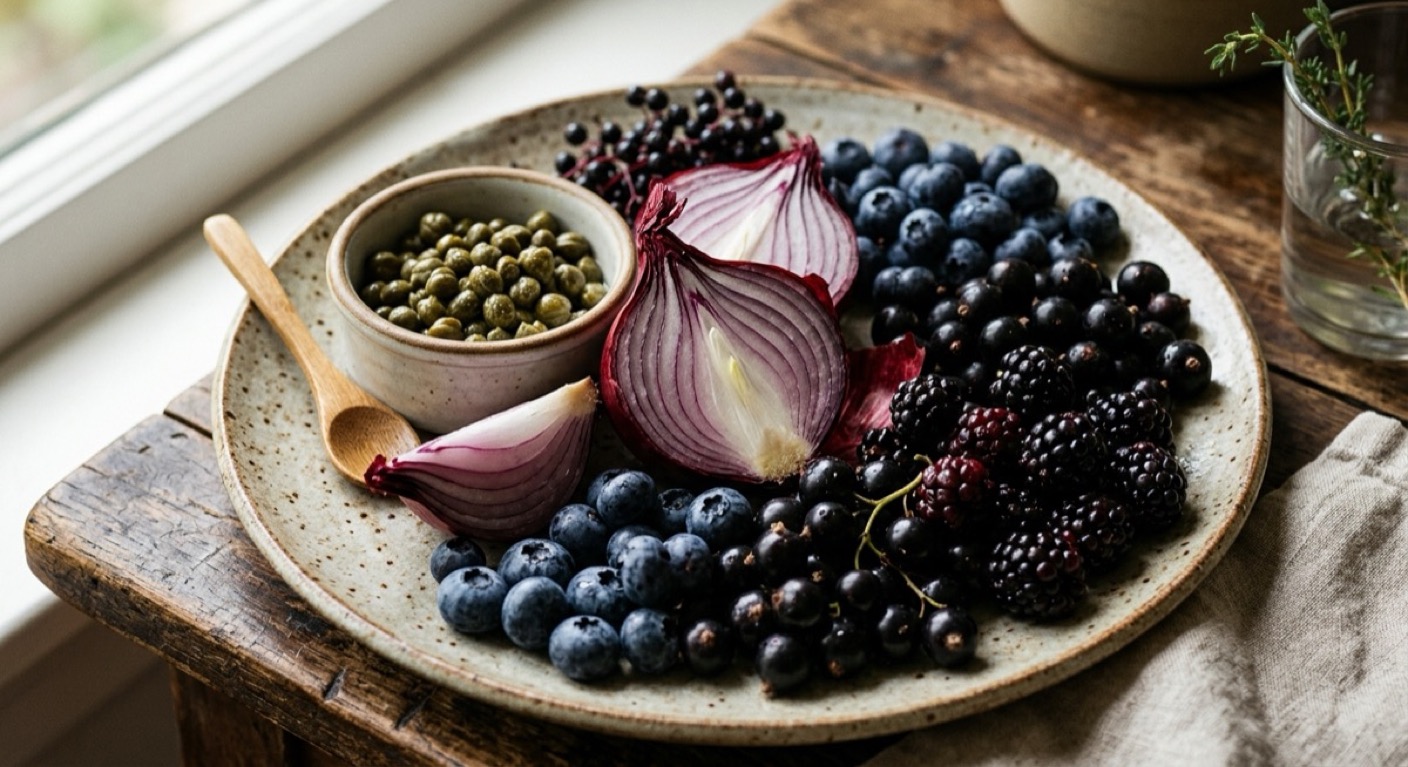
Quercetin Senolytics Work Differently in Women, Mayo Clinic Finds
A phase 2 RCT of 60 healthy postmenopausal women at Mayo Clinic found sex-dependent differences in how senolytic drugs, including quercetin, act on aging cells, with implications for supplement use.
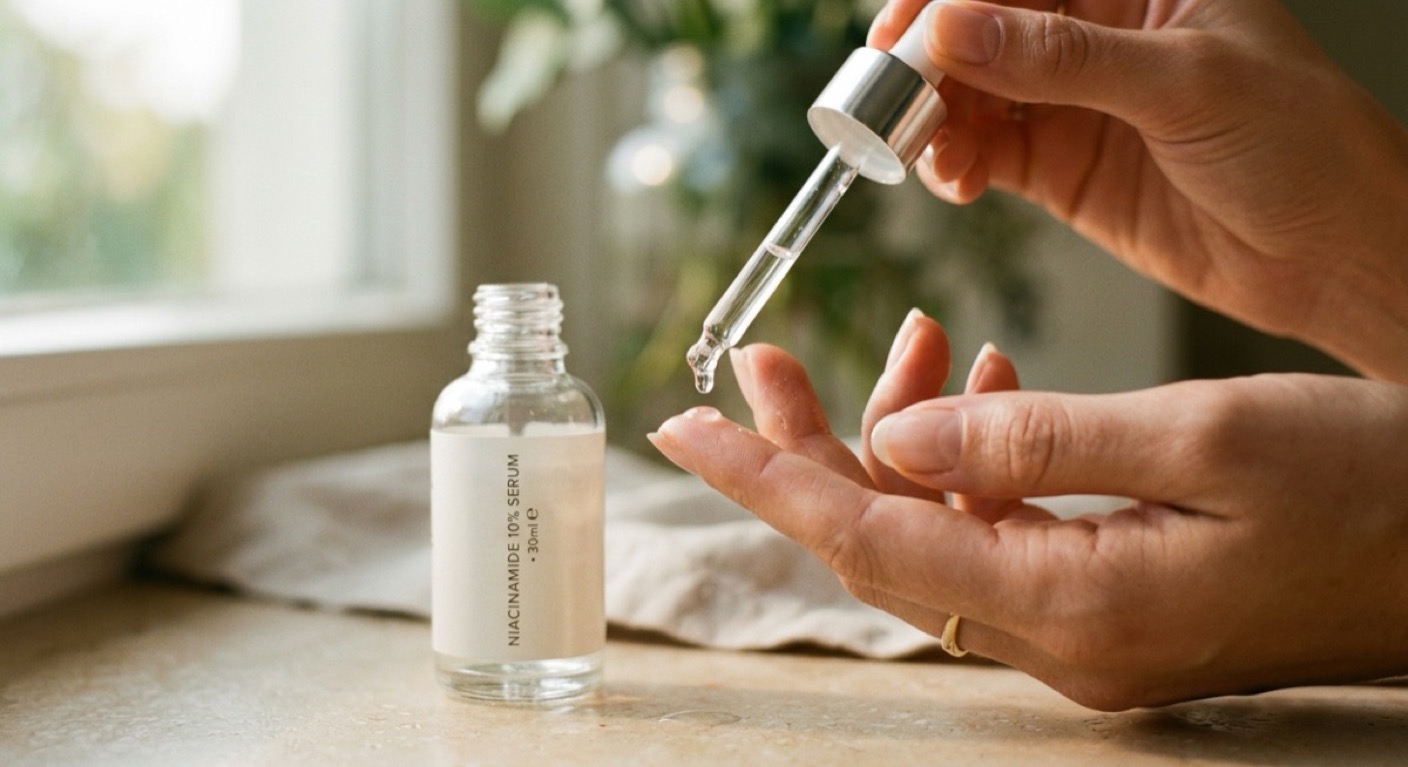
Niacinamide, the Multitasker: Barrier Repair, Acne, and Pigmentation Evidence
A comprehensive literature review confirms niacinamide's clinical evidence across four skin concerns simultaneously: barrier repair, acne reduction, pigmentation control, and antioxidant activity.

PEA 300mg Cut Period Pain by 25% in 2.5 Hours, Trial Shows
A randomized, double-blind, crossover trial found a single 300mg dose of PEA (Levagen+) reduced menstrual pain by ~25% compared to placebo at the 2.5-hour mark, with no difference in adverse events.
Pycnogenol Reduces Melasma Area by 26% and Shows 80% Improvement Rate in Clinical Data
French maritime pine bark extract pycnogenol inhibits tyrosinase and shields against UV radiation, showing effective improvement in 80% of melasma patients. In a double-blind trial, MMASI improved 49% vs 34% with placebo.

Ozempic Face: What Happens to Your Skin When GLP-1 Drugs Shed Weight Fast
61% of GLP-1 drug users reported midface volume loss, 50% skin laxity. New research explains the collagen mechanism behind rapid weight loss and what can be done before and after it happens.

Ashwagandha: Lower Cortisol, Better Skin, the Stress-Skin Connection
KSM-66 ashwagandha reduces serum cortisol and stress markers in clinical trials. Here is how the cortisol-to-skin pathway works, what the skin-specific data shows, and who needs to be cautious.
Oat Beta-Glucan Boosts Hyaluronic Acid Production and Shields It from UV Damage, AAD 2026
Kenvue presented research at AAD 2026 showing oat flour and oat beta-glucan synergistically increase hyaluronic acid production in skin fibroblasts while protecting existing HA from UV-induced degradation.

Clascoterone Passes Phase 3: The First New Hair Loss Mechanism in 30 Years
Cosmo Pharmaceuticals' Breezula (clascoterone 5%) showed up to 539% relative improvement in hair count vs. placebo across 1,465 men in a double-blind Phase 3 trial. It's the first topical anti-androgen to block DHT signaling directly at the follicle.

Tongkat Ali LJ100 Raises Progesterone and Improves Quality of Life in Menopausal Women
A 12-week double-blind, placebo-controlled trial found LJ100 100mg/day significantly elevated progesterone levels in menopausal women by week 6, with improvements in quality of life, mood, and energy.

Gut Bacteria Akkermansia May Rebuild Skin Collagen
Postbiotics derived from Akkermansia muciniphila YGMCC2602 promoted cell proliferation, upregulated collagen and hyaluronan synthase, and attenuated UVB-induced inflammation in a 2026 study.

PP405 Wakes Dormant Hair Follicle Stem Cells to Treat Hair Loss
Pelage Pharmaceuticals' PP405 modulates lactate metabolism in hair follicle stem cells to reactivate dormant follicles. Phase 2a results show a 12.3% increase in hair counts with 83% of subjects responding positively.
PDRN vs PN, What the 2026 Review Actually Found
A 2026 PMC review in the Journal of Clinical Medicine breaks down the molecular, mechanical, and clinical differences between PDRN and polynucleotide, the two pillars of the $67B regenerative beauty sector.

Noctera Targets Menopausal Sleep Without Melatonin
Bonafide Health's new supplement Noctera combines magnesium glycinate, GABA, L-theanine, and SAMe in a continuous-release system, addressing the multi-pathway nature of menopausal sleep disruption.
Spermidine Inhibits 9 of 12 Hallmarks of Aging Through Cellular Self-Cleaning
Spermidine, a natural polyamine, triggers autophagy to slow aging. A Nature Aging review confirms its geroprotective effects across cognition, heart health, hair growth, and collagen production.

Sustained-Release Ashwagandha 150mg Lowers Cortisol Over 60 Days
A double-blind RCT tested sustained-release ashwagandha root extract (AshwaSR) at 150mg and 300mg over 60 days, showing improvements in cortisol, stress, sleep quality, anxiety, and eating behavior.

Inositol for PCOS, What 13 Meta-Analyses Found in 2026
A 2026 Frontiers in Endocrinology umbrella review of 13 meta-analyses found inositol reduced LH by 3.43 IU/L, cut HOMA-IR by 1.14, and raised live birth rates 2.29-fold, with myo-inositol outperforming D-chiro-inositol.

Oral Ceramide from Rice Rewires the Skin Barrier from Within
Oryza Ceramax uses a 3:1:1 ceramide-cholesterol-fatty acid ratio from rice. Clinical data shows roughly 10% TEWL reduction and hydration lasting up to 72 hours.
Inositol Boosts Ovulation 2.75x in PCOS, Umbrella Review of 13 Meta-Analyses Finds
A 2026 Frontiers umbrella review synthesized 13 meta-analyses on inositol for PCOS. Ovulation rate increased 2.75x, live birth rate 2.29x, with improvements in insulin resistance and free testosterone.

AAD 2026, Signal Your Collagen to Rebuild Itself
The clearest message from AAD 2026 was a philosophy shift: signal collagen to rebuild, don't replace it. The regenerative beauty sector is projected to exceed $67B by year-end, with Asia-Pacific leading adoption.

Four Pathways by Which Magnesium Improves Sleep, from GABA to Melatonin Synthesis
Magnesium promotes sleep through GABA receptor activation, NMDA receptor blocking, melatonin synthesis enzyme activation, and cortisol reduction. Clinical data shows sleep efficiency improving from 75% to 85%.
Oral Ceramides Improve Skin Hydration and Elasticity in 12-Week Trials
Oral ceramides from milk, wine lees, rice, and wheat improved skin hydration, elasticity, TEWL, and wrinkles in multiple 12-week RCTs. Plant ceramides at 30-40mg per day match topical efficacy.

Astaxanthin Defends Against UV Damage and Preserves Skin Moisture, Meta-Analysis Confirms
Oral astaxanthin significantly improved skin moisture and elasticity while increasing the minimal erythemal dose for UV. However, wrinkle depth reduction was not statistically significant in meta-analysis.
Exosome Skincare Emerges as the Core of Regenerative Beauty in 2026
Exosomes, 30-150nm cellular messengers carrying proteins and microRNA, are reshaping skincare. Stem cell-derived exosomes promote collagen and elastin production, with microneedling combination amplifying results.

Ozempic Face, How Weight-Loss Drugs Accelerate Skin Aging
GLP-1 receptor agonists cause skin changes beyond weight loss. New research reveals direct effects on skin stem cells and collagen, a paradoxical anti-inflammatory benefit, and dermatological solutions.
Vitamin K2 MK-7 Slows Bone Density Decline in 3-Year Postmenopausal Trial
A 3-year RCT with 142 postmenopausal women with osteopenia showed MK-7 375mcg significantly improved lumbar spine bone mineral density. Results on D3 and calcium co-administration plus skin elasticity potential.

Magnesium L-Threonate Changed Deep Sleep and Daytime Function in 21 Days
A double-blind, placebo-controlled trial in 80 adults aged 35-55 found that 1g/day of magnesium L-threonate for 21 days significantly improved deep sleep score, REM sleep score, daytime energy, and mood measured by Oura Ring.

Oral Hyaluronic Acid Shows 8.7% Hydration Gain in 150-Person RCT
A randomized double-blind placebo-controlled trial found that 60mg and 120mg daily doses of oral sodium hyaluronate improved facial hydration and skin elasticity after 12 weeks.

Exosomes Are Rewriting Anti-Aging Skincare With Clinical Data
Nanoscale cell-to-cell messengers called exosomes are proving their place in anti-aging skincare. A 56-person, 6-week trial showed significant improvement in facial photodamage markers, with additional data on elasticity, hydration, and pore volume.

Mediterranean Diet Cuts Women's Stroke Risk by 18%, 21-Year Study Finds
A 21-year follow-up of 105,614 women from the California Teachers Study found an 18% lower overall stroke risk and a 25% lower hemorrhagic stroke risk with higher Mediterranean diet scores. Published in Neurology, February 2026.
Spicules Are the K-Beauty Ingredient Turning Serum Bottles into Needling Tools
Marine sponge-derived spicules are bringing microneedling-like effects to at-home skincare. Korea is leading the charge, and the global market is catching on.

Vitamin D Deficiency in Menopausal Women Linked to Higher Atherosclerosis Risk
A study of 227 perimenopausal women found 54.2% were vitamin D deficient. Lower vitamin D correlated with thicker arterial walls (OR 0.945), while elevated FSH was independently associated with subclinical atherosclerosis.

Beta-Glucan Searches Up 51%, the Ingredient Defining Barrier Repair in 2026
A natural polysaccharide from fungi and algae, beta-glucan is emerging as the barrier repair ingredient of the year. Driven by 51% search growth and preventative skincare momentum, it is reshaping how consumers think about skin resilience.

Exosome Skincare Has Real Data. Here's What It Actually Shows
ADSC, platelet, milk, and plant-derived exosomes all have clinical numbers now. Elasticity up 104%, wrinkles down 9.37%. But no FDA approval, no standardized protocols, and small trial sizes mean the story isn't finished yet.

How Sleep Repairs Your Skin: The Circadian Clock and Melatonin Connection
During deep sleep, the body orchestrates collagen synthesis, DNA repair, and barrier restoration. People sleeping less than 6 hours show higher skin aging scores and slower barrier recovery.
4,300 Women on Menopause and Skin, What They Actually Said
Galderma's global survey of 4,300 peri and postmenopausal women across 9 countries found that menopause-related skin changes affect confidence, anxiety, and social life well beyond the mirror.
Lancôme Unveils Absolue Longevity MD Line Powered by Mitopure
Lancôme partnered with Swiss biotech Timeline to launch a mitochondria-targeting skincare line at AAD 2026. Priced $155-$175, the three-product range arrives on April 20 in the US.

LEQSELVI Shows Meaningful Hair Regrowth in Alopecia Areata by Week 8
At AAD 2026, Sun Pharma's JAK inhibitor LEQSELVI (deuruxolitinib) demonstrated significant scalp hair regrowth in alopecia areata patients within 8 to 12 weeks in phase 3 trials.
NMN Supplement Doubled Blood NAD+ Levels in 14 Days at 1,000mg Daily
A January 2026 trial found that healthy adults who took 1,000mg of NMN daily for 14 days doubled their circulating NAD+ concentrations. Seven or more human trials confirm its safety, but direct evidence for skin aging improvement remains limited.

NMN Supplementation Raised Hair Density 57% in Women in Their 40s
A 12-week clinical trial using 500mg daily NMN in women aged 40-50 found anagen hair density rose from 55.9 to 87.7 hairs/cm², a 57% increase. Metabolite data points to mitochondrial energy metabolism as the key pathway.
Spermidine Inhibits 9 of 12 Root Causes of Aging, Review Finds
A Nature Aging review identifies autophagy as spermidine's core mechanism, with evidence for benefits in cognition, heart health, hair growth, and collagen production. Natural levels decline with age.
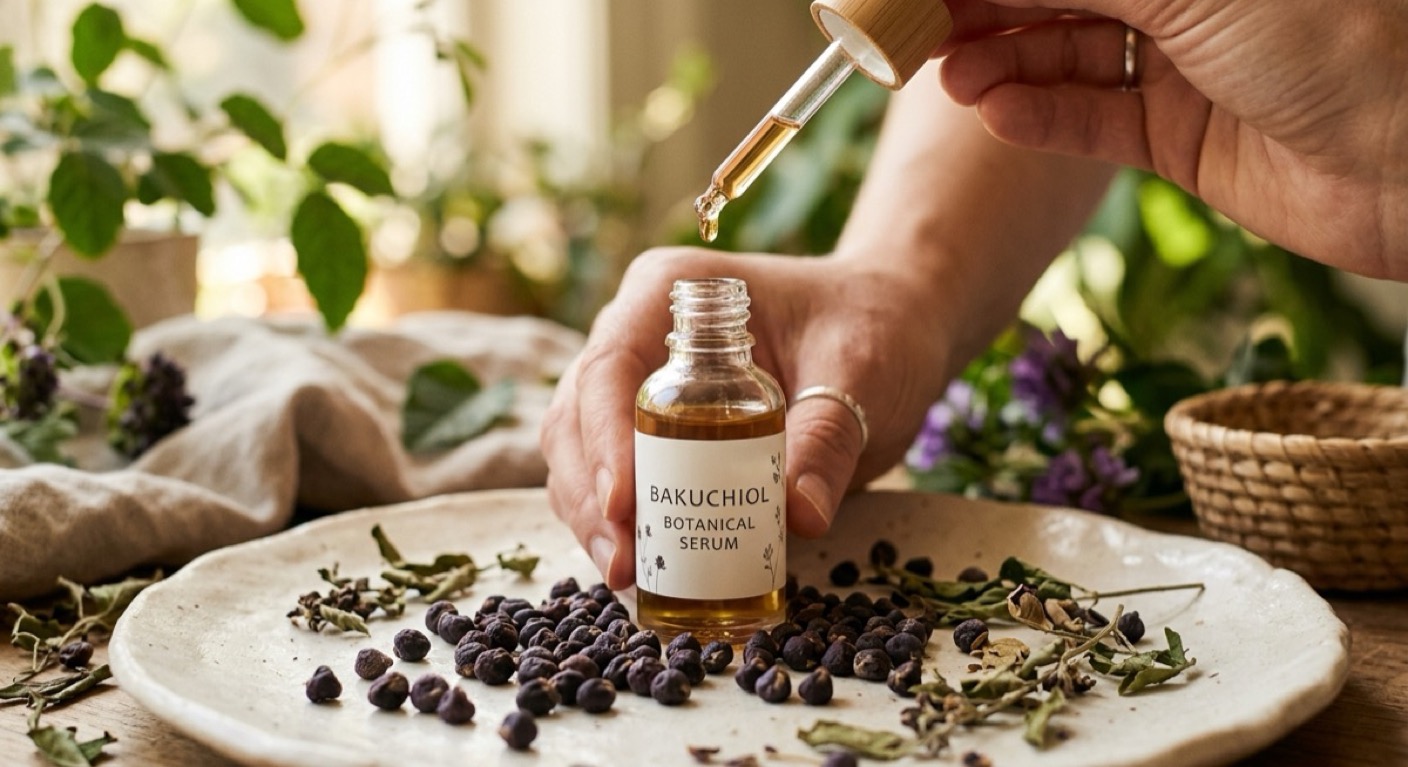
Omega-3 for Skin Inflammation: Clinical Evidence Across Four Conditions
A review of 23 studies found omega-3 significantly improved acne (p<0.001), reduced psoriasis lesion area by 46% when combined with UVB, and showed meaningful results in ocular rosacea.

Bakuchiol Matches Retinol for Anti-Aging, With Far Fewer Side Effects
A double-blind randomized trial found no statistical difference between bakuchiol and retinol in reducing wrinkle surface area and hyperpigmentation. The retinol group reported significantly higher rates of scaling and irritation.
Bakuchiol Matches Retinol's Effects with Far Less Irritation
A review of 7 clinical papers found bakuchiol delivered comparable anti-aging results to retinol, with significantly better tolerability. It offers a viable alternative for sensitive skin and pregnancy.

12-Week Beetroot Extract Supplementation Improves Muscle Quality and Neuromuscular Speed in Postmenopausal Women
A randomized clinical trial in 20 postmenopausal women aged 60-85 found that 548mg daily nitrate from beetroot extract significantly improved morphological muscle quality and rate of force development over 12 weeks.

Collagen Peptides Show Sustained Skin Benefits 4 Weeks After Stopping
A double-blind RCT of 83 women found that 5,000mg/day of bioactive collagen peptides for 12 weeks maintained improvements in skin hydration, firmness, and dermal density through a 4-week washout period.
NewBeauty 2026 Awards: 395 Winners Signal Where Beauty Is Heading
NewBeauty's 16th Annual Awards named 395 winning products and treatments across 10 categories. With 150 board-certified dermatologists on the jury, the results reveal beauty's tilt toward science, innovation, and wellness.

An Oral Skin Supplement Reduced Crow's Feet in 12 Weeks
A randomized double-blind trial found that daily HyaCera™, combining wheat ceramide and low-molecular hyaluronic acid, significantly improved crow's feet wrinkles and skin elasticity by week 8.

Oral Peptides Outperform Topicals for Skin Hydration and Wrinkles, Meta-Analysis of 19 Trials Finds
A meta-analysis of 19 randomized controlled trials involving 1,341 participants found that oral polypeptides produced significantly greater improvements in skin hydration and wrinkle reduction compared to topical peptide products.

A Postbiotic Strain Improved Skin Elasticity in Women in Their 30s and 40s Within 5 Weeks
A randomized, double-blind clinical trial found that heat-inactivated L. sakei KABP-065 significantly improved facial skin elasticity and firmness versus placebo in women aged 30 to 50 with self-perceived dry skin, with moisture benefits pronounced in the 40s subgroup.
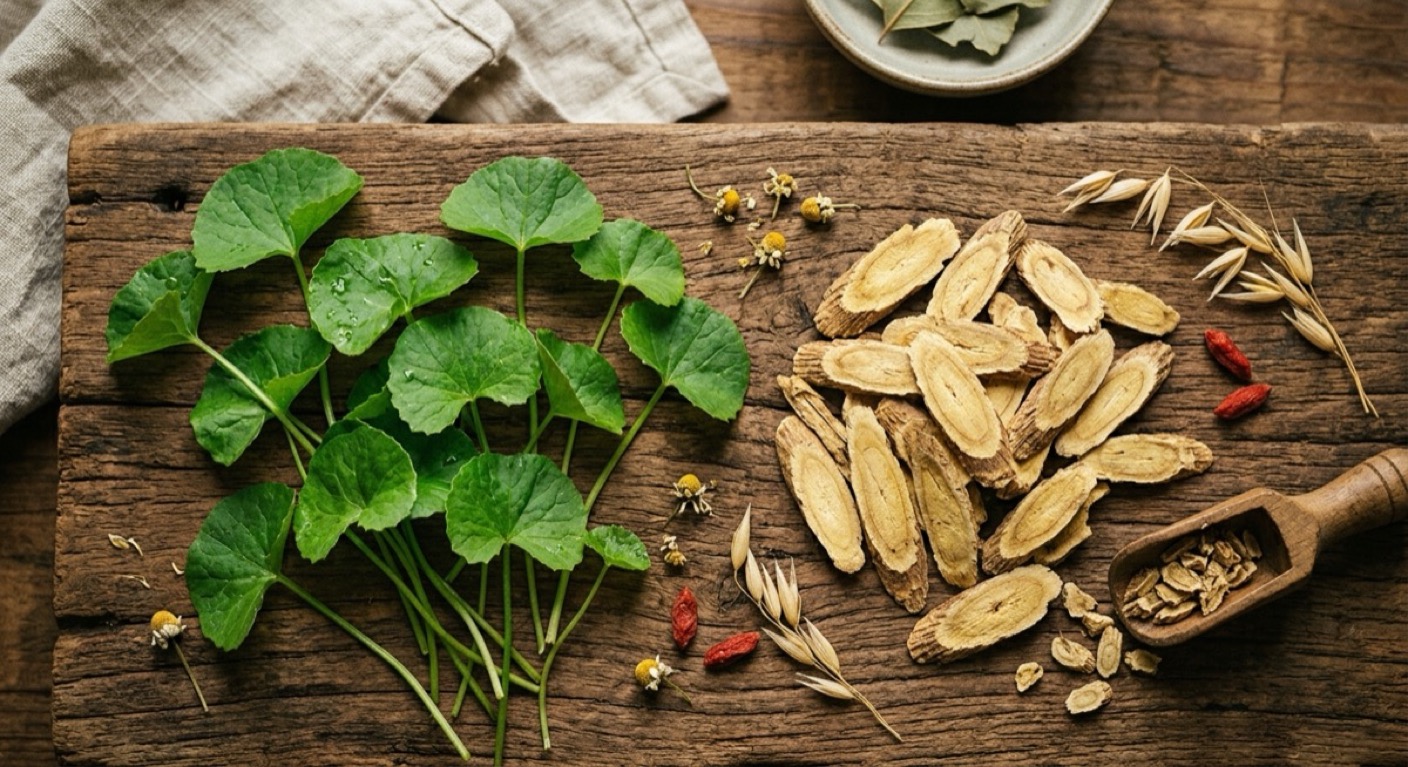
Astragalus-Centella Saponin Blend Boosts Skin Collagen 8.7% in Dual-Route RCT
A Taiwanese team ran a 150-person double-blind RCT showing that combining topical and oral Astragalus-Centella asiatica saponins delivers the strongest improvements in elasticity, collagen, and pore size.

Bemotrizinol Could Become the First New UV Filter Approved in the US in Decades
Bemotrizinol (BEMT), a broad-spectrum UV filter used internationally for 20 years, is on track for FDA approval in 2026. Cosmetic chemists say it outperforms every sunscreen filter currently available in the US.
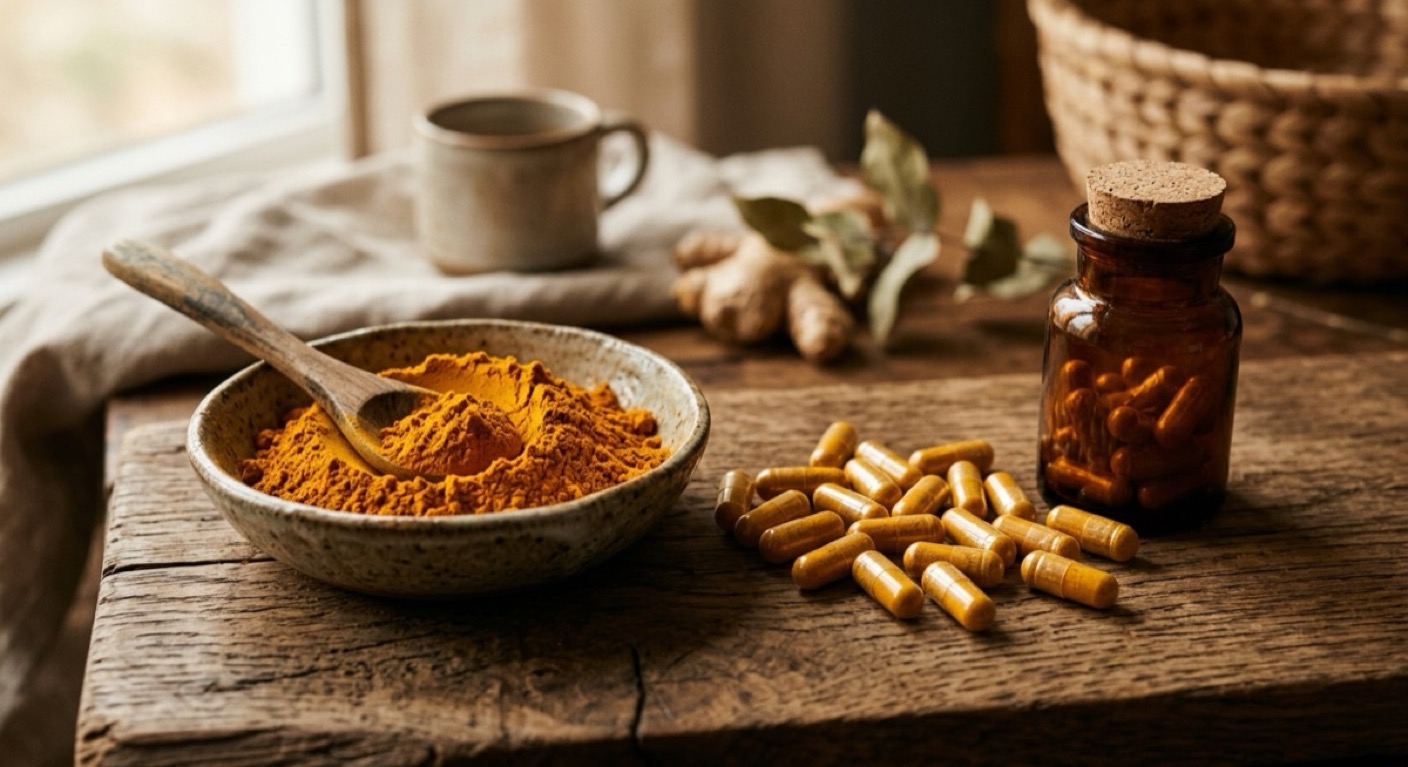
Microencapsulated Curcumin Cuts Crow's Feet Wrinkles 10.3% in 6 Weeks
A double-blind, placebo-controlled trial in 63 women found that 0.5g daily microencapsulated curcumin (CURCUSHINE) for 6 weeks reduced crow's feet wrinkles by 10.3% and increased skin luminosity by 19%.

One Daily Multivitamin Slowed Biological Aging by About 4 Months Over 2 Years
The COSMOS trial, published in Nature Medicine, found that 958 adults averaging age 70 who took a daily multivitamin for 2 years showed approximately 4 months less biological aging on epigenetic clocks compared to placebo.
The 10-Step Routine Era Is Over. Skincare in 2026 Is All About Biotech Minimalism
K-beauty sales surged 37% while consumers quietly burn out on multi-step routines. Exosomes, PDRN, and masstige are rewriting the rules of skincare in 2026.

80% of Women Take Supplements Daily. The One-Size Formula Is Finished
Eight in ten women take supplements every day, yet most products are still built around age brackets rather than hormonal reality. Life-stage precision nutrition is rewriting the playbook for 2026 and beyond.
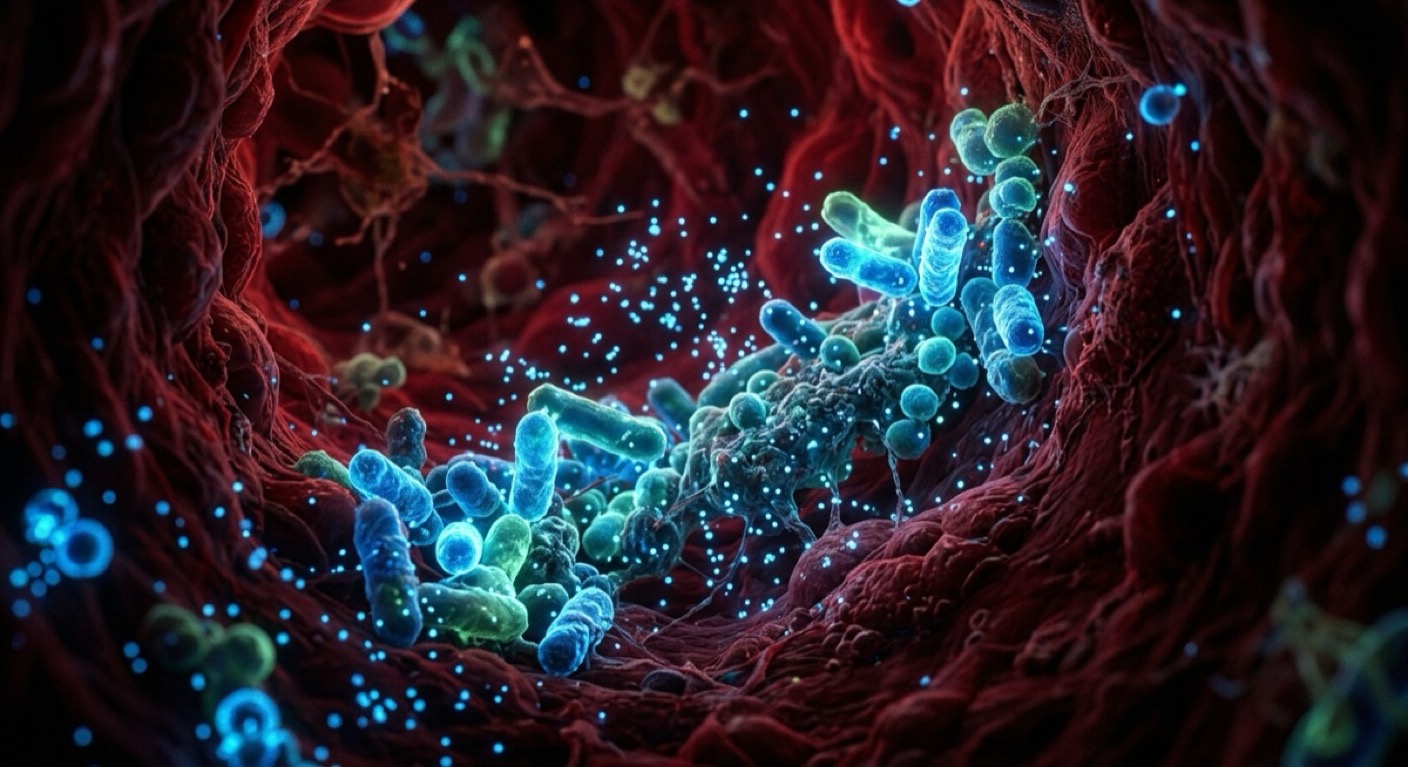
12 Anti-Aging Molecules Discovered in Blood Bacteria, Inhibiting Collagen-Degrading Enzyme
A Korean research team isolated 12 indole-based metabolites from the blood bacterium Paracoccus sanguinis. Three compounds suppressed ROS and inhibited MMP-1, a collagen-degrading enzyme, in human skin cells.

Cashew Apple Extract in Liposomes Retains 85% Vitamin C, Doubles Skin Penetration
A joint study by four Thai universities found that encapsulating cashew apple extract in liposomes preserves 85% of its vitamin C while doubling skin penetration. Still in vitro, but the delivery system is drawing attention as a next-gen antioxidant vehicle.

Beyond Collagen, OLAY's AAD 2026 Research Puts Cell Adhesion at the Center of Skin Aging
OLAY presented proprietary research at AAD 2026 identifying cell adhesion as a critical biological driver of visible skin aging, on par with collagen loss.

Your Skin's Internal Clock Controls Collagen Production, 2026 Study Confirms
A 2026 study in the Journal of Cosmetic Dermatology confirms that BMAL1 and CLOCK genes regulate fibroblast collagen synthesis on a circadian rhythm, with peak output occurring between 10PM and 2AM.
62 Dermatologists Evaluated 318 Ingredients, Only 23 Earned Consensus, Retinoids Topped 5 of 7 Concerns
A Delphi consensus study published in JAAD surveyed 62 cosmetic dermatologists across 43 institutions. Out of 318 skincare ingredients, only 23 achieved expert consensus, with retinoids recommended for 5 of 7 skin concerns and over 96% agreement.
Hormonal Acne in 2026 Is Being Treated From the Inside Out
A growing understanding that hormonal acne stems from internal hormone sensitivity and microbiome imbalance, rather than elevated hormone levels in the bloodstream, has put DIM supplements and postbiotic therapies at the center of 2026's most-watched skin trend.

Oxidized Keratin Reduces Hair Loss by 43% in Women 45-60, Skin Benefits Included
A 60-day randomized, double-blind trial in 65 women aged 45-60 found KeraGEN-IV reduced hair loss by 43.1%, improved hair cortex birefringence by 17.6%, increased skin elasticity by 10%, and cut TEWL by 12.5%.
Niacinamide Cuts Skin Cancer Recurrence Risk by 14% in Large-Scale Study
An analysis of 33,833 patients found that taking 1,000mg of niacinamide (vitamin B3) daily reduced nonmelanoma skin cancer risk by 14%. Starting immediately after a first diagnosis amplified the reduction to 54%.

AlgaSurge Outperforms Hyaluronic Acid by 67% in Wrinkle Reduction as Vegan PDRN Alternative
Clariant's Lucas Meyer Cosmetics unveiled AlgaSurge, a red microalgae-derived ingredient that beat 1% HA by 67% in wrinkle reduction across a 90-person, 28-day clinical trial. It also costs half as much to formulate.

Acne and Rosacea, the Case for Starting with Your Gut
Probiotic therapy via the gut-skin axis shows up to 57% complete remission in rosacea and significant lesion reduction in acne. What 2026 clinical data reveals.

Neurocosmetics Takes Aim at the Hidden Dimension of Skin Aging
The beauty industry's newest frontier targets sensory neuron decline in skin. Givaudan developed the first reinnervated aging skin model, and its ingredient boosted ceramide content up to 15-fold.

Olive Leaf Extract Preserved Elastin in Postmenopausal Women Over 12 Weeks
A randomized controlled trial found that 250mg of olive leaf extract (40% oleuropein) daily preserved elastin levels in postmenopausal women while the placebo group showed degradation. The aging biomarker pentosidine also decreased.

SkinVive: The First FDA-Approved Injectable Moisturizer
SkinVive by JUVÉDERM injects hyaluronic acid microdroplets into the upper dermis to hydrate skin from within. In clinical trials, 84% reported improved skin health at 3 months, with effects lasting 6-9 months.
Spermidine's Dual Nature: Anti-Aging in Healthy Cells, Tumor Fuel in Cancer
Tokyo University of Science researchers found that polyamines activate eIF5A1 for autophagy in normal cells but switch to eIF5A2 in cancer cells, boosting glycolysis and tumor growth. Published in the Journal of Biological Chemistry.
Plant-Based Ingredients That Trigger Collagen Production: Biomimetic Formula Reduces Wrinkles by 27.5% in Clinical Trial
A vegan collagen biomimetic combining asiaticoside, ginsenoside, and fermented amino acids reduced wrinkle depth by 27.5% and improved skin texture by 20.1% in a double-blind clinical trial of 90 participants.

Vegan Recombinant Collagen Matches Marine Collagen in 60-Day Wrinkle Trial
A 60-day clinical trial found that Pepwell vegan recombinant collagen at 0.245g achieved comparable nasolabial fold reduction to marine fish collagen at 5g, a 20-fold dose difference with equivalent outcomes.

Collagen Peptides Activate Lysosomes and Mitochondria to Reverse Skin Aging
A new review reveals collagen peptides fight skin aging through a sequential mechanism: clearing ROS, activating lysosomes, restoring mitochondria, and rebuilding the extracellular matrix. Clinical trial data shows 39% hydration and 25% elasticity improvement in 6 weeks.

Eat Normally, Get Fasting Benefits: Mimio Health's Fasting Mimetic Passes Clinical Trial
A supplement combining spermidine, nicotinamide, PEA, and OEA significantly improved total cholesterol, LDL, oxidized LDL, and fasting glucose in an 8-week clinical trial. Published in Nature Scientific Reports, it activates autophagy pathways without dietary restriction.

Lactoferrin Starves Acne Bacteria by Blocking Their Iron Supply, Trial Shows 44% Drop in Inflammatory Lesions
A 168-person double-blind RCT published in the International Journal of Dermatology found that lactoferrin, a milk-derived iron-binding protein, cut inflammatory acne lesions by 44% over 10 weeks. First measurable results appeared at the two-week mark.

Malassezin Matches Hydroquinone for Melasma in Split-Face Trial
A randomized, double-blind, split-face trial in 20 women found 0.75% malassezin performed comparably to 4% hydroquinone over 12 weeks for melasma, with no significant differences in brightening, global improvement, or hemi-MASI scores.
Ingestible Beauty Market Hits $8.1 Billion, Projected to Double by 2036
The global nutricosmetics market reached $8.1 billion in 2026. Collagen leads while AI-personalized supplements and gut-skin axis products emerge as next growth drivers.

Oral Collagen Peptides Work for Skin, 19-Trial Meta-Analysis Confirms
A 2026 systematic review and meta-analysis of 19 RCTs (1,341 participants) published in Frontiers in Medicine found oral collagen peptides significantly improved skin hydration and wrinkle depth, outperforming topical application for wrinkle outcomes.
A Probiotic You Apply to Skin Reduces Eczema Severity by Over 75%
NIAID's R. mucosa-based topical probiotic Defensin cut eczema severity in more than 75% of clinical trial participants. It targets the skin microbiome directly, not the gut.

Collagen Peptide Molecular Weight Determines How Well Your Body Absorbs It
A 16-week double-blind trial of 77 women showed that 5,000mg of low-molecular-weight collagen peptides (average 2,353Da) increased dermal density by 19.2% and reduced transepidermal water loss by 17%. Effects persisted even 4 weeks after stopping supplementation.

Microbiome Beauty Grows 68% Annually, Becoming Skincare's New Baseline
Microbiome-related beauty product launches grew 68% annually from 2018-2023. 75% of consumers recognize prebiotic/probiotic barrier benefits, and gut-skin axis innovation is accelerating.
Low Selenium, Hair Loss, and the Thyroid Link
A study comparing 100 women with hair loss against 100 age-matched healthy controls found significantly lower blood selenium levels in the hair loss group. Selenium is essential for thyroid hormone metabolism, and hypothyroidism is a well-established cause of hair loss.
Urolithin A Reverses Immune Cell Aging in Just Four Weeks
A Nature Aging study from Goethe University and the Buck Institute found that 1,000mg/day of Urolithin A for four weeks expanded naive CD8+ T cells, increased NK cells, reduced inflammatory cytokines, and shifted immune cell metabolism toward fat oxidation in adults aged 45 to 70.

Life-Stage Precision Nutrition Is Replacing Age-Based Supplements for Women
80% of women globally take supplements daily, yet most products still target age brackets. In 2026, hormonal life stages, from menstrual cycles to menopause, are becoming the real framework.

How Blue Light May Reprogram Your Skin's Aging Genes
A new review in Cosmetics maps the epigenetic pathways through which 400~490nm HEV light from screens may accelerate collagen loss, pigmentation, and barrier breakdown — while being honest about what the evidence can and cannot yet say.

Collagen Peptide Benefits Persist Four Weeks After Stopping Supplementation
A 77-participant trial found that 5,000mg daily collagen peptides for 12 weeks increased skin moisture by 9.15% and dermal density by 19.20%. Benefits were maintained through a 4-week washout period.

Profhilo: How HA Bioremodeling Differs from Traditional Fillers
Profhilo uses NAHYCO technology to combine high and low molecular weight hyaluronic acid without chemical cross-linkers, simultaneously stimulating collagen, elastin, and HA production. Statistically significant skin firmness improvements appear from week 4, lasting 6-12 months.

AI-Powered Scalp Microbiome Analysis Can Now Predict Hair Loss Before It Starts
Researchers developed MiSCH (Microbial Index of Scalp Health), a machine learning-based diagnostic tool using multi-kingdom sequencing to identify individuals at high risk of androgenetic alopecia before visible hair loss begins, published in mSystems by ASM.
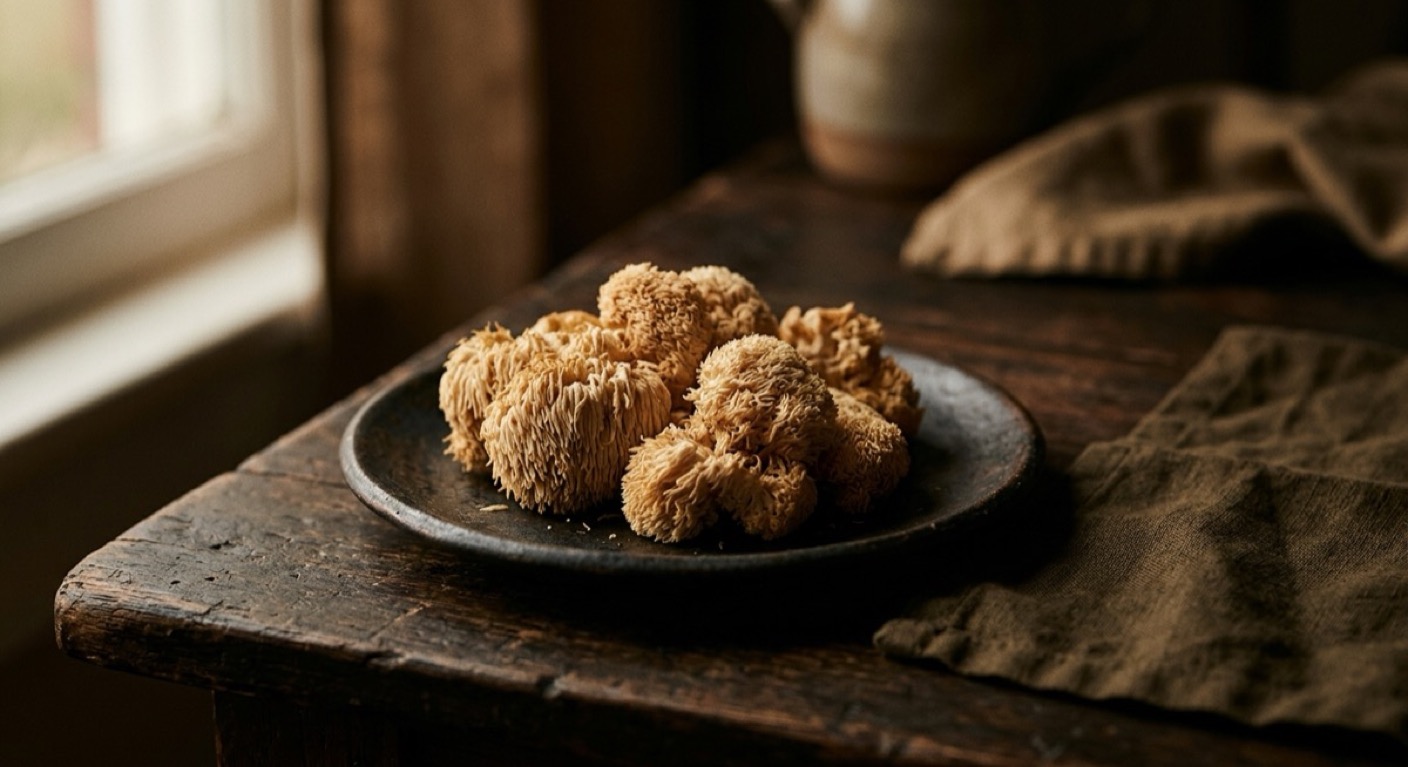
Lion's Mane Mushroom Shows Significant Cognitive Gains After 16 Weeks
A double-blind, placebo-controlled trial found that Hericium erinaceus extract taken for 16 weeks produced statistically significant improvements in cognitive performance. NGF stimulation is identified as the central mechanism.

Olay Puts Cell Adhesion at the Center of Skin Aging at AAD 2026
Olay's research presented at AAD 2026 found that declining cell-to-cell adhesion, not just collagen loss, drives wrinkles, sagging, and rough texture. The study points to new targets beyond collagen.

Taurine Protects Skin Barrier From Sleep Loss, Via Estrogen
A 2025 Nutrients study found that topical taurine restored skin barrier proteins and collagen in sleep-deprived female mice by activating the estrogen signaling pathway. The findings open a new angle on managing estrogen-related skin changes without hormones.

60% of Women Feel Less Attractive After Menopause, Global Survey Finds
Galderma's survey of 4,300+ peri- and post-menopausal women across 9 countries, presented at IMCAS 2026, reveals that skin changes after menopause carry a psychological weight that runs deeper than wrinkles alone. Collagen loss reaches up to 30% in the first five years post-menopause.
Kampo Herbal Cream Reduced Fine Eye Wrinkles in 28-Day Split-Face Trial
A Japanese clinical team used a split-face design to show that a quasi-drug cream containing tranexamic acid, dipotassium glycyrrhizate, and Kampo botanical extracts significantly reduced fine wrinkles at the eye corners over 28 days. Older participants showed the most pronounced improvement.
What 28 Days of NR Did to Skin: A Randomized Trial in Asian Women
A 28-day RCT in 35 Asian women aged 30-45 found that a nicotinamide riboside formula significantly improved skin moisture, brightness, firmness and wrinkles. Over 88% of participants also reported better energy and mood.
Neutrogena at AAD 2026: 20 Studies on Aging, Barrier, and UV Gaps
Kenvue brands Neutrogena, Aveeno, and Rogaine unveiled 20 research abstracts at the 2026 AAD Annual Meeting in Denver, covering vitamin C stability, high-dose retinol, oat-based moisturization, and next-generation UV filtration.

Olive Leaf Extract Shows Elastin-Preserving Effects in Post-Menopausal Skin
Bonolive, an olive leaf extract standardized for oleuropein, demonstrated improvements in skin elastin markers and microstructure in post-menopausal women—a non-hormonal ingredient targeting the collagen loss story's less-discussed side.

Retinal Is 11x Faster Than Retinol. Here's What the Clinical Data Actually Shows
Retinaldehyde (retinal) requires just one conversion step to become retinoic acid, compared to retinol's two. An 8-week trial showed 12% fine line reduction and 20% pore improvement. The strongest OTC retinoid now has the evidence to match its reputation.
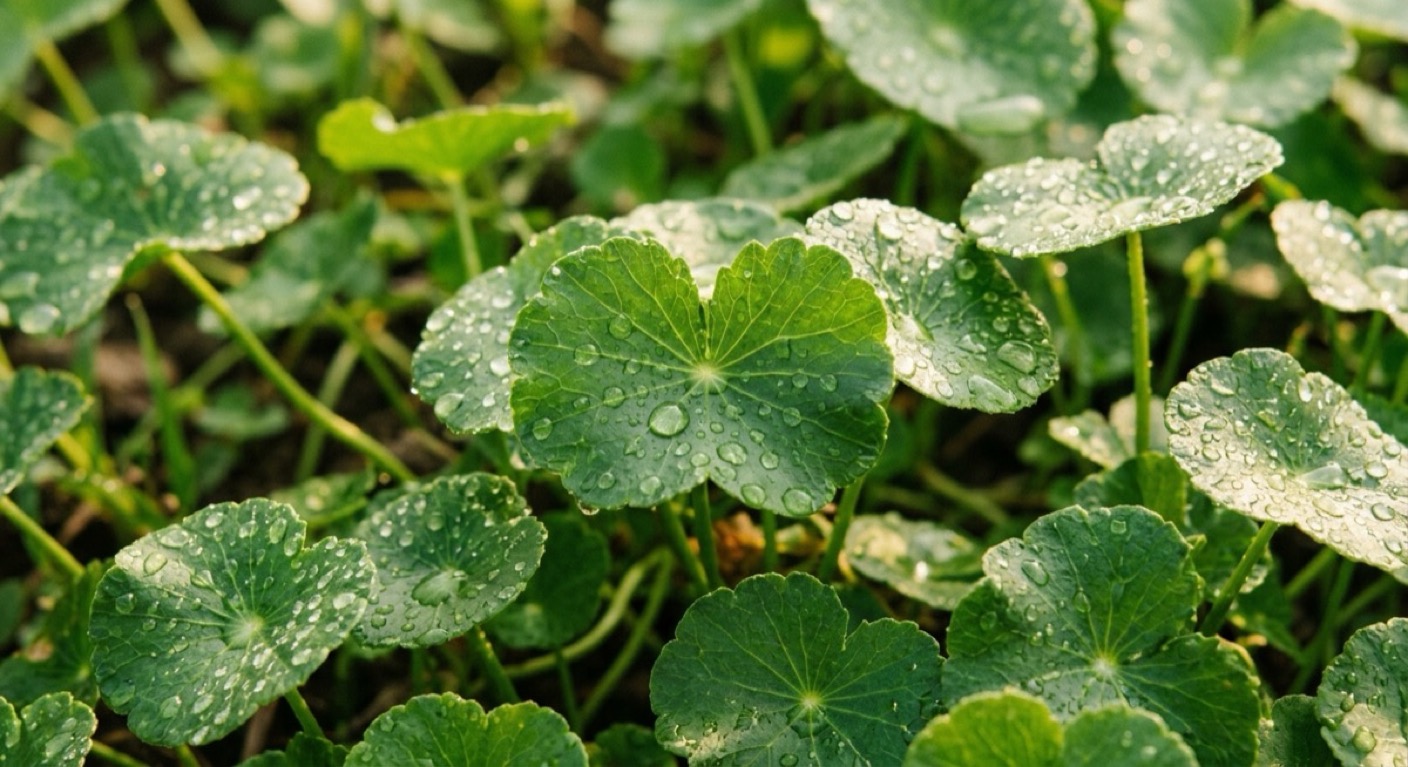
Centella Asiatica Exosome Serum Shows Pore, Elasticity, and Hydration Gains in 28-Day Trial
A 2025 clinical study of a CICA-derived extracellular vesicle serum showed statistically significant improvements across hydration, elasticity, pigmentation, and pore size in 28 days. Centella is moving beyond a soothing ingredient into structural skin recovery.

Inactive Bacteria, Active Skin Results: Heat-Treated Probiotics in Clinical Testing
A 2026 clinical study found that topical application of heat-killed Lactiplantibacillus plantarum and Bifidobacterium animalis improved skin hydration, elasticity, density, and roughness within 30 days. Postbiotics for skin enter a new phase.

Alpha-Arbutin Plus Kojic Acid Matches Triple Cream for Melasma, With Less Irritation and Lower Relapse
A 2025 split-face randomized trial found that alpha-arbutin 5% combined with kojic acid 2% produced statistically comparable melanin reduction to prescription triple combination cream, while showing fewer adverse effects and more stable results after treatment ended.
Ectoin Cuts Atopic Dermatitis Severity Score 64% in 4 Weeks
A systematic review of 525 patients found ectoin-based topical formulations reduced SCORAD from 42 to 15 in four weeks, while improving skin barrier markers including TEWL and stratum corneum hydration.
Nutricosmetics 2026: AI Personalization and the Gut-Skin Axis Take Center Stage
The beauty supplement market is maturing, and two trends are driving its next growth phase: AI-powered personalized formulations and gut-skin axis products. NutraIngredients maps out where the category is heading.

Colostrum Supplements for Adults: What the Science Actually Supports
Bovine colostrum is one of 2026's fastest-growing supplement trends, marketed for gut health, immunity, and glowing skin. Mayo Clinic and independent nutritionists offer a more measured assessment of who actually benefits.
Panthenol B5 Mask Achieves 84% Healing Rate After Laser in 2025 RCT
A 2025 double-blind randomized controlled trial found panthenol-enriched masks significantly reduced post-laser erythema from day three and accelerated TEWL recovery, with 96% of patients rating outcomes as good or excellent.

Psychobiotics 2026: What the Clinical Data Actually Says About Probiotics and Mental Health
Specific Lactobacillus and Bifidobacterium strains are showing measurable effects on anxiety, depression, and sleep through the gut-brain axis. A 2026 Frontiers review consolidates the clinical evidence and clarifies where strain specificity determines outcomes.

Ergothioneine: The 'Longevity Vitamin' Your Skin Has Been Missing
Found in mushrooms and black rice, ergothioneine targets mitochondria directly to neutralize oxidative stress. A 2025 clinical trial showed significant improvements in skin elasticity, wrinkles, and pigmentation.
Polyglutamic Acid Retains 45% Moisture vs. Hyaluronic Acid's 36% at 120 Minutes
A 2025 study isolating gamma-PGA from Bacillus subtilis found it upregulated skin barrier proteins filaggrin, involucrin, and loricrin, while outperforming hyaluronic acid in sustained moisture retention over 120 minutes.
Sea Buckthorn's Omega-7 Is the Skin Barrier Fatty Acid Nobody Talks About
Sea buckthorn is the only plant that provides all four omega fatty acids and carries 10 times more vitamin C than an orange. A 12-week RCT confirmed improvements in skin elasticity, antioxidant enzymes, and HDL simultaneously. Here's what the omega-7 data actually shows.

Taurine's Anti-Aging Promise, Put to the Test in 1,394 People
A 2023 animal study triggered a taurine supplement boom. A 2025 human study of 1,394 adults found that taurine levels don't reliably decline with age—challenging the core assumption behind the supplement. The clinical trial continues.
Topical EGCG Cuts UV-Induced Erythema 16% at 6 Weeks, 25% at 12
Research compiled in PMC confirms topical EGCG outperforms oral green tea for skin photoprotection, reducing UV-induced erythema significantly over 12 weeks while suppressing VEGF expression linked to vascular skin conditions.

Inflammaging: The Slow Burn Behind Your Skin's Aging
A chronic, low-grade inflammatory state that builds silently with age — inflammaging drives collagen breakdown through IL-6 and TNF-α signaling. 2025 research has mapped the molecular pathways in unprecedented detail.
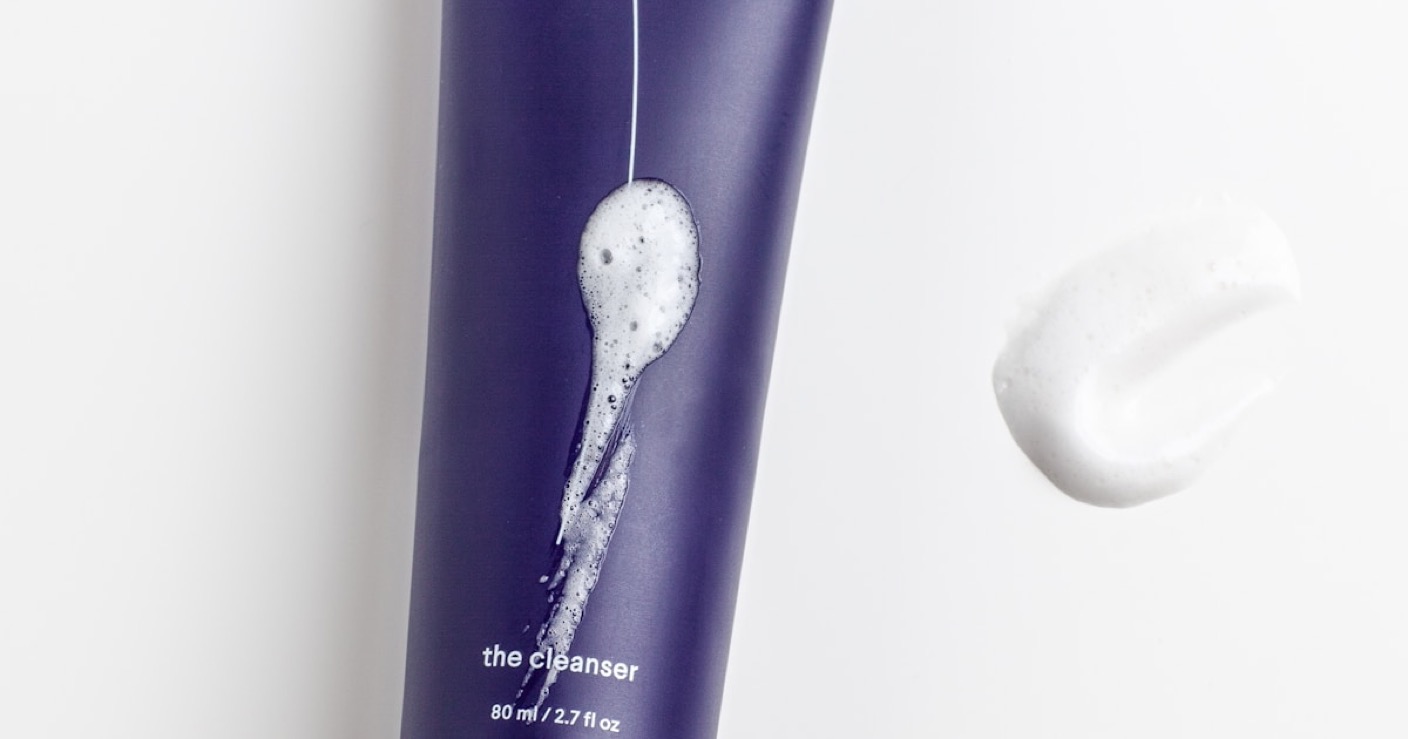
Oral Ceramides: The Inside-Out Approach to Skin Barrier Repair
Clinical trials on rice, wheat, and milk-derived oral ceramides consistently show improvements in skin hydration, transepidermal water loss, and elasticity. The evidence for eating your skin barrier is getting harder to ignore.
15mg of Olive Polyphenol Improved 7 Aging Biomarkers in 16 Weeks
A randomized controlled trial found that daily supplementation with hydroxytyrosol—the antioxidant compound behind olive oil's bitter taste—significantly reduced oxidative stress and inflammation markers in adults with prediabetes.
Broccoli Sprouts Have 50x More Sulforaphane. Here's Why It Matters for Skin
Broccoli sprouts contain up to 50 times more sulforaphane precursors than mature broccoli per gram. Research on Nrf2 pathway activation reveals significant UV protection and antioxidant benefits for skin.

87.76% of Tremella Mushroom Extract Is Hyaluronic Acid, 2025 Study Finds
Research published in MDPI Foods confirmed Tremella fuciformis extract contains 87.76% hyaluronic acid at a molecular weight of 5,185 kDa, qualifying it as a high-molecular-weight HA source and vegan alternative to animal-derived HA.

Menopause and Skin: 30% Collagen Lost in the First Five Years
A 2026 clinical review quantifies how fast skin collagen disappears after menopause—and what hormone therapy, supplements, and skincare can do about it. The numbers are more significant than most women are told.
Methylene Blue Outperforms NAC and MitoQ in Skin Fibroblast Anti-Aging
A 150-year-old dye is emerging as a serious skin anti-aging compound. At nanomolar concentrations, methylene blue outperforms NAC and MitoQ in fibroblast proliferation, collagen gene expression, and senescence delay.
Squalene Oleogel Restores Collagen from 24% to 43.6% After UV Damage
A nanowire-based squalene oleogel recovered collagen content and increased dermal thickness by over 70μm in UVB-damaged skin. Preclinical data from Ruijin Hospital, Shanghai Jiao Tong University, published February 2025.
Why Bifida Ferment Filtrate Is Becoming the Postbiotic Ingredient to Know
The postbiotic approach — applying fermentation byproducts rather than live bacteria — is growing faster than probiotic skincare. Bifida ferment filtrate strengthened skin barrier function by 35% in 4 weeks, faster than niacinamide alone.

Biotin for Hair Loss: What the Evidence Actually Shows
Millions of people take high-dose biotin for hair growth. A systematic review in the Journal of Clinical and Aesthetic Dermatology found only three qualifying studies—and the best-designed one showed no benefit in healthy adults.

5% Gluconolactone Serum Matches IPL for Rosacea Redness in 30 Days
A matched study of 200 rosacea patients found that 30 days of 5% gluconolactone serum produced comparable pore and skin tone improvements to a single IPL session. PHA's gentle acid profile is entering dermatological territory.

The Science Behind Ozempic Face: How GLP-1 Drugs Affect Skin at the Cellular Level
A 2026 review reveals the precise biological pathways through which GLP-1 receptor agonists accelerate facial aging—while simultaneously reducing systemic inflammation. The paradox is real, and so are the solutions.
Mandelic Acid-Tranexamic Acid Complex Doubles Pigmentation Improvement in 2 Weeks
An ion-pairing complex combining tranexamic acid and mandelic acid achieved 15.4% pigmentation improvement at 2 weeks versus 7.1% for tranexamic acid alone. A clinical study from LG Household & Health Care published in September 2025.

Idebenone: The Smaller CoQ10 Analog That Reaches Deeper Into Skin Cells
At 338 Da versus CoQ10's 863 Da, idebenone penetrates more efficiently into skin cells. A 2025 comprehensive review from Xiangya Hospital confirms skin improvements in roughness, hydration, and fine lines at 0.5-1% concentrations after six weeks.

Topical Melatonin Cream: +59.5% Hydration, +30% Firmness, -31% Wrinkle Depth
Topical melatonin cream trials report +59.5% skin hydration, +30% firmness, -31% coarse wrinkle volume. Combined oral and topical use also improves ceramide and triglyceride profiles.

Chaga Mushroom Tops 6 Medicinal Mushrooms for ROS Suppression With Zero Cell Toxicity
In a comparative study of six medicinal mushroom extracts applied to corneal and conjunctival cells, chaga (Inonotus obliquus) showed the strongest intracellular ROS reduction and was the only extract with no cytotoxicity across all three cell types tested.

Fisetin: Most Potent Senolytic Among 10 Flavonoids Tested
Fisetin is a strawberry and apple flavonoid that showed the strongest senolytic effects among 10 flavonoids tested. Human trials are underway for 220-participant elderly sepsis prevention, knee osteoarthritis, and Alzheimer's risk.

Spirulina + Zinc: 47% Blood Arsenic Reduction in Arsenic Toxicity Patients
A Bangladesh trial in arsenic-contaminated region residents showed spirulina + zinc reduced blood arsenic by 47%. 58 preclinical studies confirm spirulina's protective effects against lead, cadmium, and mercury toxicity.

Bakuchiol 0.5%, 12 Weeks: Photoaging Improvement Comparable to Retinol + Pregnancy-Use Potential
A 44-person randomized double-blind 12-week trial showed bakuchiol 0.5% produced photoaging improvement <strong>comparable to retinol 0.5%</strong> with significantly less irritation. Its potential to replace retinol during pregnancy draws attention.

PQQ 20mg, 6 Weeks: Brain NAA Increase and Orientation Cognition Improved in 34 MCI Seniors
A 6-week double-blind trial in 34 MCI seniors (mean 71.9 years, 28 women) found dihydrogen-PQQ produced significant interaction effects in orientation cognition and increased brain N-acetylaspartate (NAA) at multiple sites.

Saw Palmetto, 180 Days: Significant Hair Density, Thickness, and QoL Gains in Self-Perceived Thinning
A 180-day placebo-controlled trial showed standardized saw palmetto extract significantly improved hair density, thickness, and hair-related quality of life. 5α-reductase inhibition reduces DHT.

Tranexamic Acid: Oral 250mg BID Produces 65% Good-to-Excellent Response in Melasma
Oral tranexamic acid 250-500 mg twice daily produced good-to-excellent response in about 65% of melasma patients. 28-month long-term use maintained efficacy without thromboembolic events.

Lactoferrin: Similar Efficacy to Iron, Fewer GI Side Effects in Pregnant Anemia
A meta-analysis comparing lactoferrin to ferrous sulfate in pregnant women with anemia showed comparable hemoglobin increases at 4 weeks, with significantly fewer GI side effects in the lactoferrin group.

Rhodiola Rosea Reduced Stress by 41.8% in 8 Weeks
A clinical trial with 100 participants taking 400mg of Rhodiola rosea daily for 8 weeks showed 41.8% stress reduction, 54% sleep improvement, and 63% decline in depression scores.

Glycine 3g: The Amino Acid That Changes Your Sleep Architecture
Clinical evidence shows 3g glycine before bed shortens sleep onset by 10-15 minutes, increases slow-wave sleep, and improves next-day alertness, without dependency or stage suppression.
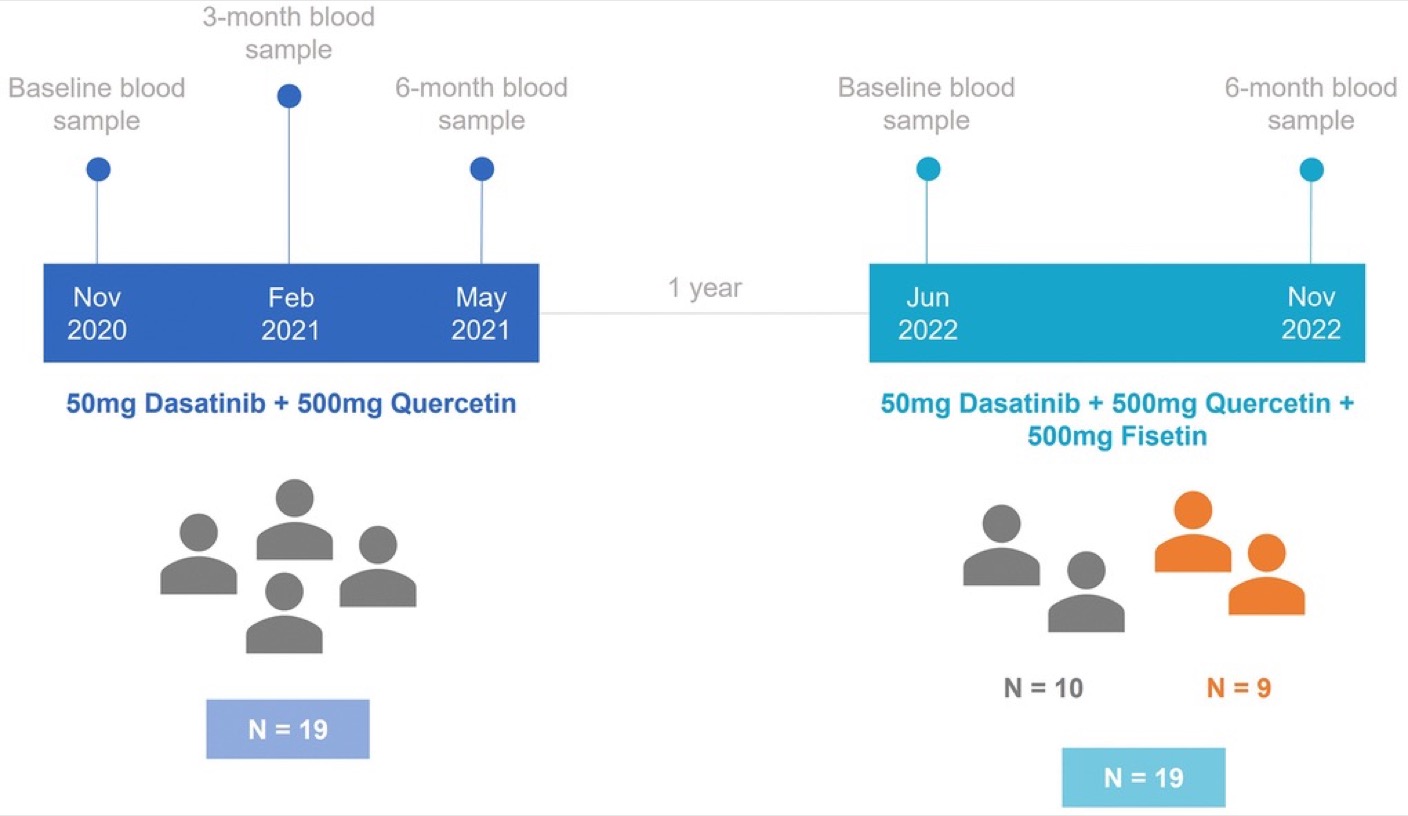
Dasatinib + Quercetin Senolytic: 6-Month DNA Methylation Clock Tracking Trials
Trials testing dasatinib 100mg + quercetin 1,250mg on a 2-day pulse every 2 weeks over 12 weeks evaluate senescent cell clearance and DNA methylation clock changes. Senolytic therapy is entering serious human study in 2025-2026.

Astaxanthin 12mg, 16 Weeks: Skin Moisture, Wrinkles, and Elasticity Maintained in 65 Women
A 16-week double-blind trial in 65 women found 12 mg/day astaxanthin prevented wrinkle and moisture worsening observed in placebo. Cheek elasticity improved significantly at week 8.
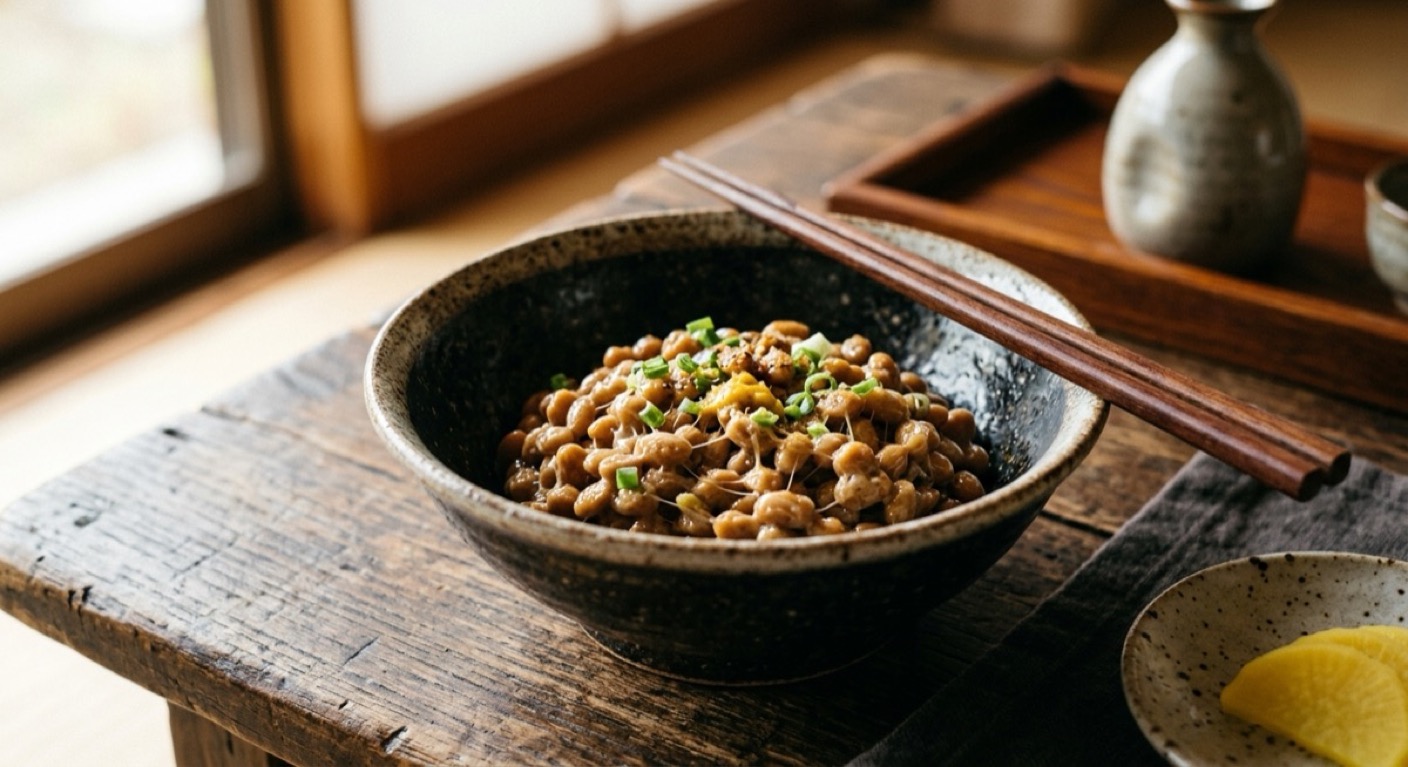
Nattokinase Lowers Systolic Blood Pressure by 3.45mmHg Across 6 Trials
A meta-analysis of 546 participants found nattokinase reduced systolic BP by 3.45mmHg and diastolic by 2.32mmHg. A separate study showed 36% arterial plaque reduction at high dose.

Bacopa Monnieri 2025 RCT: Better for Stress Than Memory
A 12-week double-blind trial of 101 adults found bacopa monnieri didn't improve memory test scores, but significantly reduced stress reactivity (p=0.03) and post-task fatigue.

Zinc-Carnosine: Tight Junction Defense and 300% Gut Epithelial Cell Migration
Zinc-carnosine prevented NSAID-induced increased intestinal permeability and accelerated gut epithelial cell migration and proliferation by 300%. A 14-day double-blind trial confirmed gut barrier maintenance post-exercise.

MSM 12-Week Trial: Knee Pain Scores Dropped Significantly
A randomized double-blind trial of 88 adults found MSM 2,000mg daily for 12 weeks significantly reduced knee pain scores (p=0.046) and raised a cartilage synthesis biomarker at week 8.

Pediatric Eczema: SCORAD Drops Significantly After 2 Months of Probiotics
Meta-analyses of pediatric atopic dermatitis trials confirm SCORAD scores drop significantly after 2 months of probiotic supplementation. Lactobacillus-Bifidobacterium combinations show the most consistent effects.

Tocotrienols: The Stronger Vitamin E Subfamily
Tocotrienols are a vitamin E subfamily with higher cellular uptake than tocopherols, and stronger defense against UV, inflammation, and melanin. A 2026 TRF trial is evaluating oxidative stress and skin condition improvements.

L-Theanine + GABA Combination Shortens Sleep Latency and Improves NREM Sleep
A single-arm study combining GABA 700 mg and L-theanine 200 mg reported shortened sleep latency and improved NREM sleep. L-theanine 200-400 mg alone shows stress and anxiety reduction.
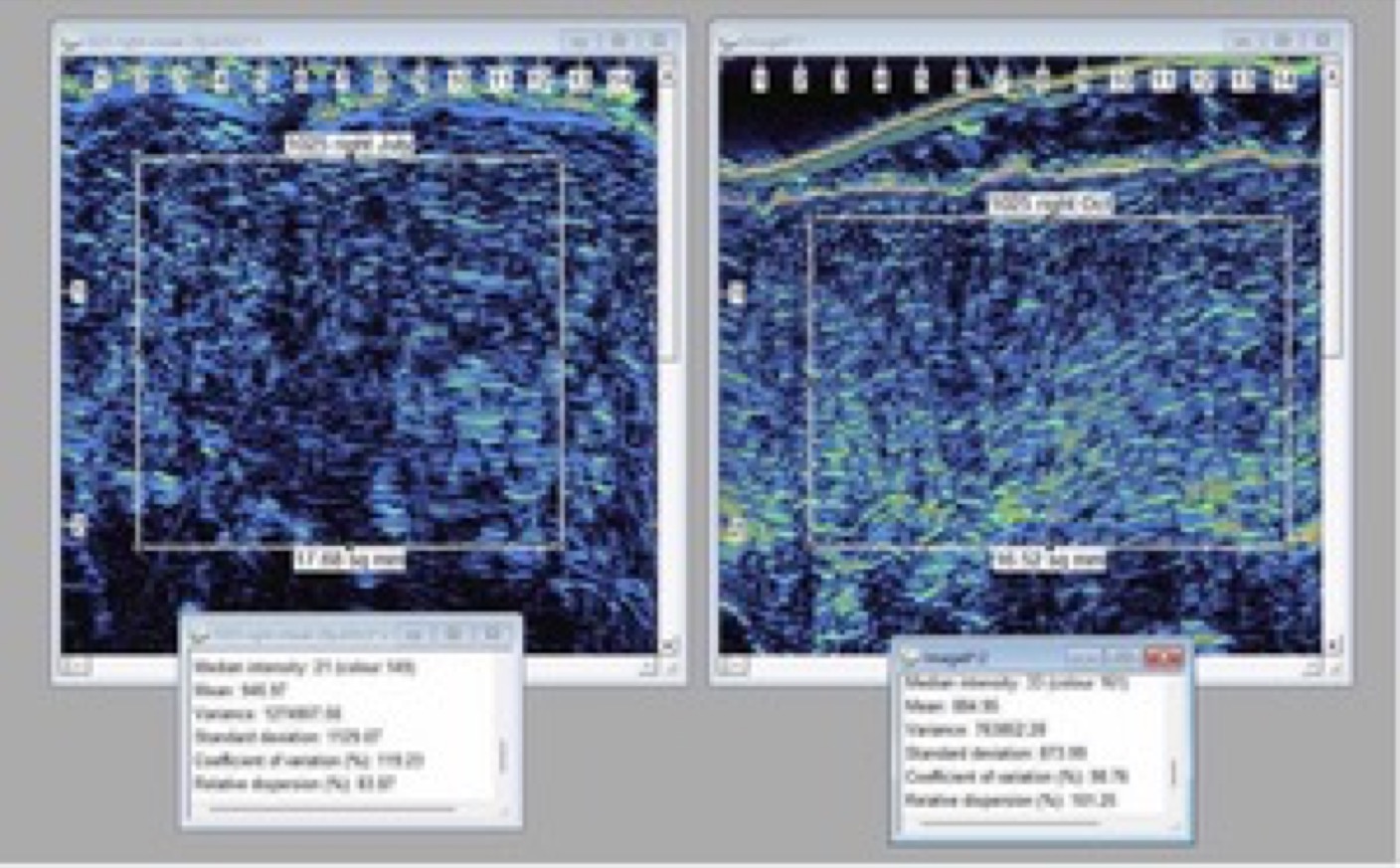
GHK-Cu Copper Peptide: 28% Average Collagen Increase in 21 Women Over 3 Months
21 women using daily topical GHK-Cu gel for 3 months showed 28% average collagen increase, with the top quartile at 51%. A separate 71-woman 12-week trial reported skin density and fine-line improvements.

Myo-Inositol: 68% of PCOS Women Restored Menstrual Cycle Regularity
Myo-inositol combined with D-chiro-inositol at 40:1 improved fasting insulin, HOMA index, and androgens in PCOS. One trial reported 68% of patients regained menstrual cycle regularity.
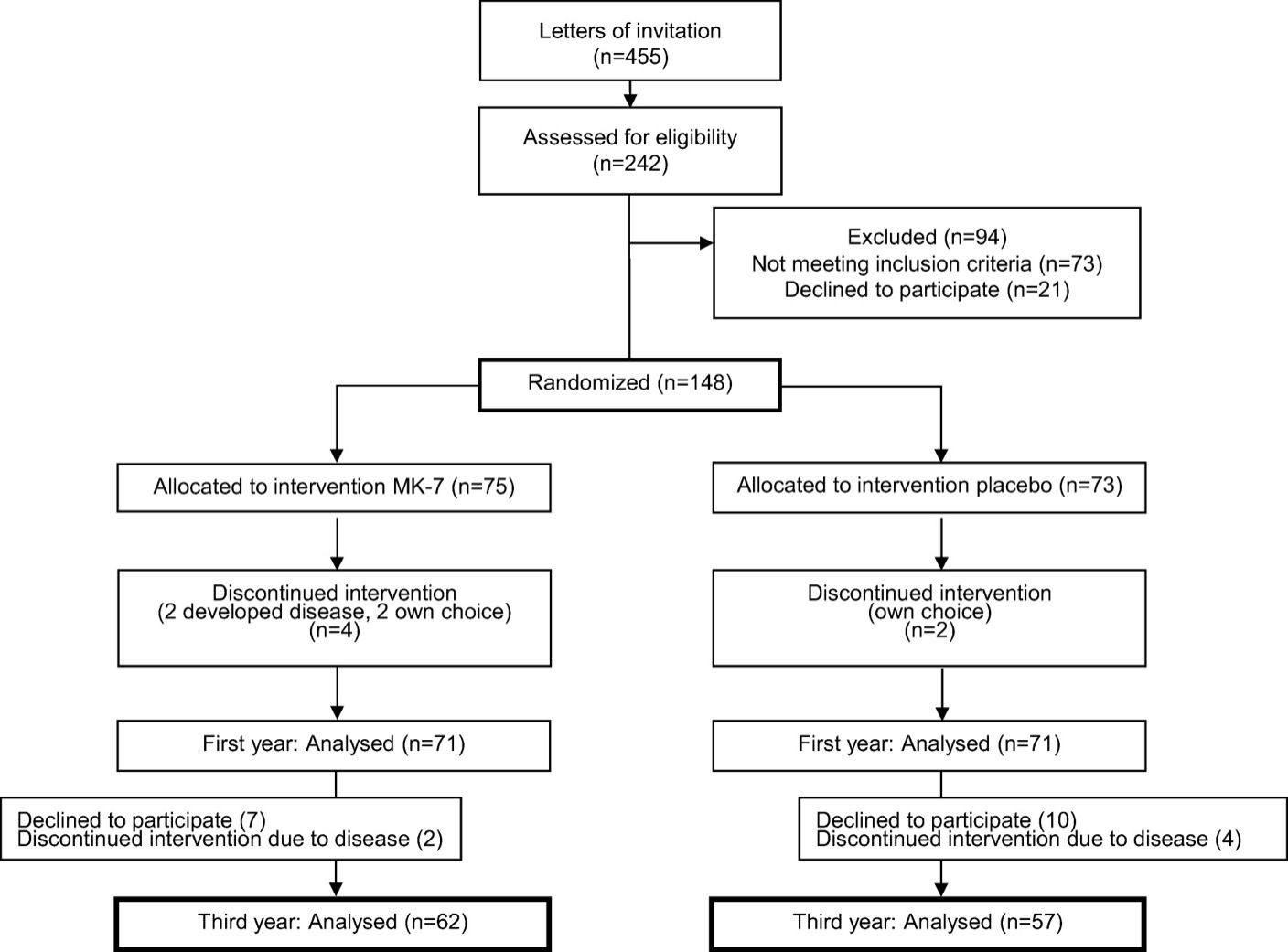
Vitamin K2 MK-7, 3 Years: 244 Postmenopausal Women Slowed Bone Density Loss
244 healthy postmenopausal women taking MK-7 180 μg daily for 3 years showed significantly slower age-related bone density and strength decline. A higher-dose 375 μg trial reduced under-carboxylated osteocalcin by 65.2%.

Azelaic Acid: 20-Trial Meta-Analysis Confirms Triple Action on Rosacea, Acne, and Pigmentation
Azelaic acid 15% gel significantly reduced rosacea erythema and inflammatory lesions versus vehicle. A 24-week trial in Fitzpatrick IV-VI skin showed 20% azelaic acid lowering pigmentation intensity.
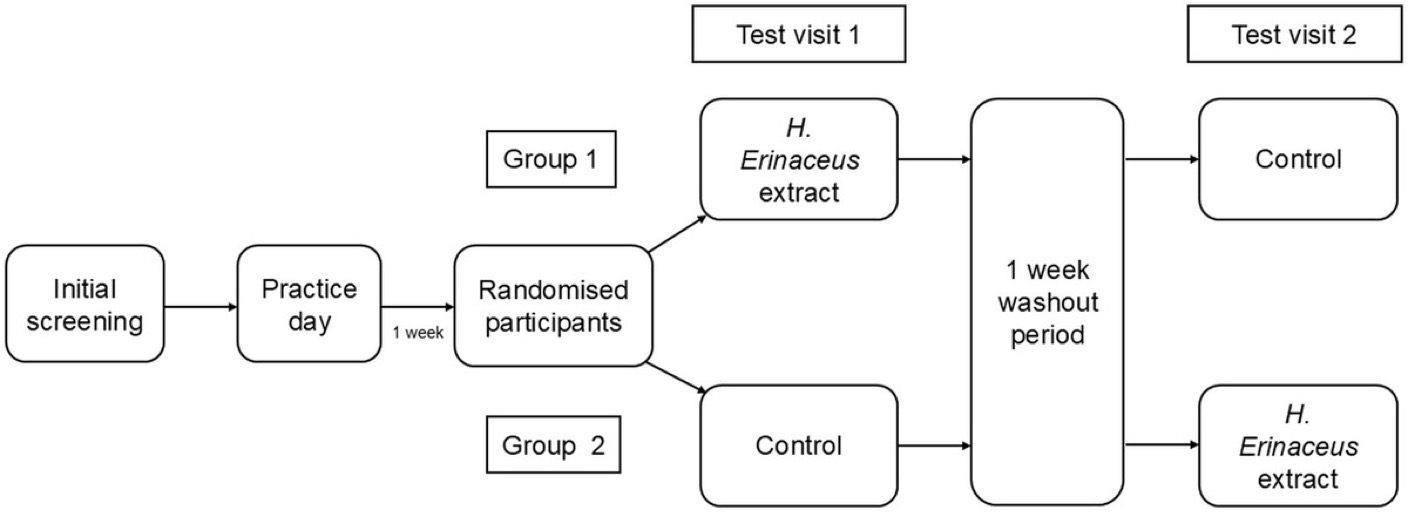
Lion's Mane: Single Dose Shortened Stroop Task Reaction Time at 60 Minutes
A single dose of standardized Hericium erinaceus extract significantly shortened Stroop task reaction time in healthy adults at 60 minutes. A 28-day regimen trended toward reduced subjective stress.
Glycine: Collagen's Essential Third-Position Amino Acid and Sleep's Quiet Lever
Glycine is the smallest amino acid and fills every third position in the collagen triple helix. Cell studies show 60-75% type II collagen synthesis increase with higher glycine. It also modulates sleep via NMDA receptors.

5,472 Women Aged 60-99: Top Grip Strength Group Had 33% Lower Mortality
A February 2026 JAMA Network Open cohort found women 60-99 with high grip strength and fast chair stands had significantly lower mortality risk. Strength effects held even for those not meeting aerobic activity guidelines.
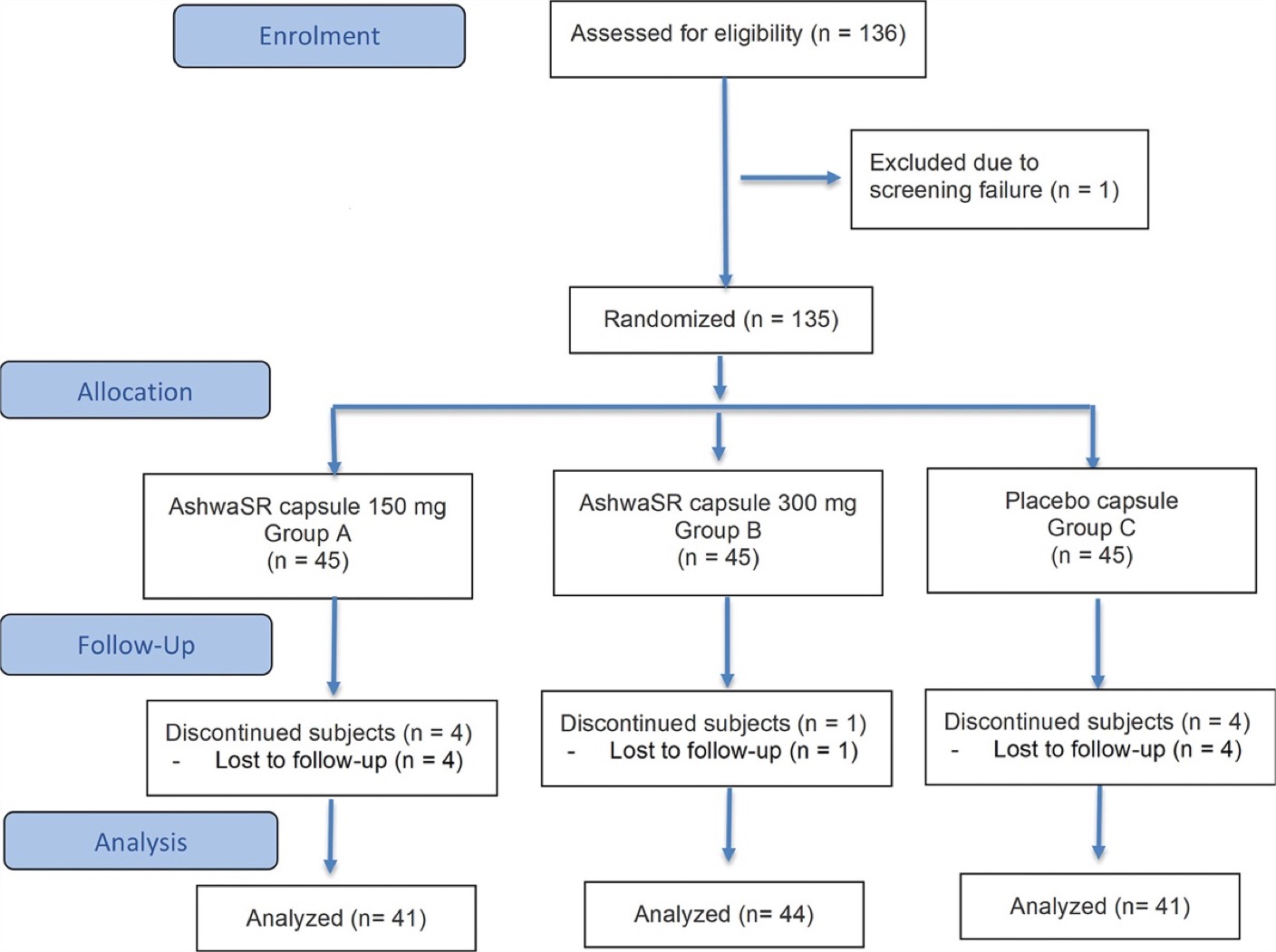
Ashwagandha 300mg, 60 Days: Serum Cortisol Down 19.15%
A 2026 AshwaSR trial reported serum cortisol dropped 19.15% after 60 days on sustained-release ashwagandha 300 mg. Sleep quality, eating behavior, and psychological well-being also improved.
80% Snail Mucin Cream, 4 Weeks: Dermal Density, Elasticity, Moisture All Improved
A split-face trial showed that twice-daily 80% snail mucin cream over 4 weeks significantly improved dermal density, elasticity, and moisture retention versus untreated control. K-beauty's steady-seller is earning clinical backing.

Berberine: 16 Trials, 2,147 Patients, LDL Down 0.38 mmol/L and TC Down 0.47 mmol/L
A meta-analysis of 16 trials in 2,147 patients found berberine significantly reduced total cholesterol and LDL in dyslipidemia. Doses ran 600-1,500 mg daily over 1-24 months.

132 Women Over 40: Oral + Topical Resveratrol Cut Wrinkles in 8 Weeks
A Lallemand trial in 132 women over 40 combining 75 mg oral trans-resveratrol with 1.5% topical cream showed significantly reduced wrinkles and normalized sebum versus placebo after 8 weeks.
DHA 8 Weeks Significantly Lowers SCORAD in Atopic Dermatitis
A Nutrients trial found 8 weeks of oral DHA supplementation significantly reduced SCORAD scores in atopic dermatitis. Omega-3s strengthen skin barrier and reduce transepidermal water loss.

'Normal' B12 Isn't Enough: UCSF Rewrites the Cognitive Threshold
A 2025 UCSF study found that older adults with B12 levels at the low end of the normal range show white-matter damage and slowed cognitive and visual processing speeds. The researchers call for updating current B12 requirements.
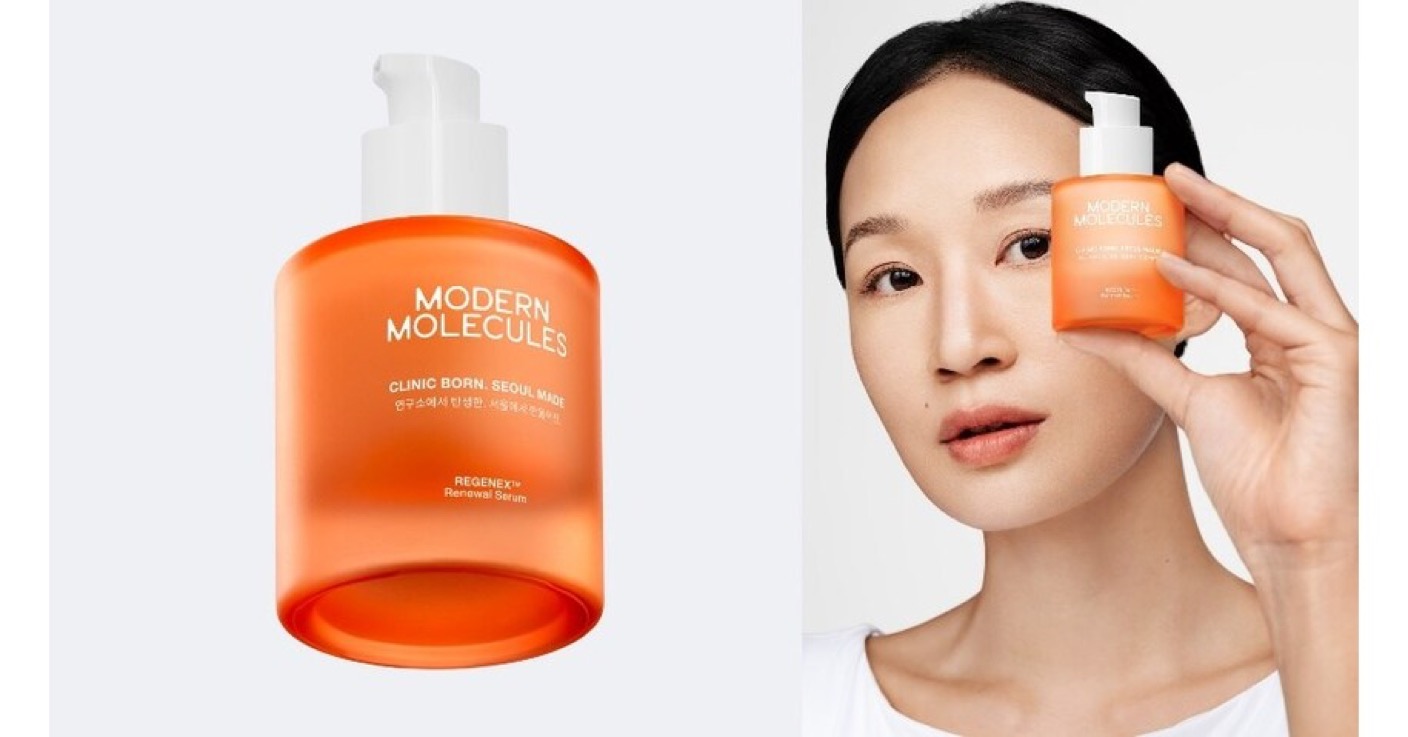
Exosomes Outperform Retinol by 7.2x on Wrinkles, 17x on Pigmentation in Korean 8-Week Trial
The Korean Skin Research Centre's REGENEX serum trial showed exosomes beating retinol 7.2x on wrinkle reduction and 17x on pigmentation after 8 weeks. K-beauty's next wave is regenerative aesthetics.

Creatine HCl 1,500mg Lifted Reaction Time and Frontal Brain Creatine in Menopausal Women
The CONCRET-MENOPA trial found that medium-dose creatine HCl (1,500 mg/day) improved reaction time and raised frontal brain creatine concentrations in perimenopausal and menopausal women over 8 weeks. Mood-swing severity also decreased.

Tirzepatide: 39% of Weight Lost Comes From Muscle, FAERS Data Shows Middle-Age Women Overrepresented
A retrospective FAERS analysis of 65,974 tirzepatide adverse event reports from 2022-2025 found 67% came from women aged 40-59. Up to 39% of weight lost on GLP-1/GIP agonists comes from lean mass, with downstream bone density consequences.

85% Menopausal Hot Flash Relief: 2026 Evidence for S-Equol, Siberian Rhubarb, and Maca
For women who can't or won't use HRT, 2026 clinical data converges on three well-studied non-hormonal options: S-equol (a soy metabolite), ERr 731 (standardized Siberian rhubarb), and Maca.

Magnesium Bisglycinate 250mg Cut Insomnia Severity in a 155-Adult Trial After 4 Weeks
A German nationwide, double-blind trial of 155 adults found that 250 mg of magnesium bisglycinate over 4 weeks produced a significantly greater reduction in Insomnia Severity Index scores than placebo. The effect was most pronounced in participants with low dietary magnesium.

March 2026 Systematic Review: Postbiotics Deliver 'Clinically Meaningful' Acne Reduction
A March 2026 systematic review of prebiotics, probiotics, and postbiotics for acne confirmed safety and 'clinically meaningful lesion reductions.' Female acne, persistent on the face and hormone-linked, is a primary target.

20% of GLP-1 Users Hit a Nutrient Deficiency in 12 Months. Iron, Calcium, and B12 Go First
A large cohort study found over 20% of GLP-1 users were diagnosed with a nutritional deficiency within 12 months. With food intake dropping 40%, iron, calcium, magnesium, zinc, and vitamins B12, D, and K fall together.

Topical NAD+ Is Really NR and NMN, and 2026 Formulas Add a CD38 Blocker
NAD+ itself is too large to penetrate the skin. The 2026 topical NAD+ category relies on smaller precursors (NR, NMN, niacinamide) paired with CD38 inhibitors like quercetin and enoxolone.
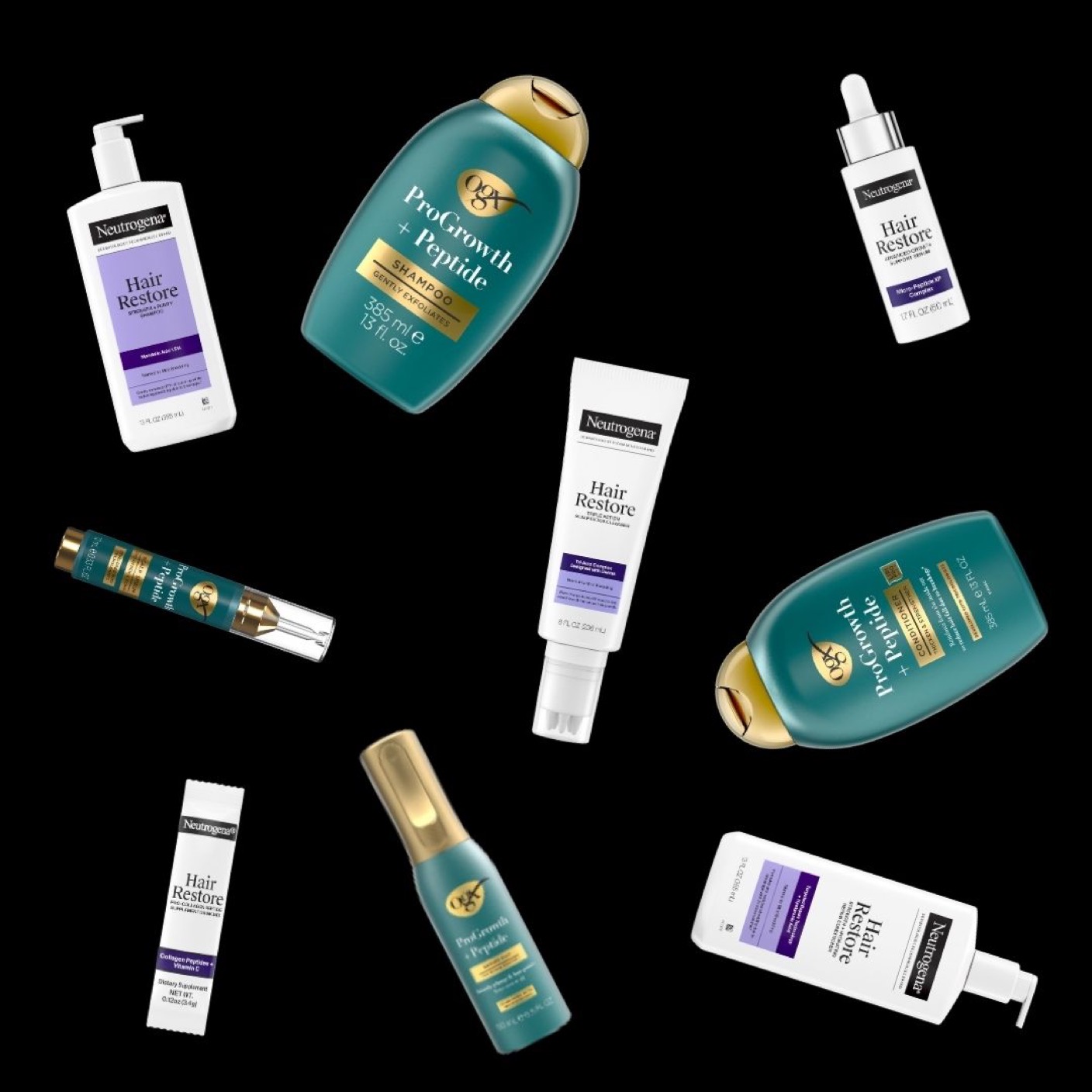
87% of Women Experience Hair Loss, Only 25% Act on It. Kenvue's Scalp-First Playbook
Kenvue, the parent of Neutrogena and OGX, is launching peptide-based scalp lines nationwide in 2026, targeting the gap between 87% of women experiencing hair loss and only 25% taking action. Hair care is moving from fragrance to ingredients.

Rejuran Arrives in the US, but FDA Only Cleared the Topical Microneedling Path
Korea's salmon-derived polynucleotide treatment Rejuran is gaining traction in the US, but with a crucial distinction. FDA clearance covers only topical application through microneedling, not the injection protocol used in Korea.

198 Asian Women, 12 Weeks, Measurable Dermal Thickness From Fish Collagen Plus L-Cystine
A three-arm double-blind trial of Naticol fish collagen combined with L-cystine improved hydration, dermal thickness, and wrinkles in mature women and texture, redness, and UV defense in younger women. Effects held at a low 5.5 g daily dose.
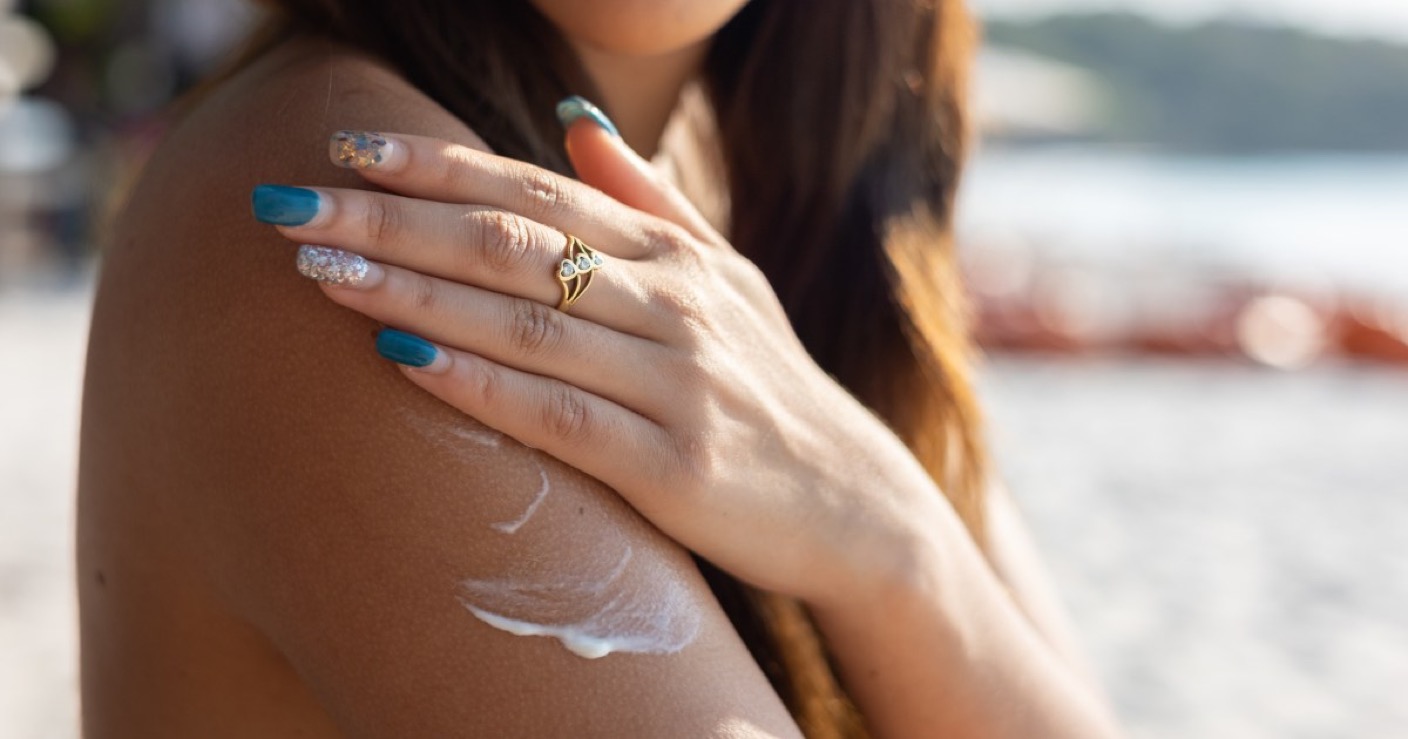
Bemotrizinol Nears FDA Approval, Ending 26-Year US Sunscreen Drought
The FDA has proposed bemotrizinol (BEMT) as the first new sunscreen active ingredient since 1999. It would be America's first chemical filter to block both UVA and UVB, with final approval expected in late 2026.

Taking More Than 40mg of Zinc Long-Term Can Backfire Through Copper Depletion
The tolerable upper limit for zinc is 40mg per day. Exceeding this suppresses copper absorption, which can lead to anemia, neutropenia, and immune suppression, the opposite of the intended effect.

Iron-Deficiency Hair Loss, Starting Supplementation Within 6 Months Improves Prognosis
Patients who began iron supplementation within 6 months of hair loss onset showed significantly better recovery outcomes. The optimal ferritin target for hair health is 70ng/mL or above, and bisglycinate offers better absorption with fewer GI side effects.
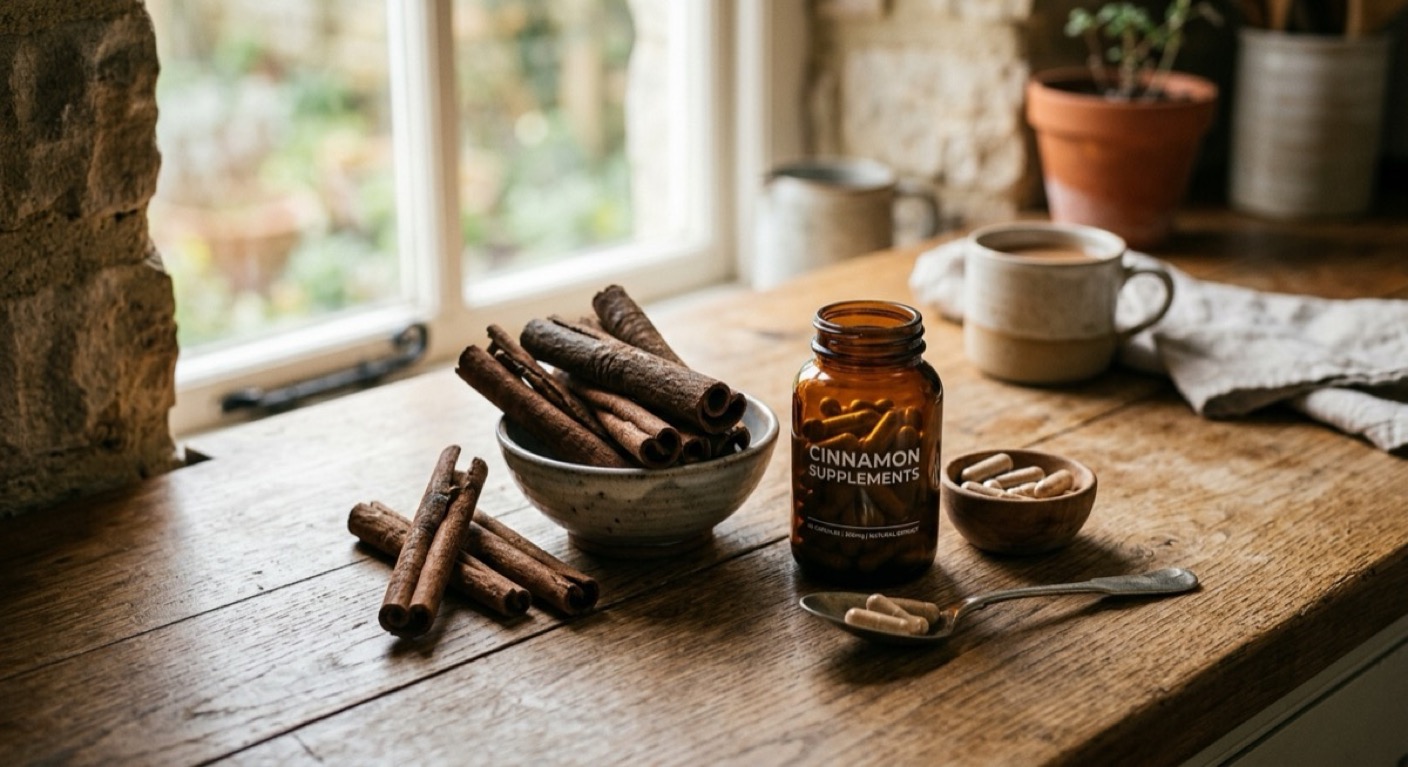
Berberine Plus Cinnamon Significantly Reduced Fasting Glucose and HbA1c
A 2025 randomized controlled trial found that a berberine-cinnamon combination significantly lowered fasting blood sugar and HbA1c in type 2 diabetes patients compared to placebo.
Creatine as an Adjunct for Depression in Women, the Emerging Evidence
Women have lower brain creatine levels than men, particularly in the frontal lobe. Preliminary data show that combining creatine with antidepressants reduced depressive symptoms in female adolescents and adults.
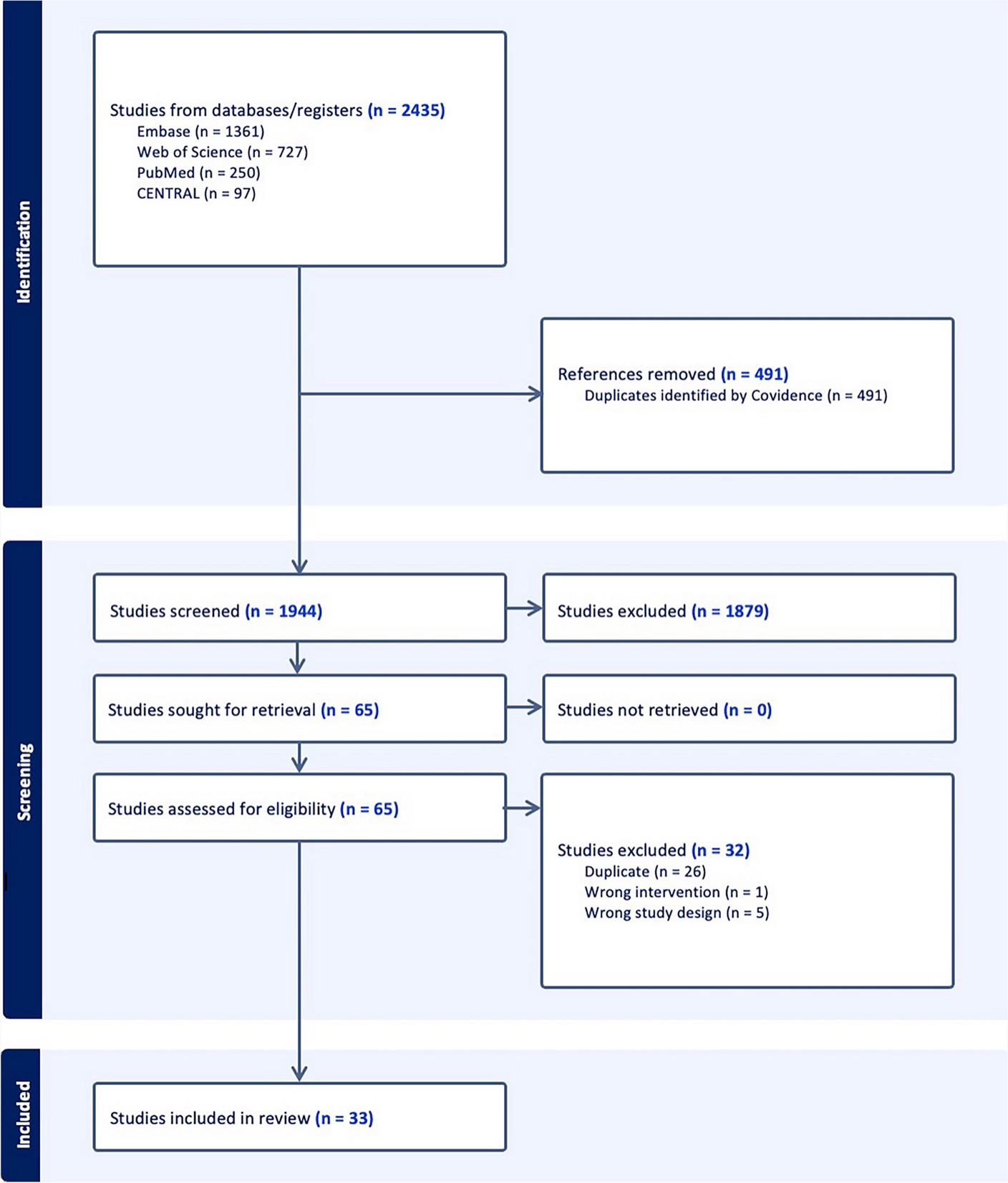
Postbiotics Emerge as a New Paradigm in Acne Management
A 2026 systematic review found evidence that prebiotics, probiotics, and postbiotics can play supportive roles in acne treatment. L.plantarum HY7714 improved elasticity, while Akkermansia-derived postbiotics showed skin barrier recovery potential.

Zinc Plays a Dual Role in NK Cell Activation and Skin UV Defense
Zinc increases perforin expression in NK cells to strengthen immune surveillance while simultaneously defending against UV-induced skin damage through its antioxidant role. The RDA is 8-11mg daily, and exceeding 40mg risks copper depletion.

Berberine Shows Blood Sugar Control Comparable to Metformin
Berberine, an alkaloid from traditional medicinal plants, activates AMPK to lower blood glucose at levels comparable to metformin in clinical trials. The typical dose is 900-1,500mg split across meals, but combining it with diabetes medications requires professional guidance.

60% of Women with Hair Loss Had Low Ferritin, Researchers Propose 60ng/mL Threshold
A dermatology study found that 60% of women experiencing hair loss had ferritin below 30-40ng/mL. Researchers propose raising the hair-health ferritin target to 60ng/mL with hemoglobin above 13g/dL.

1,500mg Creatine for 8 Weeks Raised Brain Creatine 16.4% in Menopausal Women
The CONCRET-MENOPA trial found that 1,500mg creatine HCl taken daily for 8 weeks increased frontal lobe creatine by 16.4% and improved reaction time by 6.6% in peri- and postmenopausal women.
5 Weeks of Postbiotics Significantly Improved Skin Elasticity and Hydration
A joint clinical trial by Kaneka and AB-Biotics found that heat-treated L.sakei KABP-065 taken for 5 weeks significantly improved skin firmness and moisture retention in women, with more pronounced effects in participants over 40.
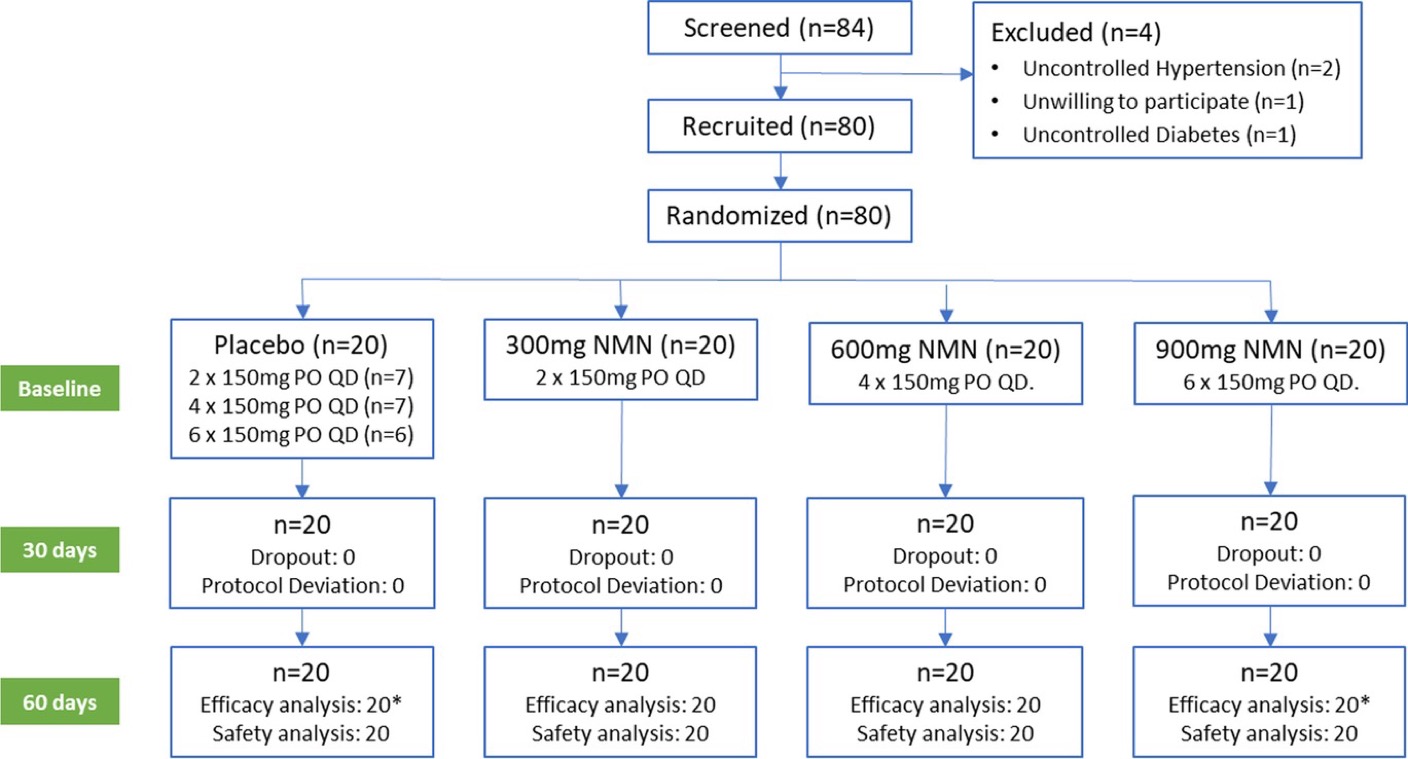
NMN 60-Day Multicenter Trial Confirms Dose-Dependent Effects at 300~900mg
Abinopharm's multicenter double-blind clinical trial confirms that NMN at 300~900mg over 60 days significantly increases blood NAD+ levels, improves physical performance in a dose-dependent manner, and shows a favorable safety profile. A separate trial found 1,000mg/day doubled NAD+ in just 14 days.

50~80% of Menopausal Women Are Vitamin D Deficient, 70~80% in Obesity
Between 50~80% of menopausal women and 70~80% of overweight or obese individuals are vitamin D deficient. This article examines how vitamin D deficiency connects to insulin resistance, bone density loss, and weight management challenges.

GLP-1 Companion Supplements, Joint Recommendation From Four Medical Societies
ACLM, ASN, OMA, and The Obesity Society have jointly published a companion nutrition supplementation guide for GLP-1 users, covering key nutrients including B12, iron, magnesium, protein, creatine, and guidance for next-generation GLP-1 agents.
Collagen Supplements Effective for Postmenopausal Women and UV-Damaged Skin
An umbrella review analyzing 113 randomized controlled trials with approximately 8,000 participants found that collagen supplements show significant effects in postmenopausal women and UV-damaged skin, differing from general wrinkle-reduction expectations.
Vitamin D Supplementation Slows Telomere Shortening, Reduces Biological Age by 3 Years
Vitamin D3 supplementation significantly inhibited leukocyte telomere shortening, showing an effect equivalent to reversing approximately 3 years of biological aging. An association with reduced colorectal cancer risk was also confirmed.

Brain-Gut-Skin Axis Links Six Conditions, From Acne to Alopecia Areata
A comprehensive review published in Frontiers in Immunology maps the brain-gut-skin axis mechanisms and identifies connections to six conditions: acne, atopic dermatitis, psoriasis, rosacea, vitiligo, and alopecia areata.
NMN Confirmed as Legal Supplement by FDA, Clinical Data at 300~900mg Released
Following the FDA's confirmation of NMN's dietary supplement status, Abinopharm's multicenter double-blind clinical trial published in GeroScience shows dose-dependent NAD+ increases and physical performance improvements at 300~900mg.
Up to 40% of GLP-1 Weight Loss Comes From Muscle, Nutrition Strategy Is Key
During GLP-1 receptor agonist use, 15~40% of total weight lost can come from muscle. Based on joint recommendations from ACLM, ASN, OMA, and The Obesity Society, here is the nutrition and exercise strategy to preserve lean mass.

Magnesium Acts as Vitamin D's 'Switch,' Confirmed in 250-Person Clinical Trial
A double-blind clinical trial of 250 adults from the Vanderbilt-Ingram Cancer Center confirmed that magnesium acts as a bidirectional regulator of vitamin D, raising low levels and lowering high levels.

Collagen Supplements Show No Effect on Skin Roughness, 8,000-Person Meta-Analysis Finds
An umbrella review from Anglia Ruskin University, synthesizing 113 randomized controlled trials with approximately 8,000 participants, found that collagen supplements improve skin hydration and elasticity but show no significant effect on roughness or deep wrinkles.

Curcumin 0.5g for 42 Days Reduced Wrinkle Area and Improved Skin Luminosity
In Lubrizol's Curcushine clinical trial, 63 women aged 21-50 took curcumin 0.5g daily for 42 days. Results showed reduced wrinkle area, less redness, and improved skin luminosity.

How Stress Ages Your Skin, From Cortisol to Collagen Breakdown
Chronic stress activates MMP enzymes that degrade collagen and elastin. The skin enzyme 11beta-HSD1 converts inactive cortisone to active cortisol locally. 2025 clinical findings.

Sleep Supplement Market Reaches $7.5 Billion, Projected to Hit $12.8 Billion by 2035
The global sleep supplement market is valued at $7.5 billion in 2025 and projected to reach $12.8 billion by 2035, growing at a 5.4% CAGR. Lavender, saffron, and vitamin B6 are driving next-generation formulations.

Strength Training Tops 2026 Wellness Priorities, 82% More Focused on Health
A Life Time survey of 750+ respondents found that 82% plan to focus more on health in 2026. 42.3% named 'getting physically stronger' as their top goal, and 33.2% cited longevity as a key motivator.

Preventing Muscle Loss, Why Protein Alone Is Not Enough
HMB at 3g/day significantly improved grip strength. Vitamin D helps only when correcting deficiency. Leucine, creatine, omega-3, and the limits of supplementation strategy for sarcopenia.
The Real Difference Between SPF 30 and SPF 50 Is Just 1%
SPF 30 blocks 97% of UVB. SPF 50 blocks 98%. Double the number, 1 percentage point difference. What SPF numbers actually mean and how to choose sunscreen effectively.
Collagen Precursors Reduced Biological Age by 1.4 Years in 6 Months
A collagen precursor supplement combining glycine, proline, and hydroxyproline in a 3:1:1 ratio reduced biological age by an average of 1.4 years over six months in a 66-person trial.

NMN 500mg for 12 Weeks Increased Anagen Hair Density by 57%
A Mitsubishi Life Sciences clinical trial found that 15 women aged 40-50 who took 500mg NMN daily for 12 weeks saw anagen hair density rise from 55.9 to 87.7 hairs/cm², a 57% increase.
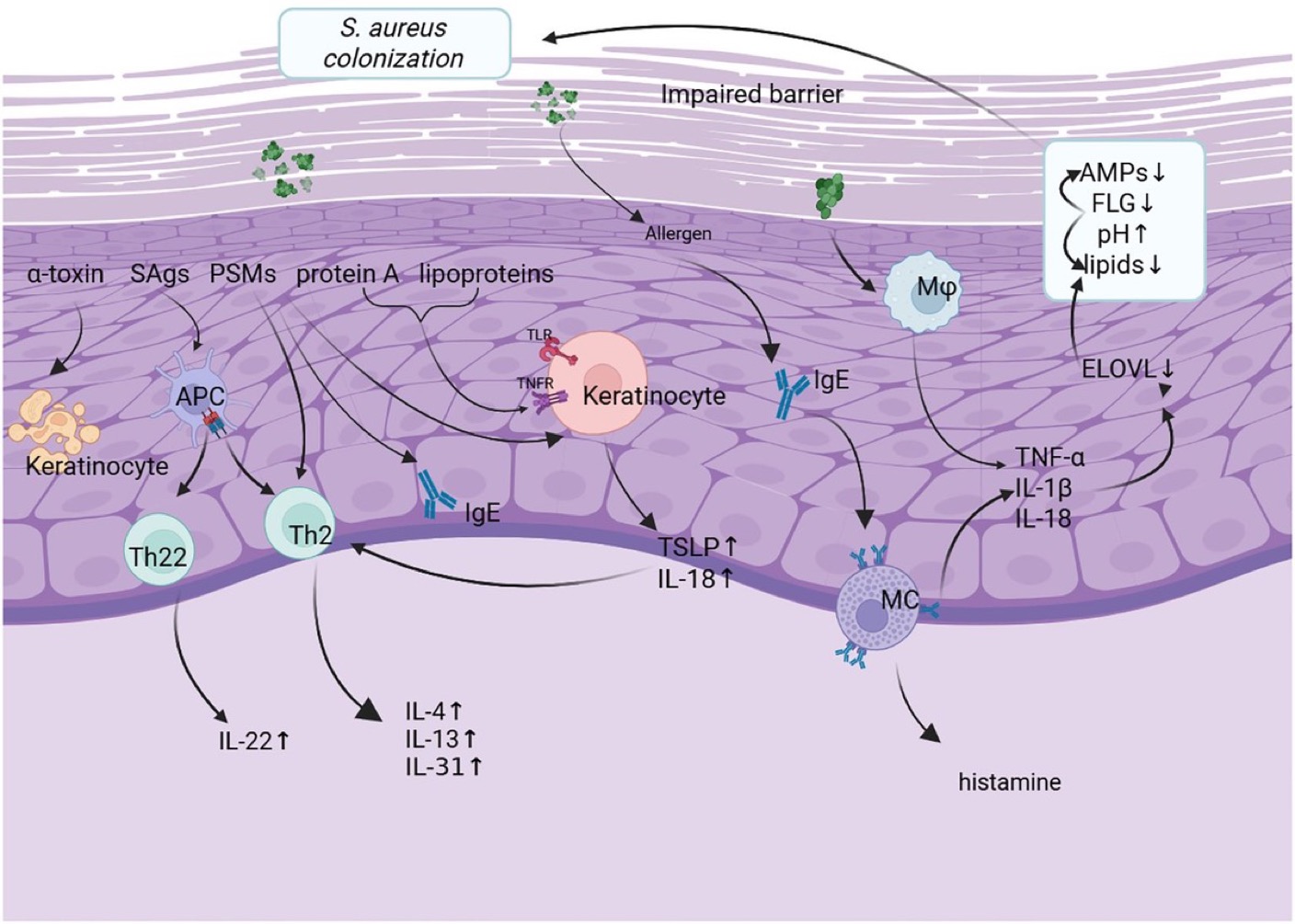
Atopic Dermatitis May Start in the Gut, Not the Skin
Early-persistent atopic dermatitis linked to gut acetate levels and Ruminococcus gnavus abundance. The gut-skin axis is shifting treatment paradigms.
Vitamin C Serum, Why It Turns Brown in Weeks
L-ascorbic acid degrades within 6-12 months. Oxidized vitamin C generates free radicals. Effective only below pH 3.5, but lower pH means more irritation. The formulation dilemma explained.

Pycnogenol Reduces Lipedema Symptoms by 29% in First Plant-Based Clinical Trial
French maritime pine bark extract Pycnogenol reduced symptoms by 29% and body fat by 8% in a double-blind trial of 100 lipedema patients over 60 days, marking the first botanical clinical trial for the condition.
Peptide Skincare, 4 Types That Do Completely Different Things
Signal peptides build collagen. Neurotransmitter inhibitor peptides relax muscles. A breakdown of how Matrixyl, copper peptides, and Argireline actually work.

KeraGEN-IV Keratin Supplement Reduces Hair Loss by 43% in 60 Days
A KeraGEN-IV keratin supplement trial involving 65 women aged 45-60 showed 43.1% reduction in hair loss and over 10% increase in skin elasticity within 60 days.

Ingestible Beauty Supplements Grow 17.3% Year-Over-Year
The nutricosmetics market grew 17.3%, with personalized nutrition and microbiome-based beauty emerging as key drivers. Recent clinical data on collagen, resveratrol, and hyaluronic acid adds substance to the trend.
Exosome Skincare, the Reality Behind 2026's Hottest Ingredient
The exosome-based skincare market is estimated at $251 million. These nano-scale vesicles deliver growth factors and microRNA. But clinical evidence does not yet match retinol or peptides.

Hyaluronic Acid, Why Molecular Weight Changes What It Does to Your Skin
High molecular weight (1,000+ kDa) hydrates the surface and shields the barrier. Low molecular weight (under 50 kDa) penetrates into the dermis to reduce wrinkles. One ingredient, two strategies.

Bakuchiol Matches Retinol for Wrinkle Reduction in Double-Blind Trial
A double-blind clinical trial found bakuchiol delivered wrinkle and pigmentation improvements comparable to retinol, with significantly fewer side effects. It is emerging as a viable option for sensitive skin.

Intermittent Fasting and Female Hormones, Rodent Studies and Human Data Tell Different Stories
Human trials show no effect on estrogen, gonadotropins, or prolactin. Androgen markers decreased, especially in women with PCOS. Early time-restricted eating is the key variable.

FDA Removes Black Box Warning from Hormone Replacement Therapy After 22 Years
The FDA has removed cardiovascular, breast cancer, and dementia-related black box warnings from estrogen products. HRT usage, which plummeted after the WHI study, is expected to shift significantly.

Red Light Therapy, How Strong Is the Evidence for Skin Collagen
A consensus review by 20+ experts confirmed safety and efficacy. ATP production in mitochondria is the core mechanism. But optimal intensity and duration for at-home devices remain unclear.

Why Poor Sleep Ages Your Skin, the Science Behind Beauty Sleep
Skin cell production doubles during sleep. Growth hormone release, collagen synthesis, and barrier repair all concentrate at night. The biological link between sleep and skin regeneration.
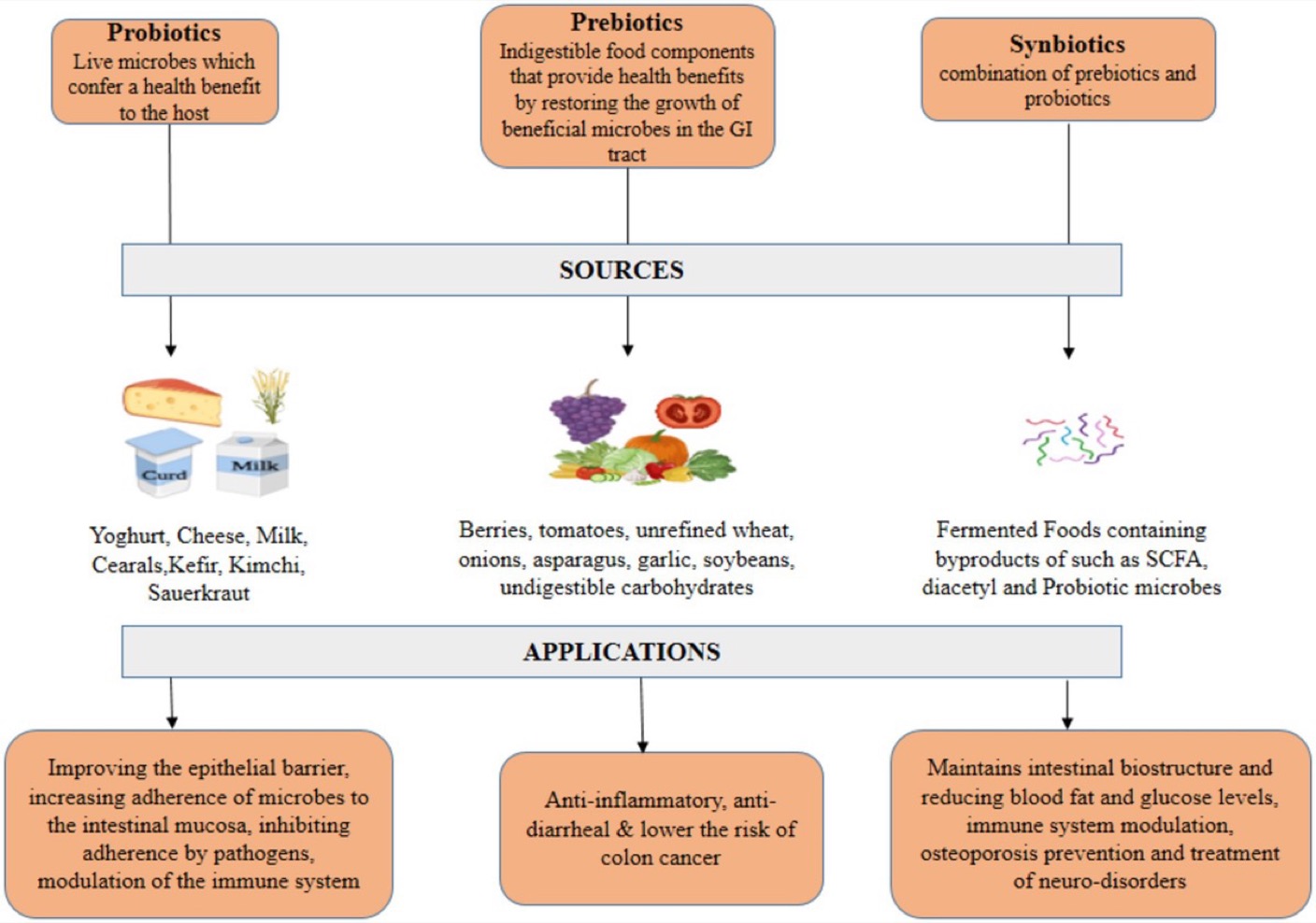
Probiotics, Why You Need to Check the Strain Name
Lactobacillus rhamnosus GG and Lactobacillus acidophilus share a genus but produce different outcomes. The latest clinical evidence for strain-specific and disease-specific effects.
Omega-3, DHA and EPA Do Very Different Things Inside the Same Capsule
High-dose EPA alone (4g) reduced cardiovascular events by 25%. DHA cut early preterm birth risk by 70%. Same omega-3, different jobs depending on your goal.

Ashwagandha Lowers Cortisol, but Perceived Stress Is a Different Story
300mg for 60 days reduced cortisol by 19.15%. Yet meta-analyses show subjective stress reduction remains unclear. The gap between biomarkers and how you feel.

Vitamin D, When Correcting a Deficiency Becomes an Overdose
A 17-year-old consuming 14,045 IU daily for a year was hospitalized with blood calcium at 15.5 mg/dL. How vitamin D toxicity happens and what it looks like.

Magnesium Glycinate, Threonate, Taurate, Same Mineral, Different Jobs
The amino acid it's bonded to determines absorption and target tissue. Glycinate for sleep, threonate for the brain, taurate for the heart. A 2025 clinical data breakdown by form.

Oral Collagen Peptides, Do They Actually Reach Your Skin
After 12 weeks, hydration up 17.39%, dermal density up 19.20%, transepidermal water loss down 20.12%. Concrete numbers from an 83-participant double-blind trial.
Resveratrol, What 20 Years of Clinical Data Actually Show
Most consistent effects at 500mg/day or below. Skin aging improvements, PCOS metabolic markers, cardiovascular plaque stabilization. A clinical update from the latest trials.

NAD+ Supplementation, Oral vs. IV, Which Route Actually Reaches Your Cells
NR IV infusion raised NAD+ levels by 20.7% at 3 hours. Oral precursors cost $30-80/month vs. $100-500 for IV. A comparison of clinical data across delivery routes.
Postbiotics, the Next Generation of Gut Health Is Here
The global postbiotics market is projected at $158.7 million in 2026, growing at 8.78% CAGR through 2034. How non-living microbial metabolites are reshaping the gut health category.
Beauty From the Inside: Where the Science Actually Stands
Collagen peptides, oral ceramides, and gut-skin axis probiotics are the leading ingredients in ingestible beauty. The evidence varies considerably by ingredient, and knowing the difference matters when choosing a product.

Cellness: When Beauty Starts at the Cellular Level
Cellness is the 2026 beauty trend targeting cellular repair rather than surface appearance. Clinical data shows 28% increase in neural fiber density and 12.8x improvement in hair density. Younger consumers are leading the shift from correction to prevention.

Women Age Differently. Longevity Science Is Finally Catching Up.
Longevity research has historically been built on male data. Ovarian function determines the whole-body health trajectory, and post-menopausal resilience drops sharply. Hormonal health, life-stage nutrition, and female athlete performance are opening new research frontiers.

When Your Sleep Score Is Making You Anxious, the Tracker Has Become the Problem
The Global Wellness Summit 2026 named over-optimization a central wellness paradox. Orthosomnia, biohacking fatigue, and a $1.2 trillion global burnout cost are reshaping how people relate to their health tools. Somatic practices and right-to-disconnect laws are part of the response.

Body Serums Grew 42%. Skincare Has Left the Face.
Premium body serum sales jumped 42% year-over-year and scalp care grew 19%, according to Circana data. Peptides, ceramides, and hyaluronic acid are moving from face products to the whole body. K-beauty philosophy is driving the expansion.

From Anti-Aging to Skin Longevity: The 2026 Skincare Paradigm Shift
Who What Wear's 2026 analysis captures a clear transition: consumers are abandoning trend-chasing for simplified, evidence-based routines. Skin longevity, maintaining healthy skin over decades rather than correcting damage, is replacing anti-aging as the dominant framework.

Quercetin Works Better When Paired With Bromelain. Here Is Why.
Bromelain, a pineapple-derived enzyme, enhances quercetin absorption in the gut. An 8-week rheumatoid arthritis trial showed TNF-alpha reduction and improved function scores. Bromelain also holds European drug approval for post-surgical swelling.
Why People in Their 20s Are Buying Anti-Aging Products
The global anti-aging skincare market is headed toward $78 billion by 2030, led by Gen Z and millennials investing in prevention before any visible signs appear. Retinol, peptides, and SPF 30+ are the foundation of the prejuvenation generation.

The Ovaries Age Fastest. That May Be the Key to Women's Longevity.
XPRIZE launched a $50 million women's health prize in 2026. Oviva Therapeutics is developing an AMH-based drug. Rapamycin studies in animals show ovarian aging can be slowed. A new field of longevity science is finally focused on women.

The Actives Behind Neurocosmetics: GABA, Hexapeptides, and Ginkgo
Dermalogica Neurotouch, Shiseido ReNeuraRED, Naruko Neuroproline, Bel Col GABA serum, Payot ginkgo extract. The key actives in neurocosmetics and how they actually work. The backdrop: 39% of global consumers want clinical beauty.

Your Skin and Brain Are Still Talking to Each Other
Dermalogica, Bel Col, and Shiseido are formulating around the skin-brain axis using hexapeptides, GABA, and CoQ10. With 39% of global consumers drawn to clinical beauty, neurocosmetics is becoming a legitimate category with real science behind it.
Metabolic Flexibility: The Fuel-Switching Ability You Gradually Lose With Age
Mark Mattson published his Cyclic Metabolic Switching theory in Nature Metabolism 2025. Four weeks of time-restricted feeding reversed insulin-related metabolic deficits. Combining ketogenic eating with TRF shows additional benefits.

Menopause Supplements Are Growing Into a Real Science
The women's health supplement market is projected to grow from $57.4 billion in 2024 to $77.4 billion by 2030. D3 plus K2, magnesium glycinate, NAD+ precursors, and urolithin A are the ingredients leading the menopause segment.

The A4M Longevity List for 2026: What Has Real Evidence Behind It
A4M released its 20 longevity trends for 2026. We sorted them by evidence level. Senolytics, urolithin A, injectable NR, rapamycin, C15:0 fatty acid, methylene blue, Akkermansia, epigenetic clocks, Galleri multi-cancer screening, and fibermaxxing.

The Complete Map of Longevity Science in 2026: A4M's 20 Trends in Four Layers
A4M published 20 longevity trends for 2026. We organize them into four layers: diagnostics (epigenetic clocks, Galleri multi-cancer screening), cellular intervention (senolytics, urolithin A, rapamycin), metabolism and gut (GLP-1, Akkermansia, fibermaxxing), and devices (HBOT, vagus nerve stimulation).

Exercise Reshapes Your Gut, and Your Gut Returns the Favor
A 2025 Gastroenterology review illuminates the gut-muscle axis. Regular exercise boosts microbial diversity, increases butyrate production, and strengthens the intestinal barrier. Probiotics add a further layer of support through inflammation resolution and IgA production.

22% of U.S. Households Use GLP-1 Drugs. Probiotics Are Filling the Gaps.
With 22% of American households on GLP-1 medications, Expo West 2026 showcased a new category of complementary products. Kerry BC30 reduced GI side effects in a 253-person trial, Saanroo Trpti offers a natural appetite pathway via OEA, and delivery formats are evolving fast.

Five Minutes of Movement, Several Times a Day, Actually Works
A 2025 systematic review and meta-analysis confirms that short exercise bouts throughout the day improve blood sugar, blood pressure, cognitive function, and mood. In older adults, each additional minute of movement improved cognitive scores by 0.021 points.
CoQ10 Ubiquinol 200mg, 12-Week Mitochondrial ATP +18% with Heart Failure Effects
Reduced CoQ10 (ubiquinol) 200 mg/day for 12 weeks improved skeletal muscle ATP by 18%, left ventricular ejection fraction by 6%, and chronic fatigue by 32% in a 200-adult RCT (ages 50~75). The shuttle molecule between mitochondrial electron transport chain complexes II→III. Ubiquinol absorbs +90% better than ubiquinone. Validated as a statin myalgia adjunct.

Silica ch-OSA 10mg, 12-Week Skin Thickness +30% Connective Tissue Crosslinking
Choline-stabilized orthosilicic acid (ch-OSA) 10 mg/day for 12 weeks improved skin thickness by 30%, skin elasticity by 18%, nail strength by 24%, and hair tensile strength by 14% in a 120-woman RCT (ages 40~65). Molecular basis of collagen, elastin, and glycosaminoglycan crosslinking. The forgotten mineral of connective tissue.

Magnesium Glycinate 400mg, 12-Week HRV +14% with Sleep Onset -22 Minutes and Autonomic Balance
Magnesium glycinate (Mg-bisglycinate) 400 mg elemental magnesium/day for 12 weeks improved HRV by 14%, sleep onset latency by -22 minutes, and PSS-10 by 28% in a 180-adult RCT (ages 40~70 with magnesium deficiency). NMDA receptor modulation + GABA receptor activation + parasympathetic tone reinforcement. Glycinate form has +85% absorption advantage.

Astaxanthin 12mg, 12-Week Collagen Degradation -28% UV Photoaging Protection Matrix Molecule
Astaxanthin (natural ketocarotenoid) 12 mg/day for 12 weeks reduced MMP-1 (collagen degrading enzyme) by 28%, improved skin elasticity by 12%, wrinkle depth by 16%, and UV erythema by 42% in a 180-woman RCT (ages 35~65). 100× vitamin E, 5× β-carotene antioxidant. Core matrix molecule for collagen degradation protection.

Alpha-Lipoic Acid 600mg, 12-Week Mitochondrial Oxidative Stress -34% with Insulin Sensitivity +18%
Alpha-lipoic acid (R-form) 600 mg/day for 12 weeks reduced mitochondrial oxidative stress by 34%, improved insulin sensitivity by 18%, and lowered the 8-OHdG oxidative DNA damage marker by 28% in a 180-adult RCT (ages 50~70). A universal antioxidant active in both water- and lipid-soluble environments. Validated in diabetic neuropathy and fatty liver.

Apigenin 50mg, 12-Week CD38 -42% NAD+ Preservation + Parasympathetic Tone Autonomic Matrix Adjunct
Apigenin (parsley/celery polyphenol) 50 mg/day for 12 weeks reduced CD38 enzyme activity by 42%, increased NAD+ by 28%, and improved HRV by 10% in a 120-adult RCT (ages 50~70). Natural CD38 inhibitor reinforcing NAD+ matrix + parasympathetic tone stimulation + mild sedation. Combined with NMN, NAD+ +60~70% synergy.