Vitamin C Serum, Why It Turns Brown in Weeks
Vitamin C serum is a skincare staple for its antioxidant, brightening, and collagen-boosting effects. Yet making a vitamin C serum that actually works and stays effective is one of the hardest challenges in cosmetic formulation. A 2025 study in the International Journal of Cosmetic Science takes a fresh look at the problem.
The Fundamental Vulnerability of L-Ascorbic Acid
L-ascorbic acid, the most active form of vitamin C, oxidizes when exposed to light, air, and heat. During oxidation, the serum shifts from clear or pale yellow to brown, and efficacy is lost.
Most L-ascorbic acid serums degrade within 6~12 months. Some begin browning just weeks after opening. This is not simply a matter of reduced potency. Oxidized vitamin C can generate free radicals, potentially irritating skin and accelerating aging rather than preventing it.
The pH Dilemma
L-ascorbic acid penetrates skin effectively only at pH 3.5 or below. But low pH is also a source of irritation. Redness, stinging, and dryness can occur, especially on sensitive skin.
According to 2025 research, under acidic oxidative conditions below pH 3, ascorbate anions rapidly convert to xylosone byproducts, leading to significant chemical loss of vitamin C. Buffering ascorbate anions with alkaline agents can substantially reduce this conversion and loss.
Formulation Strategies for Stability
Combining vitamin C with ferulic acid and vitamin E improves stability and doubles antioxidant efficacy. This is the scientific basis for the well-known “C+E+Ferulic” combination.
Using more stable derivatives like ethyl ascorbic acid is another approach. Its optimal pH is 5.0~6.5, far less irritating than L-ascorbic acid.
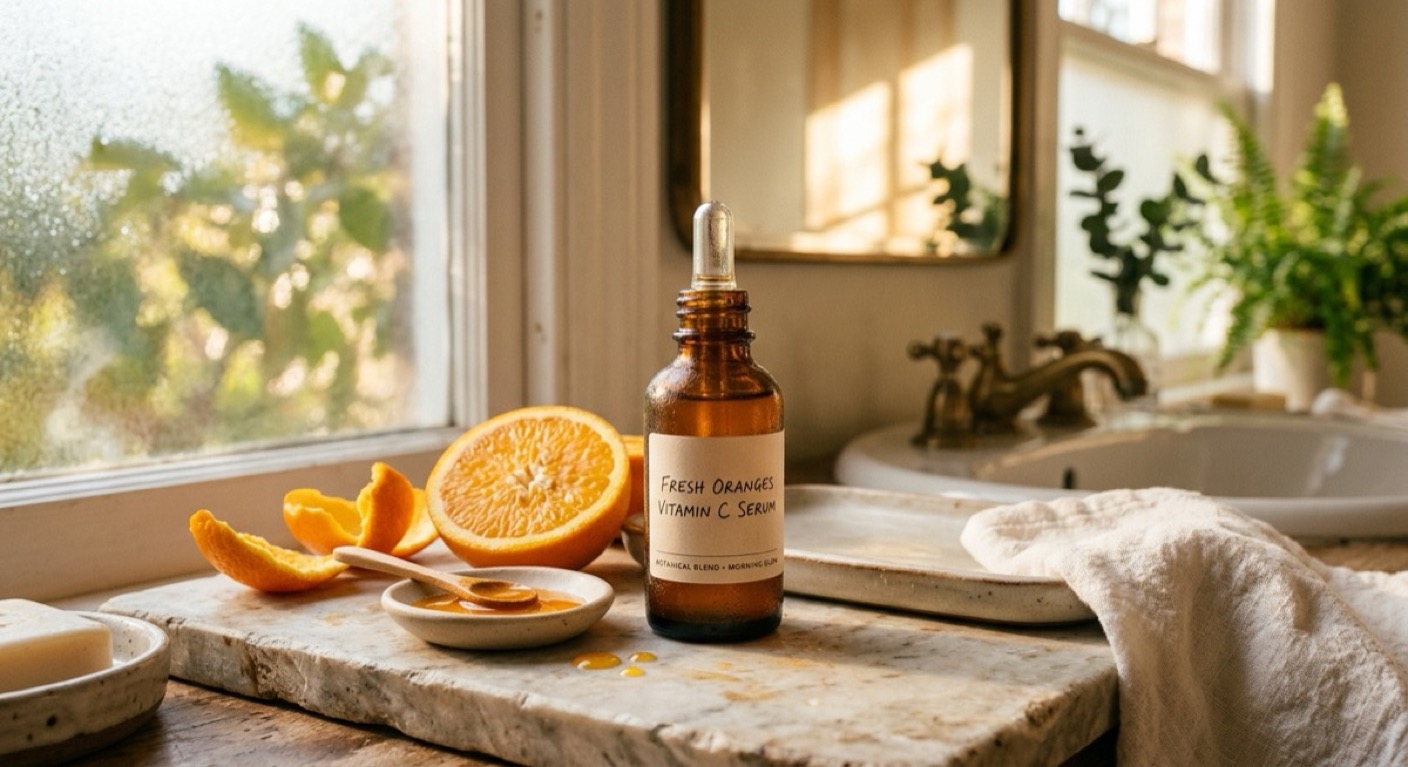
Packaging matters too. Airless pumps, opaque containers, and oxygen-barrier packaging slow oxidation. A clear glass bottle with a dropper exposes the product to air with every use, accelerating degradation.
Selection and Usage Tips
When buying a vitamin C serum, check in this order. First, identify the form of vitamin C (L-ascorbic acid, ethyl ascorbic acid, ascorbyl glucoside, etc.). For L-ascorbic acid products, look at concentration (10~20% is typical), pH (3.0~3.5), supporting ingredients (vitamin E, ferulic acid), and packaging format (airless pump is preferable to dropper).
After opening, store in a cool, dark place. If the color has turned deep yellow or brown, stop using it. An oxidized vitamin C serum is not just “an ineffective serum.” It is potentially a serum that causes irritation.