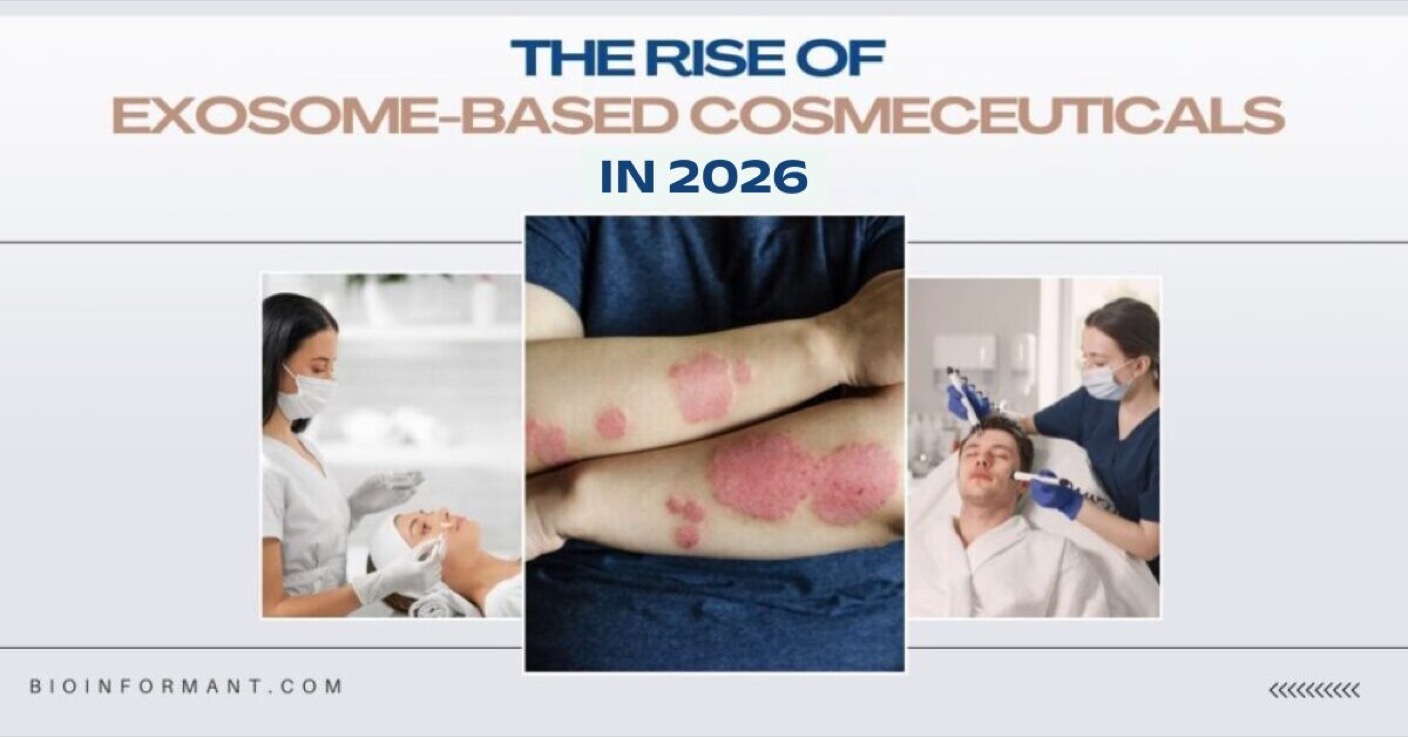
Exosome Skincare, the Reality Behind 2026's Hottest Ingredient
If 2025 was the year of peptides, 2026 is being called the year of exosomes. According to BioInformant, the exosome-based skincare market is currently valued at approximately $251 million. But what exactly are exosomes, and what do they actually do for skin?
Nano-Scale Delivery Vehicles Between Cells
Exosomes are ultra-small vesicles secreted by cells. They range from 30~150nm (nanometers), far smaller than cells themselves. Inside these vesicles are proteins, lipids, growth factors, and microRNA. Exosomes deliver this “cargo” to neighboring cells, modulating their behavior.
In skincare, the core value lies in this delivery function. When stem cell-derived exosomes transfer growth factors and signaling molecules to skin cells, they can activate the skin’s natural repair mechanisms, promote collagen production, and improve skin tone and texture.
Results When Combined With Microneedling
Used alone, exosomes applied topically or delivered non-invasively can reduce inflammation, improve skin tone, and create a more even complexion. Combined with microneedling, results for fine lines, wrinkles, and hyperpigmentation have been notably stronger.
The Evidence Does Not Match Proven Actives Yet
A balanced perspective is necessary here. There is not yet sufficient research showing that exosomes match or outperform retinol, peptides, ceramides, or niacinamide, ingredients backed by decades of research and large-scale clinical trials.
Media investigations have flagged issues as well. Exosome-containing serums and treatments are proliferating despite no approved exosome cosmetic products. Source material traceability, contamination risks, and unclear dosing standards remain concerns.
The View From Vogue Scandinavia and Beauty Independent
Vogue Scandinavia lists exosomes among the top 8 skincare trends for 2026, while noting that “science is catching up to the marketing.” Beauty Independent observes that exosomes are 2026’s hottest keyword but could simultaneously appear on the “cooling off” list.
A Grounded Approach
If exosomes interest you, check the source of the exosomes (which cell type produced them), whether clinical data exists, and whether stability has been validated. “Contains exosomes” on a label alone tells you nothing about efficacy. Using proven ingredients (retinol, vitamin C, niacinamide) as the foundation and treating exosomes as an additional option is the reasonable approach for now.