Red Light Therapy, How Strong Is the Evidence for Skin Collagen
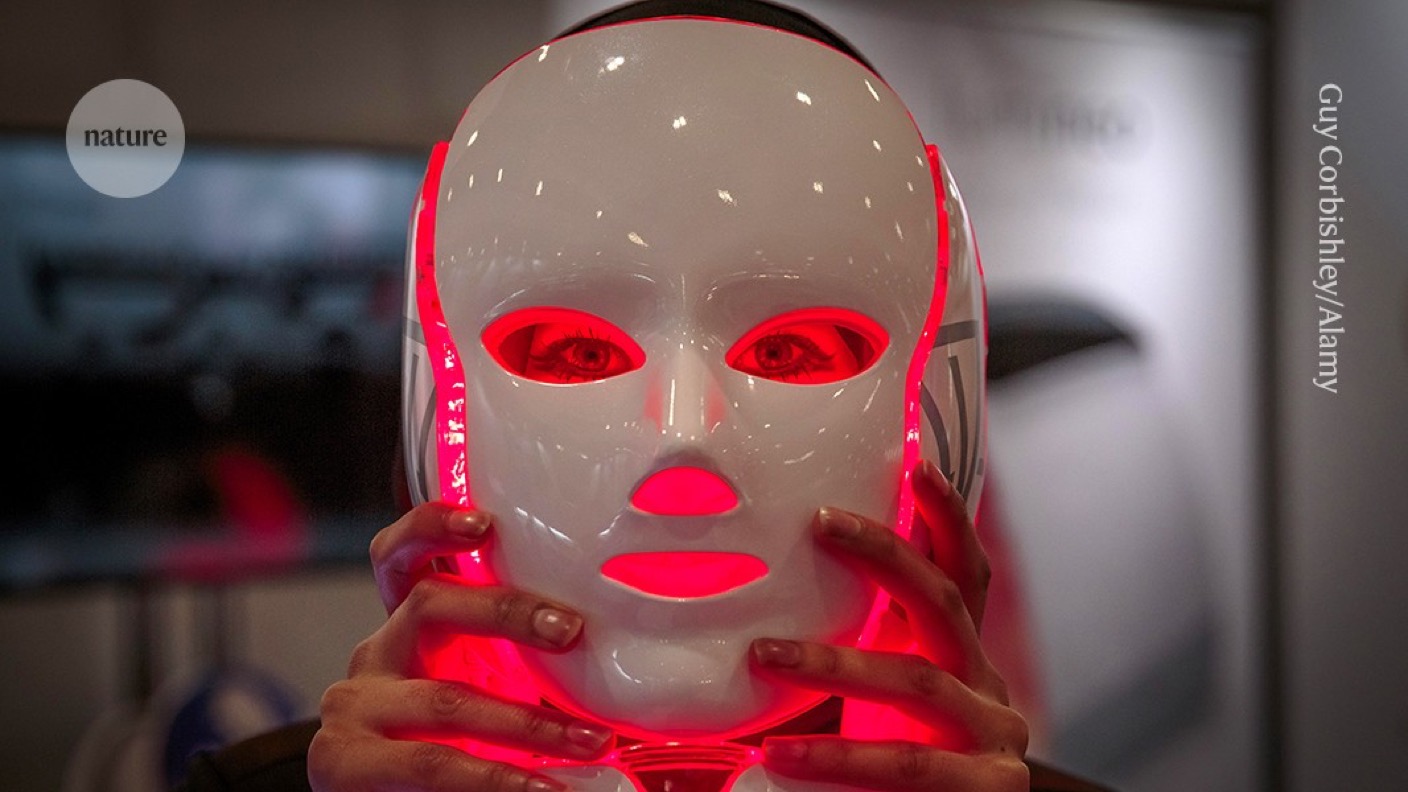
Red light therapy (RLT) uses 620~700nm red light and 700~1,100nm near-infrared light directed at the skin. It has spread across LED masks, panels, and clinical treatments. In 2026, Nature published a comprehensive analysis of the scientific evidence behind it.
It Activates the Cellular Energy Factory
The core mechanism of red light therapy occurs in the mitochondria. Cells absorb light in this wavelength range, which pushes the electron transport chain into a more active state. The result: increased ATP (adenosine triphosphate, the cell’s energy currency) production.
Higher ATP output leads to downstream effects including improved blood flow, altered inflammatory responses, and reduced oxidative stress. Stanford Medicine notes that “red light is known to reduce inflammation and promote collagen production.”
2025, Expert Consensus Review
A large-scale 2025 consensus review involving over 20 experts concluded that red light therapy is safe and effective for several types of ulcers, peripheral neuropathy, acute radiation dermatitis, and androgenetic alopecia (pattern hair loss).
In the skin rejuvenation space, clinical evidence supports low-energy red and near-infrared light as a safe, effective method for skin aging improvement, acne treatment, and hair loss treatment. Clinical trials have confirmed increased expression of collagen, elastin, and hyaluronic acid.
At-Home Devices Are a Different Story
An important distinction is needed here. Clinical trials use medical-grade equipment under controlled conditions. Whether consumer-grade LED devices deliver the same intensity and exposure duration as clinical protocols is often unverified.
Scientific American reports that “most experts say they still don’t know if red light therapy works for all of its claimed benefits.” Harvard Health takes a similar position. Optimal intensity and duration for home use have not been fully established.
Practical Considerations
If red light therapy interests you, checking a device’s wavelength (nm), irradiance (mW/cm2), and recommended exposure time is the first step. Wavelengths shown effective in clinical research are primarily 630~660nm (red) and 830~850nm (near-infrared). Before purchasing an expensive device, verifying whether clinical data exists for your specific goal (wrinkle reduction, acne, hair loss) with that particular device is the sensible approach.