Glossary
290 terms
What Is an SPF Booster? The Adjunct Ingredients That Lift Sunscreen Efficiency
An SPF booster does not absorb UV itself. It improves the efficiency of UV filters in a sunscreen formulation through enhanced light scattering, free-radical scavenging, and uniform active dispersion — letting formulators hit the same SPF with a lighter texture.
What Is Ozempic Face? A Glossary on Facial Volume Loss After GLP-1
Ozempic face describes the simultaneous facial sagging, hollowed cheeks, and deepened nasolabial folds that follow rapid weight loss on GLP-1 drugs (semaglutide, tirzepatide). Not a formal medical diagnosis, it has become a category in cosmetics and aesthetic medicine.
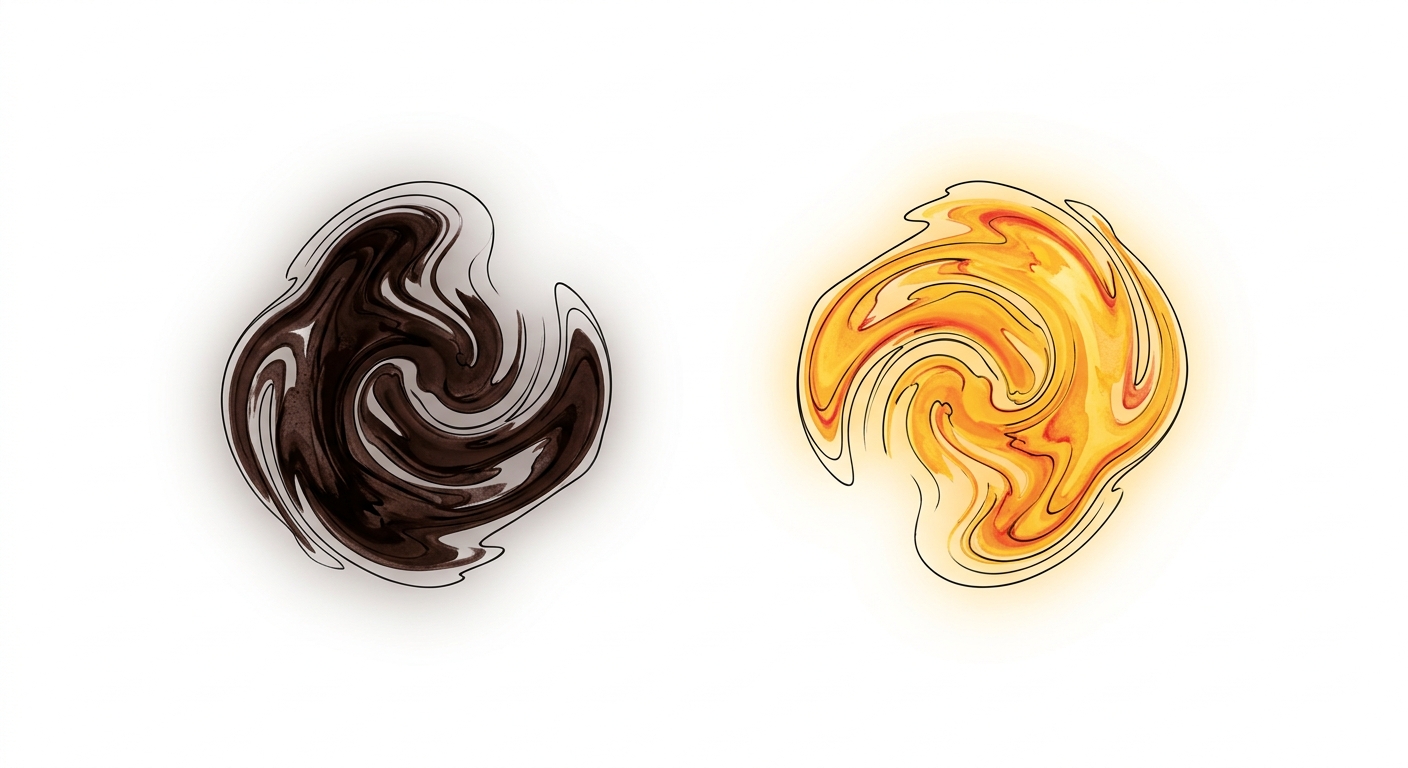
Eumelanin vs Pheomelanin: Why the Same Pigment Has Two Faces
Eumelanin is the black/brown pigment that absorbs UV and protects skin. Pheomelanin is the yellow/red pigment that produces reactive oxygen species under UV, accelerating damage. Two molecules with the same starting point and opposite consequences explain melasma, sun damage, and the next generation of depigmenting therapies.
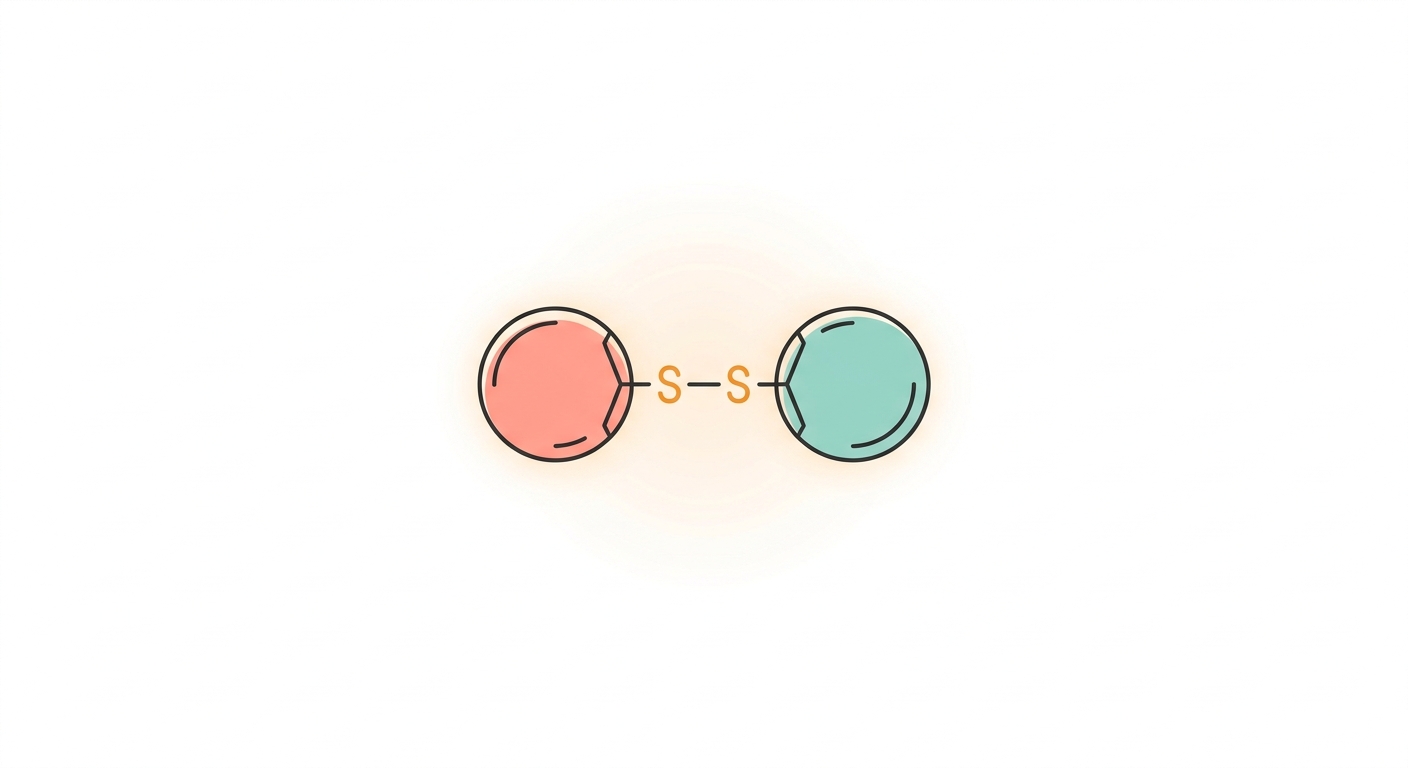
L-Cystine: The Sulfur Amino Acid That Builds Glutathione
L-Cystine is a sulfur-containing amino acid that supplies the rate-limiting step of glutathione synthesis. Glutathione is the body's strongest endogenous antioxidant, neutralizing oxidative stress from UV, pollution, and metabolic load. Why it pairs with collagen, how it differs from cysteine and NAC, and where it fits into melasma strategy.
What Is Cellular Senescence? The Zombie Cells That Age Your Tissue From The Inside
Cellular senescence describes cells that stop dividing but refuse to die, leaking inflammatory signals that push neighboring cells into the same state. It is one of aging's twelve hallmarks, and senolytic drugs aim to clear it.
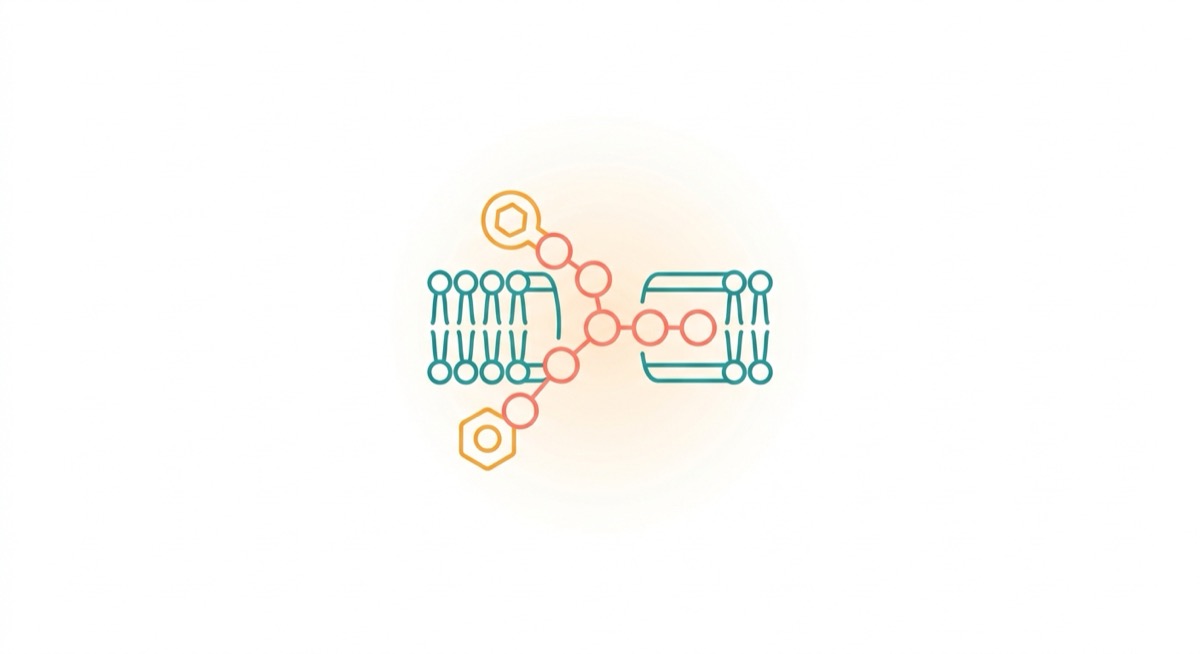
What Is A Cell-Penetrating Peptide (CPP)? The Short Amino Acid Carriers That Cross Cell Membranes
A cell-penetrating peptide (CPP) is a short amino acid chain that crosses cell membranes directly, carrying drugs or signaling molecules into cells. Born from the HIV TAT discovery, this technology now powers next-generation hair, skin, and cancer therapies.
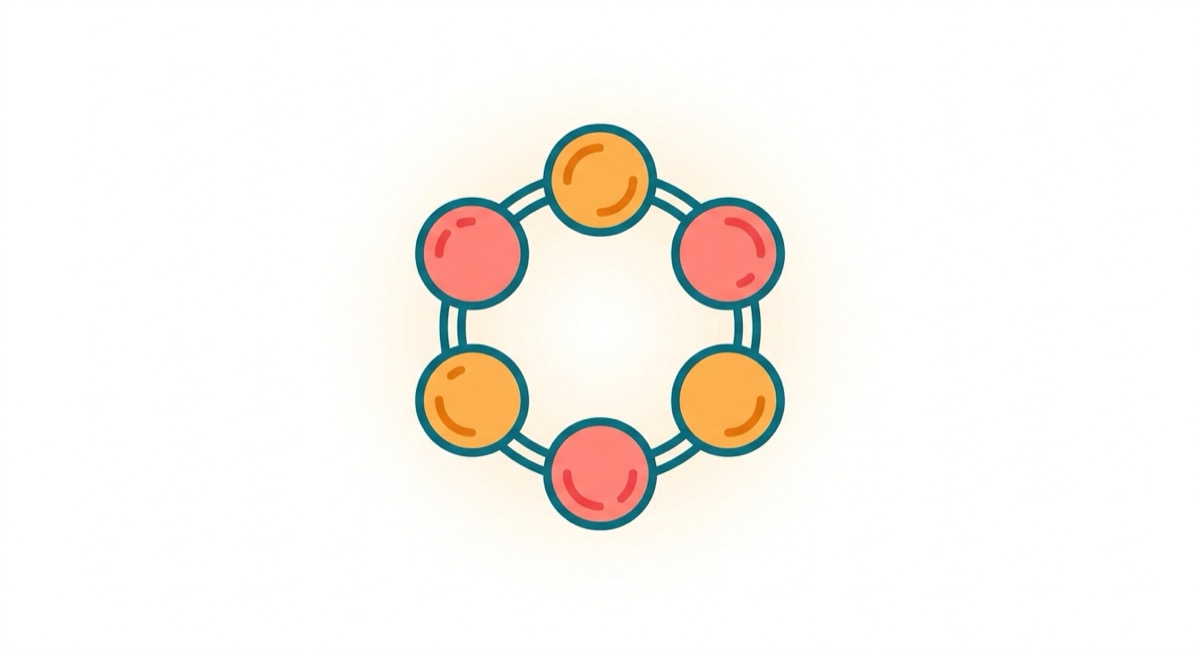
Cyclic Peptide, A Ring-Shaped Peptide with Superior Stability and Penetration for Next-Gen Anti-Aging
A cyclic peptide is built from amino acids joined into a closed ring, conferring stronger resistance to enzymatic degradation, deeper skin penetration, and more precise target binding than linear peptides. The CHP-9 0.002% trial that beat same-dose retinol 2.1x is the first visible clinical evidence.
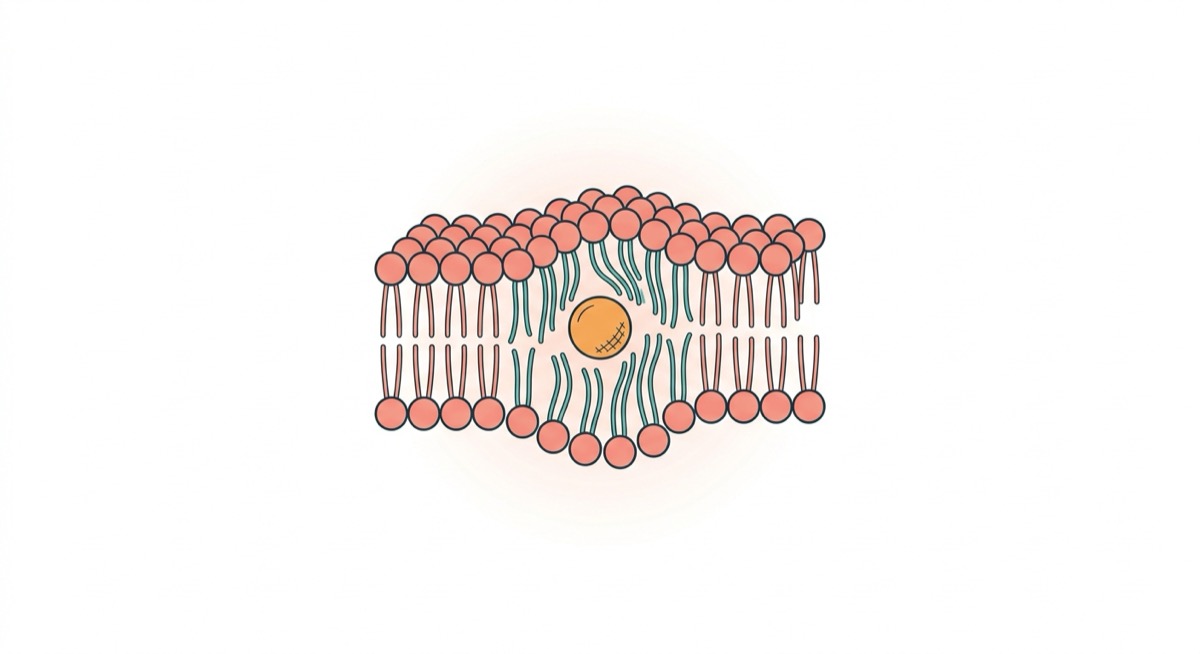
Ferroptosis, Iron-Driven Cell Death Emerging as a Common Target for Aging and Neurodegeneration
Ferroptosis is iron-dependent cell death triggered by lipid peroxidation that ruptures cell membranes. Now recognized as a shared mechanism in Alzheimer's, Parkinson's, cardiovascular disease, and aging itself, with tocotrienol, GPX4, glutathione, and selenium as the key nutritional targets.

Microbial Fingerprint — Your Gut's Unique Bacterial Pattern, Not Just Counts
A microbial fingerprint is the full DNA-sequence pattern of all bacteria living in your gut — not the abundance of any single microbe, but the unique combination across the ecosystem. It's becoming the unit of personalized medicine for immunotherapy response, cancer recurrence prediction, and chronic disease risk.
Pro-Hyp Peptide — the Actual Signaling Molecule That Makes Oral Collagen Work
Pro-Hyp is a dipeptide of proline and hydroxyproline, the molecule that survives digestion of hydrolyzed collagen and circulates in blood. It signals dermal fibroblasts to build more collagen — the mechanism behind oral collagen supplements, and why effects are inconsistent.

Saw Palmetto (Serenoa repens)
Saw palmetto is the extract of berries from a small palm (Serenoa repens) native to the southeastern United States. Standardized extracts (95% fatty acids and sterols) partially inhibit 5α-reductase, the enzyme that converts testosterone to DHT — the hormone driving follicle miniaturization and prostate enlargement. Standard clinical dose is 320 mg/day, with a 2020s comeback in androgenetic alopecia supplements suitable for women.

Scalp Microbiome
The scalp microbiome is the community of 1,000+ microbial species living on the scalp surface and inside hair follicles. The core trio: Cutibacterium acnes (sebum digestion), Staphylococcus epidermidis (commensal protection) and Malassezia globosa (sebum-dependent yeast). Imbalance drives dandruff, seborrheic dermatitis, acne and telogen effluvium. With the 2026 UC Riverside discovery of M-cell-like immune sentinel cells in follicles, scalp care is shifting from cosmetic afterthought to its own branch of skin immunology.
CRISPR-Cas9 Gene Editing — Ex Vivo vs In Vivo Difference
CRISPR-Cas9 definition + 2020 Nobel Chemistry + Casgevy (ex vivo) vs Lonvo-z (in vivo) + ethics·germline editing prohibition + future women BRCA·APOE4·autoimmune potential. L73 first in vivo CRISPR trial.

Digital Therapeutics (DTx) — Prescribed Apps. FDA-Approved Software Medical Intervention
DTx (Digital Therapeutics) definition + FDA approval flow + Pear reSET·EndeavorRx·Akili·MamaLift Plus·Welldoc cases + Korean Soms + L72 MamaLift Plus first maternal mental health. Prescription or OTC·clinically validated software medical intervention.
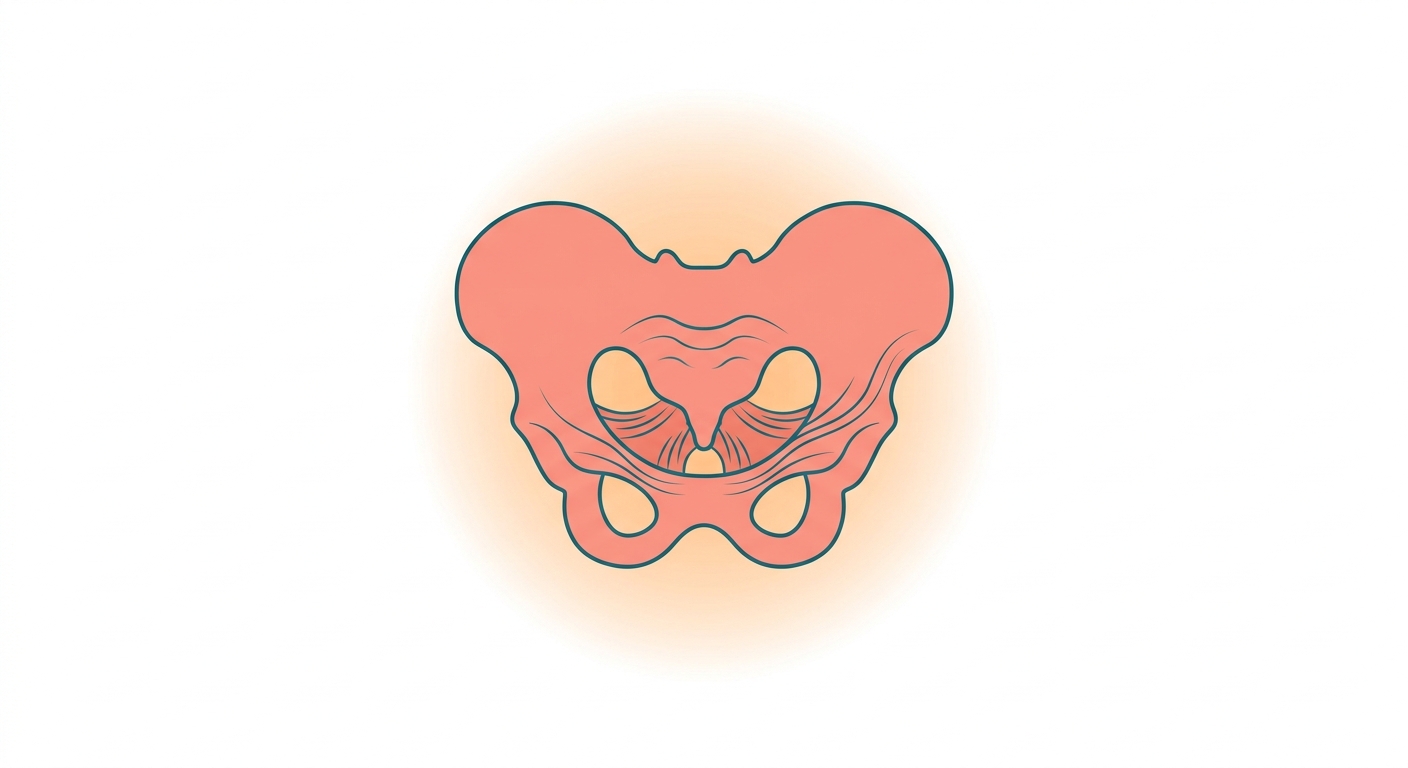
Pelvic Floor Muscles — Women's Blind Spot Organ. Core of Incontinence·POP·Sexual Function
Pelvic floor definition + 4 main muscles (pubococcygeus·iliococcygeus·puborectalis·coccygeus) + childbirth·menopause damage + Kegel·electrotherapy·OTC Elitone (L71). Women's incontinence 30~40% blind spot clinical unit recognition.
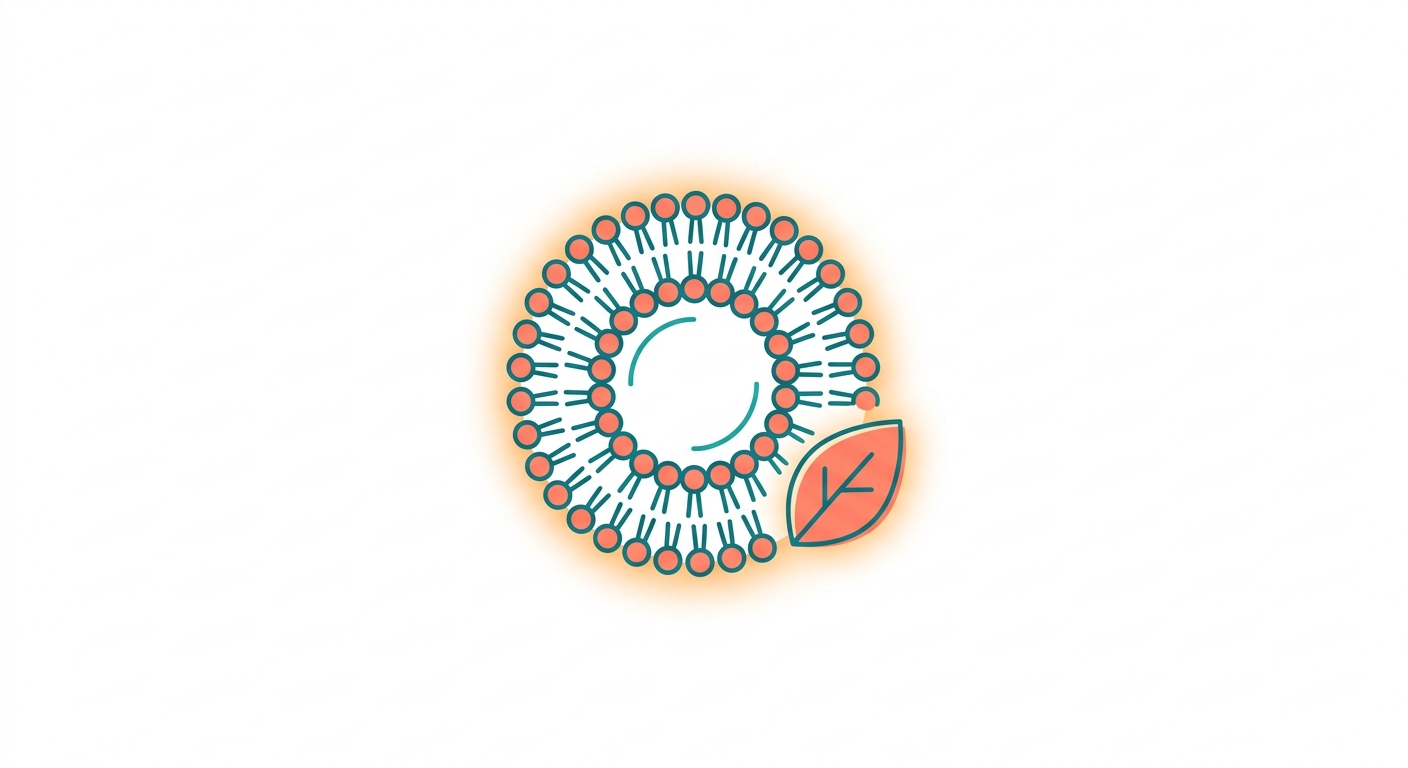
Plant Exosome (EV) — Bypassing Animal·Stem Cell EV Regulation. Vegan Next-Gen Skincare from Alpine Apple·Citrus·Ginseng·Aloe
Plant Extracellular Vesicle (EV) definition + animal EV differences. 30~150nm·microRNA·protein·skin cell signaling. L70 Exovive Lift (dsm-firmenich, alpine apple + citrus) 4 trillion vesicles/g clinical +30% firmness. Vegan·clear regulation·K-beauty next-gen.
Collagen Types I·III·V — Not Just 'Collagen'. Different Collagens for Skin·Bone·Vessels
28 collagen types. Skin I·III·V, bone I, cartilage II, vessels III·IV. L69 BASF NeoHelix(collagen III +82%) clinical data enables type-specific differentiation. Yeast-fermented recombinant collagen, vegan, hydrolyzed vs undenatured, molecular weight.

Pharmacogenomics (PGx) Precision Medicine — Same Drug, Different Effect. Genotype Decides Drug Response
Pharmacogenomics (PGx) — studying drug response differences by genotype. CYP2D6·CYP2C19·VKORC1·VDR. L69 Tufts D2d vitamin D VDR genotype 70% effect·30% no effect daily entry point. Diagnosis·drug·daily meet.
What Is the PEMT Pathway? The Choline Self-Synthesis Backup, Decided by 40% Female Variant Carriers
PEMT (phosphatidylethanolamine N-methyltransferase) is the hepatic enzyme that converts phosphatidylethanolamine to phosphatidylcholine. The backup pathway for self-synthesis of choline·PC. Estrogen stimulates PEMT expression. About 40% of women carry the PEMT variant (rs7946) → greater dietary choline dependence. Direct association with NAFLD, dementia, and pregnancy complication risk.

What Is the Glucagon Receptor? The Final Puzzle Piece in Triple-Agonist Obesity Drugs
Glucagon receptor (GCGR) is a G-protein-coupled receptor that binds glucagon. Expressed on liver, adipocytes, heart, brain. Hepatic glycogen breakdown + fatty acid oxidation + energy expenditure increase circuit. Retatrutide (GLP-1+GIP+glucagon triple agonist) activates this receptor for 28.7% weight loss.

ARIA — The Core Side Effect·MRI Monitoring of Anti-Amyloid Alzheimer's Drugs
ARIA (Amyloid-Related Imaging Abnormalities) is the core side effect of anti-amyloid antibody Alzheimer's drugs like lecanemab (Leqembi)·donanemab (Kisunla). Two types: ARIA-E (edema) and ARIA-H (microhemorrhage). Monitored by regular MRI. ↑ risk in APOE4 homozygous·heterozygous. Mostly asymptomatic but regular MRI is core to safe use.
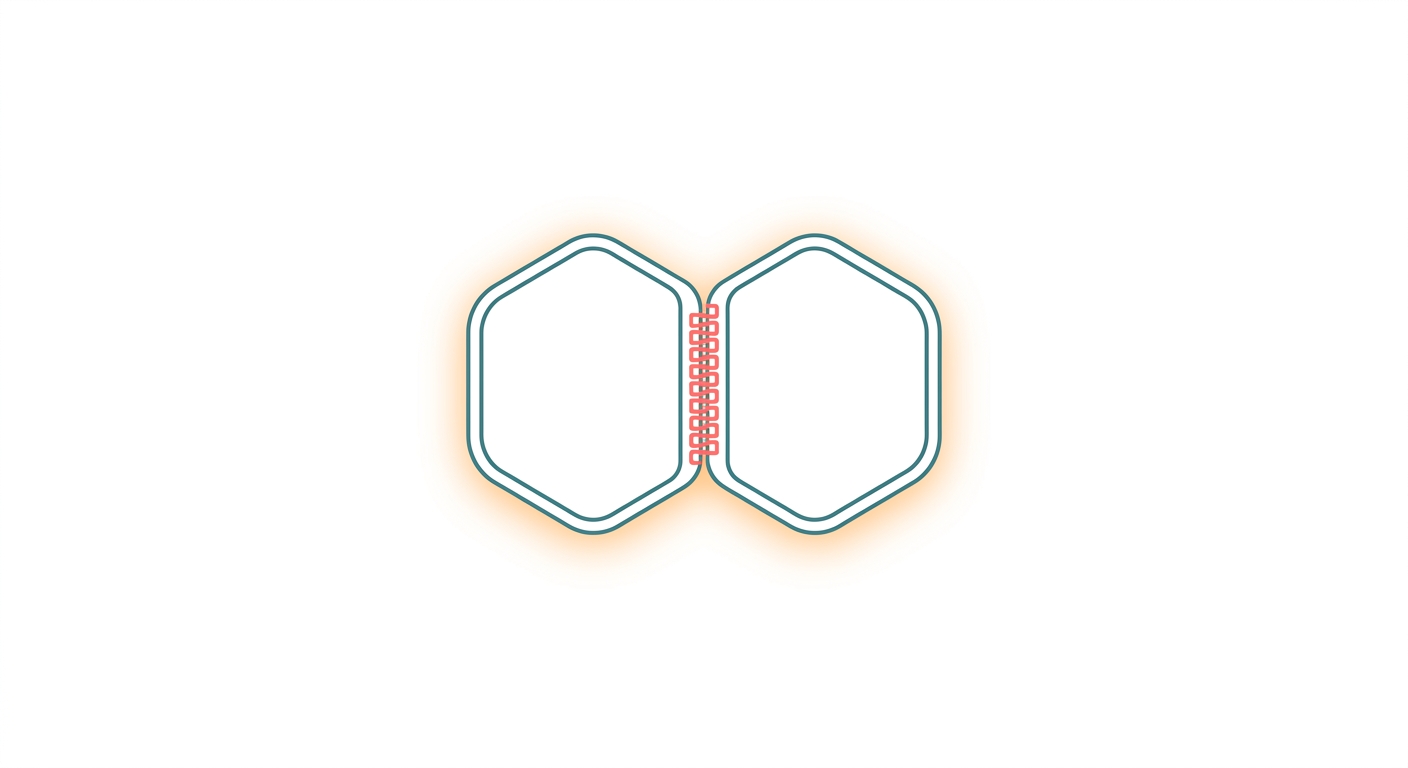
What Are Tight Junctions? Molecular Gateways for Gut, Skin, and Blood-Brain Barriers
Tight junctions are protein complexes that tightly seal spaces between epithelial cells. Claudin, occludin, and ZO-1 are core. Prevent leaky gut at intestinal mucosa, control TEWL at skin, regulate drug and toxin passage at blood-brain barrier. Molecular gateway for chronic inflammation, stress, allergy, and autoimmunity circuits.
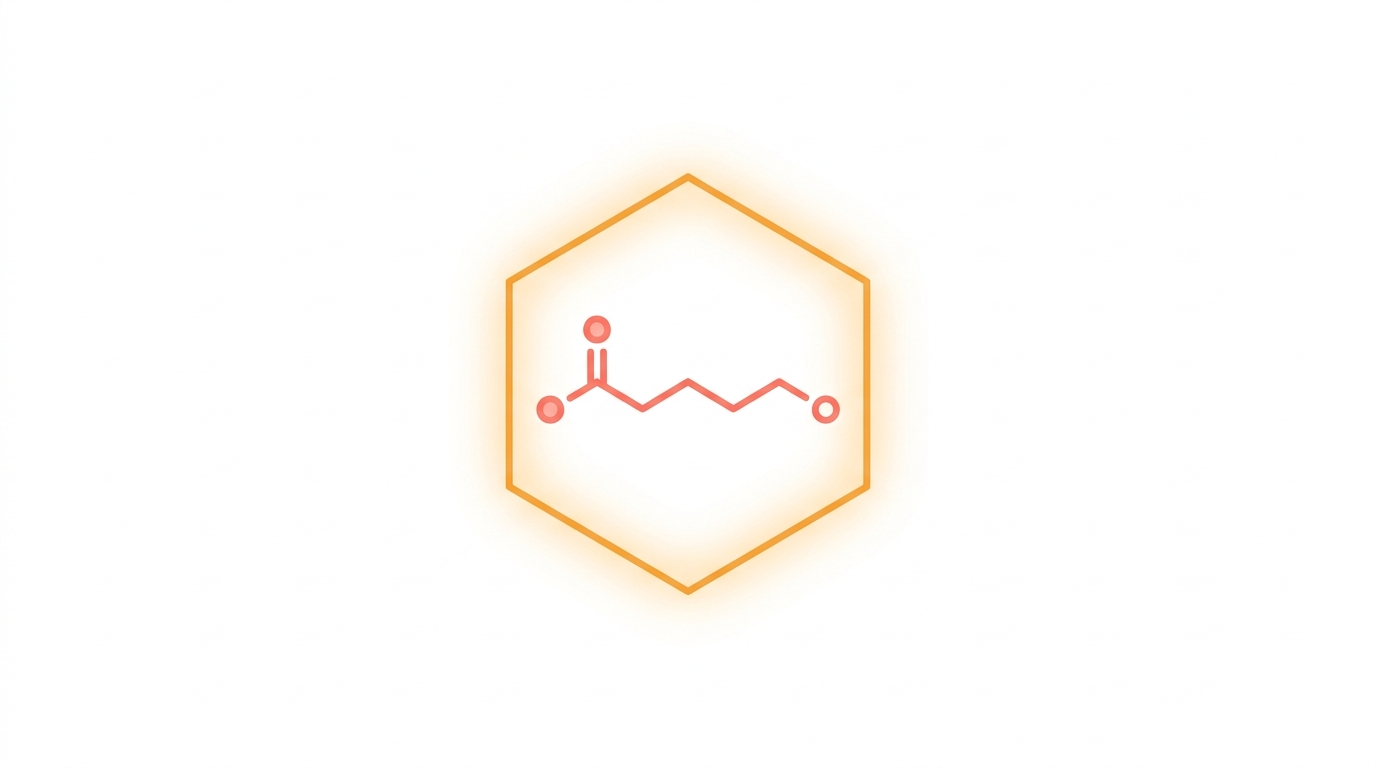
What Is 10-HDA? The Royal Jelly-Exclusive Fatty Acid With Weak Estrogen-Like Activity
10-HDA (10-hydroxy-2-decenoic acid) is a trans-2-decenoic acid–type fatty acid found only in royal jelly. A molecule directly demonstrated in humans to weakly bind estrogen receptors (ER-α, ER-β). The core active component behind postmenopausal BMD protection and menopause symptom relief data. Multi-axis activity also includes immune modulation, antibacterial action, and neuroprotection.

Cognitive Reserve — Why the Brain Maintains Scores Even as Atrophy Progresses
Cognitive reserve is the brain's ability to maintain cognitive function despite damage·aging. Built by education·language·social activity·learning. Georgia State 2026 study showed female brains mobilize reserve better to maintain MMSE scores but decline more steeply past the threshold. Active reserve accumulation from 30s~40s is core.
Anti-CD20 B-cell Depletion — The Central Circuit of Autoimmune·Lymphoma Targeting
Anti-CD20 is the monoclonal antibody class that targets the B-cell surface antigen CD20 to selectively deplete B cells. Evolved from 1st-gen rituximab (1997) to next-gen obinutuzumab (Gazyva). Indications expanding from lymphoma → rheumatoid arthritis → multiple sclerosis → lupus (2026 FDA decision). The molecular ladder for blocking B-cell autoantibodies.

PCSK9·Inclisiran — siRNA-Based LDL Cholesterol Lowering Mechanism
PCSK9 is a protein that breaks down liver LDL receptors, raising blood LDL cholesterol. PCSK9 inhibitors (evolocumab·alirocumab) are monoclonal antibodies blocking PCSK9, while inclisiran (Leqvio) uses siRNA to degrade PCSK9 mRNA itself. 6-month single injection delivers 50~60% LDL reduction. The new standard for statin-intolerant + high-risk patients.
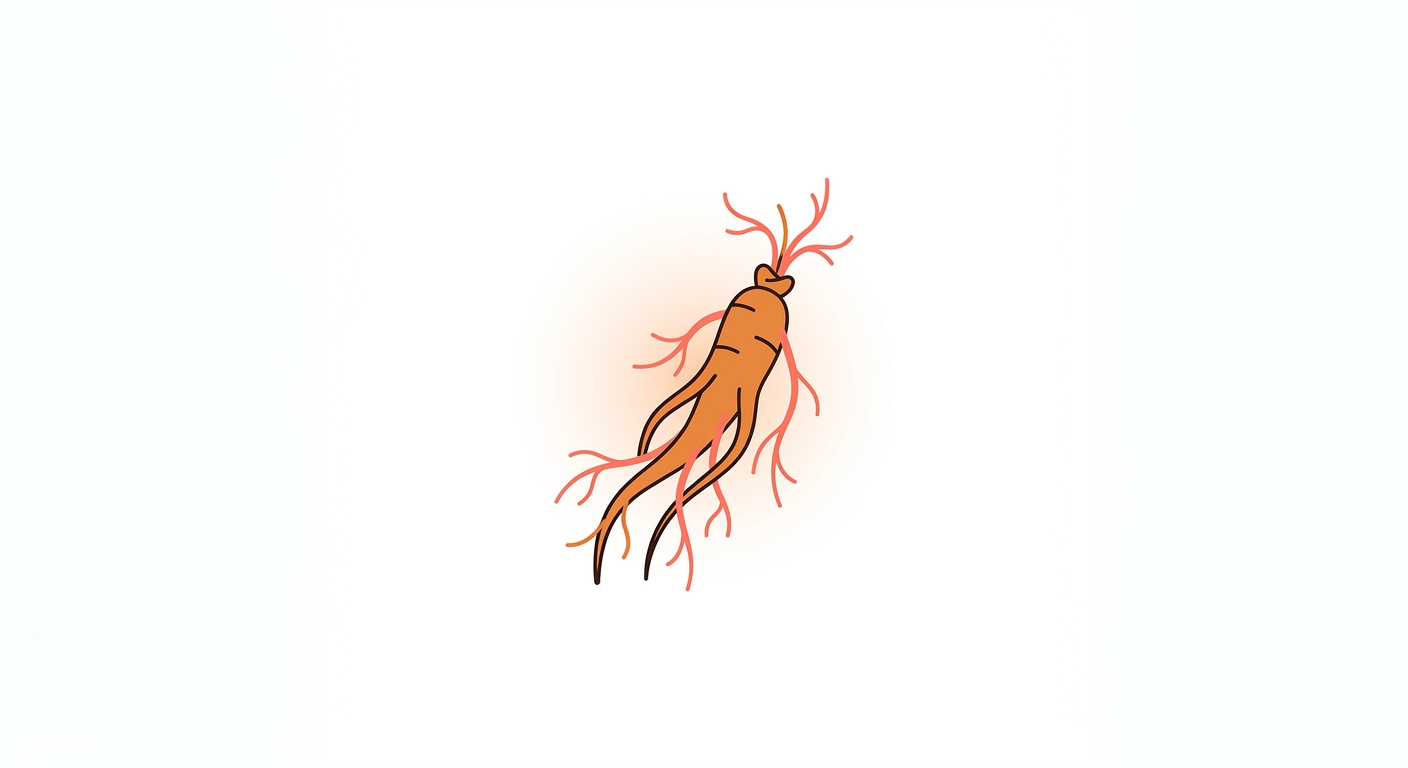
What Are Ginsenosides? The 30+ Saponin Family of Ginseng Driving Menopause, Cardiovascular, and Cognitive Effects
Ginsenosides are 30+ saponin compounds found only in ginseng (Panax ginseng). Rg1, Rg3, Rb1, Rh1 are key actives. Estrogen-like activity + NO production + antioxidation + neuroprotection. Red ginseng undergoes steaming that transforms ginsenoside structure, yielding a different profile than white ginseng. Compound K is the absorbed form created by gut bacterial metabolism.
What Is Sclerostin? The Molecular Brake on Bone Formation, Targeted by Romosozumab
Sclerostin is a protein secreted by osteocytes that blocks the Wnt signaling pathway, suppressing new bone formation by osteoblasts — effectively a "bone formation brake." Made from the SOST gene; mutations cause skeletal hyperplasia. Romosozumab (Evenity) blocks this molecule, creating a new paradigm for postmenopausal osteoporosis treatment.
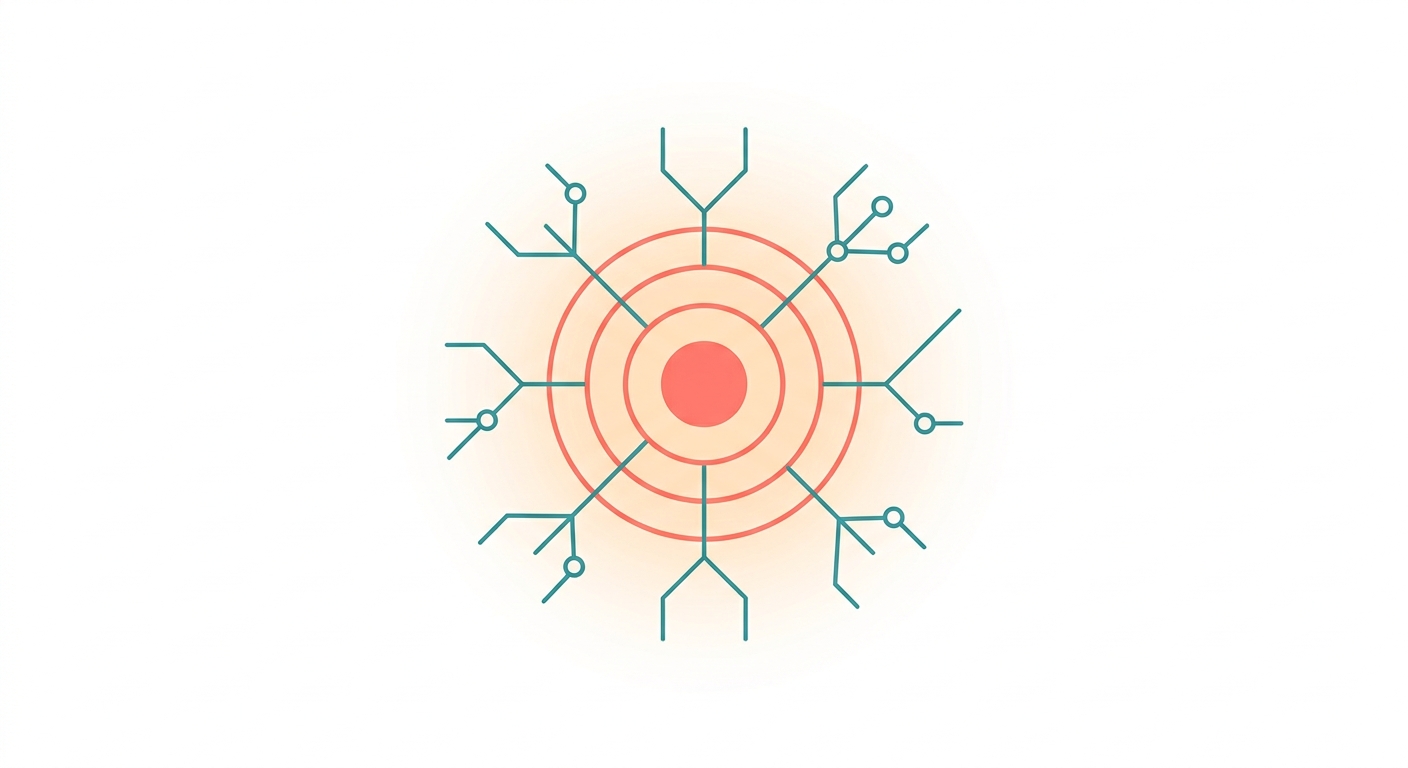
What Is the IL-23 Pathway? The Shared Molecular Circuit Behind Psoriasis, Spondyloarthritis, and Crohn's — Now With the First Oral Blocker
IL-23 sits at the upstream node of autoimmunity. Secreted by dendritic cells and macrophages → maintains Th17 differentiation → IL-17 → chronic inflammation and tissue destruction. Injectable IL-23 blockers (ustekinumab, guselkumab, risankizumab) are standard of care for psoriasis, spondyloarthritis, and Crohn's. In 2026 icotrokinra became the first oral IL-23 blocker FDA-approved.
What Is the OCTN1 Transporter? The Cellular Gateway That Delivers Ergothioneine to Immunity and the Brain
OCTN1 (SLC22A4) is the only transporter that absorbs ergothioneine into cells. Expressed on immune cells, neurons, erythrocytes, keratinocytes, and mitochondrial membranes. Expression rises under oxidative stress, auto-delivering EGT where it's needed. SLC22A4 variants are linked to Crohn's disease and rheumatoid arthritis risk. The molecular gateway determining dietary EGT bioavailability.

What Is the Th17 vs Treg Balance? The Immune Polarity That Decides Autoimmunity and Chronic Inflammation
The ratio between Th17 (aggressive helper T cells) and Treg (regulatory T cells) determines the trajectory of autoimmunity, allergy, and chronic inflammation. Th17 dominance fuels rheumatoid arthritis, MS, psoriasis, atopic dermatitis. Treg dominance maintains tolerance and anti-inflammation. Vitamin D, short-chain fatty acids, omega-3, and exercise tilt the balance toward Treg.
What Is the IL-31 Receptor? Itch Signaling Hub and the Target Behind Nemolizumab
IL-31 receptor (IL-31RA) sits on cutaneous sensory nerve fibers and immune cells, the central station of itch signaling. When IL-31 binds, the itch signal travels to the spinal cord. Nemolizumab blocks this receptor and resets atopic and prurigo nodularis itch — a different circuit from dupilumab.

What Is MENQOL? The Standard 29-Item, 4-Domain Clinical Scale for Menopause Symptoms
MENQOL (Menopause-Specific Quality of Life) was developed in 1996 by Hilditch et al. as the standard menopause symptom assessment tool. 4 domains across 29 items: vasomotor (4), physical (16), psychosocial (7), sexual (3). Used to measure HRT, botanicals, and lifestyle intervention efficacy.

What Are Quassinoids? The Bitter Active Molecules in Tongkat Ali, Quassia, and Other Medicinal Plants
Quassinoids are trinortriterpenoid molecules concentrated in the Simaroubaceae plant family (Tongkat Ali, Quassia, Brucea). Eurycomanone and eurycomanol are key in Tongkat Ali. Anti-stress, mild SHBG blockade increasing free testosterone, anti-cancer + anti-malarial multi-domain activity. Standardization is decisive.
What Is the RAGE Receptor? The Molecular Gateway From AGE to Skin Aging, Diabetes, and Cardiovascular Risk
RAGE (Receptor for Advanced Glycation End-products) recognizes AGE on the cell surface. AGE-RAGE binding activates NF-κB → chronic inflammation, collagen breakdown, insulin resistance, atherosclerosis. The shared molecular gateway behind skin aging, diabetic complications, and cardiovascular risk.

What Is Phycocyanin? Spirulina's Blue-Green Pigment That Acts as a Powerful Antioxidant Protein
Phycocyanin is the blue-green pigment protein in spirulina, structurally similar to bilirubin and a powerful antioxidant + anti-inflammatory molecule. Blocks COX-2, neutralizes ROS, weakens NF-κB. Clinical data: anemia, exercise recovery, liver protection. Standard dose: 1-3 g daily (in spirulina form).
What Is Ferritin? The Storage Iron Marker That Catches Pre-Anemia
Ferritin is the form of iron stored inside cells. Hemoglobin can be normal while ferritin is low — that's latent iron deficiency. Ferritin is the key marker behind postpartum hair loss, chronic fatigue, weakened exercise recovery. Hair recovery target: 70+ ng/mL.

What Is Precision Fermentation? Engineering Yeast to Make Human Proteins for Food and Beauty
Precision fermentation engineers microorganisms (yeast, bacteria) to produce specific proteins. Insulin (1980s), rennet, and Impossible Foods' heme use the same technique. In 2026, PrimaColl (vegan collagen) and BASF Type III collagen brought it to beauty.
What Is Polymethoxyflavone (PMF)? The Citrus Peel Senolytic Sirtuin Activator
Polymethoxyflavone (PMF) is a flavone family concentrated in citrus peel, with multiple methoxy substitutions. Nobiletin, tangeretin, and sinensetin are key members. Higher absorption and stronger SIRT1/AMPK activation than ordinary flavones, plus emerging senolytic effects.
What Is a TYK2 Inhibitor? The Selective Oral Class for Psoriasis and Autoimmune Disease
TYK2 (Tyrosine Kinase 2) inhibitors selectively block TYK2 within the JAK family. By cutting IL-12 and IL-23 signaling, they treat plaque psoriasis, psoriatic arthritis, and inflammatory bowel disease with a cleaner safety profile than broad JAK inhibition. Deucravacitinib (FDA 2022) and zasocitinib (LATITUDE Phase 3 2026) define the class.

Sarcopenic Obesity: When Low Muscle Meets Excess Fat — A Compound Risk State
Sarcopenic obesity is a clinical state where insufficient muscle mass and obesity coexist. Mortality and metabolic risk exceed either condition alone. Particularly relevant to perimenopausal women and patients on GLP-1 therapies.
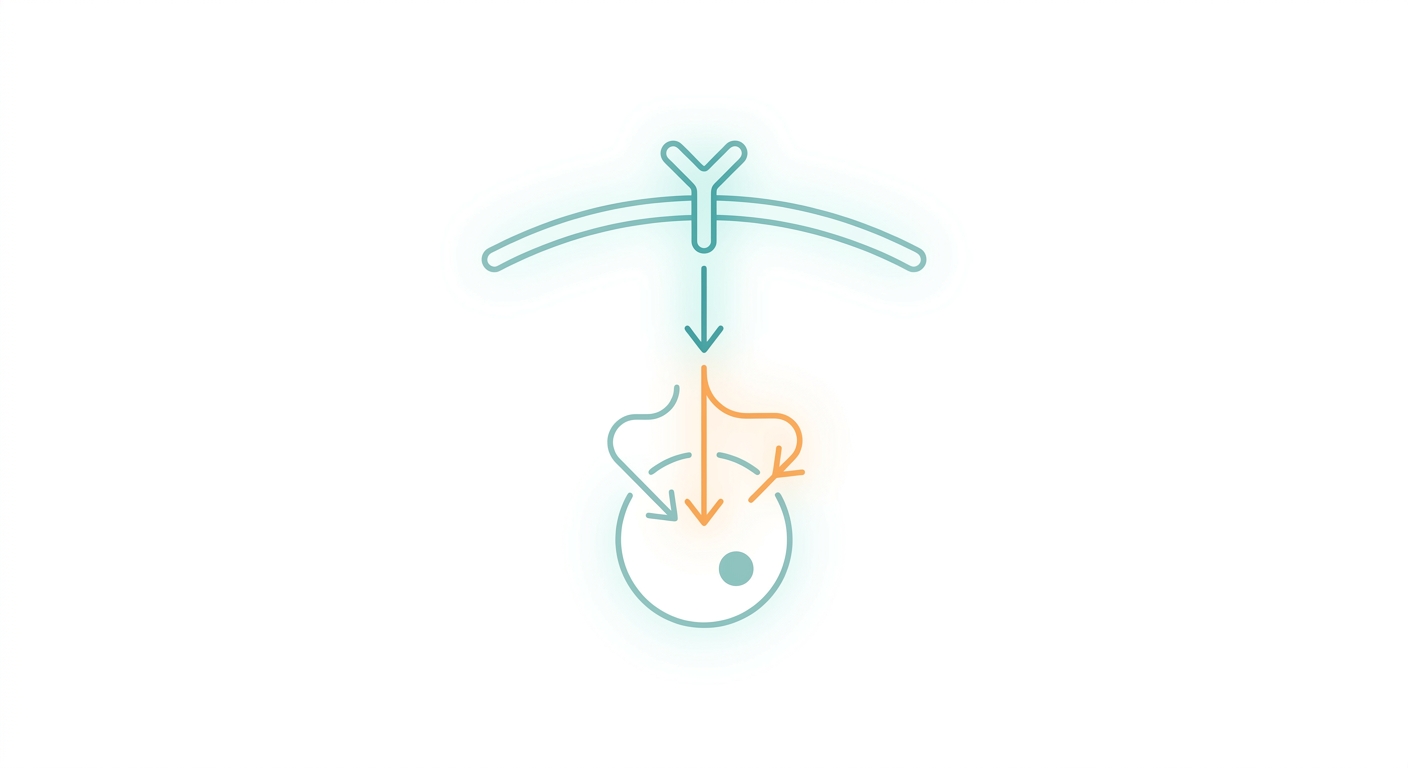
JAK-STAT Pathway: How Cytokine Signals Become Immune Disease — and How JAK Inhibitors Block Them
JAK-STAT is the molecular pathway that transmits cytokine (interferon, interleukin) signals from the cell surface to the nucleus. It drives vitiligo, atopic dermatitis, alopecia areata, and psoriasis. JAK inhibitors (upadacitinib, ruxolitinib) block this pathway.
Liver Enzymes ALT, AST, GGT — Liver Health 4-Axis First-Line Indicators
ALT, AST, GGT, ALP 4-axis are core liver damage indicators. ALT is liver-specific, AST is liver+muscle, GGT is alcohol/bile/drugs, ALP is bile/bone. Korean health checkup standard but normal range interpretation requires care. ALT 35+ (women 25+) suspects NAFLD. AST/ALT ratio >1 suggests alcoholic/cirrhosis. NAC, silymarin, choline, TUDCA recover ALT -28~38%.
Non-Alcoholic Fatty Liver Disease (NAFLD/NASH), Korea's 30%+ Silent Liver Disease
NAFLD is alcohol-independent liver fat 5%+ accumulation. 30%+ of Korean adults, +250% with obesity/diabetes. NASH is NAFLD + inflammation/hepatocyte damage with 25%+ progressing to cirrhosis/liver cancer. Asymptomatic but reversible. Choline, silymarin, NAC, TUDCA, curcumin matrix + weight 7%+ ↓ blocks progression.
Atopic Dermatitis (SCORAD) — Chronic Inflammatory Skin Disease in 5-10% of Korean Adults, Four-Stage Scoring
Atopic dermatitis is a chronic inflammatory skin disease combining barrier defect + Th2 immunity + Staphylococcus aureus colonization. 5-10% Korean adult prevalence. SCORAD assessment classifies stages 1-4 (0-103 points). Standard topical steroids and immunosuppressants carry side effects. Non-hormonal matrix: vitamin D 5,000IU (SCORAD -38%), omega-3, probiotics, ceramide, niacinamide.

Allergic Rhinitis (ARIA Classification) — 30%+ Korean Prevalence, Spring Yellow Dust and Pollen Peak
Allergic rhinitis is IgE-mediated nasal mucosal inflammation. 30%+ Korean prevalence, peaking in spring (April-May) with yellow dust, cedar, and birch pollen. ARIA classifies as intermittent/persistent + mild/moderate-severe four stages. Standard antihistamines and nasal steroids carry side effects. Non-hormonal matrix: quercetin+bromelain, butterbur Ze 339, spirulina, L. paracasei NCC2461, vitamin D.
Prostaglandin, the Molecular Identity of Menstrual Cramps
Prostaglandin PGF2α is secreted from the endometrium at menstruation onset and contracts uterine smooth muscle. 80% of menstrual cramps are due to this molecule. NSAIDs and natural molecules (Pycnogenol, omega-3) all inhibit PGF2α.
PMDD vs PMS, Sound Similar but Different Diagnoses
PMDD (Premenstrual Dysphoric Disorder) is a DSM-5 psychiatric diagnosis. Different intensity and functional impairment from PMS. Core: 5 emotional symptoms with daily functional impairment.
Insulin Resistance, HOMA-IR — First-Line Target for Metabolic Disease
Insulin resistance is when insulin fails to act on cells, impairing glucose regulation. HOMA-IR (Homeostatic Model Assessment) is the standard indicator. 30%+ of Korean adults, 70%+ of PCOS women. Obesity, abdominal obesity, chronic stress accelerate it. Berberine, inositol, cinnamon, chromium, exercise matrix shows -32% recovery.
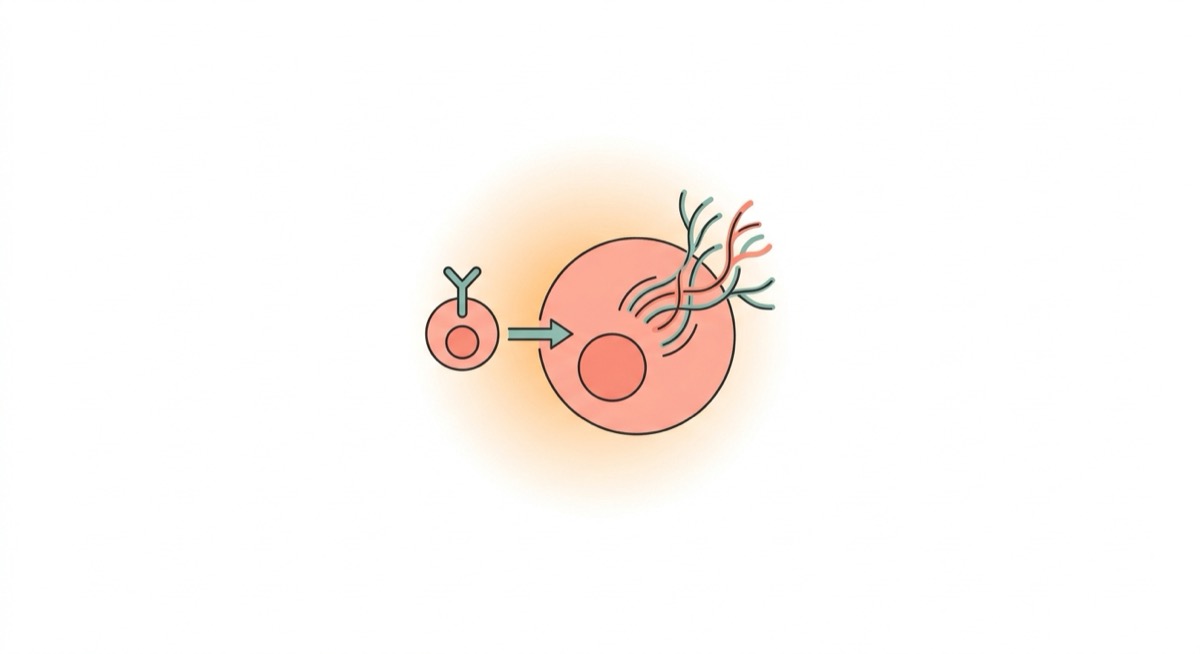
TGF-β, the Signal That Tells Skin to Make New Collagen
TGF-β (transforming growth factor beta) commands dermal fibroblasts to synthesize collagen. Centella madecassoside, vitamin A, and copper peptides stimulate TGF-β to drive new collagen production.
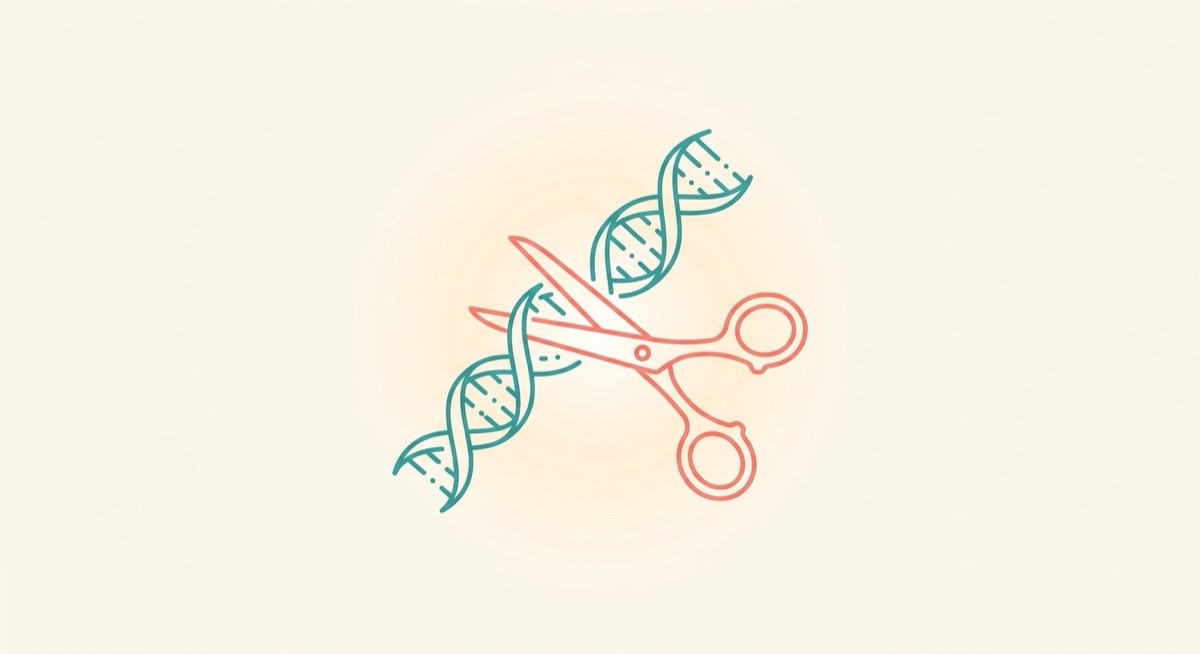
MMP, the Scissor That Cuts Collagen Under UV
MMP (matrix metalloproteinase) is the enzyme family that breaks down collagen and elastin. UV and oxidative stress activate MMP-1 and accelerate photoaging. Vitamin C and astaxanthin are the molecular brakes.
Prediabetes, Reversible Pre-Diabetes Stage
Prediabetes is the reversible window between normal glucose and diabetes. Fasting glucose 100-125 or HbA1c 5.7-6.4%. 1 in 4 Korean adults, 35%+ in 50+, 5-10% annual diabetes conversion. Berberine, gymnema, cinnamon, chromium, mulberry matrix shows -42% progression (Diabetes Care 2026). 18-month cumulative evaluation.
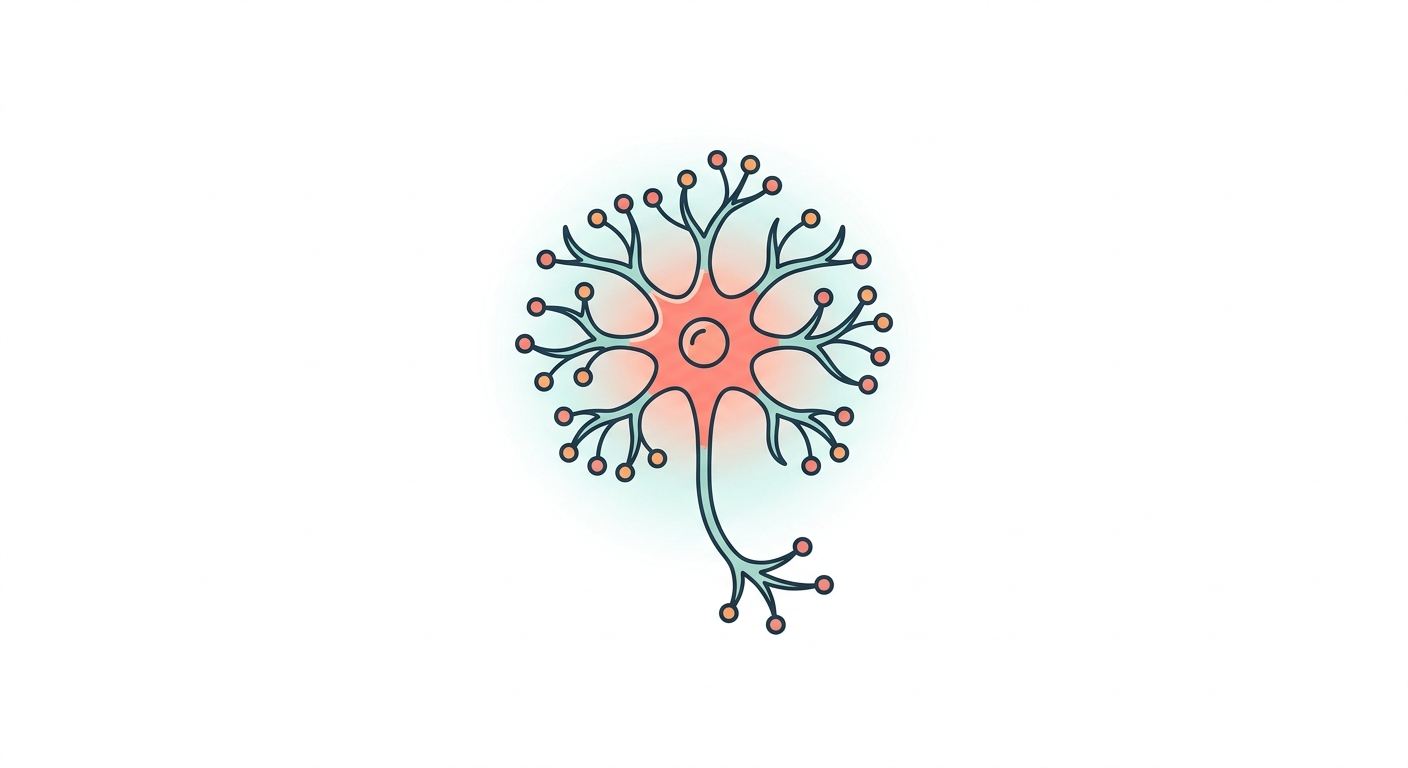
Neuroplasticity, BDNF, NGF — Molecular Matrix for Brain Recovery
Neuroplasticity is the lifelong reorganizing capacity of brain synapses, neurons, circuits. BDNF (Brain-Derived Neurotrophic Factor) and NGF (Nerve Growth Factor) are core molecular mediators. Exercise, DHA, lion's mane, citicoline, bacopa induce BDNF, NGF +25-35%. Common target for depression, MCI, stroke recovery.

Mild Cognitive Impairment (MCI), Reversible Pre-Alzheimer Stage
MCI is the intermediate stage between normal aging and Alzheimer's. Objective cognitive decline + preserved daily function. MMSE 24-28, MoCA 18-25. 10-15% annual conversion to Alzheimer's. 25%+ prevalence in Korean 65+. ApoE4, hippocampal atrophy, homocysteine drive conversion. DHA + B12 + D + citicoline matrix shows -38% progression.

PSQI (Pittsburgh Sleep Quality Index)
PSQI is the most widely-used self-assessment scale objectively measuring sleep quality. 7 components 19 items. 0~21 points, score over 5 indicates sleep disturbance. Standard measurement for sleep clinical RCTs. Self-assessable at home.

Serotonin (5-HT)
Serotonin is a neurotransmitter. Multi-function modulating mood, sleep, appetite, cognition, gut motility. 90+% synthesized in gut. Tryptophan→5-HTP→serotonin pathway. Direct melatonin precursor. SSRI drug target. 5-HTP, tryptophan, vitamin B6, magnesium support synthesis.
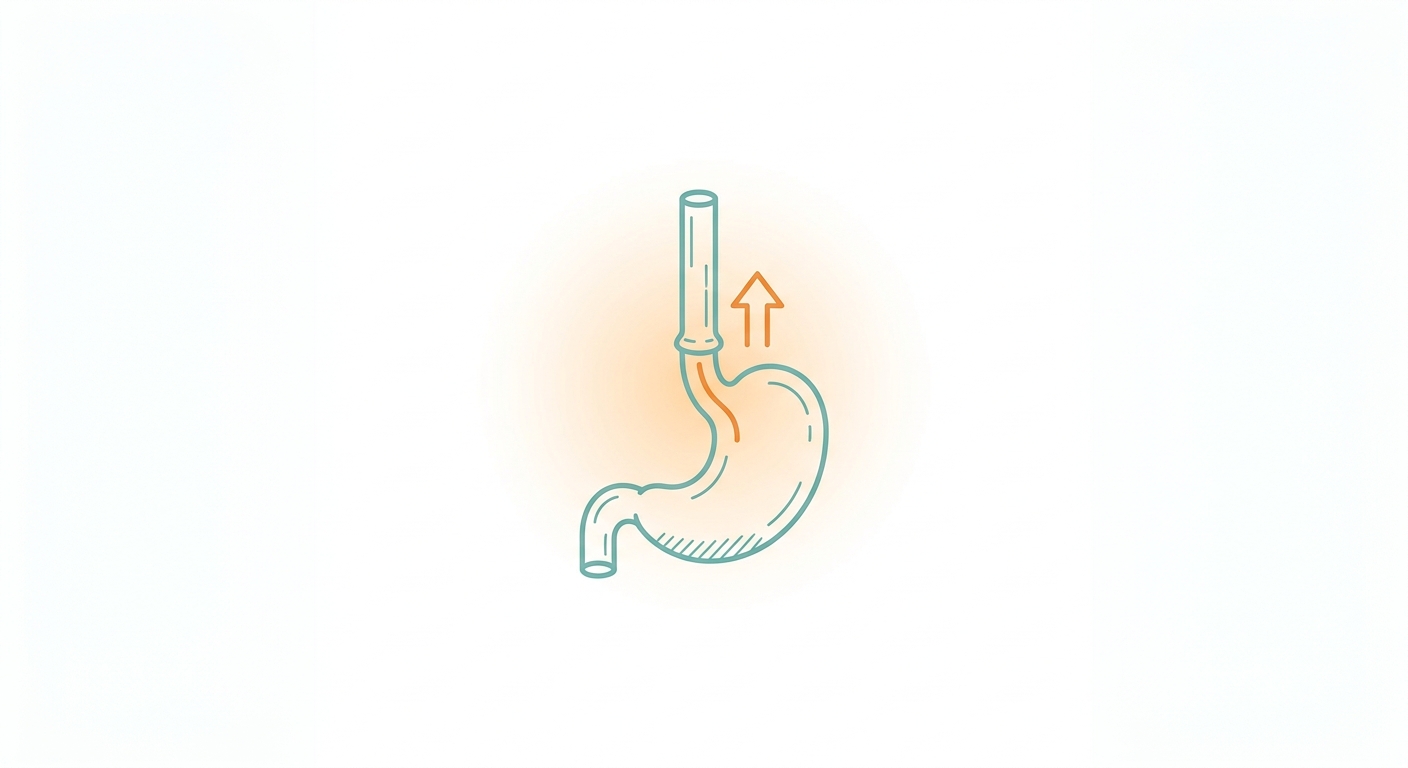
Gastroesophageal Reflux Disease (GERD) — 25-30% Korean Prevalence, Half with Nocturnal Symptoms
GERD is a chronic disease where gastric content refluxes into the esophagus and damages mucosa. 25-30% Korean prevalence, half with nocturnal symptoms. Lower esophageal sphincter (LES) weakness + acid exposure are the core. Long-term PPI carries osteoporosis, gastric polyp, B12 deficiency risks. Non-PPI matrix: melatonin 6mg (LES +28%), alginate, DGL, zinc-carnosine, magnesium.
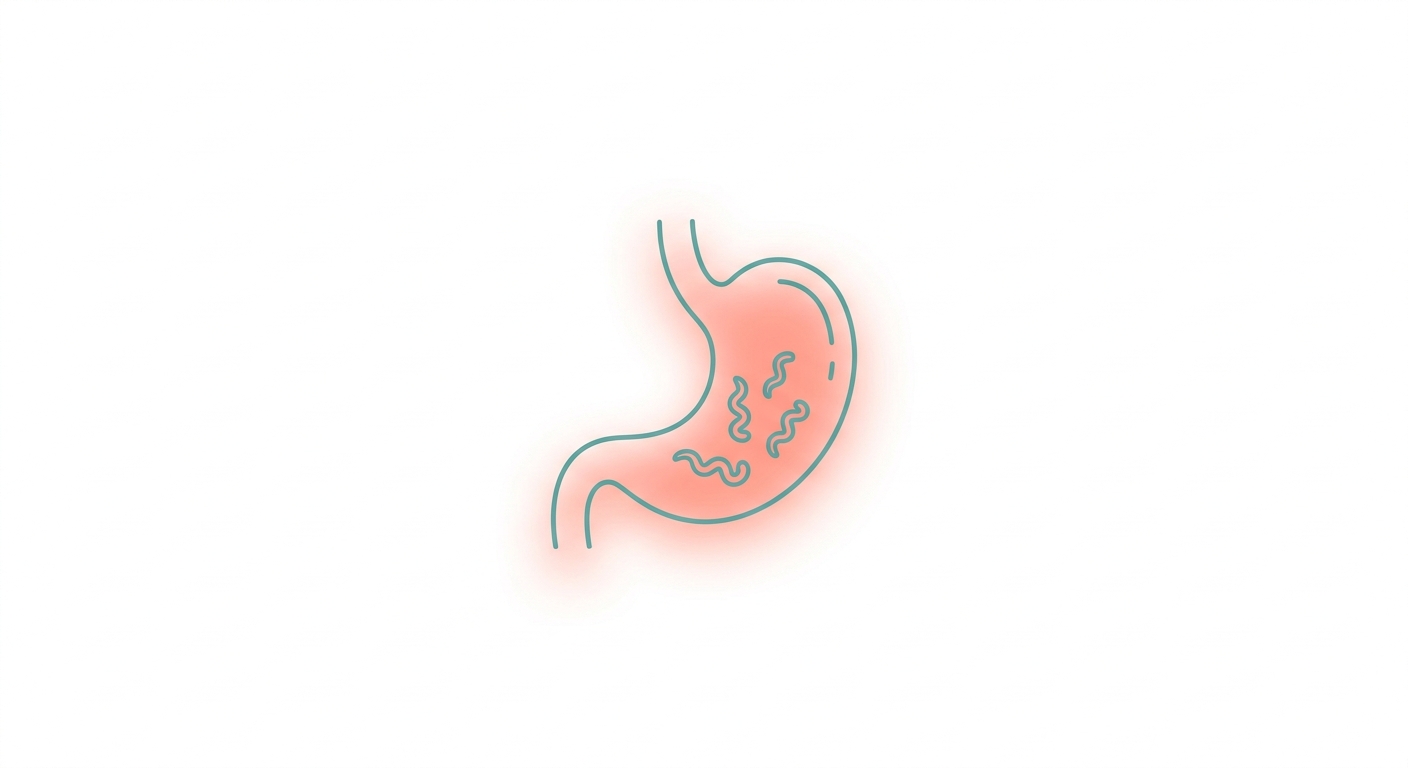
Helicobacter pylori (H. pylori) — 50-55% Korean Adult Positivity Linked to World's #1 Gastric Cancer
H. pylori is a gram-negative bacterium that adheres to gastric mucosa and uses urease to neutralize acid, causing chronic gastritis. 50-55% Korean adult positivity (60%+ in 40s, 70%+ in 50s) is directly linked to world's #1 gastric cancer incidence. Standard triple therapy 78% eradication, clarithromycin resistance 30%+. Adjunct matrix: mastic gum 1g (91%), berberine 1,500mg (92%), quercetin 500mg, manuka honey, probiotics.
Blue Light & Digital Asthenopia, Multi-Target on Ciliary Muscle, Rhodopsin, MPOD
Blue light (380-500nm) is the shortest visible wavelength. Exposure from LED, sunlight, indoor lighting. Multi-target effects: ciliary muscle hypertonia, oxidative stress, reduced macular pigment, melatonin suppression. Targeted matrix for the era of 60%+ Korean workers with 7+ hours screen time and 50%+ asthenopia.

Age-Related Macular Degeneration (AMD), Stages, Drusen, Anti-VEGF Standard Matrix
AMD is the leading cause of blindness in people 65+. Drusen accumulation in the macula and photoreceptor damage cause central vision decline. 13% of Korean 50+ adults and 25% of those 70+ have AMD. Stage-specific matrix: AREDS2 + anti-VEGF + saffron, DHA era.
NK Cell (Natural Killer Cell)
NK cells are the core cells of innate immunity. Directly kill virus-infected and tumor cells. Different fast response from adaptive immunity (T/B cells). Beta-glucans, reishi, vitamin D, exercise support NK activity. Aging-related NK decline. Foundation of immune matrix.
Adaptogen
Adaptogens are plants supporting body stress adaptation. HPA axis modulation, cortisol stabilization, antioxidant + anti-inflammatory multi-mechanism. East Asian (ginseng/schisandra/reishi/cordyceps), Indian (ashwagandha/tulsi/bacopa), Russian (rhodiola) 3 traditions. Non-specific normalizing hypothesis. Standardized extract is core.
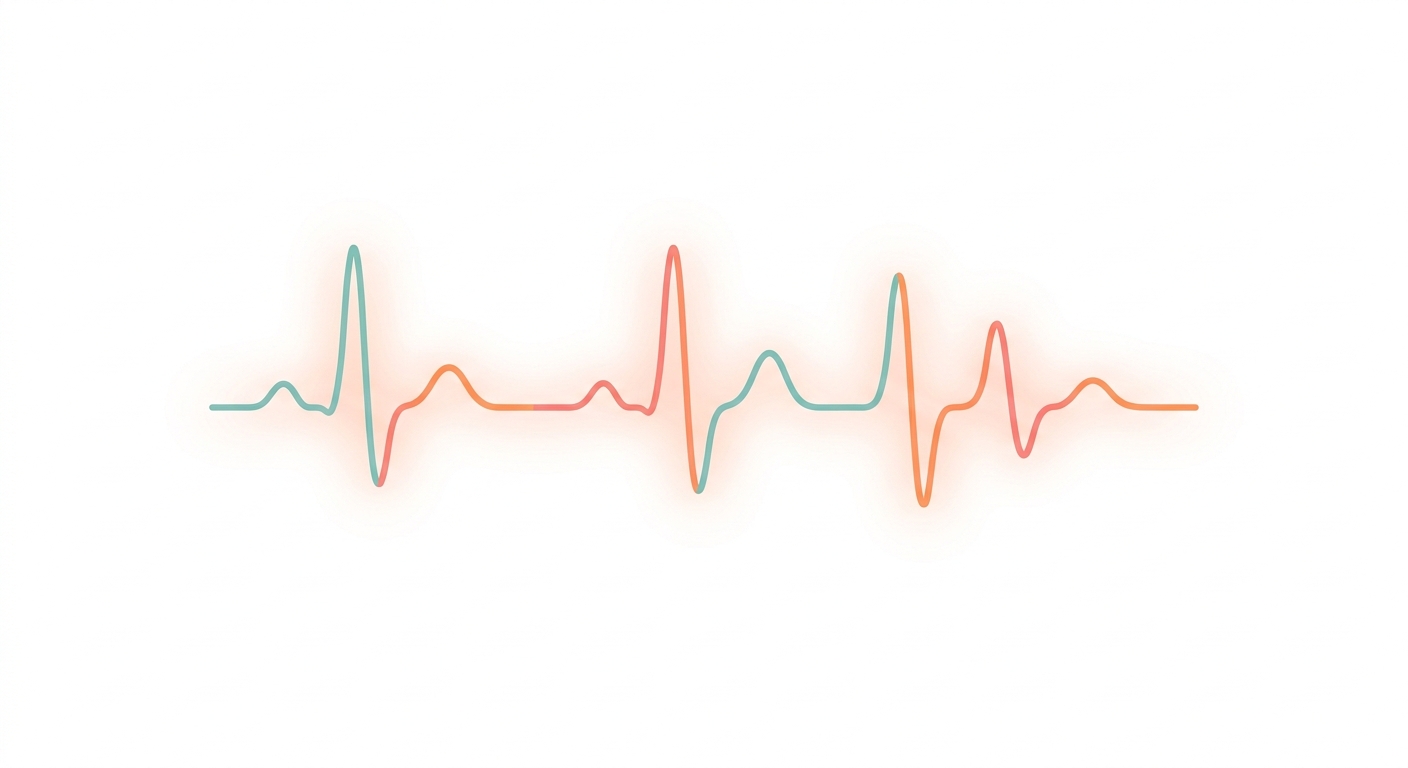
Heart Rate Variability (HRV) — The Non-Invasive Molecular Marker of Autonomic Health
Heart Rate Variability (HRV) quantifies time variation between heartbeats. Direct marker of parasympathetic nervous system activity. Normal RMSSD 30~50 ms; aging and chronic stress reduce it -50~60%. Wearable proliferation enables daily monitoring. HRV +10~20% recovery is the clinical target of the autonomic matrix.
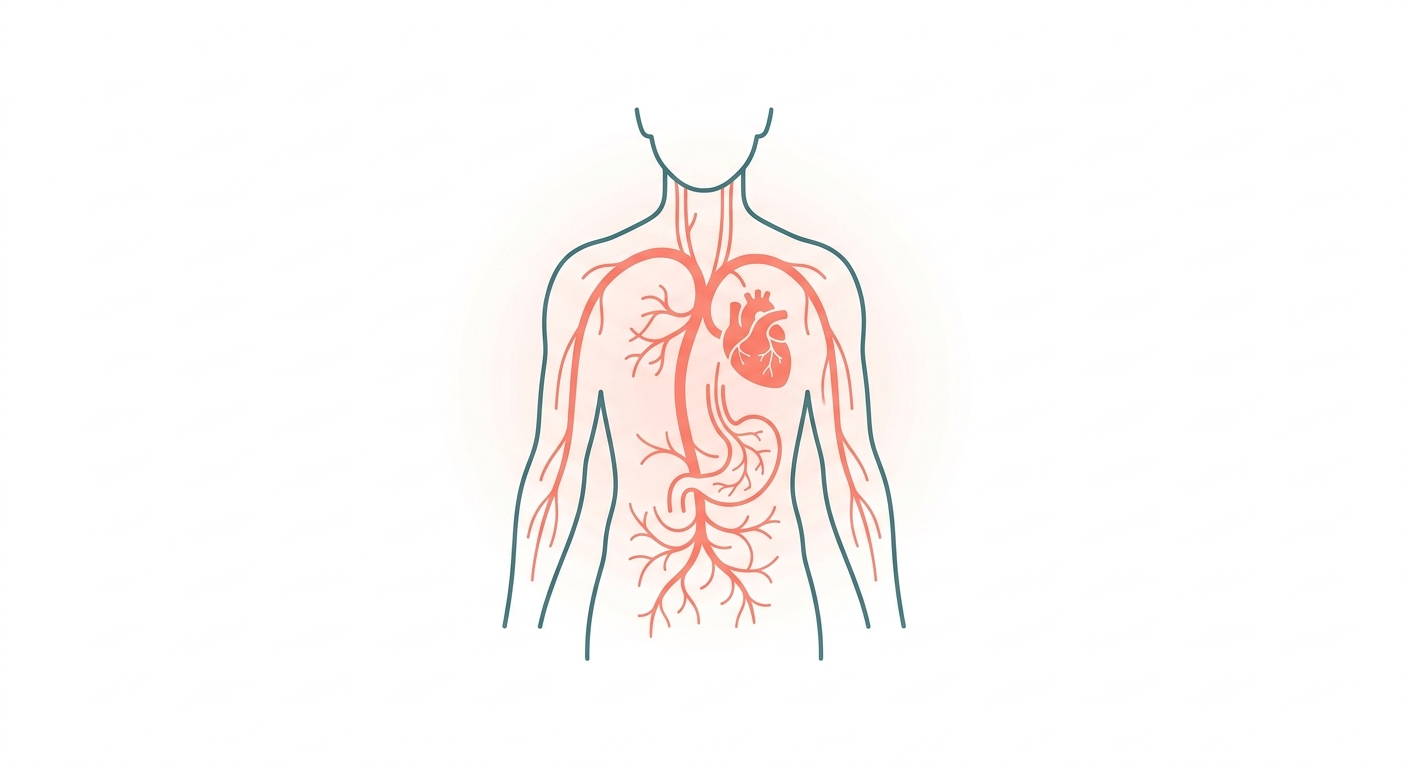
Vagus Nerve · Parasympathetic Tone — The Master Circuit of Autonomic Balance
The vagus nerve originates in the brainstem and connects the heart, lungs, GI tract, and liver as the master of the parasympathetic nervous system. Vagal tone is the activity level of the vagus nerve, measured non-invasively by HRV. Aging and chronic stress reduce it -30~50%, the molecular basis of autonomic imbalance. L-theanine, magnesium, Ashwagandha, apigenin, and saffron reinforce vagal tone.

eGFR (Estimated Glomerular Filtration Rate)
eGFR is the estimated kidney filtration rate per minute. Core marker for CKD diagnosis·staging·progression tracking. Normal 90+, CKD if <60. Calculated from serum creatinine + age·sex + CKD-EPI formula. Natural decline 50+ at 1mL/min/1.73m²/year.
Chronic Kidney Disease (CKD) and 5-Stage Classification
Chronic kidney disease (CKD) is 3+ months of kidney function·structural abnormality. eGFR-based stage 1~5 classification. 10%+ of Korean adults, 20%+ of 50+, 35%+ of 70+ have CKD. Diabetes·hypertension are #1-2 causes. Cardiovascular·dementia·osteoporosis co-occurrence risk. Progression block core.

Schisandra Chinensis (五味子, Five-Flavor Fruit)
Schisandra is an East Asian native adaptogen plant. Five flavors simultaneously: sweet/sour/bitter/pungent/salty. Schisandrin A/B/C and gomisin active. Liver protection (ALT/AST reduction), adaptogen action, cognitive adjunct. Korean traditional tea dietary option. Standardized extract 200~400 mg/day. CYP3A4 drug interactions caution.
Ectoine (Compatible Solute)
Ectoine is a compatible solute derived from extremophile microbes. Forms physical hydration shell by binding water molecules around proteins and cell membranes. Topical 5.5~7% concentration clinical standard. Complementary to ceramides (lipid filling) via different pathway (water binding). K-beauty's next-generation ingredient.
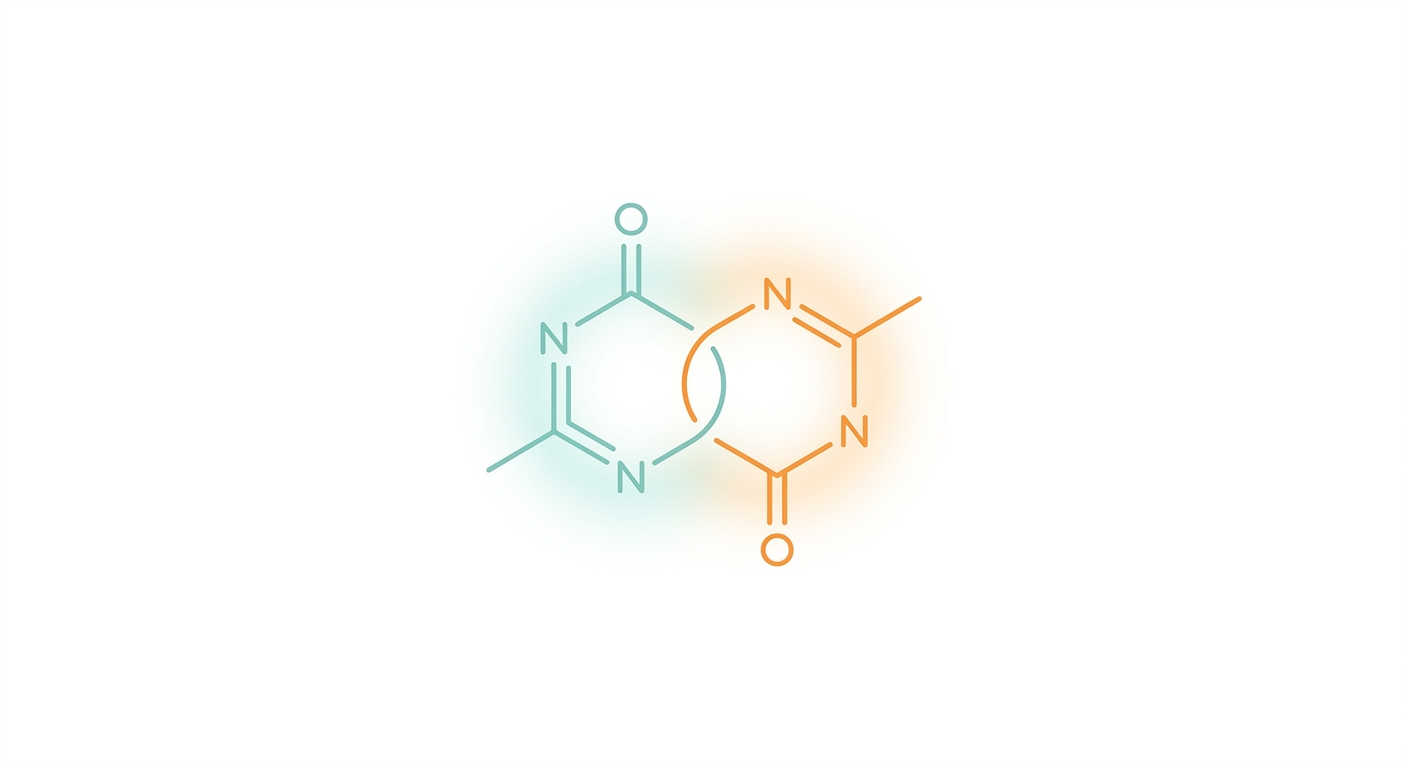
NAD+ · Sirtuin Axis — The Core Molecular Circuit of Aging Regulation
NAD+ (nicotinamide adenine dinucleotide) is the common cofactor of cellular energy circuits and aging regulation circuits. Sirtuins 1, 3, 6 are NAD+-dependent enzymes regulating DNA protection, epigenetics, and mitochondrial function. NAD+ -50~70% decline in aging is the molecular basis of sirtuin activity loss → accelerated aging. NMN, NR, and nicotinamide are NAD+ precursors.
Mitochondrial Biogenesis · PGC-1α — The Master Molecule of New Cellular Energy Generation
Mitochondrial biogenesis is the formation of new mitochondria within cells. PGC-1α (peroxisome proliferator-activated receptor gamma coactivator 1-alpha) is the master regulator. Exercise, cold exposure, calorie restriction, and PQQ activate PGC-1α. Aging reduces it -40~50%, the molecular basis of sarcopenia, chronic fatigue, and cognitive decline.
Presbycusis (Age-Related Hearing Loss)
Presbycusis is bilateral·gradual·high-frequency-priority hearing decline. Affects 30% of 60s, 50% of 70s, 70%+ of 80+. Multi-mechanisms: cochlear hair cell·neural·vascular·mitochondrial aging. Bidirectional risk for social isolation·cognitive decline·dementia.
Tinnitus — Types·Mechanisms·Targets
Tinnitus is ringing heard without external sound. 10~25% of Korean adults, 30%+ of 50+ experience it. Subjective tinnitus (85~95%) vs objective tinnitus. Multi-mechanisms: cochlear hair cell damage·brain auditory plasticity·oxidative stress·microcirculation insufficiency·NMDA excitotoxicity.

Endometriosis — 7-10 Year Diagnostic Delay in 6-10% of Korean Reproductive-Age Women
Endometriosis is the proliferation of endometrial tissue outside the uterus. 6-10% prevalence in Korean reproductive-age women with average 7-10 year diagnostic delay. Leading cause of chronic pelvic pain, dysmenorrhea, dyspareunia, and infertility. Three-axis progression: hormonal, inflammatory, angiogenic. Non-hormonal first-line: standardized curcumin 1,500mg (pain -42%), omega-3, vitamin D, NAC, magnesium. Stage 4 needs surgery first.
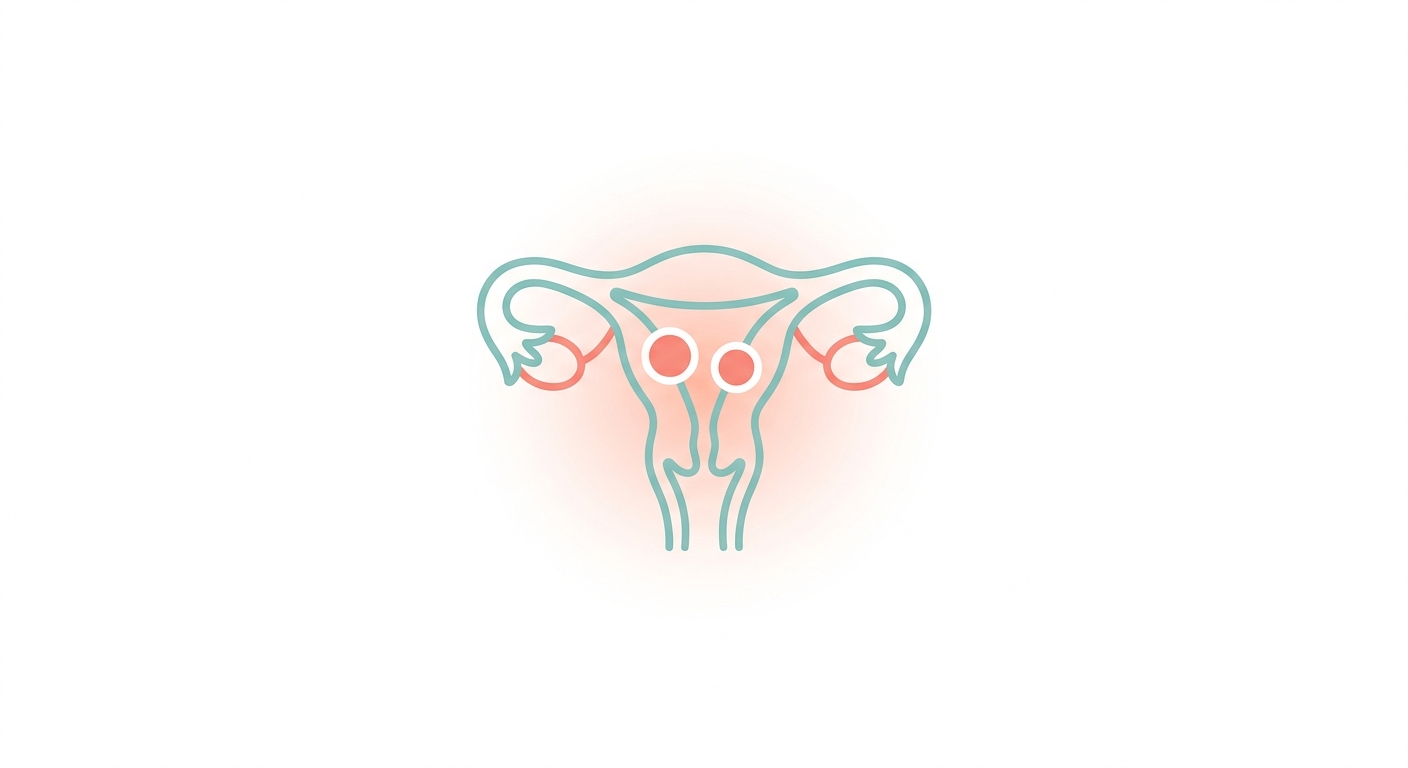
Uterine Fibroid (Leiomyoma) — A Benign Tumor Affecting 35-40% of Korean Women Aged 35-50
Uterine fibroids are benign tumors of the uterine smooth muscle. 35-40% prevalence in Korean women aged 35-50, with 20,000 hysterectomies annually. Grows on four axes: estrogen, inflammation, oxidative stress, angiogenesis. Non-surgical first-line matrix: NAC 1,200mg (volume -28%), EGCG 800mg (-33%), vitamin D 3,000IU (prevention -32%). Hysterectomy criteria: 8-week pregnancy size.

Anthocyanin
Anthocyanins are red-purple-blue plant pigments. Strong antioxidants + microcirculation adjunct. Rich in bilberry, blackcurrant, blueberry, eggplant, black rice, purple cabbage. Digital visual fatigue, retinal adjunct, anti-inflammatory, cognition. Daily recommendation 12~50 mg, bilberry extract 160 mg/day clinical standard.
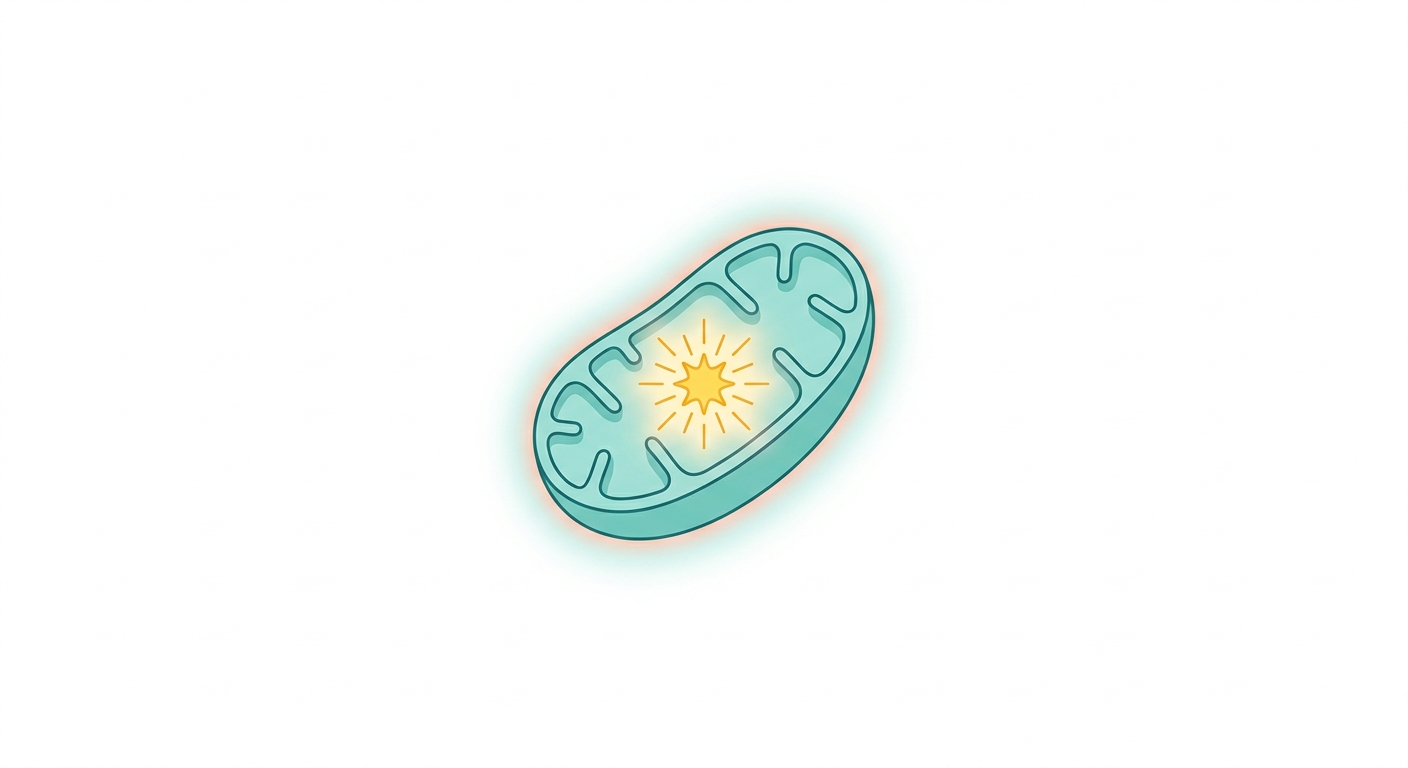
Coenzyme Q10 (CoQ10, Ubiquinone, Ubiquinol)
CoQ10 is a core mitochondrial electron transport chain cofactor. ATP production + strong antioxidant. Synthesized internally but decreases with aging. Statins block mevalonate pathway also inhibiting CoQ10 synthesis - core option for SAMS (statin myalgia). 100~300 mg/day. Ubiquinone (oxidized) and ubiquinol (reduced active) two forms.
Oral Microbiome
The oral microbiome is the ecosystem of 700+ species of bacteria·viruses·fungi inhabiting the mouth. Second-largest human microbiome after gut. Oral bacterial balance affects not only cavities·gingivitis·periodontitis·halitosis but also cardiovascular·diabetes·dementia.
Periodontitis and Stage Classification
Periodontitis is chronic inflammation·destruction of gums·alveolar bone·periodontal ligament. 2017 new classification: stage (I~IV)·grade (A~C progression)·extent multi-axis evaluation. 60%+ of Korean adults experience it. Cardiovascular·diabetes·dementia co-occurrence risk.
Endothelial NO Pathway — The Core Molecular Cascade of the Microvascular Matrix
The endothelial NO pathway (eNOS → NO → cGMP → smooth muscle relaxation) is the molecular target of microvascular dilation. Aging reduces it -40~50%, the molecular basis of cognitive decline, venous insufficiency, and hypertension. Cocoa epicatechin, Pycnogenol OPCs, beetroot nitrate, garlic allicin, citrulline, and arginine reinforce NO at five different stages.

Cerebral Blood Flow (CBF) — The Molecular Yardstick of Brain Microvasculature and Cognitive Protection
Cerebral Blood Flow (CBF) is measured as ml/100g/min of brain tissue. Normal 50~60, dropping -25~30% in the 70s. Frontal lobe and hippocampal CBF reduction is the earliest marker of mild cognitive impairment. EGb 761, cocoa flavanols, citicoline, beetroot, and Pycnogenol — the five-molecule matrix recovers +12~22% in 12 weeks. Measured by ASL MRI, OCT-A, BOLD fMRI.
L-Citrulline
L-citrulline is a non-proteinogenic amino acid. Watermelon richest source. L-arginine precursor activates nitric oxide (NO) pathway. Elderly systolic blood pressure -4 mmHg, exercise adjunct, erectile dysfunction adjunct. Absorption advantage over direct L-arginine (liver bypass). 6~10 g/day or citrulline malate 8 g/day.

Lutein Zeaxanthin
Lutein and zeaxanthin are carotenoid pigments synthesized by plants. Selectively accumulate in retinal macula for blue light absorption and oxidative stress protection. AREDS2 standard formula reduces progressive age-related macular degeneration (AMD) risk. Diet 6 mg/day, AMD risk group supplement 10 mg + 2 mg/day. Rich in kale, spinach, egg yolk.
Endothelial Function and FMD (Flow-Mediated Dilation)
The endothelium is a single cell layer lining blood vessels regulating nitric oxide (NO) synthesis·vascular tone·anti-inflammation·anti-thrombosis. FMD (flow-mediated dilation) is the standard endothelial function measurement. Endothelial dysfunction = early signal of atherosclerosis·cardiovascular disease.
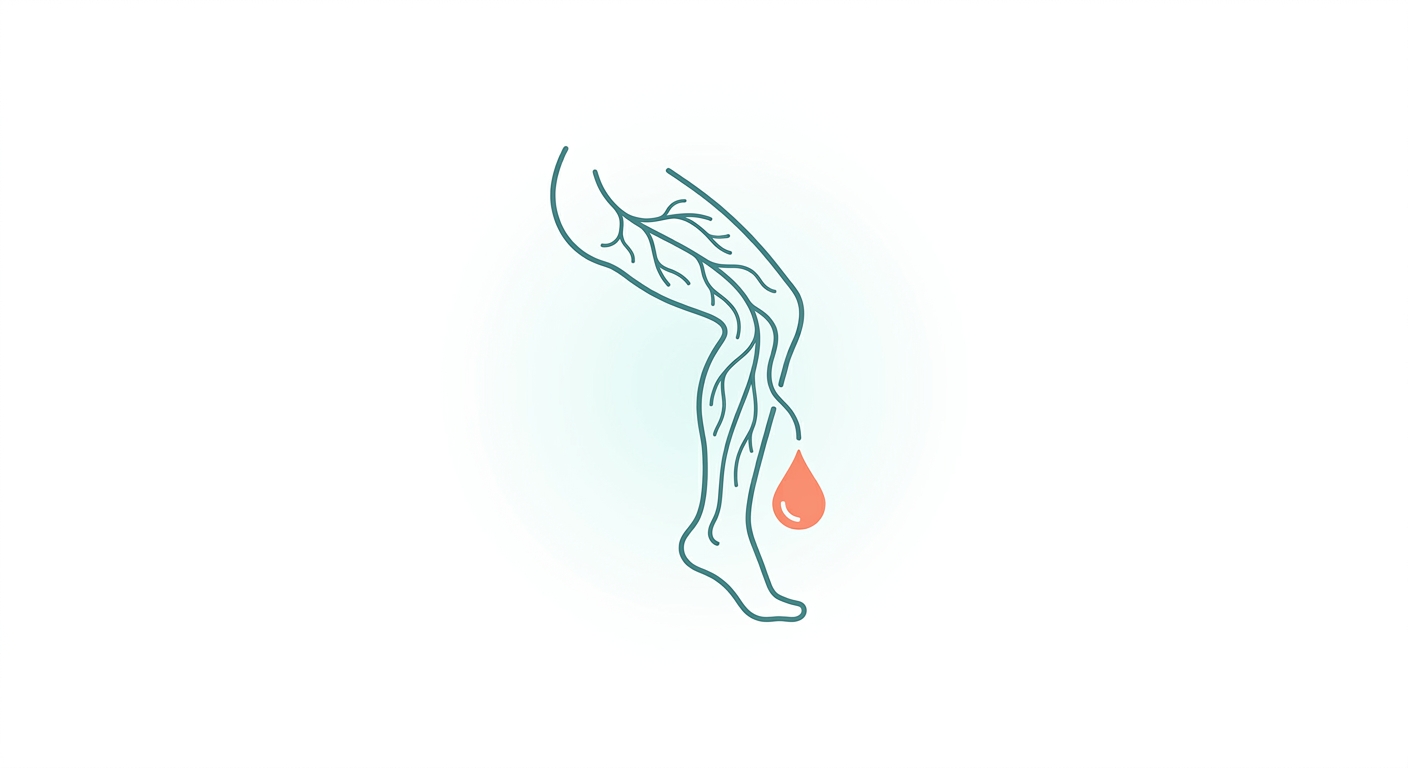
Chronic Venous Insufficiency (CVI)
Chronic venous insufficiency (CVI) is a state of leg vein valve weakness causing blood reflux·elevated venous pressure. CEAP classification C0~C6. 50~60% of women, 40~50% of men experience it in lifetime. Progresses to leg edema·pain·varicose veins·ulcers.
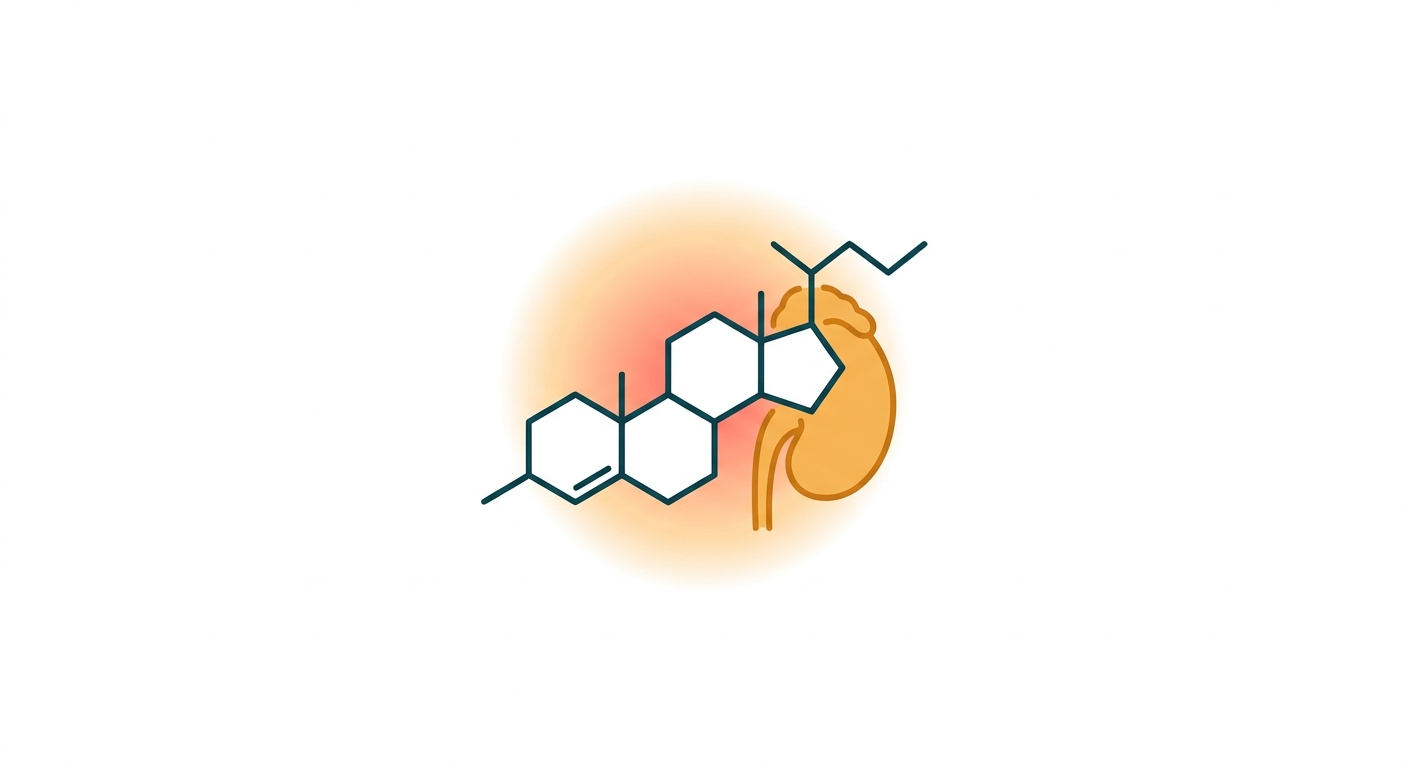
DHEA (Dehydroepiandrosterone)
DHEA (dehydroepiandrosterone) is a steroid hormone synthesized in adrenal glands. Precursor to estrogens and androgens. Peaks in 20s, declining with aging. Used for postmenopausal hormone support and adrenal insufficiency. 50 mg/day+ increases estradiol, with pronounced effect in 60+. Vaginal topical form (Intrarosa) is FDA-approved. Avoid with hormone-sensitive cancers.
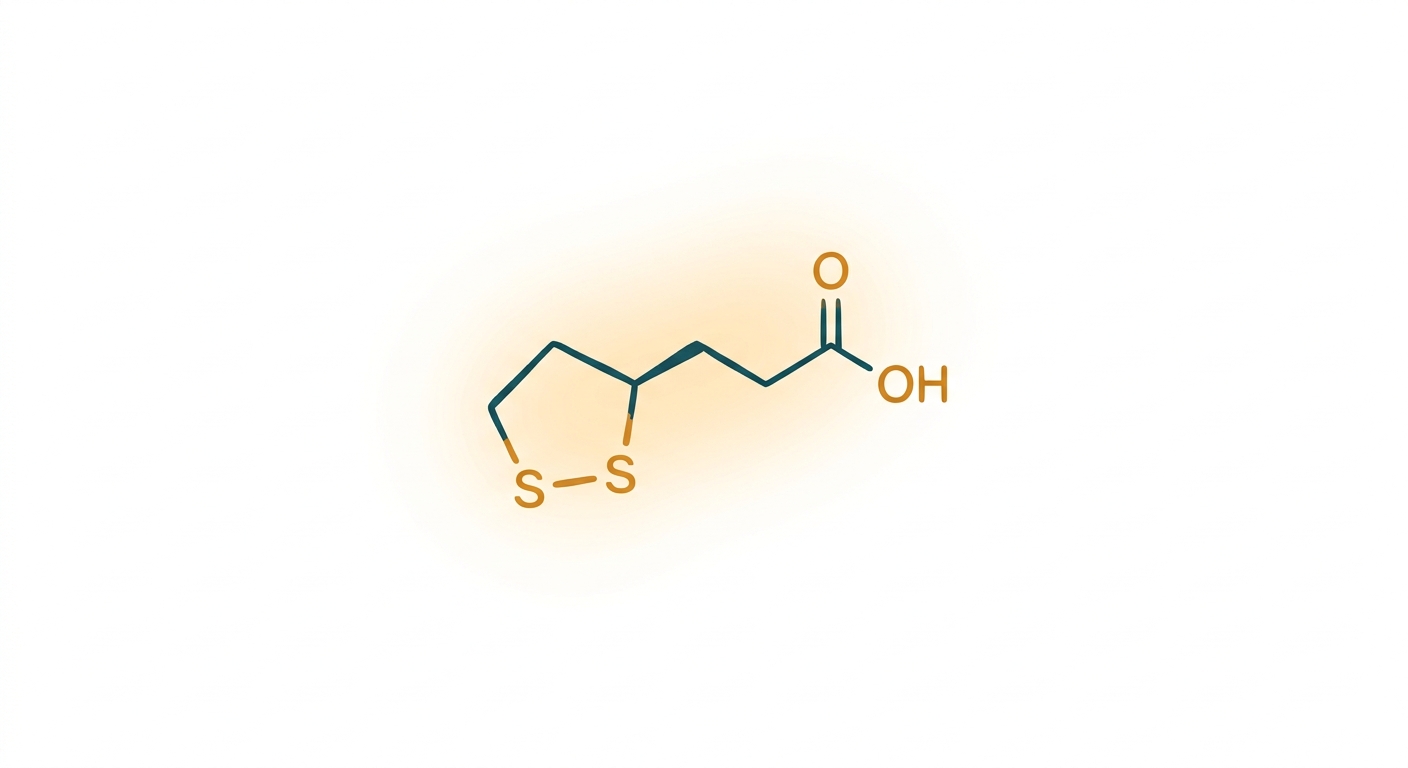
Alpha-Lipoic Acid
Alpha-lipoic acid (ALA, thioctic acid) is a short-chain fatty acid synthesizable by the body. A cofactor for mitochondrial enzymes. Dual antioxidant working in both water and lipids. 70+ years of use data for diabetic neuropathy. Mechanisms include glutathione regeneration, microcirculation improvement, and some insulin sensitivity support. R-form is natural active, 600 mg/day clinical standard.
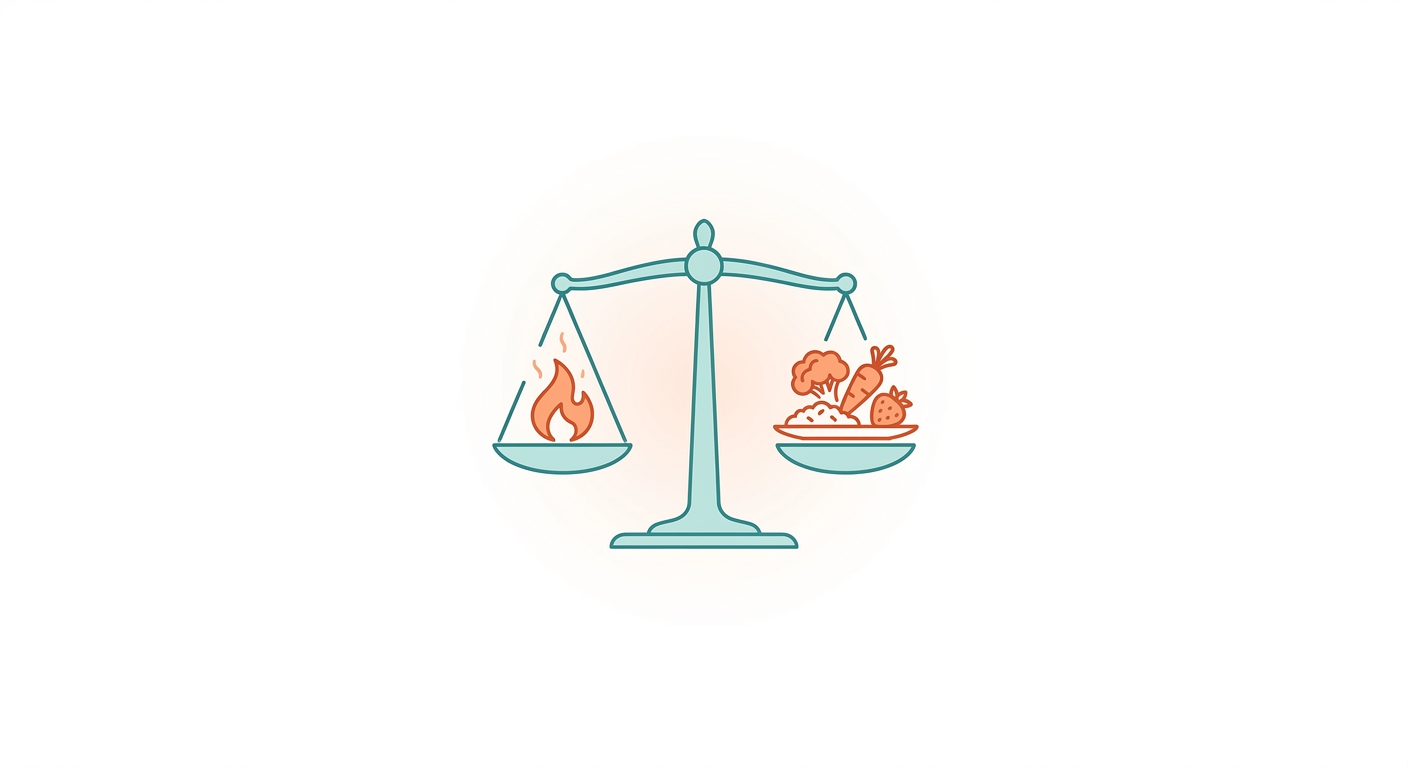
Basal Metabolic Rate (BMR) and Total Daily Energy Expenditure (TDEE) — Four-Axis Energy Balance for Weight Management
BMR (basal metabolic rate) is minimum 24-hour energy expenditure at rest. Adults 1,200-2,000 kcal/day. TDEE (total daily energy expenditure) sums BMR + activity + diet-induced thermogenesis + adaptive thermogenesis. Weight management hinges on calorie intake vs TDEE balance. BAT activation, exercise, and muscle mass form the TDEE-increasing matrix. Brown adipose +100-300 kcal, exercise +200-500 kcal, muscle 1kg +13 kcal.
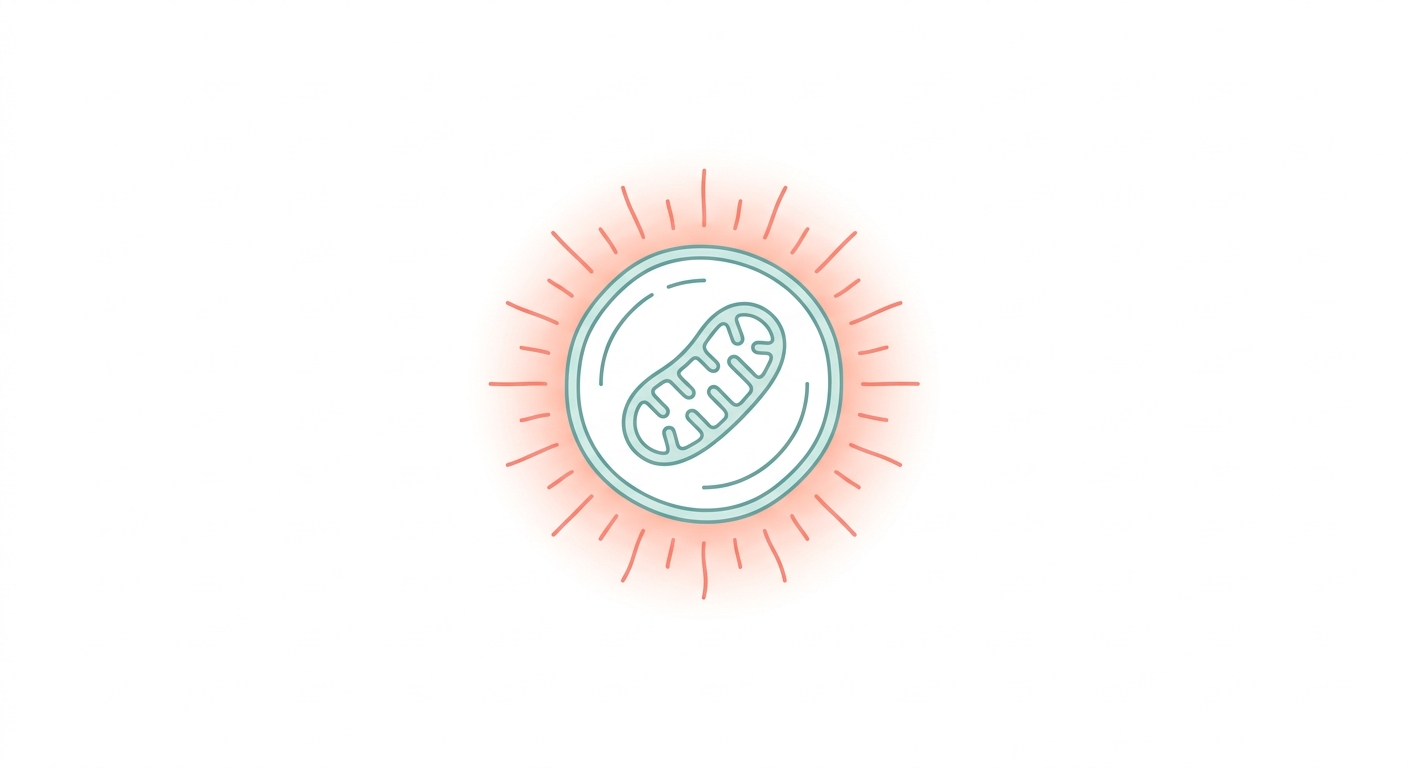
Brown Adipose Tissue (BAT) and UCP1 — The Mitochondrial Heat-Generation Molecular Target for Adult Weight and Metabolism
Brown adipose tissue (BAT) generates heat instead of ATP through mitochondrial UCP1. 5% of newborn body weight, adults retain active BAT around upper thorax, between scapulae, and neck. Activation produces 100-300 kcal/day additional expenditure. Measured by ¹⁸F-FDG PET. Capsaicin 6mg (+42%), fucoxanthin 8mg (+56% browning), and cold exposure are clinical activation molecules.
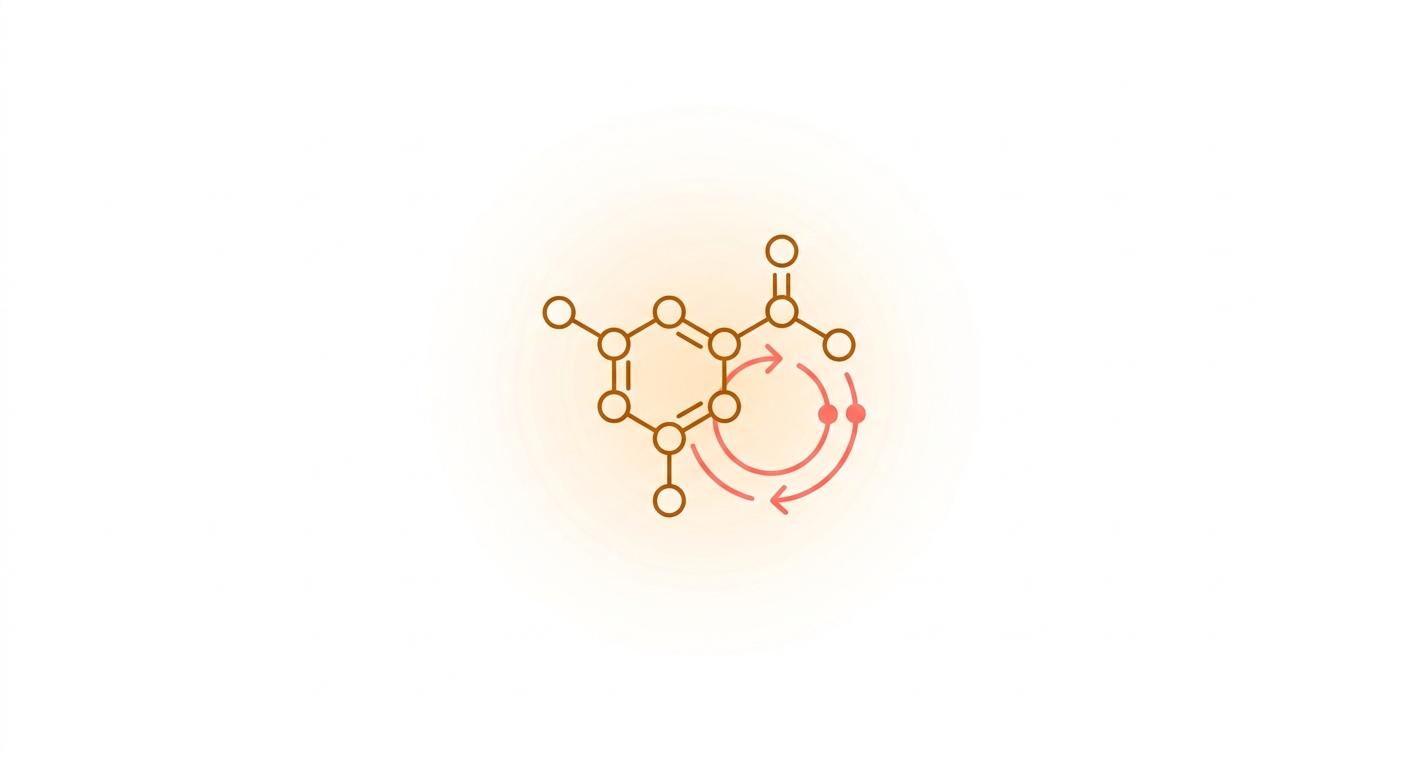
Homocysteine
Homocysteine is an amino acid intermediate of methionine metabolism. Safely processed with vitamin B12, folate, and vitamin B6 as cofactors but accumulates in deficiency. Elevated homocysteine is a risk factor for cardiovascular disease, cognitive decline, and bone health. Normalization possible through B-vitamin matrix supplementation via diet/supplements.
SCFA (Short-Chain Fatty Acids)
Short-chain fatty acids (SCFA) are fatty acids with fewer than 6 carbons generated when gut microbiota ferment dietary fiber. Butyrate (C4), propionate (C3), and acetate (C2) are major forms. Multi-target functions including colonocyte energy source, mucosal protection, immune balance, and gut-skin/brain axis signaling. Fermentable dietary fibers and resistant starch stimulate SCFA production.

HPA Axis and Cortisol Diurnal Rhythm — The 24-Hour Neuroendocrine Clock of Hypothalamus, Pituitary, and Adrenals
The HPA axis connects hypothalamus, pituitary, and adrenals into a neuroendocrine circuit creating 24-hour cortisol diurnal rhythm that governs waking, arousal, immunity, and metabolism. Normal: 18~20 μg/dL morning to 4~6 μg/dL midnight. Flattened curves mark burnout and chronic stress. Normal CAR (cortisol awakening response) +50%. Five-molecule recovery matrix.
Sex Hormone-Binding Globulin (SHBG)
SHBG is a liver-produced protein that binds testosterone and estradiol, controlling their activity. Low SHBG raises free hormones (PCOS, insulin resistance); high SHBG lowers free hormones (menopause, hyperthyroidism).
Burnout Syndrome (MBI Scale) — Workplace Mental Health on Three Axes of Exhaustion, Depersonalization, and Accomplishment
Burnout syndrome is a three-dimensional neuroendocrine-psychological state from chronic occupational stress. WHO ICD-11 occupational phenomenon. Diagnosed by MBI scale (emotional exhaustion, depersonalization, personal accomplishment). One in four Korean office workers test positive. Recovery on 5 axes: cortisol, HPA axis, DHEA, BDNF, HRV. Matrix of ashwagandha, rhodiola, holy basil, L-theanine, magnesium.
Diosgenin
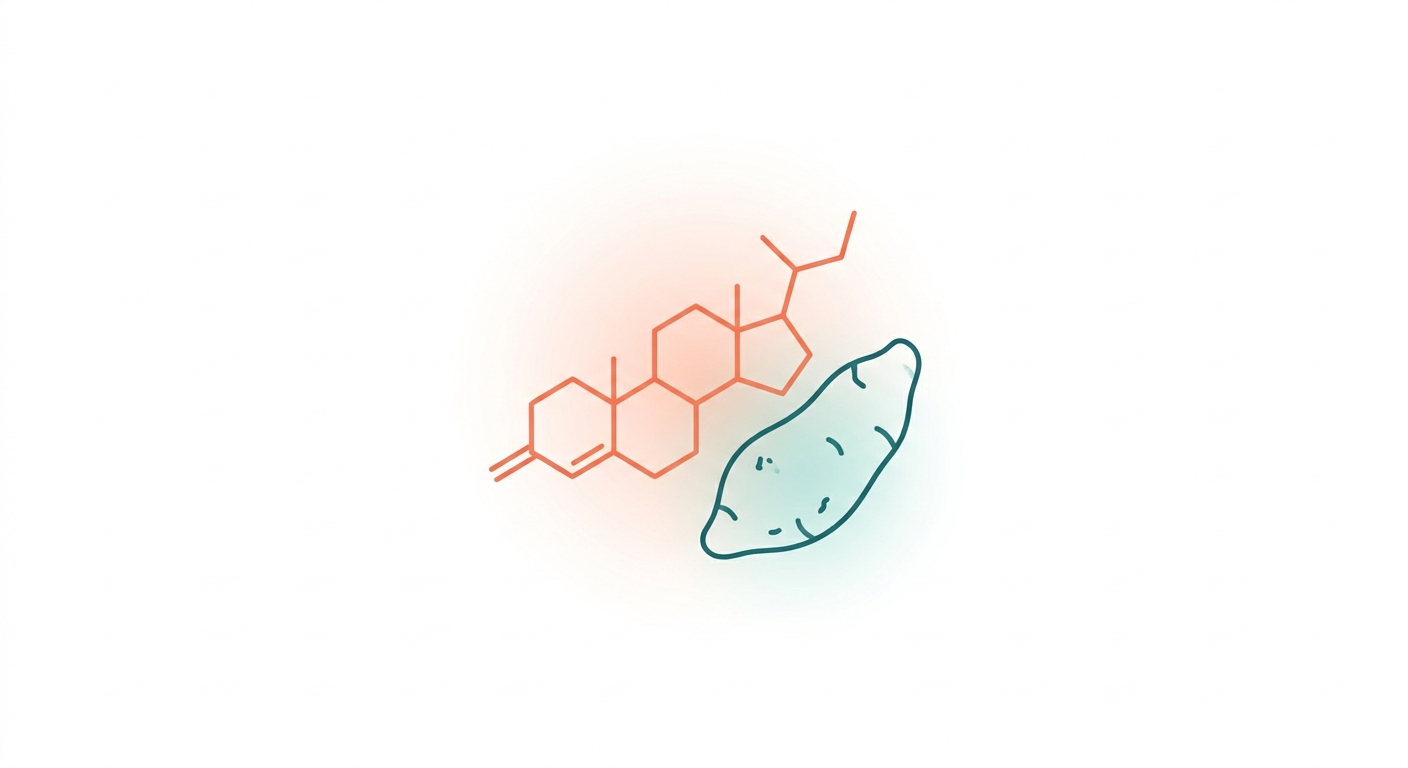
Diosgenin is a steroidal saponin extracted from wild yam and fenugreek. It was the industrial starting point for synthetic progesterone and cortisone in the 1940s, but the body does not perform this conversion.
Lycopene
Lycopene is the carotenoid pigment in tomatoes and red fruits/vegetables. A potent antioxidant 100x more effective than vitamin E for singlet oxygen scavenging. A 121-cohort meta-analysis validated dietary lycopene intake's inverse association with prostate cancer risk. Cooked tomatoes (sauce, paste) have superior absorption. Absorption enhanced with fat.
L-Carnitine
L-carnitine is a molecule that transports long-chain fatty acids into mitochondria. A conditionally essential nutrient that the body can synthesize. Used for exercise recovery (reduced muscle damage markers), endurance, and cognitive support. L-carnitine tartrate (LCLT) targets exercise recovery, acetyl-L-carnitine (ALCAR) targets cognition. Vegetarian populations have higher deficiency risk.
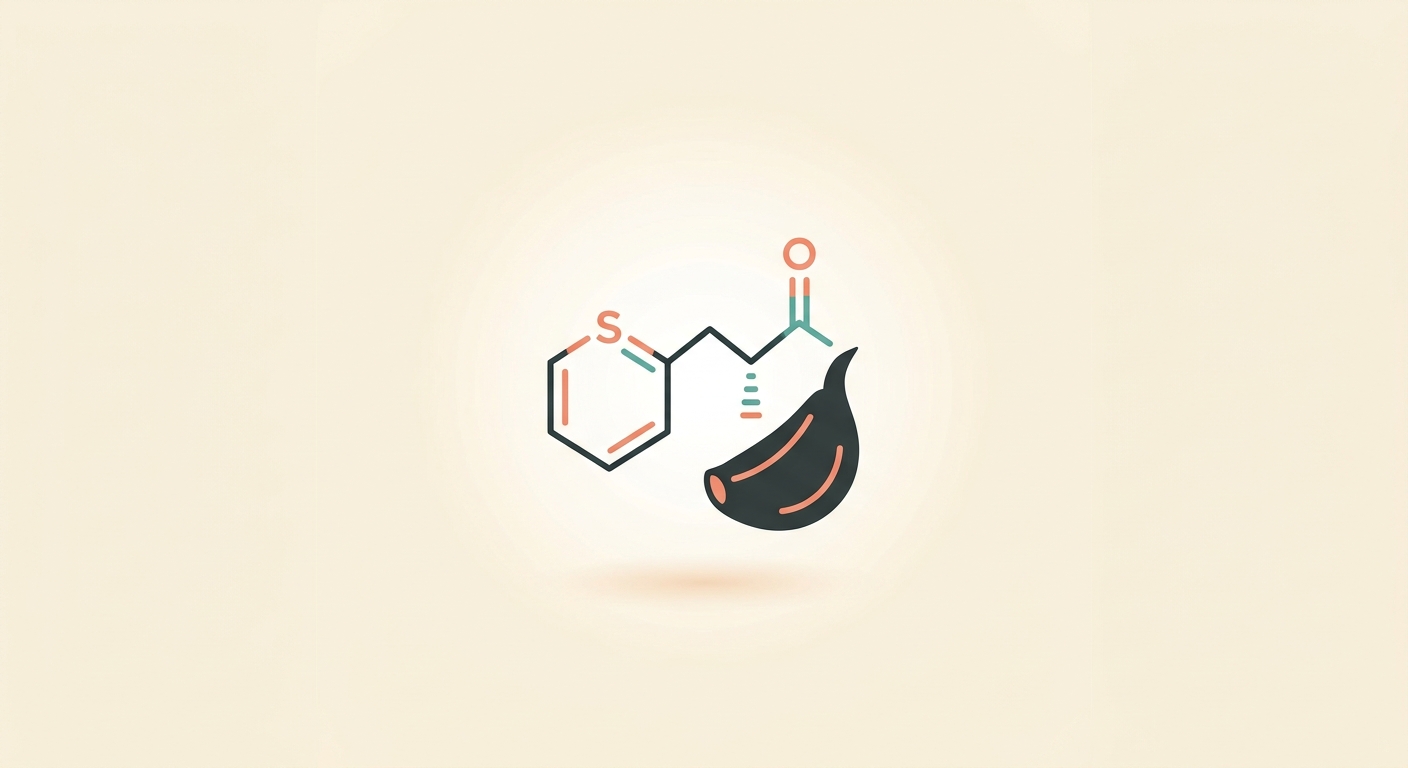
S-Allyl Cysteine (SAC)
S-Allyl Cysteine is the core active compound in black garlic and aged garlic extract. Stable, water-soluble, and bioavailable, it preserves cardiovascular, LDL, and antioxidant benefits without raw garlic's irritation and odor.
Chlorophyll
Chlorophyll is the green pigment of plants and algae, central to photosynthesis. Its magnesium-centered structure resembles hemoglobin (iron-centered), earning the 'green hemoglobin' nickname. Supports antioxidant action, detoxification, body and breath odor.
Hypochlorhydria (Low Stomach Acid)
Hypochlorhydria is insufficient stomach acid (HCl) secretion. Common in 50+ but missed in the PPI era. Multi-target: protein digestion·B12·iron·mineral absorption deficiency, post-meal gas·sleepiness·chronic constipation·SIBO·autoimmune thyroid.
NF-κB, the Master Switch of Inflammation
NF-κB is a transcription factor regulating nearly all inflammation genes (IL-6, TNF-α, COX-2). Chronic activation is the molecular pathway of chronic low-grade inflammation. Curcumin, resveratrol, EGCG block NF-κB.
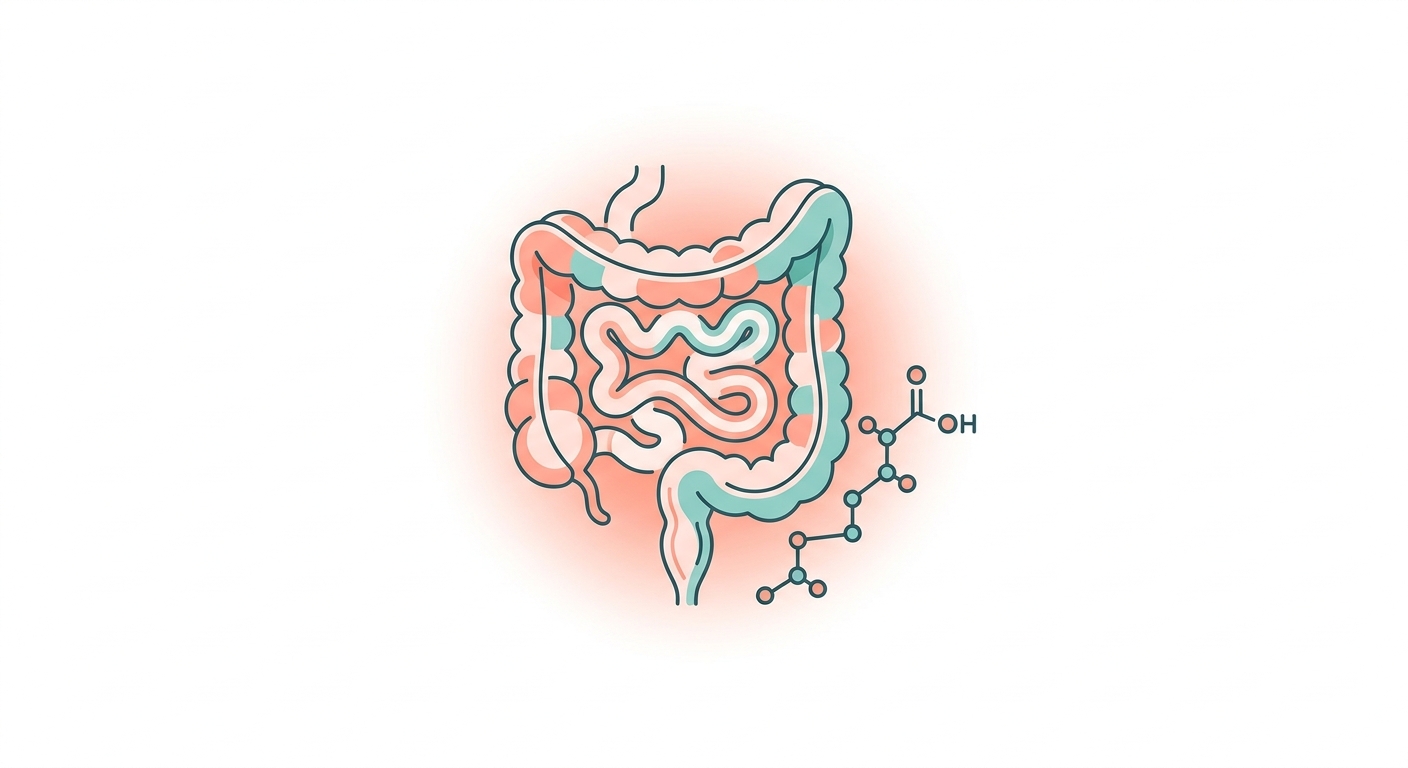
Butyrate and Tributyrin
Butyrate is a short-chain fatty acid (SCFA) produced when gut bacteria ferment dietary fiber. Primary energy source for colon mucosa cells, central role in gut mucosa restoration·anti-inflammation·immune regulation. Tributyrin is the absorption-superior postbiotic form.
hsCRP, the Measurable Marker of Asymptomatic Chronic Inflammation
hsCRP (high-sensitivity C-reactive protein) is the standard blood marker for chronic low-grade inflammation. Above 2 mg/L signals increased cardiovascular, diabetes, and depression risk. Reducible by 42% via 12-week matrix.

PRP (Platelet-Rich Plasma)
PRP (platelet-rich plasma) is an autologous procedure option concentrating platelets from the patient's own blood. Rich in growth factors (PDGF, VEGF, IGF-1, EGF). Various indications including androgenetic alopecia, skin rejuvenation, joint pain, post-procedure recovery. Activation vs non-activation, concentration ratio, and injection depth are key variables for effect.

Silymarin
Silymarin is a flavonolignan complex extracted from milk thistle (Silybum marianum) seeds. A mixture of silybin, isosilybin, silychristin, silydianin. Used for non-alcoholic fatty liver disease (NAFLD) and chronic liver diseases through antioxidant, anti-inflammatory, and hepatocyte protection mechanisms. Low absorption makes Phytosome and other absorption-enhanced forms clinically superior.
Leukotriene
Leukotrienes are potent inflammatory and allergic mediators produced by leukocytes. LTC4, LTD4, LTE4 drive bronchoconstriction in asthma and nasal congestion in rhinitis. Butterbur and omega-3 are natural modulators.

Mucilage
Mucilage is a plant polysaccharide that swells in water to form a viscous gel. Abundant in marshmallow root, mullein, aloe, and flaxseed, it directly coats mucosa to support dry cough, sore throat, and GERD.
Methylglyoxal (MGO)
Methylglyoxal (MGO) is the core antimicrobial compound in manuka honey. Dihydroxyacetone (DHA) from manuka tree flowers converts to MGO during ripening. UMF/MGO grades indicate antimicrobial strength.
Andrographolide
Andrographolide is the core active in andrographis. A diterpenoid lactone compound with potent NF-κB inhibition, immune modulation, and antiviral multi-targets. Standardization marker for Indian Ayurvedic and Chinese traditional immune herb.
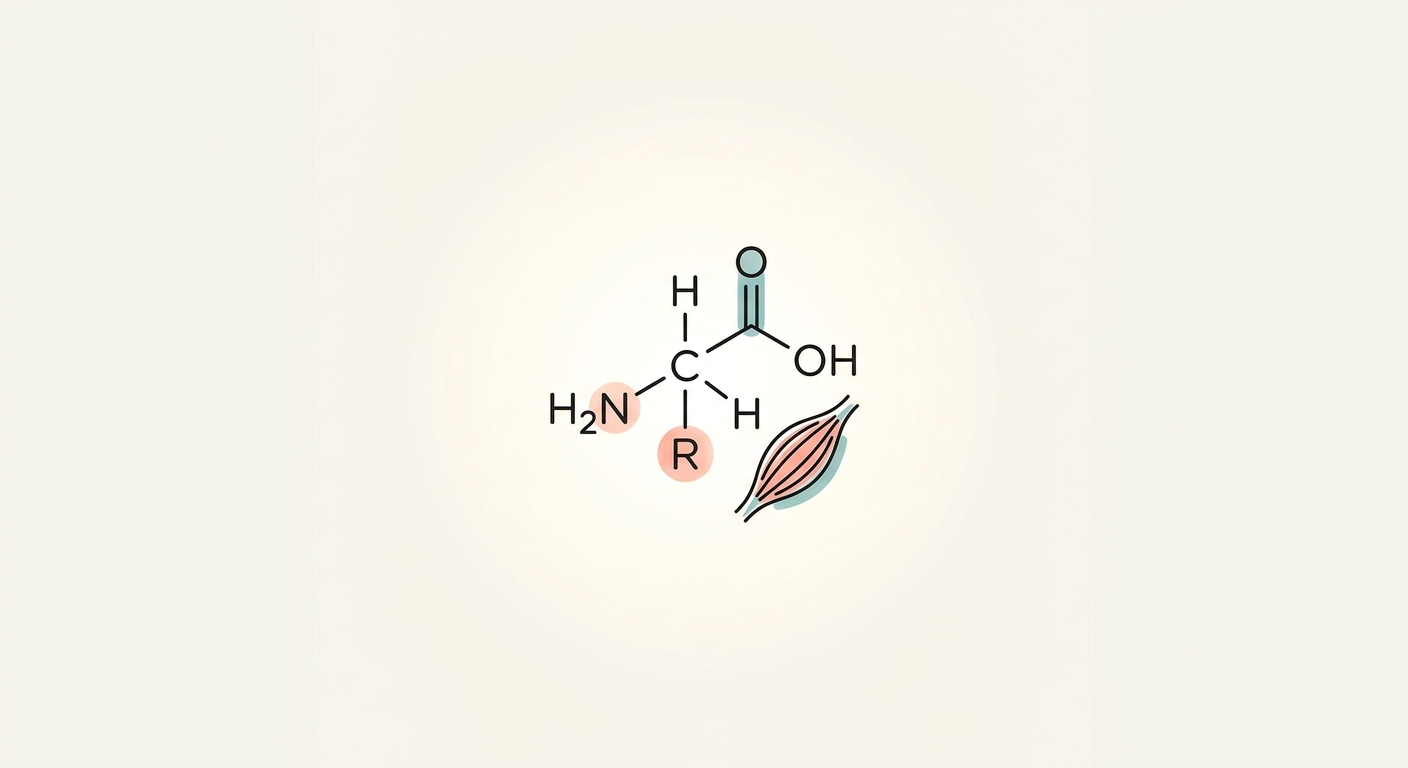
L-Glutamine
Glutamine is the most abundant amino acid in the body. Core fuel for immune cells, gut mucosa, and muscle. Adequate from regular diet, but becomes conditionally essential during intense exercise, trauma, or stress.
Anabolic Window
The anabolic window is the 30~60 minutes post-exercise period when protein synthesis was thought to be most active. Recent meta-analyses suggest that total daily protein intake and distribution matter more than this narrow window.
Withanolides
Withanolides are the core active molecule group in ashwagandha (Withania somnifera). 30+ types identified, with withanolide A and withaferin A among the best-studied. Standardized concentrations in commercial extracts (KSM-66 5%, Sensoril 8-10%, Zenroot 1.5%) are key variables for predicting clinical effect.
Thyroid Autoantibodies (TPO-Ab, TG-Ab, TRAb)
Thyroid autoantibodies attack the body's own thyroid tissue. TPO-Ab (Hashimoto's), TG-Ab (Hashimoto's adjunct), TRAb (Graves') are the three core diagnostic·tracking markers for autoimmune thyroid disease. Selenium·myo-inositol clinically validated for antibody reduction.
5'-Deiodinase and T4 → T3 Conversion
5'-Deiodinase converts T4 (inactive) to T3 (active). 80% of T3 is converted in peripheral tissues. Selenium and zinc are cofactors. Even with normal T4, weak conversion is the core mechanism of clinical hypothyroidism.
GIP Receptor
The GIP (glucose-dependent insulinotropic polypeptide) receptor is the hormone receptor involved in post-meal insulin secretion stimulation, fat metabolism, and appetite regulation. Tirzepatide's GLP-1 + GIP dual activation mechanism is the molecular clue for greater weight loss than single GLP-1 drugs (semaglutide).
VO2max (Maximal Oxygen Uptake)
VO2max is maximum oxygen body can use during exercise (mL/kg/min). Cardiorespiratory + mitochondrial function indicator. Powerful predictor of mortality/longevity/cognition/metabolism. HIIT + endurance + strength + adaptogens (eleuthero/cordyceps/rhodiola) support.
Bromelain
Bromelain is a cysteine protease enzyme matrix from pineapple stem and fruit. Multi-target: edema/pain/post-surgery recovery/anti-inflammatory/anticoagulant. GDU 2,400+ standardized between meals. Anticoagulant physician evaluation, avoid right before surgery.

SIRT1 (Sirtuin 1)
SIRT1 (Sirtuin 1) is an NAD+-dependent protein deacetylase and a key regulator of cellular aging mechanisms: DNA repair, mitochondrial biogenesis, autophagy, inflammation, and metabolic homeostasis. SIRT1 mediates part of calorie restriction and fasting effects. Resveratrol, pterostilbene, and NMN/NR are major activators.
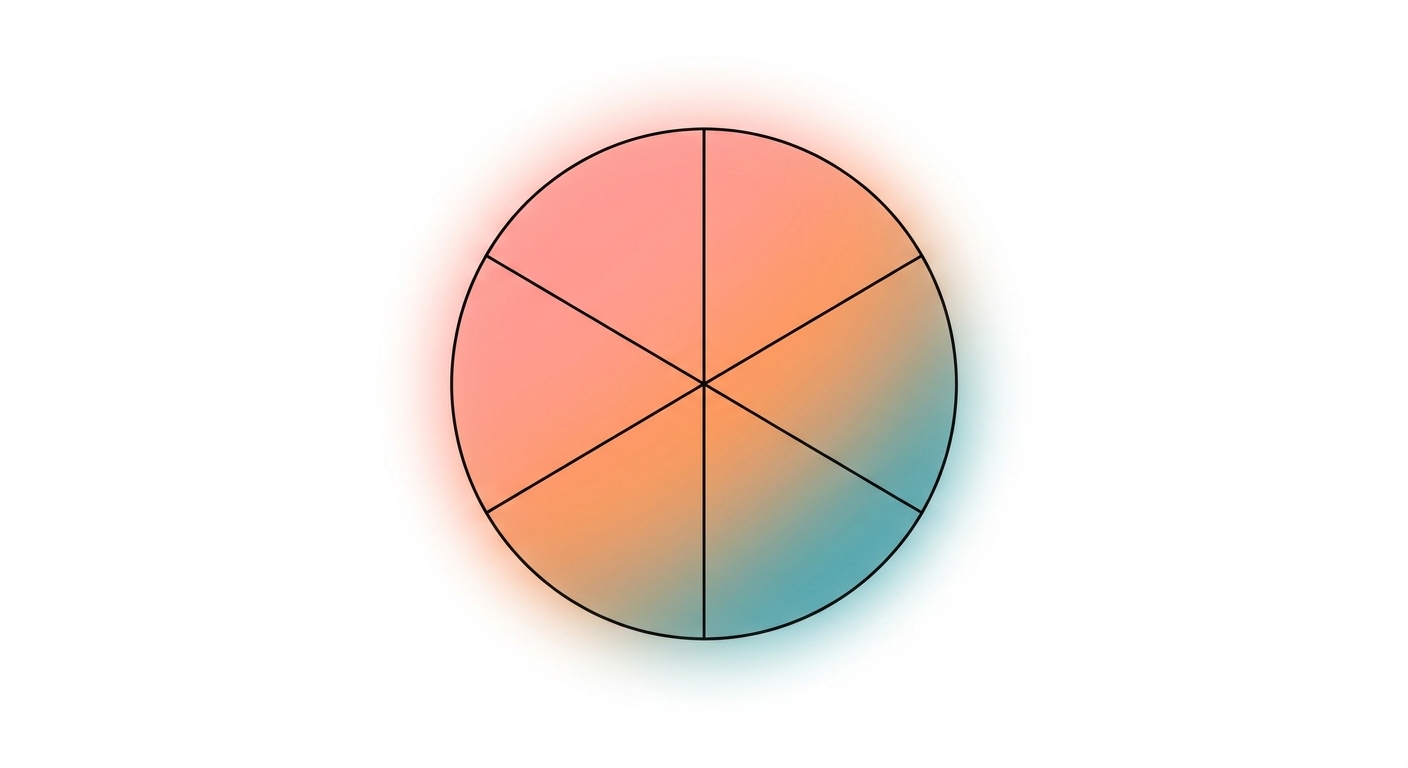
Fitzpatrick Skin Type
The Fitzpatrick skin type classification is a clinical standard dividing skin into 6 levels by UV response. It predicts photoaging risk, skin cancer risk, pigmentation patterns, and procedure response. The foundation for skin-tone precision in dermatology, addressing gaps in clinical trials of darker tones (IV-VI).
Proanthocyanidin (PAC)
Proanthocyanidins are condensed tannins of catechin monomers. A-type (cranberry, cinnamon) + B-type (grape seed, pine bark). Multi-target: bacterial adhesion blockade (UTI) + LDL oxidation prevention + vascular protection + antioxidant. Core of natural polyphenol matrix.
Histamine
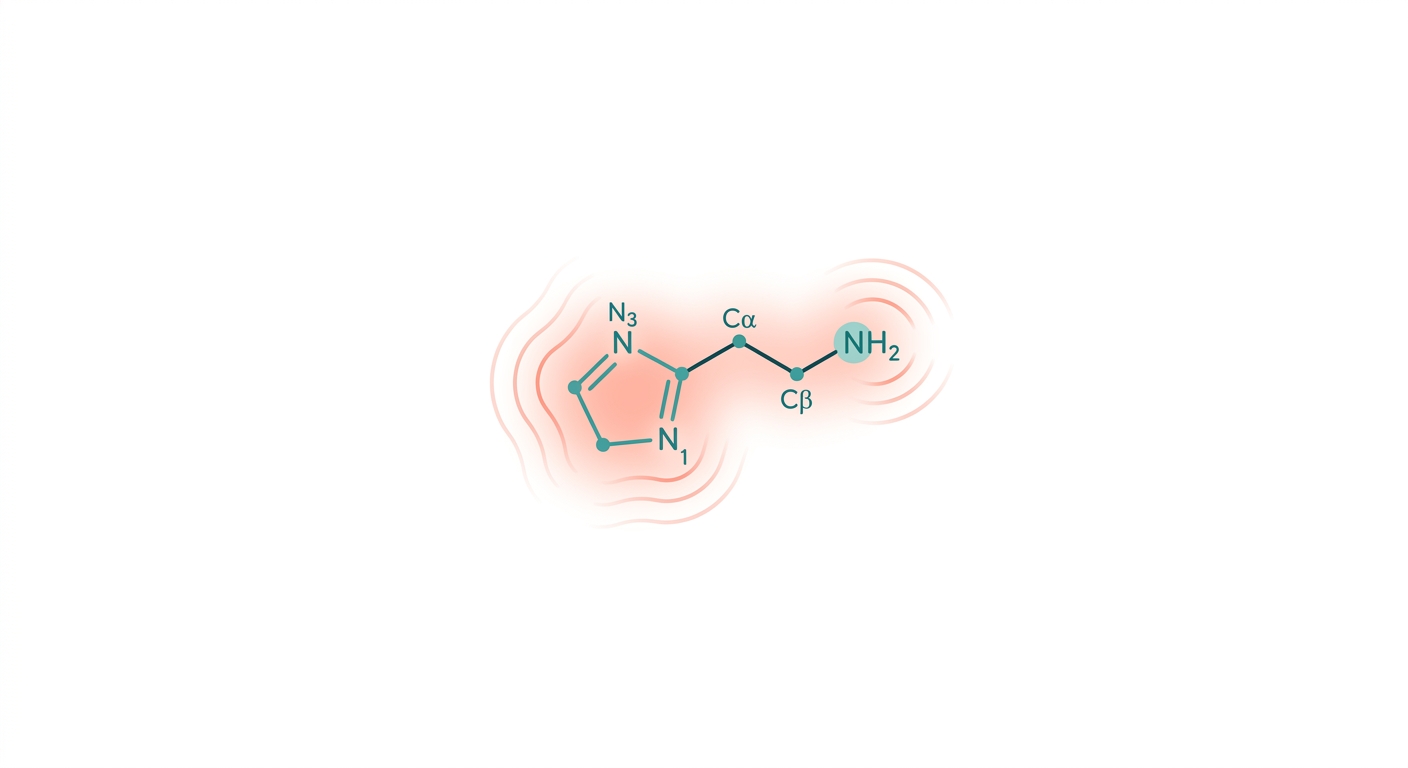
Histamine is a multi-function molecule of immunity/allergy/gastric acid/neurotransmission. Mast cells + eosinophils secrete. H1 receptor (allergy), H2 (gastric acid), H3 (nerve), H4 (immune). Antihistamines and natural options (quercetin/nettle/vitamin C) for support.

Redox Balance
Redox balance is the dynamic equilibrium between reactive oxygen species (ROS) and antioxidant systems. The fundamental mechanism behind fertility, aging, and chronic disease. The GSH/GSSG ratio is the most direct marker.

Mitochondrial Membrane Potential (MMP)
Mitochondrial membrane potential (MMP) is the voltage difference across the inner mitochondrial membrane and a direct marker of ATP-generation capacity. A core target across fertility, aging, and chronic fatigue. The most direct measure of fertility decline at 35+.

Gut-Skin Axis
The gut-skin axis is the bidirectional interaction between gut microbiome and skin health. Gut balance affects skin through immunity, hormones, and inflammation, while skin conditions reciprocally shape the gut environment. A new target for acne, rosacea, and atopic dermatitis.
Hydroxylysine·Hydroxyproline
Hydroxylysine and hydroxyproline are the core amino acids that determine collagen molecular stability and crosslinks. Vitamin C is cofactor for lysyl·prolyl hydroxylase enzymes — without it, hydroxylation halts and collagen synthesis stops.
Phytoestrogen
Phytoestrogens are plant compounds with chemical structure similar to human estrogen. Isoflavones (soy), lignans (flax/sesame), coumestans, phenols (fennel/hops). SERM action for menopause support, but avoid in hormone-dependent tumors.
Postprandial Glucose Dip
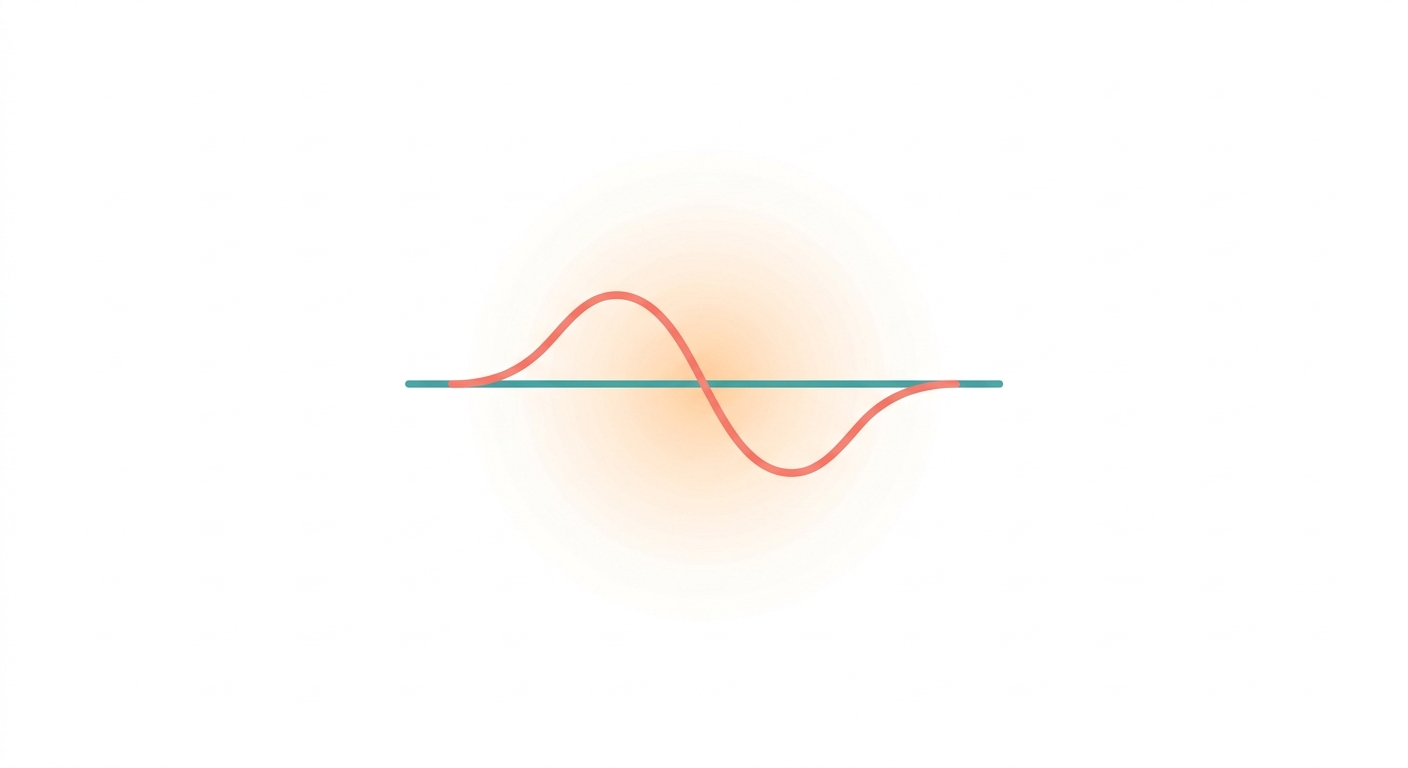
The postprandial glucose dip is when blood glucose drops below pre-meal levels 90-180 minutes after eating. It predicts increased appetite and higher next-meal energy intake, making it a behavioral variable and a core CGM-era self-tracking metric.

Honokiol
Honokiol is a biphenol compound extracted from magnolia bark (Magnolia officinalis). Direct GABA-A receptor activation for non-dependence sleep/anxiety support. Multi-target antioxidant + anti-inflammatory + neuroprotection. Core active of 2,000+ year traditional houbo. Avoid combination with benzodiazepines/alcohol.

Undenatured Type II Collagen (UC-II)
Undenatured Type II Collagen (UC-II) is Type II collagen extracted at low temperature and pressure from chicken sternum cartilage, preserving its native molecular form. The mechanism differs fundamentally from hydrolyzed collagen peptides — not a synthesis substrate, but an immune signaling molecule via oral tolerance.

Methylation Cycle
The methylation cycle is the core metabolic pathway in which methionine, SAM-e, SAH, and homocysteine cycle to deliver methyl groups to DNA, neurotransmitters, lipids, and hormones. Foundation of aging clocks, cognition, mood, cardiovascular health, and detox.
Glucuronidation
Glucuronidation is the Phase II conjugation reaction in which the liver attaches glucuronic acid to hormones, drugs, and toxins for biliary or urinary excretion. The most extensive detox pathway for estrogen and drug metabolism.
HbA1c (Glycated Hemoglobin)
HbA1c is the percentage of glucose bound to red blood cell hemoglobin. Objective marker of last 2~3 months average blood sugar. <5.7\% normal, 5.7~6.4\% prediabetes, 6.5\%+ diabetes. Diet + exercise + berberine/gymnema/inositol natural support.

Polyphenol
Polyphenols are plant chemicals with multiple hydroxyl (-OH) groups. 8,000+ types. Multi-function antioxidant + anti-inflammatory + microbiome support + signaling molecules. Flavonoids, phenolic acids, stilbenes, lignans, tannins. Dietary matrix more effective than supplements.

Critical Window Hypothesis
The critical window hypothesis holds that menopausal hormone therapy (MHT) effects depend heavily on initiation timing. Around-menopause or early-start MHT shows neuroprotective effects, while initiation 5-10+ years later may have no benefit or signal risk. KEEPS, ELITE trials, and multiple observational studies consistently support it.
Myostatin (GDF8)
Myostatin (GDF8, growth differentiation factor 8) is a signaling protein that suppresses muscle growth. Blocking myostatin allows muscle mass to increase, a mechanism consistently demonstrated in animal models. It is the target of bimagrumab, a drug being developed to address muscle loss in the GLP-1 era.
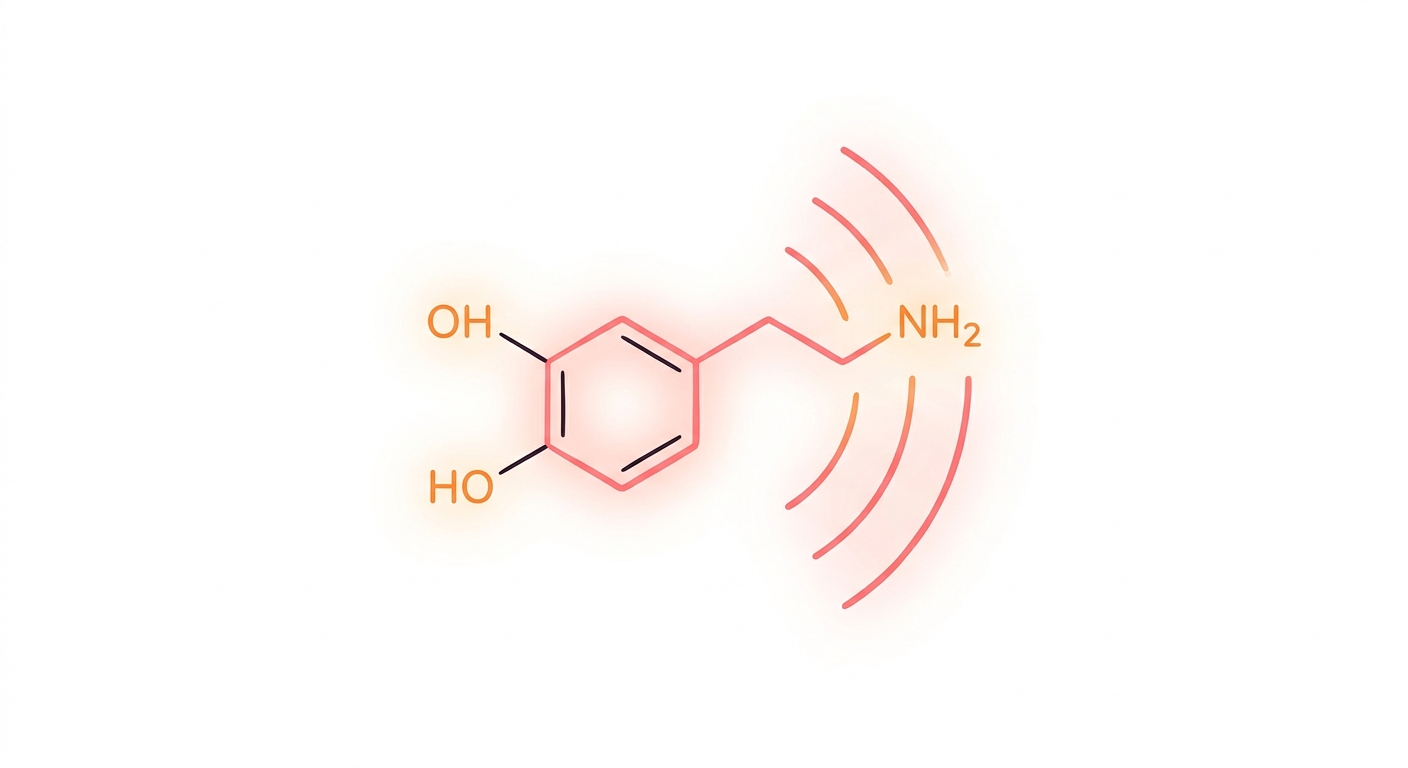
Dopamine
Dopamine is a neurotransmitter. Multi-function modulating motivation, reward, motor control. Tyrosine → L-DOPA → dopamine synthesis pathway. Parkinson's disease drug target. Exercise + sunlight + protein diet + mucuna/tyrosine/vitamin B6 support natural synthesis.

Glucomannan
Glucomannan is soluble dietary fiber from konjac corm. Water absorption 50x own weight. Stomach swelling for satiety + postprandial glucose stabilization + cholesterol reduction. EFSA-certified weight loss effect. 1~3g 30 min before meal + sufficient water.

Trifarotene: A Fourth-Generation Retinoid With Selective RAR-Gamma Stimulation
Trifarotene is Galderma's prescription acne treatment, the fourth-generation retinoid that selectively stimulates the RAR-gamma receptor. Sold as 50μg/g cream (AKLIEF), it is the first topical retinoid with both facial and truncal acne indications. A representative case of refining toward maintained efficacy with reduced skin irritation.

Grip Strength: A Five-Minute Measurement That Predicts Late-Life Mortality Risk
Grip strength is a simple muscle metric measured by hand dynamometer, but population cohort data shows strong association with mortality risk. The OPACH cohort published in JAMA Network Open February 2026 followed 5,472 women aged 63-99 over 8.3 years. The top grip group had 33% lower mortality risk than the bottom.
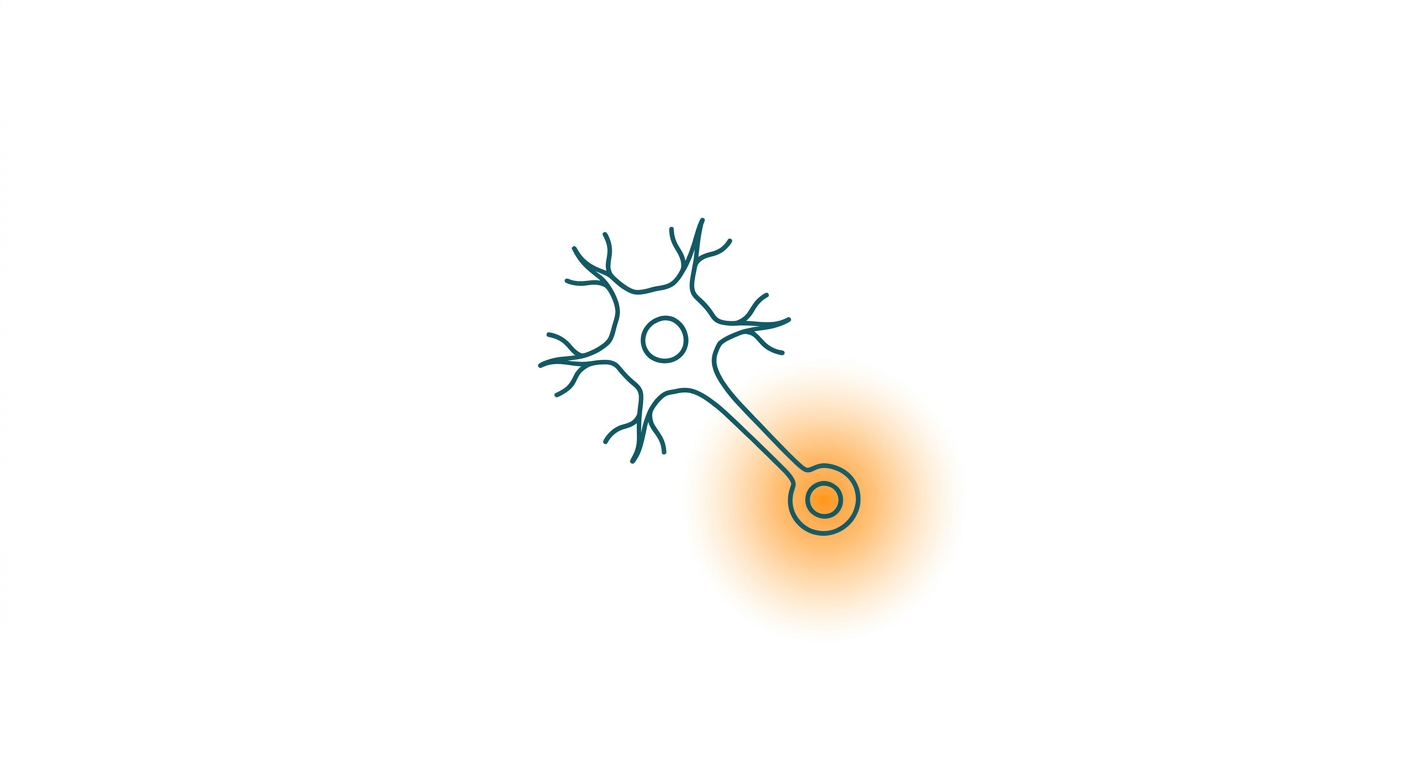
Neurokinin Receptor (NK Receptor): The New Target for Menopausal Hot Flashes
NK1 and NK3 receptors act on the hypothalamic KNDy neuron circuit governing temperature regulation. Estrogen decline pushes this circuit into hyperactivity, producing menopausal hot flashes. Elinzanetant, the first dual NK1/NK3 antagonist, achieved 73% reduction in Phase 3.
Cell Adhesion: The New Axis of 'Same Age, Less Aged Skin'
Cell adhesion is the protein system controlling how keratinocytes, fibroblasts, and other skin cells bond to each other and to the extracellular matrix. The new tissue-level variable separating exceptional skin agers from peers, spotlighted by Olay at AAD 2026.
Gas6 Protein
Gas6 (Growth Arrest-Specific 6) is a vitamin K-dependent protein activated by carboxylation. It supports nervous system protection, neuromuscular junction function, anti-inflammation, and vascular health. Gas6 is a key mechanism clue for vitamin K2's effect on age-related neuromuscular recovery.

HOMA-IR: The Clinical Standard Index Reading Insulin Resistance in One Number
HOMA-IR (Homeostatic Model Assessment of Insulin Resistance) quantifies insulin resistance using two measurements: fasting insulin and fasting glucose. Below 1.0 is normal, above 1.5 signals concern. The October 2025 inositol meta-analysis of 898 patients in 18 RCTs reported -1.21 improvement, establishing HOMA-IR as a core metric for measurable metabolic health.
Hair Follicle Stem Cell: From Dormancy to Reactivation, the New Target for Hair Regeneration
Hair follicle stem cells reside in the bulge region as multipotent cells that activate at anagen entry to produce new hair. With androgenetic alopecia and aging, some stem cells fall into dormancy. Pelage Pharmaceuticals' PP405, a first-in-class drug reactivating dormant stem cells, enters Phase 3 in 2026.

Electromechanical Delay (EMD)
Electromechanical delay (EMD) is the time gap between a neural signal reaching a muscle and the actual force being generated. It lengthens with age and is a key indicator of fall risk and neuromuscular recovery speed.

What Is HSDD? The Most Reported Sexual Function Change in Menopausal Women
Hypoactive Sexual Desire Disorder (HSDD) is a medical diagnosis for personally distressing sexual desire decline. Approximately 12-14% of menopausal women meet diagnostic criteria. Treatment options include hormone therapy (estrogen, testosterone), non-hormonal drugs (flibanserin), and behavioral therapy.
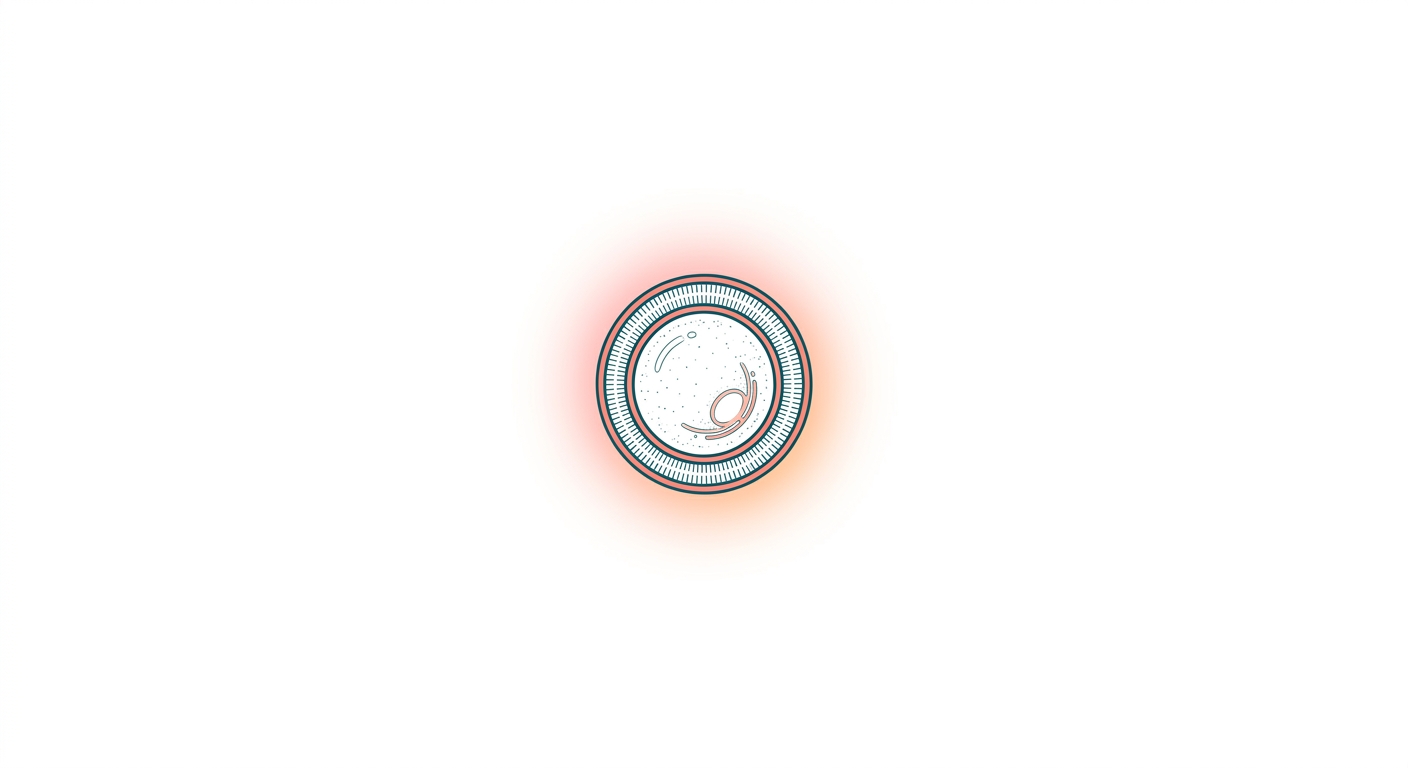
What Is a Niosome? The Next-Generation Precision Carrier in Topical Skincare
Niosomes are 30-500nm vesicles built from non-ionic surfactants and cholesterol that encapsulate active ingredients for precise dermal delivery. Functionally similar to liposomes but with better stability and shelf life, they are becoming the next-generation standard in melasma, acne, and anti-aging topicals.
What Is the DUTCH Test? Precision Hormone Testing That Maps Metabolites Together
DUTCH (Dried Urine Test for Comprehensive Hormones) collects four urine samples over 24 hours to measure estrogen, progesterone, androgens, cortisol, and their metabolite patterns simultaneously. It complements standard blood hormone tests in perimenopause assessment, HRT monitoring, and PCOS management.

What Is a Plant Exosome? A New Topical Anti-Aging Category Beyond Animal-Derived
Plant exosomes are 30-150nm vesicles secreted by plant cells, extracted from sources like apple, ginseng, and turmeric. They bypass the immunogenicity and supply concerns of animal stem-cell exosomes, with Symrise Cellexora MD launching at in-cosmetics Global April 2026.

What Is Estrogen Metabolism? The 2-OHE1 vs 16-OHE1 Two-Path Story
Estrogen breaks down in the liver along two main paths. The ratio of protective 2-OHE1 to proliferative 16-OHE1 shapes hormonal balance, and DIM supplementation has been shown to nudge this ratio in the protective direction.
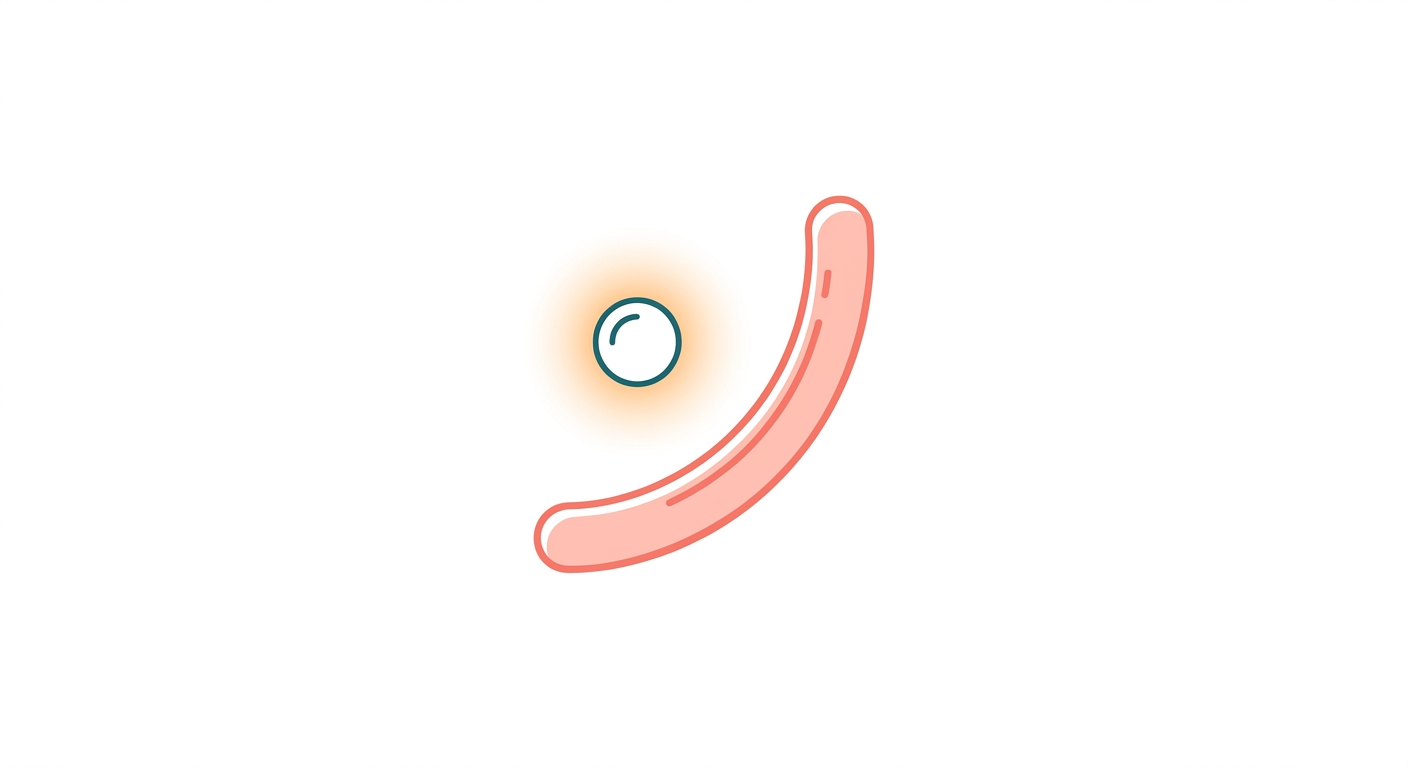
What Is Akkermansia muciniphila? The Mucin-Loving Next-Generation Probiotic
Akkermansia muciniphila lives in the gut mucus layer, maintaining barrier thickness, suppressing leaky gut, and showing inverse correlations with obesity, diabetes, and aging. Its rise after OEA supplementation positions it as a leading next-generation probiotic candidate.
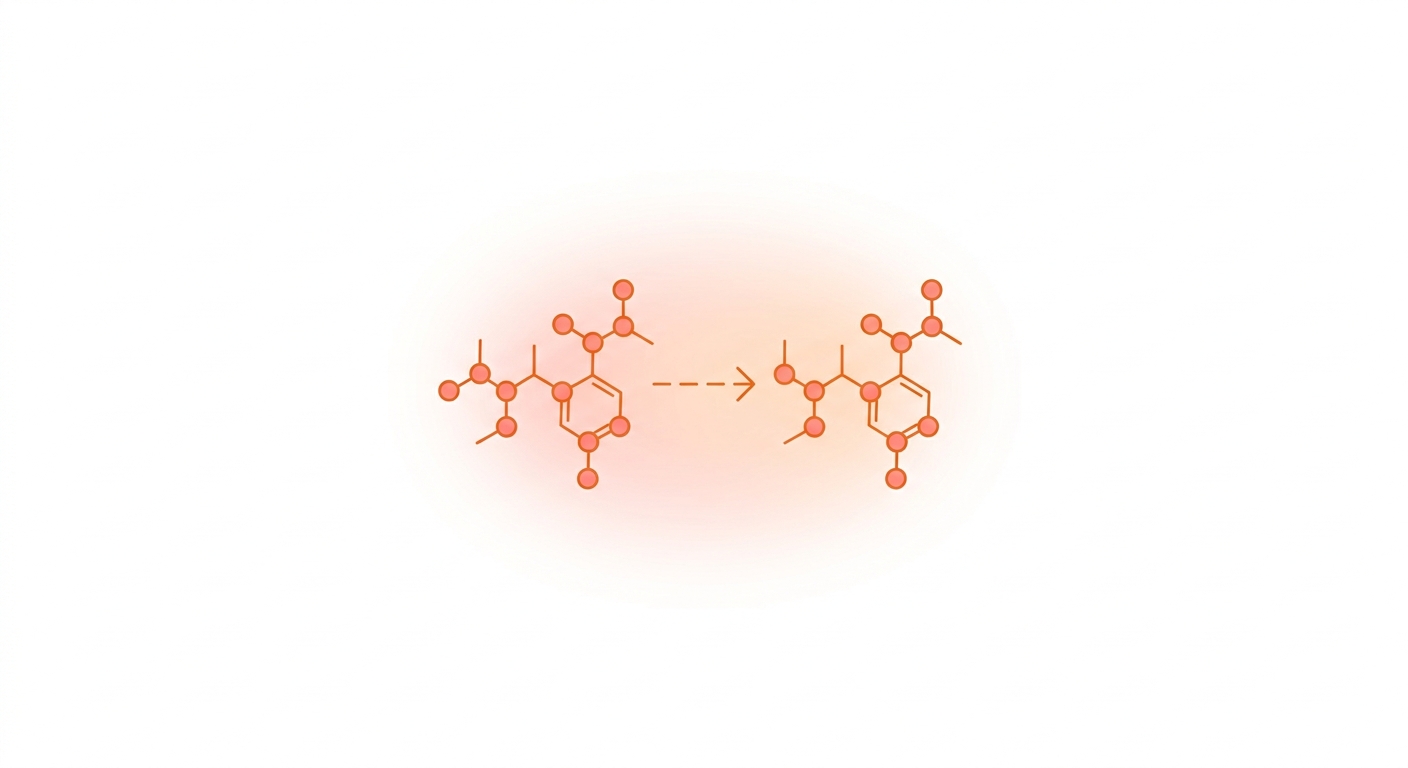
Ubiquinol vs. Ubiquinone: What Sets Them Apart, and Who Benefits Most
Ubiquinol is the reduced, active form of CoQ10 with superior absorption. After 40, your body converts less ubiquinone to ubiquinol — and statins make the gap wider.

What Is HRV? Heart Rate Variability and What Wearables Actually Measure
HRV measures the variation between heartbeats as a window into autonomic nervous system balance. Low resting HRV can signal chronic stress, while fast post-exercise recovery reflects parasympathetic strength.
What Is SASP? The Secretory Profile of Senescent Cells and Chronic Inflammation
SASP is the mixture of cytokines and proteins released by senescent cells that spreads inflammation and accelerates aging. Senolytics like fisetin and quercetin target this pathway.

HRT Explained: Menopause Hormone Therapy and the 2025 Paradigm Shift
HRT (Hormone Replacement Therapy) replenishes estrogen and progesterone around menopause. When the FDA removed its black-box warning in November 2025, it marked the first major consensus shift in 21 years.
Calcium Paradox: Why Your Bones Lose Calcium While Your Arteries Calcify
The Calcium Paradox describes a condition where bone density declines while calcium deposits accumulate in blood vessels. Vitamin K2, MGP, and magnesium are the key mediators.

What Is the Gut-Brain Axis? Vagus Nerve, Microbiome, GABA and Serotonin
The gut-brain axis is a bidirectional communication system connecting the gut and brain via the vagus nerve, immune mediators, and microbial metabolites. Around 90% of serotonin is synthesized in the gut.
EGCG: How Green Tea's Most Potent Catechin Defends Skin
EGCG (epigallocatechin gallate) is the most abundant and biologically active catechin polyphenol in tea, with proven action across UV defense, collagen synthesis, and DNA methyltransferase inhibition. White tea preserves it best.
What Is AMPK? The Metabolic Master Switch and 4 Natural Activators
AMPK is an enzyme that detects cellular energy deficits and is the primary target of metformin. Salidroside, berberine, quercetin, and resveratrol share the same activation circuit.
What Is Low Molecular Weight Collagen Peptide? The Meaning of 1kDa and Its Difference from Standard 5kDa Collagen
Low molecular weight collagen is collagen peptide broken down to 1kDa (1,000Da) or below. Gly-Pro dipeptides are detectable in the bloodstream and signal fibroblasts to synthesize new collagen.
What Is Choline? Alpha-GPC, CDP-Choline, Phosphatidylcholine and Brain-Liver Function
Choline is an essential nutrient for cell membranes and neural signaling. Alpha-GPC, CDP-choline, and choline bitartrate each take different pathways to the brain. The RDA for pregnant women is 450mg daily.
Time in Range (TIR): The New Baseline for CGM Users
Time in Range measures how long blood glucose stays between 70-180mg/dL. For people with diabetes, the target is 70%+. For metabolically healthy adults, emerging data suggests 87%+ as a reference point.
What Is FSH? The Follicle-Stimulating Hormone and At-Home Testing for Perimenopause
FSH is a hormone released by the pituitary gland that governs ovarian function. During perimenopause it rises above 25 IU/L, making it the core marker in at-home hormone test kits.

Vaginal Microbiome: How Lactobacillus Protects Women's Health
The vaginal microbiome is a living ecosystem in the female reproductive tract. When Lactobacillus dominates, it maintains a pH below 4.5 and shields against infection. Menopause is the most disruptive force it faces.

What Are Carotenoids? How Plant Pigments Protect Skin and Eyes
Carotenoids are pigment compounds plants produce to protect themselves from light damage. In the human body, they accumulate in the skin and eyes, where they provide antioxidant and photoprotective effects, but each form works differently depending on where it concentrates.
What Is Recombinant Collagen? How It Differs from Animal and Low-Molecular Collagen
Recombinant collagen is human-identical collagen produced by inserting human collagen genes into yeast or bacteria. Here's how precision fermentation works, and how it compares to animal-derived and low-molecular collagen.

Citicoline (CDP-Choline): Memory, Attention, and Brain Phospholipid Renewal
Citicoline (CDP-choline) breaks down into choline and cytidine, simultaneously supporting acetylcholine synthesis and brain membrane phospholipid renewal. A 500mg, 12-week RCT showed significant improvements in episodic memory and attention.
Telomere: The Protective Cap That Tracks Your Biological Age
Telomeres are DNA caps at chromosome ends that shorten with every cell division, serving as a biological age marker. Chronic stress, UV exposure, and poor sleep accelerate the erosion.
What Is a Hot Flash? Causes, Duration, and Hormonal vs. Non-Hormonal Options
Hot flashes are vasomotor symptoms experienced by 70–80% of women around menopause, triggered when the hypothalamus's thermoregulatory circuit overreacts to declining estrogen.
What Is a Topical Probiotic? How 'Skin-Applied' Live Bacteria Actually Work
Topical probiotics apply live microbes directly to skin in an attempt to reshape the skin microbiome. Unlike oral probiotics that act through the gut-skin axis, topical probiotics act at the surface through direct competition for space and resources.
What Is the Estrobolome? The Gut Microbes That Recycle Estrogen
The estrobolome is the subset of gut microbes that carry beta-glucuronidase, an enzyme that reactivates estrogens the liver had inactivated and excreted. The activity level of this pathway directly affects how fast estrogen declines during menopause.

What Is the Skin-Brain Axis? The Scientific Path Stress Takes to Your Skin
The skin-brain axis describes the bidirectional signaling between the central nervous system and the skin. Cortisol shifts sebum, inflammation, and collagen breakdown, while skin inflammation feeds back into mood and sleep via nerve signaling. It is the reason ingredients like saffron and magnesium bisglycinate are being reclassified as beauty supplements.
What Is Shilajit? The High-Altitude Resin That Touches Fatigue, Skin Perfusion, and Bone Density
Shilajit is a dark resin that seeps from rock crevices in high-altitude ranges like the Himalayas and Altai, formed over geological time from plant matter. A 14-week trial in women showed improvements in skin microcirculation and upregulation of VEGFA and TGF-beta-1 genes. A 2024 meta-review reported a 27% drop in fatigue and a 19% gain in stress resilience.
What Is Microcirculation? The Small Vessels Behind Skin Glow, Swelling, and Cellulite
Microcirculation is the flow through the smallest blood vessels (capillaries, arterioles, and venules) that deliver oxygen and nutrients deep into tissues and carry waste away. It connects skin tone, puffiness, cellulite visibility, and exercise recovery into one system.
What Is S-Equol? The Hidden Metabolite Your Gut Makes From Soy
S-equol is a metabolite that certain gut bacteria produce from the soy isoflavone daidzein. Much of the observed benefit of soy on menopause symptoms and skin aging may actually come from S-equol rather than from daidzein itself.
Leucine, The Branched Chain Amino Acid That Flips the Muscle Switch
Leucine is the branched chain amino acid that most strongly triggers muscle protein synthesis. The article covers the 2.5 to 3 g per meal leucine threshold, why GLP-1 users need to hit it, and why the requirement rises with age.
What Is Pentosidine? The Biomarker That Tracks Skin Turning Yellow and Stiff
Pentosidine is the reference marker for advanced glycation end-products in long-lived proteins like collagen and elastin, and the most widely used biomarker for the molecular side of skin aging.

What Is Oleuropein? The Strongest Polyphenol Hiding in Olive Leaves
Oleuropein is the signature polyphenol concentrated in olive leaves, known for protecting elastin, slowing glycation, and easing blood pressure at the same time.
Omega-7, The Fatty Acid Supporting Mucosal and Skin Barrier Lipids
Omega-7 palmitoleic acid comes from sea buckthorn and marine sources and helps maintain the lipid lining of skin and mucosal tissues including gut, vaginal, and ocular surfaces. How it differs from omega-3, current dosing evidence, and where it fits in ingestible beauty.
PDRN: The DNA-Based Ingredient for Skin Regeneration
PDRN (polydeoxyribonucleotide) is a highly purified short-chain DNA fragment derived from salmon. It activates fibroblasts, collagen synthesis, and anti-inflammatory pathways, with clinical evidence from Korean dermatology spanning injectable and topical applications.
Sulforaphane: The NRF2 Activator from Broccoli Sprouts
Sulforaphane is a phytonutrient found in cruciferous vegetables that activates NRF2, the master regulator of cellular antioxidant defense. Clinical evidence confirms its role in environmental toxin excretion and UV-induced skin protection.
Biostimulators: Next-Gen Fillers That Trigger Your Own Collagen Production
Biostimulators are injectable substances that stimulate fibroblasts to produce the skin's own collagen and elastin, rather than filling volume directly. Sculptra (PLLA), Radiesse (CaHA), and polynucleotides are the leading examples.

Ectoin: The Extremolyte Molecule That Shields Skin from Stress
Ectoin is an amino acid derivative synthesized by extremophilic microorganisms to survive UV radiation, desiccation, and extreme salinity. Its preferential hydration mechanism now has clinical evidence for protecting skin barrier from UV damage and urban pollution.

What Is Lion's Mane? The Mushroom That Stimulates NGF and Supports Wound Healing
Lion's Mane (Hericium erinaceus) produces two distinct bioactive compound groups, hericenones and erinacines, that stimulate nerve growth factor (NGF) synthesis. Its applications span cognitive support, wound healing, and immune modulation.
What Is Telomerase? The Enzyme That Extends Telomeres and Its Link to Biological Aging
Telomerase is a reverse transcriptase that extends telomeres, the protective structures at chromosome ends. Active in stem and germ cells but suppressed in most adult somatic cells, its reactivation by astragaloside IV and cycloastragenol is a subject of active longevity research.
Glycine: The Amino Acid at the Intersection of Sleep, Collagen, and Longevity
Glycine forms one-third of collagen's amino acid content, acts as an inhibitory neurotransmitter that reduces nighttime awakenings, and has been shown in a 2026 npj Aging study to lower biological age by 1.4 years. Three distinct pathways, one small molecule.
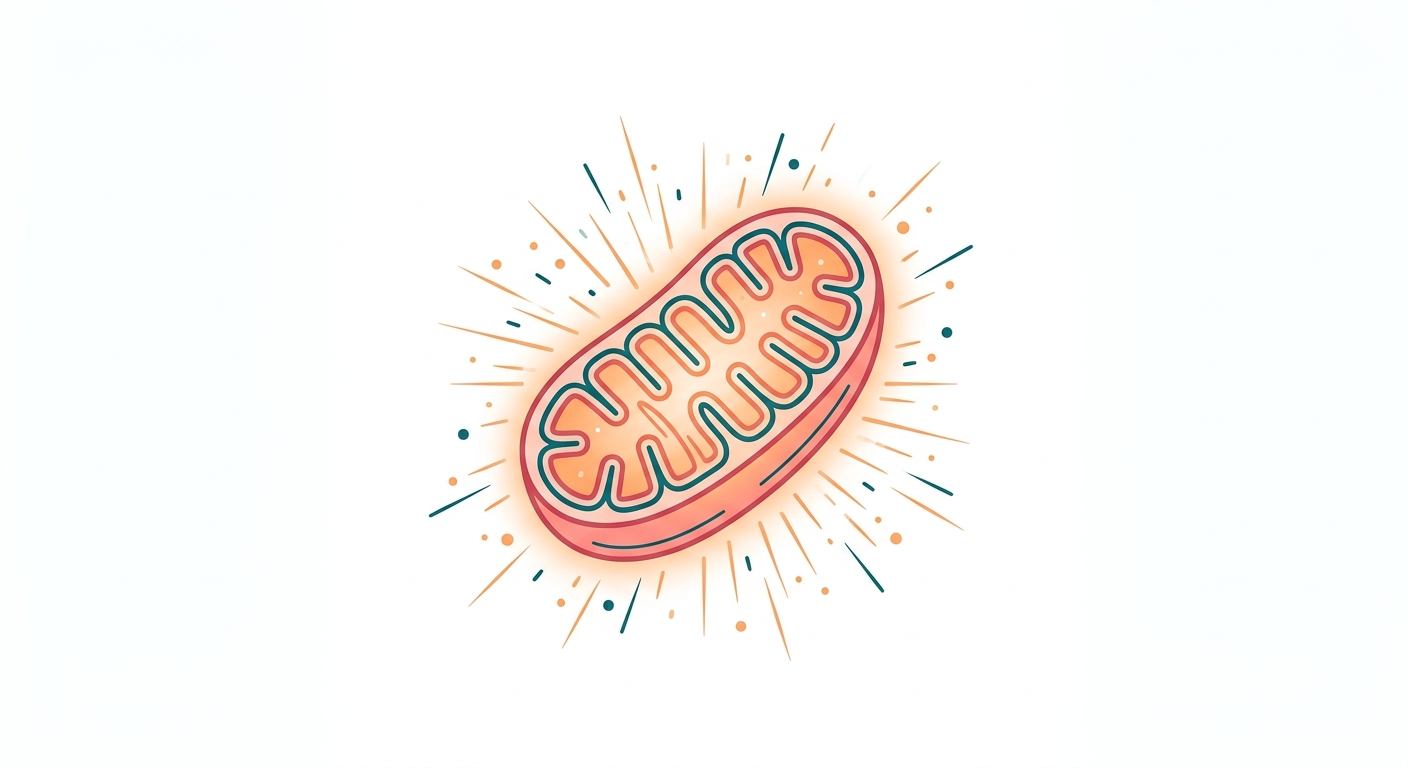
PQQ: The Nutrient That Regenerates Mitochondria
PQQ stimulates the creation of new mitochondria through the PGC-1α pathway, while CoQ10 improves the efficiency of existing ones. It also activates NGF, with growing evidence for cognitive benefits.
What Is PEA (Palmitoylethanolamide)? The Lipid That Calms Skin Inflammation Without Steroids
PEA is a naturally occurring fatty acid amide produced by the body that modulates the endocannabinoid system to reduce eczema and atopic dermatitis without steroids.
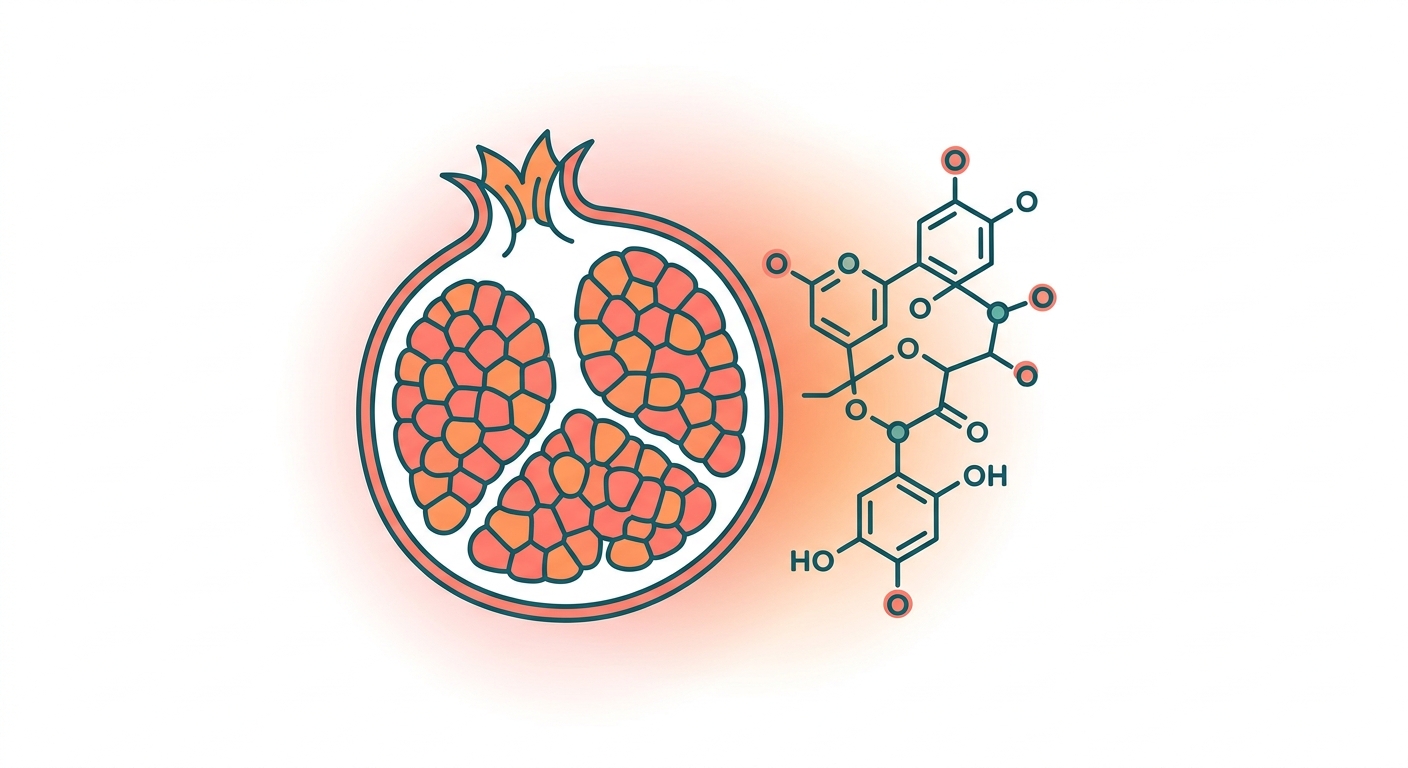
What Is Ellagic Acid? The Polyphenol That Protects Collagen from Pomegranate to Skin
Ellagic acid is a polyphenol found in pomegranate, berries, and walnuts that works through two pathways, inhibiting MMP enzymes that break down collagen and blocking tyrosinase to reduce pigmentation.
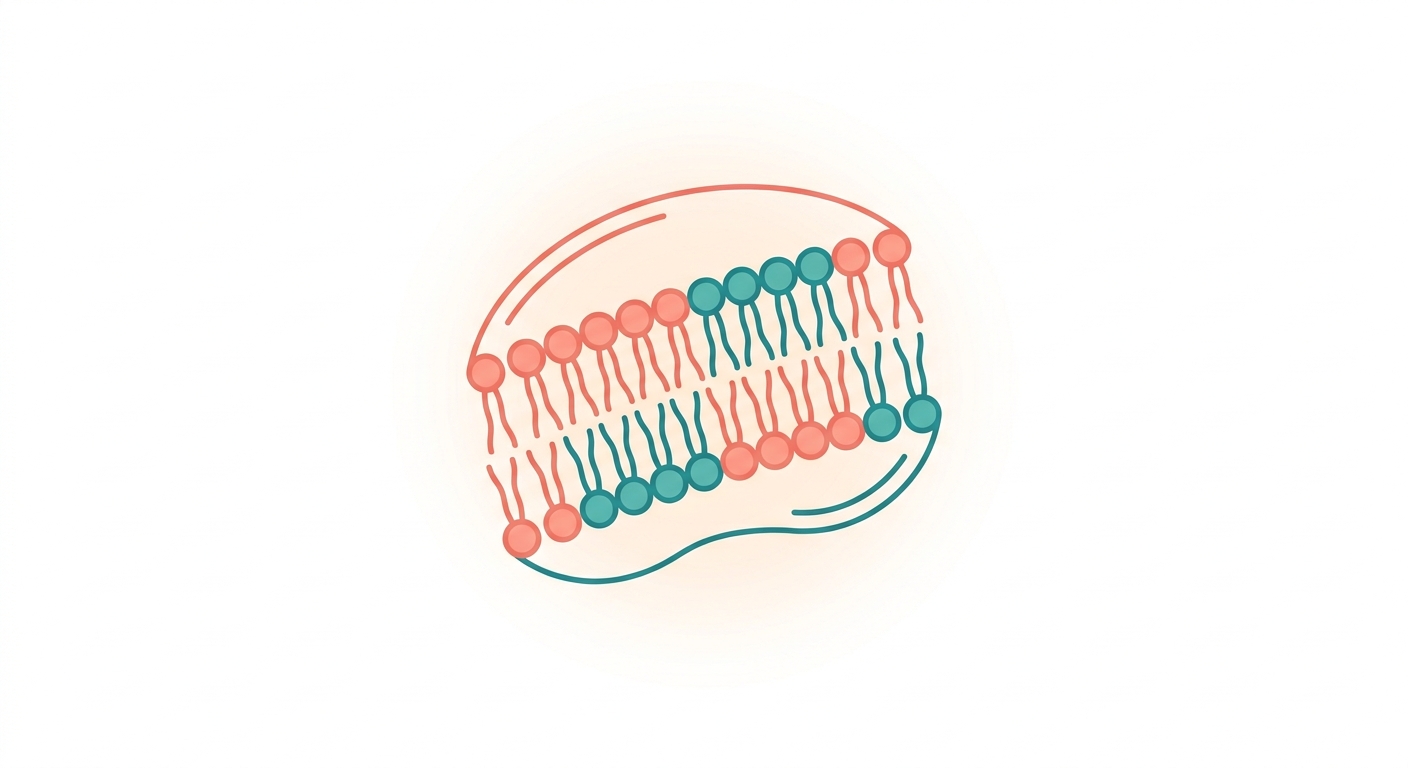
Phosphatidylserine, the Brain's Key Membrane Lipid and Stress Modulator
Phosphatidylserine (PS) makes up roughly 15% of brain phospholipids. This guide covers its roles in memory, cortisol regulation, and cognitive function, along with clinical dosing and practical intake guidelines.
SPMs, Molecules That Resolve Inflammation Rather Than Simply Suppress It
SPMs (Specialized Pro-Resolving Mediators) are derived from omega-3 fatty acids DHA and EPA. Instead of blocking inflammation, they actively clear it. This guide covers resolvins, protectins, maresins, and the clinical evidence for skin inflammation.
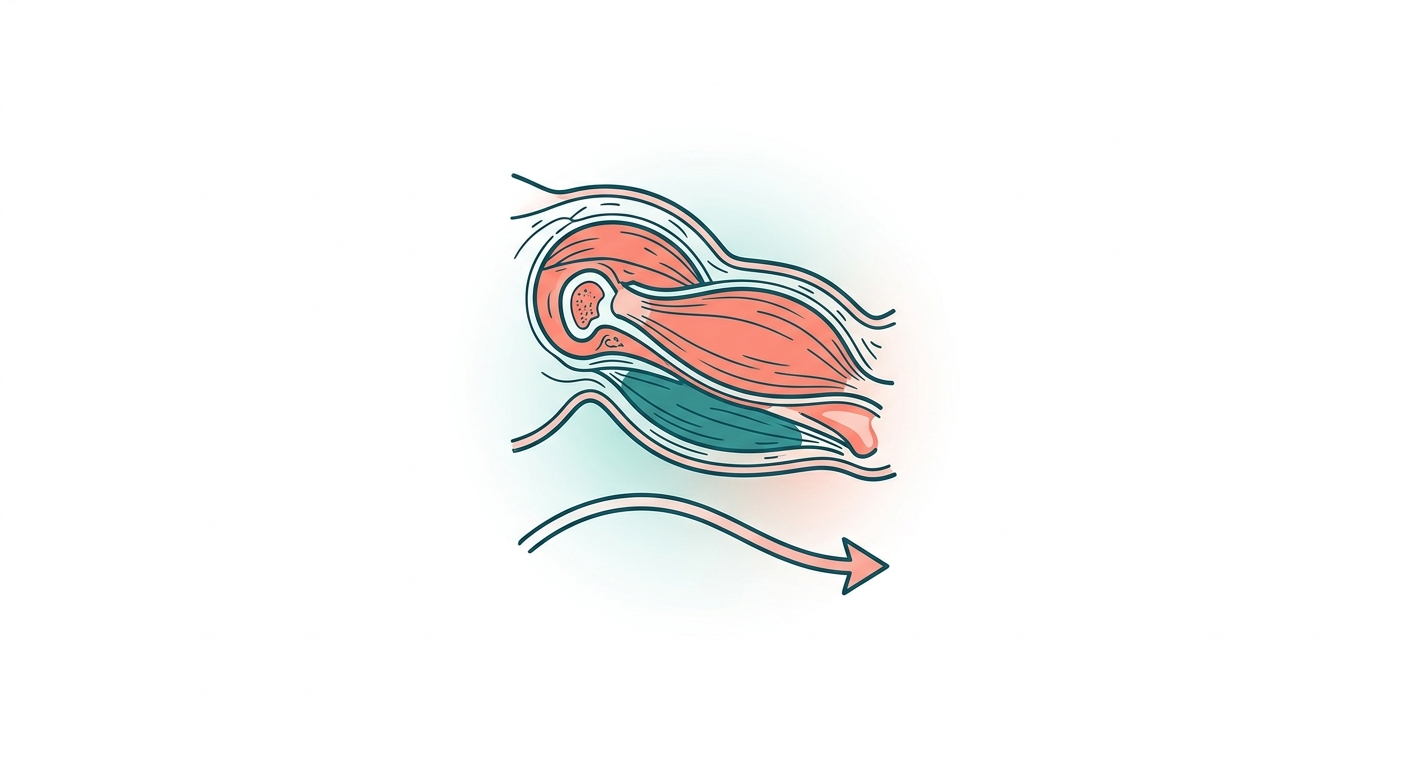
Sarcopenia: The Science of Muscle Loss That Starts in Your 40s
Sarcopenia is the progressive loss of muscle mass, strength, and function with aging. It begins in the late 30s, accelerates after 50, and connects directly to metabolic health, blood sugar regulation, and longevity.
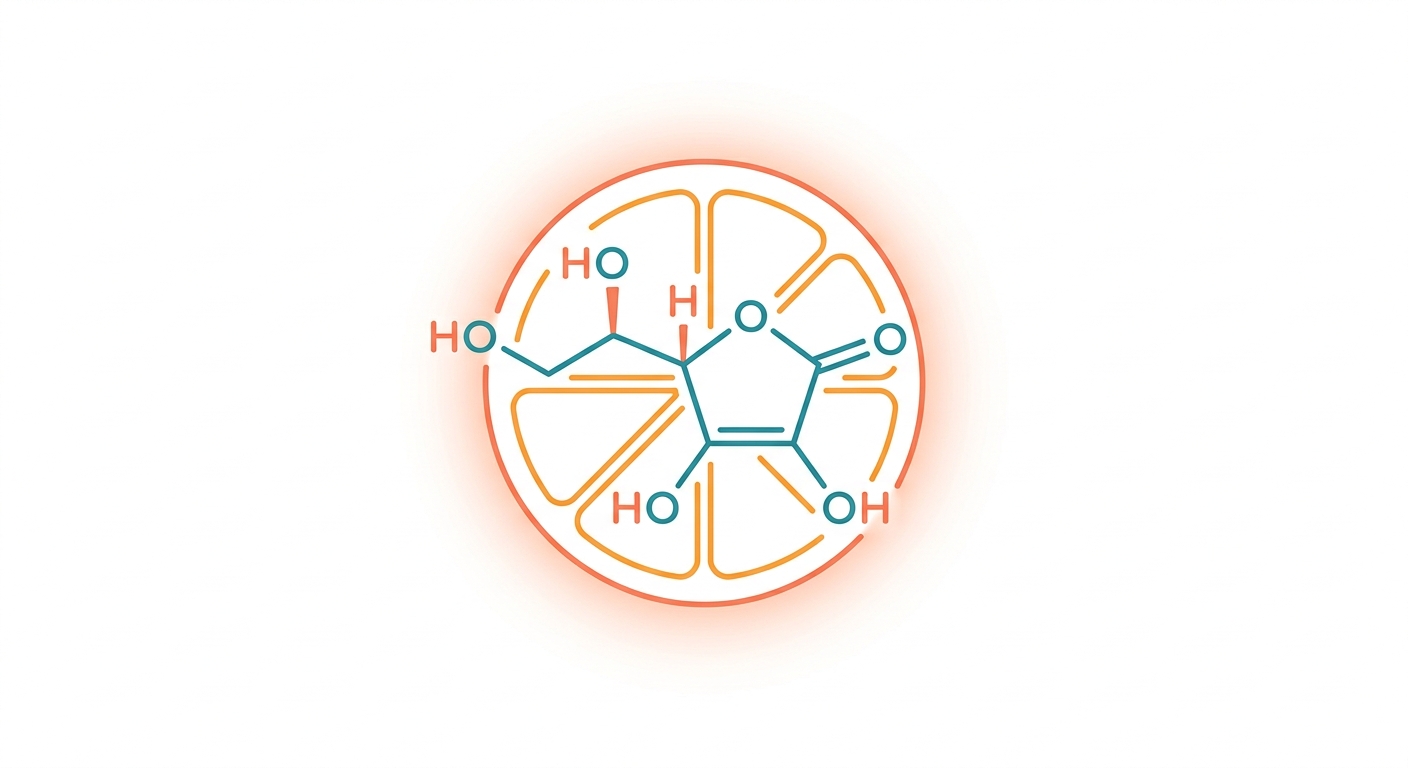
Vitamin C: The Essential Cofactor for Collagen and Brightening
Vitamin C (ascorbic acid) is a required cofactor for collagen-synthesizing enzymes and a melanin inhibitor. It is one of the most evidence-backed single ingredients in skincare for both anti-aging and brightening.

Perimenopause, the 2-to-10-Year Estrogen Transition
Perimenopause is the hormonal transition that typically begins in your mid-40s. Here's what drives irregular periods, hot flashes, and brain fog, and how to manage each.
Baicalin: The Anti-Inflammatory Flavonoid from Scutellaria baicalensis
Baicalin is a flavonoid extracted from the root of Scutellaria baicalensis (Chinese skullcap), blocking both NF-κB and MAPK inflammatory pathways while boosting antioxidant enzyme activity for skin, immunity, and liver health.
Gut-Eye Axis, How Your Microbiome Shapes Eye Health
The gut-eye axis describes how the gut microbiome influences ocular inflammation and tear film function through short-chain fatty acids and immune signaling. Here's the science behind probiotics and dry eye.
Colostrum, the First Milk That Targets Both Immunity and Skin
Colostrum is the first milk produced within 24-72 hours after birth, packed with lactoferrin, immunoglobulins, and growth factors. It has grown 3,000% in the beauty supplement market, but clinical evidence for skin benefits remains limited.
What Is Minoxidil? The Foundation of Hair Loss Treatment
Minoxidil is an FDA-approved hair loss treatment that increases scalp blood flow and extends the growth phase of hair follicles. Here's how topical and oral forms compare, dosages, side effects, and considerations for women.

Saffron: The Spice That Works on Skin Pigmentation and Mood
Saffron (Crocus sativus) contains crocetin and crocin, compounds shown in clinical studies to inhibit melanin synthesis via tyrosinase and MITF pathways, while also supporting mood through serotonin reuptake modulation.
Extracellular Vesicle, the Nano Courier Plants Send to Your Skin
Extracellular vesicles (EVs) are nano-sized particles secreted by cells that deliver active compounds directly to skin cells. A centella EV serum showed 21% hydration improvement and 34% wrinkle reduction in just 28 days.

What Is Psoriasis? Where Immunity Meets the Skin
Psoriasis is a chronic inflammatory condition where the immune system accelerates skin cell turnover. Affecting 2-3% of the global population, gut-skin axis approaches including probiotics are emerging as a new therapeutic avenue.
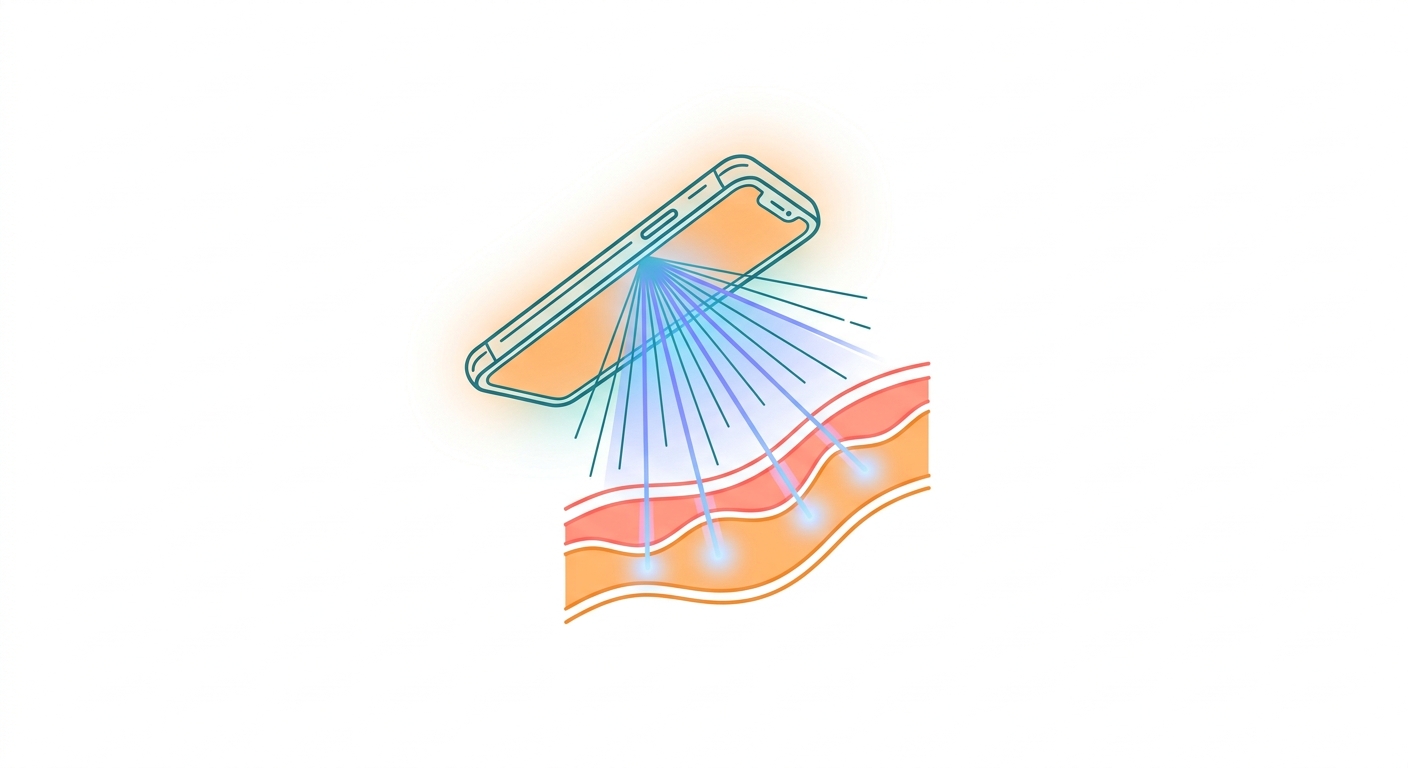
Digital Aging: How Blue Light and Screens Affect Your Skin
Digital aging refers to the skin changes driven by blue light (HEV, 400-490nm) emitted from digital devices, which generates oxidative stress and accelerates collagen breakdown through pathways similar to UV photoaging but invisible to standard sunscreens.
What Is mTOR? The Master Switch of Cell Growth and Aging
mTOR is the master regulator that determines whether a cell grows or cleans itself. Chronic mTOR overactivation accelerates skin aging, while topical rapamycin trials show measurable reductions in p16INK4A and increases in collagen VII.
What Is Clean Beauty? What You Need to Know Before Reading an Ingredient Label
Clean beauty has no single regulatory definition. The EU bans 1,600+ ingredients while the US FDA restricts only 11. Here's how to cut through the noise and actually read a label.

Prebiotics, the Fiber That Feeds Your Good Gut Bacteria
Prebiotics are non-digestible substrates selectively used by beneficial gut microorganisms. Covers inulin, FOS, GOS, HMO, and resistant starch, plus how they support skin, immunity, and weight management.
DHM (Dihydromyricetin), the Flavonoid That Reverses Skin Aging at the Epigenetic Level
Dihydromyricetin (DHM) is a flavonoid from vine tea that inhibits DNMT1 to reactivate genes silenced by aging. Here's what the clinical data actually shows: up to 78% wrinkle volume reduction and a measurable 2-year reversal in skin biological age.
Boswellia: The 5-LOX Inhibitor That Fights Joint Inflammation Differently
Boswellic acids from Boswellia serrata (frankincense tree) inhibit the 5-LOX pathway, reducing leukotriene-driven inflammation. Works through a different mechanism than NSAIDs, with clinical evidence for osteoarthritis pain and function improvement.

Rosemary Oil, the Natural Compound That Matched Minoxidil in Clinical Trials
Rosemary oil inhibits 5-alpha reductase at 82-95%, matching finasteride levels. A 6-month RCT showed equivalent hair growth to minoxidil 2% with better tolerability.
5-Alpha Reductase, the Shared Switch Behind Hair Loss and Excess Sebum
5-alpha reductase converts testosterone to DHT, the androgen driving hair follicle miniaturization and excess sebum. From finasteride to rosemary oil, here is how this enzyme is targeted.
Berberine: The AMPK Activator Behind 'Nature's Ozempic'
Berberine is an isoquinoline alkaloid from plants like Coptis chinensis that activates AMPK to improve blood sugar, insulin sensitivity, and lipid metabolism. Called 'nature's Ozempic,' but weight loss effects are modest — 2-4kg on average.
What Is Nicotinamide Riboside (NR)? The Other Path to NAD+
NR (nicotinamide riboside) is a NAD+ precursor that doubled circulating NAD+ levels in a 2026 clinical trial with 65 healthy adults. Here's how it compares to NMN, recommended dosages, and what to look for.
Telogen Effluvium: When Shedding Hair Grows Back
Telogen effluvium is temporary hair shedding triggered by rapid weight loss, childbirth, stress, or hormonal shifts. Most cases resolve within 6-12 months as the body adapts.
What Is Pycnogenol? The Skin-Protective Extract from French Maritime Pine Bark
Pycnogenol is a standardized antioxidant extract from the bark of French maritime pine (Pinus pinaster). Clinical data shows 26% reduction in melasma area, 80% pigmentation improvement rate, and internal UV photoprotection.
Senescent Cells: Why 'Zombie Cells' Drive Aging and How Senolytics Target Them
Senescent cells stop dividing but resist death, releasing SASP to drive chronic inflammation. Senolytic drugs and compounds like fisetin and quercetin target these cells for clearance, with active clinical trials at Mayo Clinic and beyond.
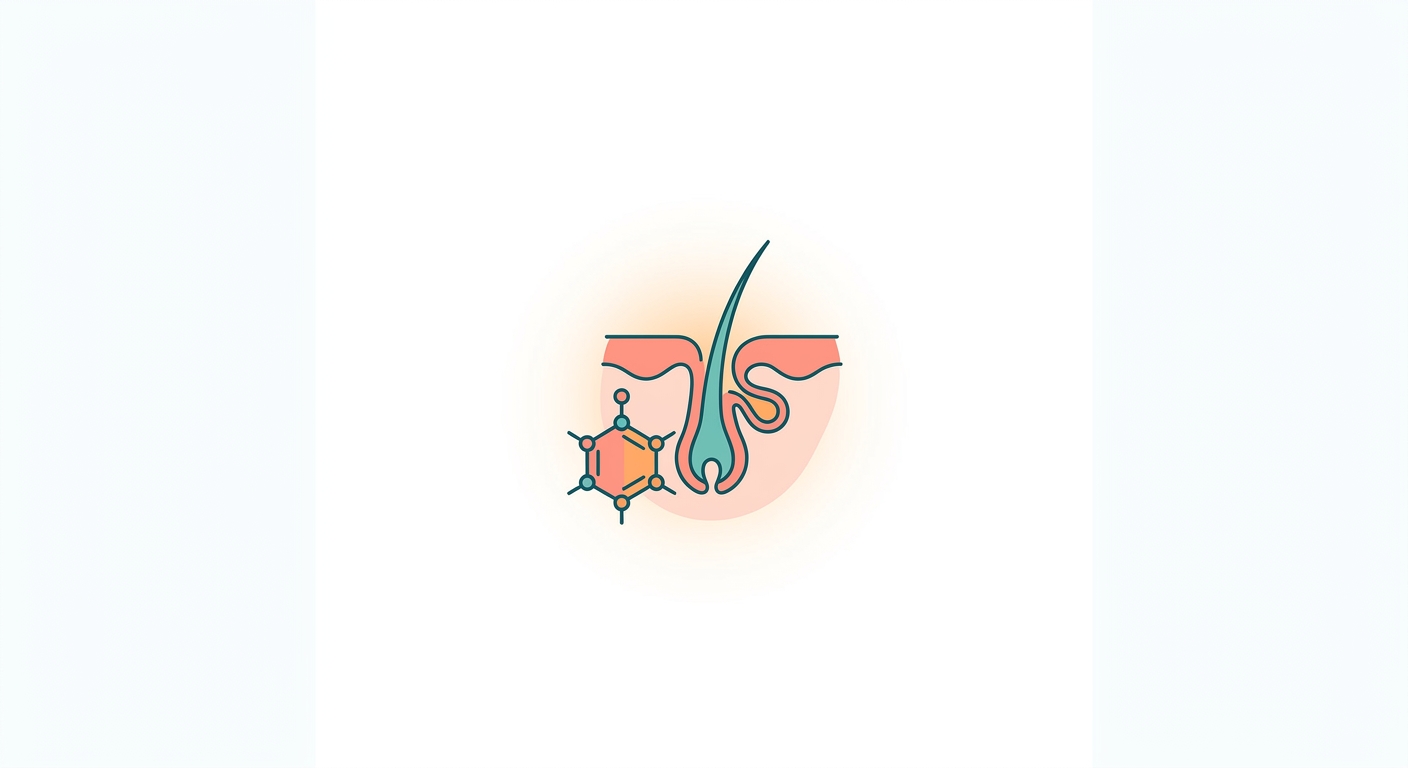
What Is DHT? The Hormone Behind Hair Loss and How to Manage It
DHT (dihydrotestosterone) is a potent androgen converted from testosterone by 5-alpha reductase. It binds to hair follicle receptors, triggering miniaturization and androgenetic alopecia. Management options include finasteride, clascoterone, and minoxidil.
Isoflavone: The Plant Estrogen Mimic That Actually Works
Isoflavones are phytoestrogens from soy and red clover that reduce menopausal hot flashes by 20-50% and support bone density. Their full potential depends on gut bacteria converting daidzein to equol.

PEA (Palmitoylethanolamide): The Body's Own Anti-Inflammatory Compound
PEA is a naturally occurring fatty acid amide that reduces inflammation and modulates pain through the endocannabinoid system. A look at the clinical evidence for menstrual pain, chronic pain, and immune support.
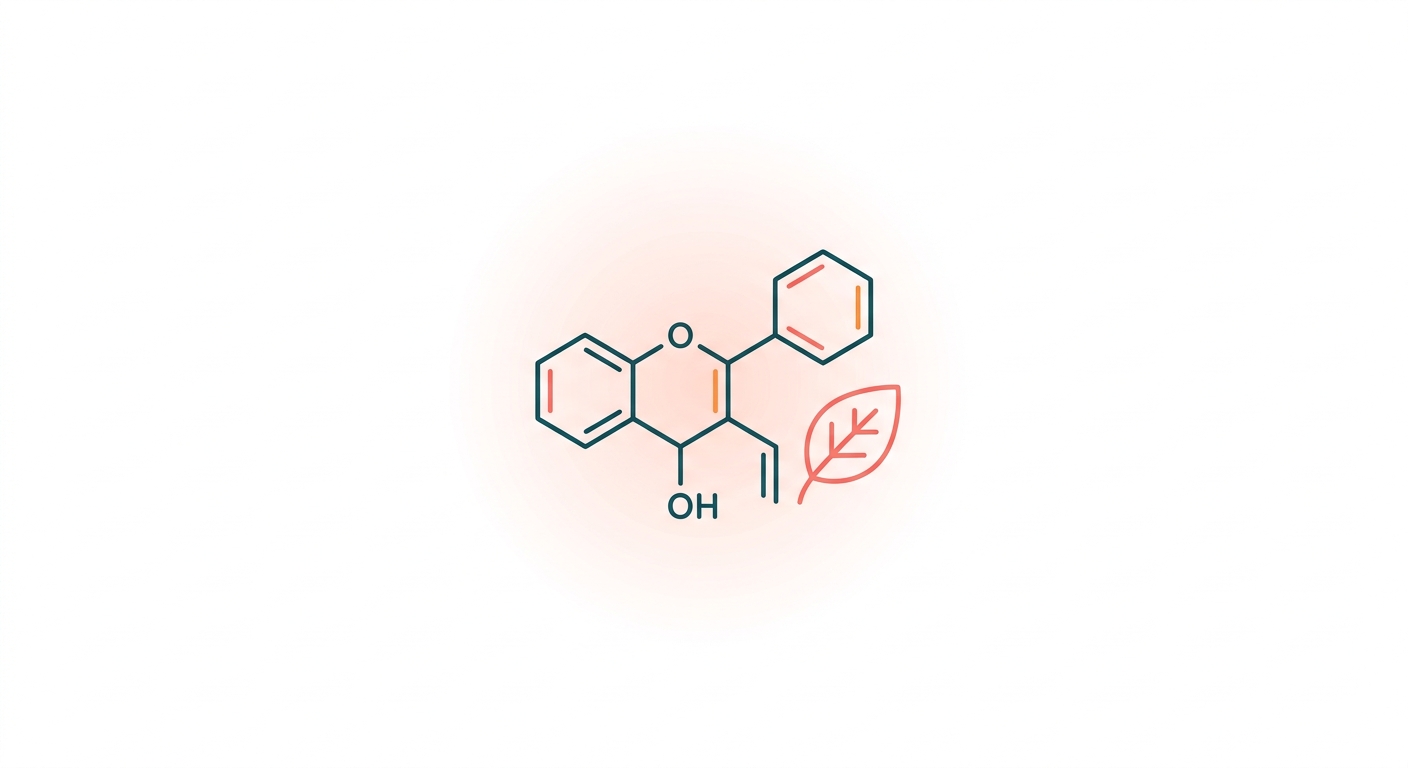
Quercetin: Antioxidant, Anti-Inflammatory, and Senolytic in One Flavonoid
Quercetin is a flavonoid abundant in onions, capers, and apples. Beyond antioxidant and anti-inflammatory roles, its senolytic function, targeting senescent 'zombie cells' when combined with dasatinib, is attracting significant research attention.
What Is Skin Longevity? Beyond Anti-Aging to Proactive Skin Health
Skin longevity is the proactive approach to maintaining and strengthening the skin's biological functions before damage accumulates. Here's how NAD+ precursors, AI-designed peptides, and exosomes define the 2026 paradigm shift.
Tongkat Ali, the Southeast Asian Adaptogen That Supports Hormone Balance in Women
Tongkat Ali (Eurycoma longifolia) activates the CYP17 enzyme to support progesterone and testosterone production. A review of the clinical evidence for menopausal quality of life, mood, and energy improvement.
What Is Biostimulation? The Approach That Teaches Skin to Rebuild Its Own Collagen
Biostimulation is a regenerative medicine approach that stimulates the skin's own collagen synthesis system rather than filling from the outside. Sculptra, PDRN, polynucleotides, and exosomes all belong to this category.
PCOS: Where Hormones, Skin, and Metabolism Intersect
PCOS affects roughly 8-13% of reproductive-age women. Excess androgens, insulin resistance, and irregular ovulation are core features, with connections to acne, hair loss, and weight gain.
Growth Hormone: The Sleep-Dependent Driver of Skin Repair
Growth hormone (GH) is secreted by the pituitary gland, with roughly 70% released during deep sleep. It drives collagen synthesis, cell regeneration, and fat metabolism, declining steadily with age.
What Is TEWL? The Number That Reveals Your Skin Barrier Health
TEWL (Transepidermal Water Loss) measures the rate of water evaporating through your skin, making it the primary indicator of barrier function. Learn the normal range, what raises it, and how to bring it down.
What Are Exosomes? The Skin's Regeneration Messengers
Exosomes are 30-150nm vesicles secreted by cells, delivering collagen synthesis signals and regulating inflammation. A breakdown of stem cell-derived, platelet-derived, plant-derived types and the clinical evidence.
Autophagy: Your Cells' Self-Cleaning System and the Key to Aging Defense
Autophagy is the process by which cells break down and recycle damaged proteins and worn-out organelles. Fasting, exercise, and spermidine induce autophagy, making it a core defense against the 12 hallmarks of aging.
What Is Beta-Glucan? The Polysaccharide Rewriting Barrier Repair in 2026
Beta-glucan is a natural polysaccharide derived from mushrooms, yeast, oats, and algae. Evidence is building for its role in barrier restoration, anti-inflammation, hydration support, and UV damage recovery.
Melatonin: The Antioxidant Hormone Beyond Sleep
Melatonin regulates the sleep-wake cycle and is produced locally by skin cells. It plays a key role in collagen synthesis, DNA repair, and barrier restoration during sleep.
What Are Spicules? The Marine Sponge Ingredient Redefining Physical Skin Renewal
Spicules are the microscopic silica needle structures that form the skeleton of marine and freshwater sponges. By physically creating micro-channels in the stratum corneum, they trigger cell turnover and enhance ingredient absorption without any chemical reaction, earning their reputation as 'microneedling in a bottle.'
What Is NMN? The Precursor That Rebuilds Your Cellular Energy
NMN (nicotinamide mononucleotide) is the direct precursor to NAD+, the coenzyme your cells need for energy production and DNA repair. We break down the clinical data, including a trial showing 57% higher hair density in women in their 40s, and what dosage actually makes sense.
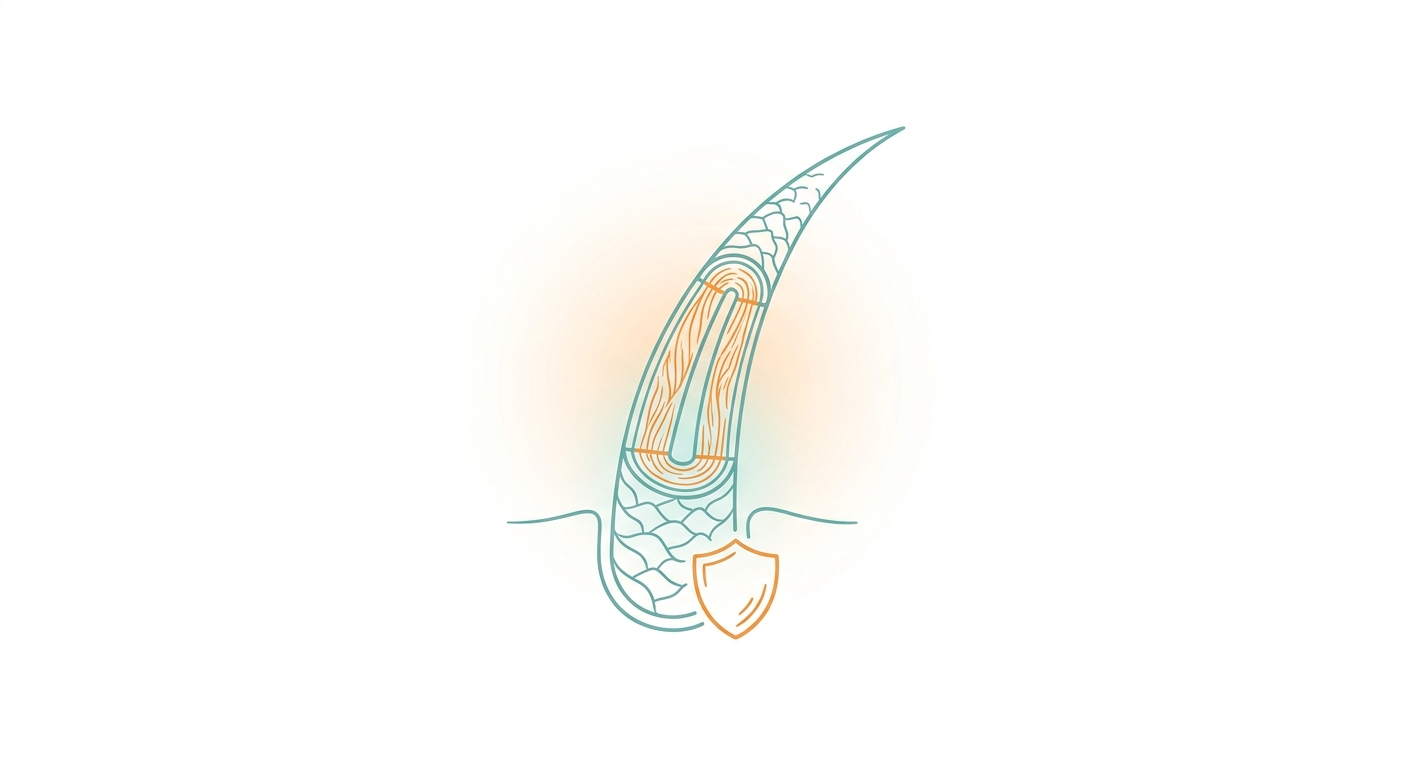
What Is Keratin? The Structural Protein Connecting Hair and Skin
Keratin makes up 85–95% of your hair. Clinical data shows oxidized keratin supplementation reduced hair loss by 43% and improved skin elasticity by 10%. Here's what the research says, and which nutrients your body needs to produce it.
DIM (Diindolylmethane), the Cruciferous Compound That Shapes Estrogen Metabolism
DIM is a plant compound formed during digestion of cruciferous vegetables. It shifts estrogen metabolism toward a more favorable pathway, making it relevant for hormonal acne, PCOS, and hormone balance.
Lactoferrin: The Iron-Regulating Protein Found in Milk
Lactoferrin is an iron-binding glycoprotein derived from milk that starves acne-causing bacteria of iron, reducing inflammatory lesions by up to 44%, while also supporting gut health and immune regulation.
What Is Nitric Oxide? The Signaling Molecule Connecting Blood Vessels, Muscles, and Skin
Nitric oxide (NO) is a gaseous signaling molecule that dilates blood vessels and improves blood flow. It influences exercise performance, skin oxygenation, and postmenopausal muscle function, and can be supported through dietary nitrate sources like beetroot.
What Is an Epigenetic Clock? Measuring Biological Age Through DNA Methylation
An epigenetic clock is a mathematical model that estimates biological age by analyzing DNA methylation patterns. Multiple generations of clocks exist, from Horvath to GrimAge and PhenoAge, and the COSMOS trial showed daily multivitamins slowed these clocks by approximately 4 months.
Nutricosmetics: The Science and Market Behind Ingestible Beauty
Nutricosmetics are functional supplements designed to improve skin and appearance from the inside. The global market hit $8.1 billion in 2026, led by collagen, with gut-skin axis products and AI-personalized formulas as next growth drivers.

Neurocosmetics: The Third Dimension of Skin Aging Science
Neurocosmetics targets the sensory nervous system within skin. As sensory neurons decline with age, regeneration signaling weakens. This approach restores the brain-skin communication pathway.

What Is Spermidine? The Longevity Molecule That Switches On Autophagy
Spermidine is a natural polyamine that induces autophagy (cellular self-cleaning) and inhibits 9 of the 12 hallmarks of aging. Rich in wheat germ, aged cheese, and natto.
What Is Bioavailability? The Hidden Variable That Determines Supplement Effectiveness
Bioavailability is the percentage of an ingested ingredient that actually reaches the bloodstream. The same ingredient can differ 3x or more in absorption depending on its form, molecular weight, and what you eat it with.
What Is Cortisol? How the Stress Hormone Affects Your Skin and Sleep
Cortisol is a stress hormone produced by the adrenal glands. Within normal ranges it regulates immunity and energy, but when chronically elevated it breaks down collagen, damages the skin barrier, and disrupts sleep.
What Is a Skin Booster? The Injectable That Improves Texture, Not Volume
Skin boosters inject hyaluronic acid into the dermis to restore hydration and firmness without adding volume. Unlike fillers that fill, skin boosters improve skin quality itself. SkinVive, Profhilo, and Juvelook are leading examples.
What Is Selenium? The Trace Mineral That Links Thyroid, Immunity, and Hair
Selenium is a trace mineral essential for thyroid hormone metabolism and antioxidant defense. It has a narrow optimal range where both deficiency and excess can cause hair loss.
What Is Blue Light? Separating Screen Hype from Real Skin Science
Blue light (HEV, 400–490nm) is high-energy visible light from both the sun and digital screens. Some research links it to hyperpigmentation and collagen breakdown, but the evidence is still far thinner than it is for UV.

What Are Antioxidants? The Defense System That Slows Skin Aging
Antioxidants neutralize free radicals (ROS) to prevent cell damage and skin aging. Vitamin C, vitamin E, glutathione, and astaxanthin are the standout examples, effective both topically and as supplements.
Microbiome: The Living Ecosystem That Connects Your Gut and Skin
The microbiome is the collective community of trillions of microorganisms living in and on the body, along with their genetic material. Gut and skin microbiomes directly influence immunity, inflammation, and barrier function, and their balance shapes skin health.
What Is Inositol? A Closer Look at PCOS and Insulin Resistance
Inositol is a B vitamin-like compound involved in cellular signaling. Clinical evidence continues to build around its role in insulin resistance, ovulation, and hormonal balance in PCOS.
Urolithin A: The Longevity Compound That Replaces Damaged Mitochondria
Urolithin A is a gut microbiome metabolite of ellagic acid (from pomegranates, walnuts) that activates mitophagy, replacing damaged mitochondria with healthy ones. Clinical data shows immune aging reversal and muscle function improvement.
Chrono-Skincare: Aligning Your Routine with Your Skin's 24-Hour Clock
Chrono-skincare designs routines around the skin's circadian rhythm (BMAL1, CLOCK genes). Repair ingredients at night (retinol, peptides), defense ingredients by day (antioxidants, SPF). Same product, different timing, different results.
What Is Iron? The Mineral Women Need to Pay Closest Attention To
Iron is essential for oxygen transport and energy production. Women aged 19-50 need 18 mg per day, more than double the male requirement, and both deficiency and excess carry real health consequences.

What Is Taurine? The Amino Acid That Connects Sleep, Skin Barrier, and Estrogen
Taurine is best known for energy drinks, but it plays a critical role in skin barrier integrity and collagen production. Its ability to substitute for the estrogen pathway damaged by sleep deprivation is drawing serious research attention.

Tranexamic Acid: The Ingredient That Changed How We Treat Melasma
Tranexamic acid was developed as a blood-clotting medication in the 1960s. Decades later, dermatologists discovered it could interrupt the exact pathway that triggers excess melanin production. Here's what it does, how to use it, and who should be careful.

Psychobiotics: The Gut Bacteria That Influence Your Mood
Psychobiotics are a subset of probiotics and prebiotics with measurable effects on mental health. Through the gut-brain axis, specific strains influence anxiety, stress response, and mood. Here's what the science actually supports.
Centella Asiatica (Cica): The Three-Way Skin Repair Ingredient
Centella Asiatica is a botanical ingredient used in Asian medicine for centuries, now clinically backed for its simultaneous action on inflammation, collagen synthesis, and skin barrier repair. The science behind K-beauty's most talked-about ingredient.

What Is Polyglutamic Acid? The Natto-Derived Humectant That Outperforms Hyaluronic Acid
Polyglutamic acid (PGA) is a fermentation-derived biopolymer originally found in natto that binds moisture at four times the capacity of hyaluronic acid and simultaneously activates the skin's own hyaluronic acid synthesis enzymes. It represents a new category of humectant that both draws and builds moisture.
Skin Barrier: What It Is, Why It Breaks Down, and How to Repair It
How the stratum corneum's ceramide-lipid structure keeps moisture in and irritants out, the habits that damage it, and the evidence-based approach to restoring it.
What Is Ectoin? The Extremolyte That Rebuilds the Skin Barrier
Ectoin is a natural amino acid derivative produced by microorganisms surviving in extreme environments like salt flats and desert soils. It stabilizes the water layer around skin cells, strengthens the skin barrier, and has clinical evidence supporting its use in atopic dermatitis and sensitive skin.

What Is Ergothioneine? The Longevity Antioxidant Found in Mushrooms
Ergothioneine is a sulfur-containing amino acid found primarily in mushrooms. The human body has a dedicated transporter for it, suggesting it plays a meaningful evolutionary role in mitochondrial protection, oxidative stress defense, and cellular longevity.
Photoaging: How UV Radiation Rewrites Your Skin's Future
The biological mechanics of UV-driven collagen breakdown and pigmentation, the difference between photoaging and chronological aging, and evidence-based strategies to prevent and improve both.
What Is Inflammaging? The Silent Inflammation That Accelerates Aging
Inflammaging is the low-grade, chronic inflammation that builds in the body as the immune system ages. It leaves no obvious symptoms but quietly drives skin aging, collagen breakdown, and systemic decline.

Menopause: What Estrogen Loss Actually Does to Your Skin and Body
How the estrogen decline during perimenopause and menopause accelerates skin aging, disrupts hydration, and affects bone density, plus evidence-based strategies to manage each.
Fisetin: The Most Potent Flavonoid Senolytic, From Strawberries
Fisetin is a flavonoid in strawberries, apples, persimmons, and onions. Mayo Clinic research found it the most potent senolytic among 10 flavonoids tested. One of the few senolytic ingredients accessible without prescription.
Senolytics: The New Approach to Selectively Remove Senescent Cells
Senolytics selectively kill senescent cells, cells that accumulate with age, driving tissue aging and chronic inflammation. Through dasatinib+quercetin, fisetin, and DNA methylation clock tracking, they're opening a new frontier in late-2020s longevity medicine.
Astaxanthin: The Marine Carotenoid That Crosses Cell Membranes
Astaxanthin is the powerful antioxidant carotenoid behind the red color of salmon and shrimp. The only carotenoid spanning the entire cell membrane lipid bilayer, it acts on skin, eyes, cardiovascular, muscle, and brain simultaneously.
GHK-Cu Copper Peptide: The Tripeptide That Flips Epigenetic Switches
GHK-Cu is a complex of the glycine-histidine-lysine tripeptide and copper ions. It alters 4,000+ gene expressions to simultaneously induce collagen, elastin, and angiogenesis. A natural molecule whose blood levels decline with age.
Azelaic Acid: Dicarboxylic Acid Acting Simultaneously on Rosacea, Acne, and Pigmentation
Azelaic acid is a natural dicarboxylic acid with simultaneous anti-inflammatory, antibacterial, and melanin-inhibiting mechanisms. A rare single ingredient FDA-approved for rosacea, acne, and hyperpigmentation, and safe during pregnancy.
Vitamin K2: The Cofactor That Directs Calcium Precisely Into Bone
Vitamin K2 (MK-7, menaquinone) activates osteocalcin to direct calcium into bone and remove it from blood vessels. 3-year trials in postmenopausal women showed significantly slowed bone density decline.

Resveratrol: The Sirtuin-Activating Longevity Polyphenol
Resveratrol is the polyphenol in grape skin and red wine that activates sirtuins (SIRT1), supporting DNA repair and mitochondrial function. 2026 clinical evidence confirms skin wrinkle reduction as a single ingredient in women over 40.
Creatine: Not Just for Muscles, but a Brain Energy Coenzyme
Creatine is a naturally occurring amino acid derivative that supports ATP regeneration. Beyond strength, it acts on brain cognition and protects menopausal women's muscle and bone, repositioning as a midlife female longevity ingredient.
Idebenone, the Smaller, Deeper-Penetrating Antioxidant That Goes Beyond CoQ10
A breakdown of idebenone's structural advantages, skin antioxidant mechanism, differences from CoQ10, concentration guidelines, and precautions.
Polynucleotides (PN·PDRN): Salmon-Derived Regenerative Molecules
PN and PDRN are highly purified DNA fragments extracted from salmon testes. They stimulate dermal fibroblast regeneration and anti-inflammation, forming the core of Rejuran and K-beauty regenerative medicine.
HMB: The Leucine Metabolite That Blocks Muscle Breakdown
HMB (beta-hydroxy-beta-methylbutyrate) is a metabolite of leucine that inhibits muscle protein breakdown. It has become a core protective strategy during GLP-1 weight loss, aging, and injury recovery.
Mandelic Acid, the AHA That Sensitive Skin Can Actually Use
How mandelic acid's larger molecular size makes it gentler than other AHAs, its clinical evidence for pigmentation and exfoliation, how it compares to glycolic acid, and how to use it safely.
Postbiotics: Microbial Metabolites That Work Without Being Alive
Postbiotics are inactivated microbial cells or metabolites that deliver biological effects without viability. Covers the difference from probiotics and prebiotics, clinical evidence for gut and skin, and how to choose products.
NAD+, the Coenzyme at the Crossroads of Energy and Aging
What NAD+ does in every cell, why it declines with age, the clinical evidence behind NMN and NR precursors, and practical dosing guidance.
GLP-1, the Gut Hormone Reshaping Weight Management
How GLP-1 works, the clinical evidence behind semaglutide and tirzepatide, the muscle-loss problem, and a nutrition guide for GLP-1 medication users.

Bakuchiol: The Plant-Based Retinol Alternative That Skips the Irritation
How bakuchiol works, head-to-head clinical data versus retinol, and why it matters for sensitive skin, pregnancy, and daytime routines.
Curcumin: The Anti-Inflammatory Powerhouse Inside Turmeric
Curcumin's mechanisms, the bioavailability problem and how to solve it, clinical evidence for skin, joints, and cognition.
Peptides: The Protein Fragments That Tell Your Skin to Build More Collagen
How different peptide types work, clinical evidence for Matrixyl, GHK-Cu, and Argireline, plus the right concentrations and layering order.
Ashwagandha: The Clinical Evidence Behind This Cortisol-Lowering Adaptogen
The clinical evidence for ashwagandha (KSM-66) in reducing cortisol, relieving stress, and improving sleep quality, along with appropriate dosages and safety considerations.
Rhodiola Rosea, the Adaptogen with Clinical Evidence for Fatigue and Stress
A comprehensive guide to Rhodiola Rosea — its key compounds salidroside and rosavin, clinical evidence for fatigue reduction and stress response, and practical dosage information.

Sunscreen: What SPF Numbers Actually Mean
What SPF really measures, the difference between UVA and UVB, PA ratings explained, how to choose the right sunscreen for your skin type, and how much you actually need to apply.
Nattokinase, the Fermented Enzyme with Clinical Evidence for Blood Pressure and Circulation
A complete guide to nattokinase — the enzyme derived from fermented natto — covering fibrinolytic activity, blood pressure reduction, cardiovascular benefits, dosage, and critical drug interaction warnings.
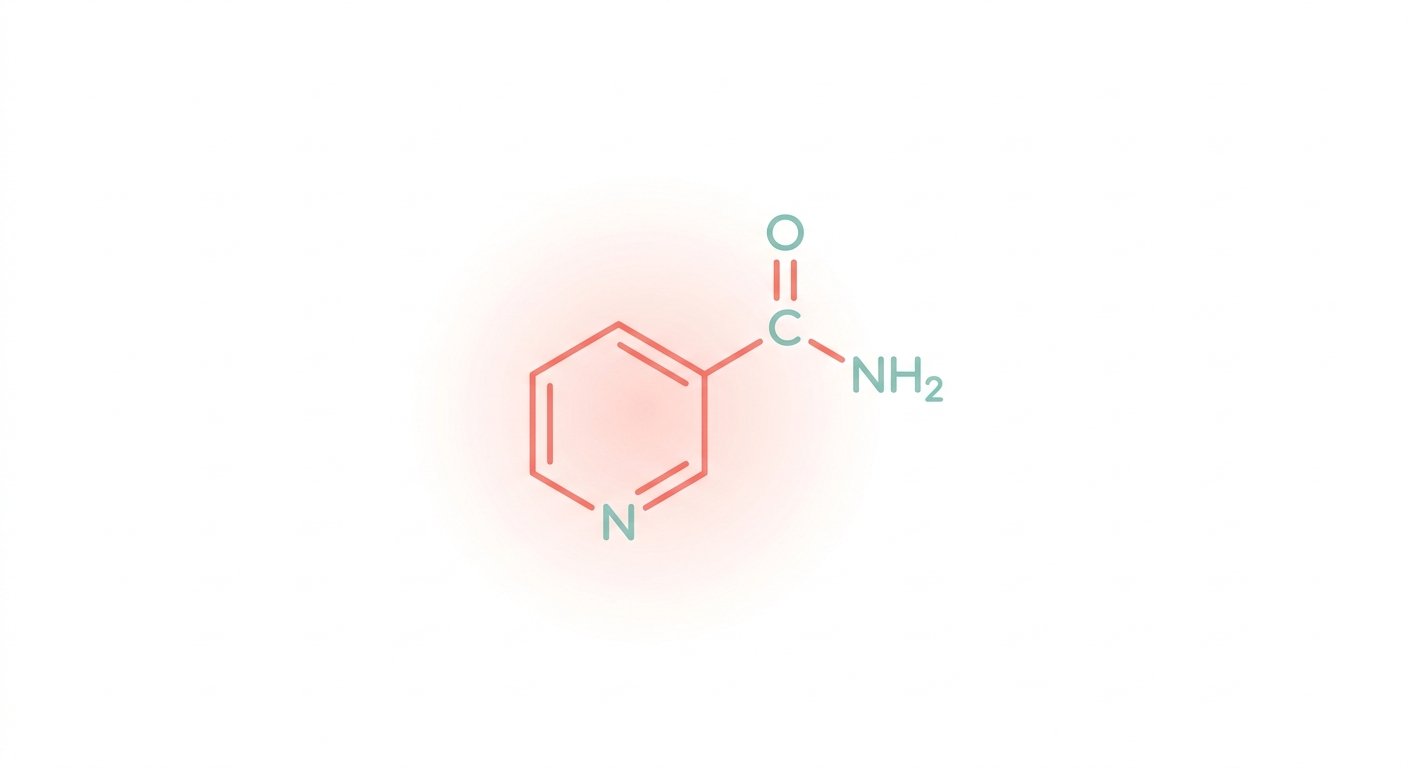
Niacinamide: One Ingredient for Barrier Repair, Pigmentation, and Pore Control
The clinical evidence behind niacinamide's barrier-strengthening, pigmentation-suppressing, and pore-refining properties, with concentration-based usage guidelines.
Hyaluronic Acid: Why Molecular Weight Changes Everything
How molecular weight determines skin penetration depth, the clinical evidence for topical and oral hyaluronic acid, and how to choose the right product for your goals.
Magnesium by Type: From Glycinate to Threonate, a Selection Guide
The eight most common magnesium forms compared by absorption, target area, and side effects. How to choose between glycinate, threonate, taurate, and citrate based on your goals.
Omega-3: Why DHA and EPA Deserve Separate Attention
The distinct roles of DHA and EPA, clinical evidence for cardiovascular and brain health, optimal dosages, and how to choose the right omega-3 product.
Vitamin D: How the Sunshine Vitamin Regulates Both Immunity and Bone Health
Vitamin D's roles in immunity, bone metabolism, and hormonal balance, along with optimal blood levels, dosage guidelines, and the risks of taking too much.
Probiotics: Different Strains, Entirely Different Effects
How probiotic effects vary by strain, the clinical evidence for gut barrier function and immune modulation, and how to choose the right one for your goals.
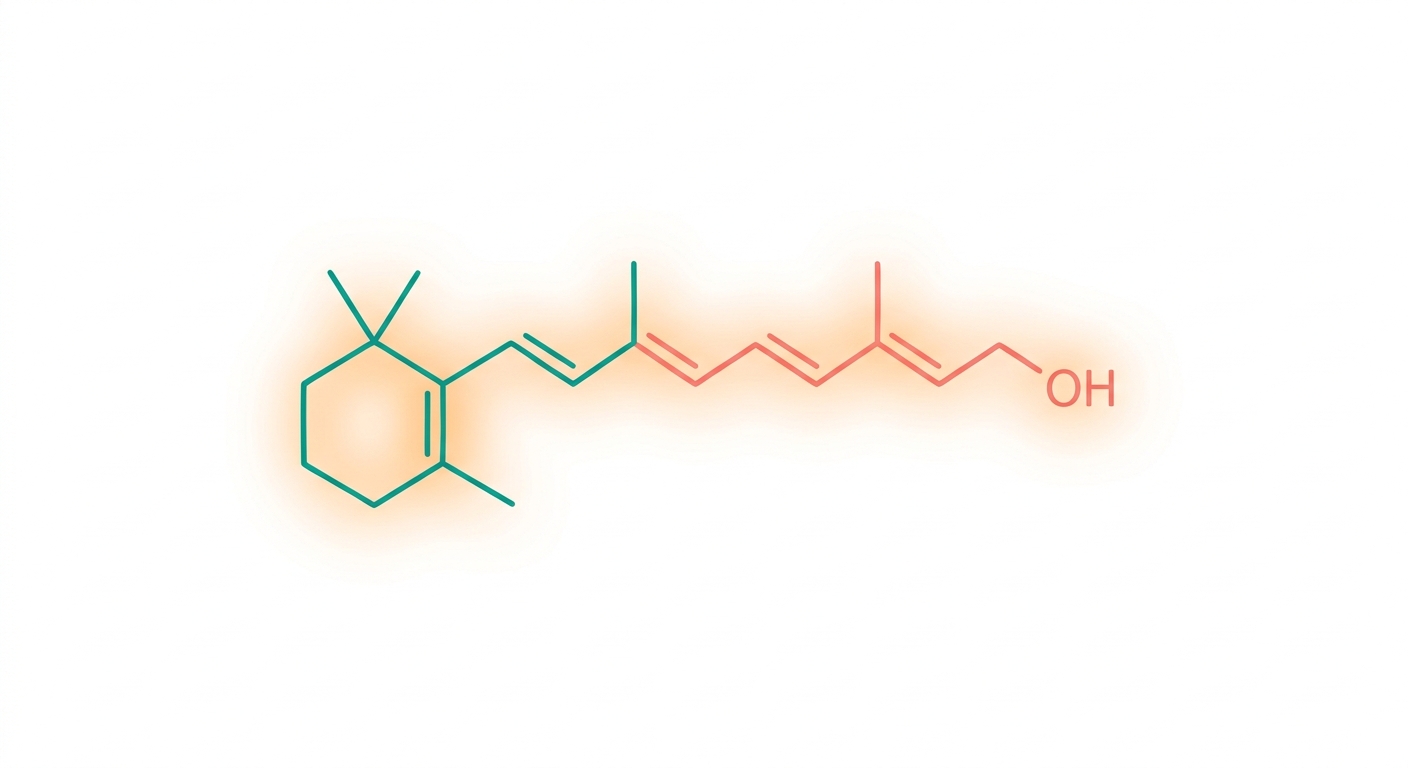
Retinol: The Vitamin A Derivative That Resets Your Skin's Cell Turnover
How retinol works, concentration-by-concentration effects, anti-aging clinical evidence, and the right way to use it without wrecking your barrier.
Collagen Peptides: Do They Actually Reach Your Skin When You Take Them Orally?
The clinical evidence behind oral collagen peptide supplementation, their effects on skin elasticity and joint health, optimal dosages, and how to choose the right product.
What Is Ceramide? The Lipid That Makes Up 50% of Your Skin Barrier
Ceramides account for roughly 50% of the lipids in the stratum corneum, making them the cornerstone of skin barrier function. Production drops by up to 40% in your 30s. Here's what that means and how to replenish them.