Creatine as an Adjunct for Depression in Women, the Emerging Evidence
Creatine has been a staple in gym bags for decades, but recent research is extending its relevance to the brain, specifically the female brain. A review from UCLA Health, combined with preliminary clinical data, highlights a simple fact with potentially broad implications: women have lower brain creatine levels than men, and that gap may open a new route for depression support.
Why Women’s Brain Creatine Runs Lower
The brain consumes roughly 20% of total body energy despite accounting for just 2% of body weight. The creatine-phosphate system rapidly regenerates ATP (the cell’s energy currency), serving as a critical energy buffer. Research shows that women have lower brain creatine concentrations overall, with the difference being most pronounced in the frontal lobe, the region governing mood regulation, cognitive function, and working memory. Whether this gap stems from hormonal factors or dietary patterns is still under investigation, but evidence is building that women may benefit more from creatine supplementation.
Combining Creatine with Antidepressants
In preliminary studies involving female adolescents and adults with major depressive disorder, adding creatine to existing SSRI antidepressant therapy led to significant reductions in depressive symptoms. The key framing: creatine served as an “adjunct,” not a replacement. The proposed mechanism is that improved brain energy metabolism enhances the synthesis and transmission efficiency of neurotransmitters like serotonin and dopamine, amplifying the antidepressant’s effect.
Standard Dosing
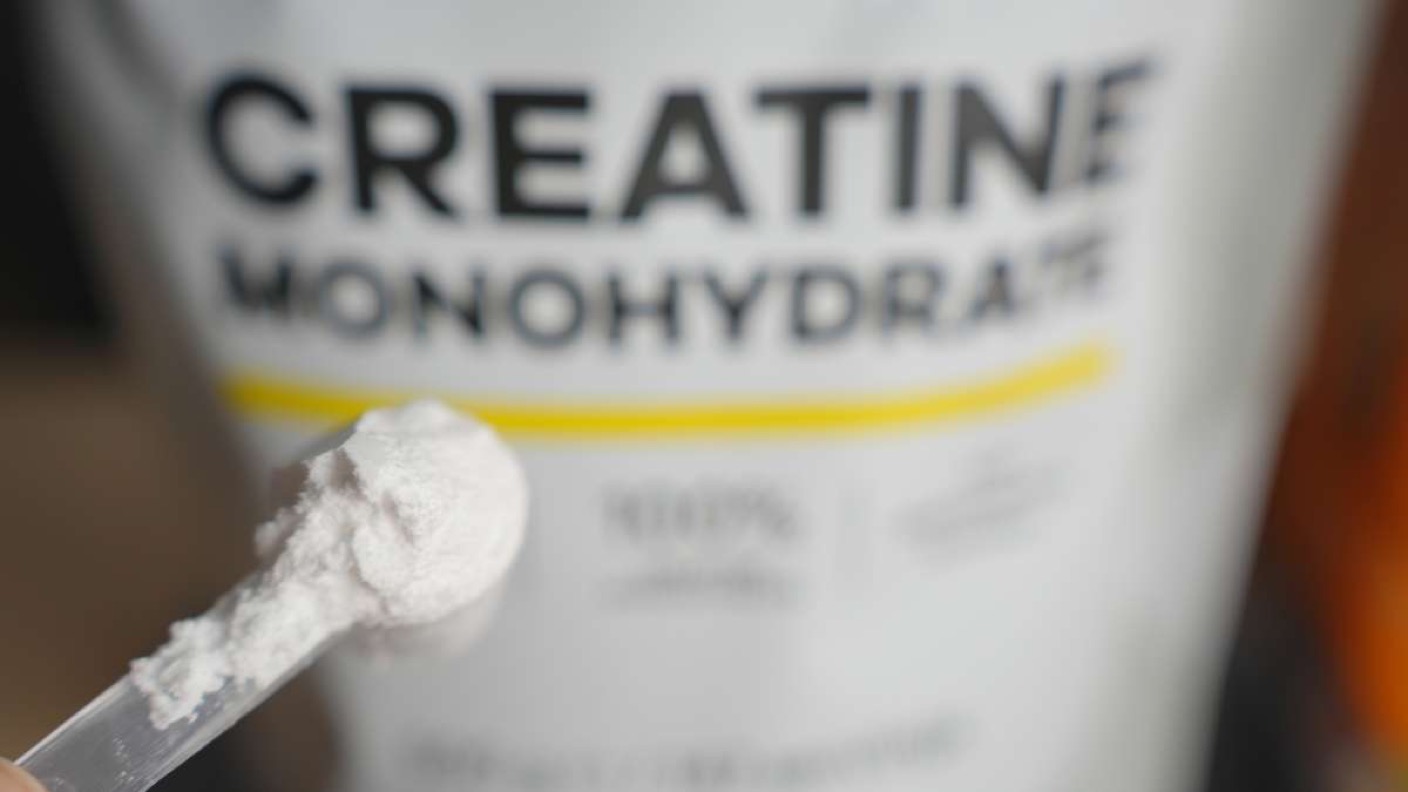
The commonly recommended dose is 3~5g per day. Creatine monohydrate has the most extensive clinical evidence base. It dissolves in water or any beverage, and taking it with a meal slightly improves absorption. During the first 1~2 weeks, intramuscular water retention may increase body weight by 1~2kg, which is water, not fat.
Compounded Benefits After Menopause
After menopause, estrogen decline alters brain glucose metabolism while simultaneously reducing muscle mass (sarcopenia) and bone density (osteoporosis). Creatine, when paired with resistance training, has data supporting skeletal muscle maintenance and bone density preservation, making it a supplement that addresses brain health and musculoskeletal health in parallel.
What to Check Before Starting
Creatine is excreted through the kidneys, so individuals with impaired kidney function should seek medical guidance. Adequate hydration is fundamental, and creatine works best alongside regular exercise, quality sleep, and balanced nutrition. Monthly costs for creatine monohydrate typically range from $8 to $25, placing it among the most cost-effective supplements relative to its evidence base.
Frequently Asked Questions
Can creatine treat depression on its own? No. Current data suggest creatine may serve as an adjunct to antidepressants, not a standalone treatment. If you have been diagnosed with depression, maintain your existing treatment and consult your provider before adding any supplement.
Does creatine cause weight gain? Creatine increases intramuscular water retention, which can add 1~2kg in the first 1~2 weeks. This is water weight, not fat gain, and typically stabilizes quickly.
Why is creatine especially relevant for postmenopausal women? After menopause, declining estrogen alters brain energy metabolism while muscle mass and bone density also decrease. Creatine has data supporting brain energy replenishment and, when combined with resistance training, muscle and bone preservation.